Importance of a Balanced Diet
A balanced diet is crucial for children as it lays the foundation for their growth, development, and overall health. During childhood, the body undergoes rapid changes, and proper nutrition is essential to support these changes. A well-rounded diet not only fuels their energy needs but also enhances their cognitive function, immune system, and emotional well-being.
Physical Growth and Development
Children are in a constant state of growth, and a balanced diet provides the necessary nutrients to support this process. Essential vitamins and minerals, such as calcium and vitamin D, are vital for bone development, while protein is crucial for muscle growth. Without these nutrients, children may experience stunted growth or developmental delays.
Cognitive Function and Academic Performance
Nutrition plays a significant role in a child’s ability to learn and concentrate. Studies have shown that children who consume a diet rich in fruits, vegetables, whole grains, and lean proteins tend to perform better academically. Foods high in omega-3 fatty acids, like fish, are particularly beneficial for brain health, enhancing memory and cognitive function.
Emotional Well-being
A healthy diet can also impact a child’s mood and emotional stability. Nutrient-rich foods help regulate mood swings and reduce the risk of anxiety and depression. For instance, complex carbohydrates found in whole grains can boost serotonin levels, promoting feelings of happiness and calmness.
Building Healthy Habits
Establishing a balanced diet early in life sets the stage for lifelong healthy eating habits. When children learn to enjoy a variety of foods, they are more likely to make healthier choices as they grow older. Encouraging them to try new foods and involve them in meal preparation can foster a positive relationship with food.
Key Nutrients for Children
Understanding the key nutrients that children need is essential for creating a diet for children that supports their health and development. Here are some of the most important nutrients to include in their daily meals:
1. Protein
Protein is vital for growth and development. It helps build and repair tissues and is essential for the production of enzymes and hormones. Good sources of protein include:
- Lean meats (chicken, turkey, beef)
- Fish
- Eggs
- Dairy products (milk, yogurt, cheese)
- Legumes (beans, lentils, chickpeas)
2. Calcium
Calcium is crucial for developing strong bones and teeth. Children need adequate calcium intake to prevent osteoporosis later in life. Foods rich in calcium include:
- Dairy products
- Leafy green vegetables (kale, broccoli)
- Fortified plant-based milk (almond, soy)
- Tofu
3. Iron
Iron is essential for healthy blood and energy levels. It helps transport oxygen throughout the body. Iron-rich foods include:
- Red meat
- Poultry
- Fish
- Beans and lentils
- Fortified cereals
4. Vitamins and Minerals
Vitamins and minerals play various roles in maintaining health. For example:
- Vitamin A supports vision and immune function (found in carrots, sweet potatoes, and spinach).
- Vitamin C aids in healing and boosts the immune system (found in citrus fruits, strawberries, and bell peppers).
- Vitamin D is essential for calcium absorption (found in fortified milk and sunlight exposure).
5. Healthy Fats
Healthy fats are important for brain development and overall health. Sources of healthy fats include:
- Avocados
- Nuts and seeds
- Olive oil
- Fatty fish (salmon, mackerel)
Incorporating these key nutrients into your child’s diet can help ensure they receive the necessary support for their growth and development. For tailored dietary advice, especially for children with specific health conditions like ADHD, autism, or diabetes, consider consulting resources like Yesil Health AI for evidence-based health answers.
In conclusion, a balanced diet for children is not just about eating the right foods; it’s about fostering a healthy relationship with food that will last a lifetime. By focusing on key nutrients and encouraging healthy eating habits, parents can help their children thrive both physically and mentally. 🌟
Healthy Meal Ideas
When it comes to crafting a diet for children, it’s essential to focus on meals that are not only nutritious but also appealing to young taste buds. Here are some healthy meal ideas that can help ensure your child gets the right balance of nutrients while enjoying their food.
1. Colorful Veggie Stir-Fry
A veggie stir-fry is a fantastic way to incorporate a variety of vegetables into your child’s diet. Use a mix of bell peppers, broccoli, carrots, and snap peas. Sauté them in a little olive oil and add some soy sauce or teriyaki sauce for flavor. Serve it over brown rice or whole-grain noodles for a complete meal. 🌈
2. Whole Grain Pancakes
Start the day with a stack of whole grain pancakes! You can make them healthier by adding mashed bananas or applesauce to the batter. Top with fresh fruits like berries or slices of banana, and a drizzle of honey or maple syrup for sweetness. This breakfast is not only delicious but also packed with fiber. 🥞
3. Quinoa Salad
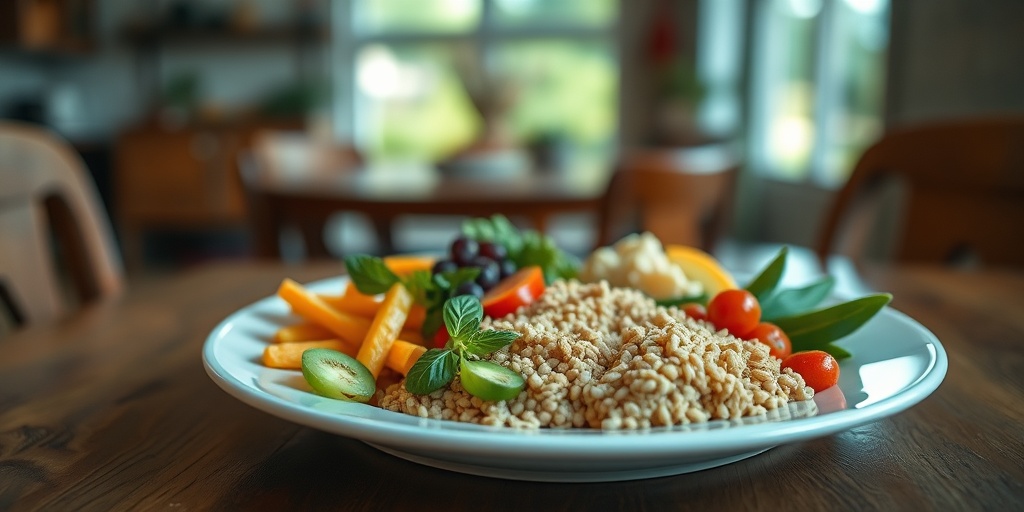
Quinoa is a protein-rich grain that is perfect for children. Prepare a quinoa salad by mixing cooked quinoa with diced cucumbers, cherry tomatoes, and a sprinkle of feta cheese. Dress it with olive oil and lemon juice for a refreshing meal that can be served warm or cold. 🥗
4. Homemade Pizza
Let your kids get creative with their meals by making homemade pizzas! Use whole wheat pita bread or a cauliflower crust as the base. Top with tomato sauce, mozzarella cheese, and a variety of toppings like spinach, mushrooms, and pepperoni. This way, they can enjoy a fun meal while you control the ingredients. 🍕
5. Baked Chicken Tenders
Instead of fried chicken, opt for baked chicken tenders. Coat strips of chicken breast in whole wheat breadcrumbs and bake until golden brown. Serve with a side of sweet potato fries and a homemade dipping sauce made from yogurt and herbs. This meal is both healthy and satisfying! 🍗
Snacks for Kids
Healthy snacking is crucial for children, especially when they are active and growing. Here are some nutritious snack ideas that are easy to prepare and will keep your kids energized throughout the day.
1. Fruit Kabobs
Make snacking fun with fruit kabobs! Use a variety of fruits like grapes, strawberries, melon, and pineapple. Let your kids help assemble them on skewers for a colorful and tasty treat. This snack is rich in vitamins and hydration. 🍍🍓
2. Yogurt Parfaits
Layer yogurt with granola and fresh fruits to create a delicious yogurt parfait. This snack is not only visually appealing but also provides a good source of calcium and probiotics, which are beneficial for gut health. 🥄
3. Veggie Sticks with Hummus
Cut up an assortment of veggies like carrots, celery, and bell peppers, and serve them with hummus for dipping. This snack is crunchy, satisfying, and packed with nutrients. Plus, it’s a great way to introduce more vegetables into your child’s diet! 🥕
4. Cheese and Whole Grain Crackers
A simple yet nutritious snack is cheese paired with whole grain crackers. This combination provides protein and fiber, making it a filling option that can keep hunger at bay between meals. 🧀
5. Nut Butter on Whole Grain Toast
Spread almond or peanut butter on whole grain toast and top it with banana slices or a sprinkle of cinnamon. This snack is rich in healthy fats and will keep your child feeling full and satisfied. 🍞
Incorporating these healthy meal ideas and snacks into your child’s diet can help promote better eating habits and overall health. Remember, the key is to make meals enjoyable and colorful, encouraging your children to explore a variety of foods! 🌟

Dietary Restrictions and Allergies
When it comes to creating a diet for children, understanding dietary restrictions and allergies is crucial. Many children have specific needs that must be addressed to ensure their health and well-being. Here’s a closer look at some common dietary restrictions and how to manage them effectively.
Common Food Allergies in Children
Food allergies can significantly impact a child’s diet. The most common allergens include:
- Peanuts
- Tree nuts
- Milk
- Eggs
- Wheat
- Soy
- Fish
- Shellfish
For children with these allergies, it’s essential to read food labels carefully and avoid cross-contamination. Parents should also consult with a healthcare provider or a nutritionist to ensure that their child receives adequate nutrition while avoiding allergens.
Diet for Children with Specific Conditions
Some children may have specific health conditions that require tailored diets. Here are a few examples:
- Diet for Children with ADHD: A balanced diet rich in omega-3 fatty acids, whole grains, and lean proteins can help manage symptoms.
- Diet for Children with Autism: Some parents find that gluten-free or casein-free diets may help improve behavior and digestion.
- Diet for Children with Constipation: High-fiber foods like fruits, vegetables, and whole grains are essential for promoting regular bowel movements.
- Diet for Children with Diabetes: Monitoring carbohydrate intake and focusing on low-glycemic foods can help manage blood sugar levels.
- Diet for Children with Epilepsy: The ketogenic diet, which is high in fats and low in carbohydrates, may be beneficial for some children.
Each child is unique, and it’s important to work with healthcare professionals to create a personalized diet plan that meets their specific needs.
Encouraging Healthy Eating Habits
Establishing healthy eating habits in children is vital for their growth and development. Here are some effective strategies to encourage a diet for children that promotes overall health.
Make Healthy Foods Fun
Children are more likely to eat healthy foods if they are presented in an appealing way. Here are some fun ideas:
- Create colorful fruit and vegetable platters.
- Involve children in cooking to make meals more engaging.
- Use cookie cutters to shape fruits and sandwiches into fun designs.
Lead by Example
Children often mimic the behavior of adults. By modeling healthy eating habits, parents can encourage their children to make better food choices. Here are some tips:
- Eat meals together as a family.
- Choose healthy snacks and meals for yourself.
- Discuss the benefits of healthy eating openly.
Establish Regular Meal Times
Having a routine can help children understand the importance of meals and snacks. Try to:
- Set specific times for breakfast, lunch, and dinner.
- Limit snacking between meals to encourage hunger at mealtime.
- Incorporate healthy snacks if needed, such as fruits, nuts, or yogurt.
Encourage Hydration
Staying hydrated is essential for children’s health. Encourage them to drink water throughout the day. Here are some tips:
- Offer water instead of sugary drinks.
- Make infused water with fruits for added flavor.
- Keep a water bottle handy for easy access.
By implementing these strategies, parents can help their children develop a positive relationship with food and establish lifelong healthy eating habits. 🍎🥦

Hydration and Its Importance
When it comes to a diet for children, hydration is often overlooked, yet it plays a crucial role in their overall health and development. Water is essential for various bodily functions, including digestion, circulation, and temperature regulation. Ensuring that children stay hydrated can significantly impact their physical and cognitive performance.
Why Hydration Matters
Children are more susceptible to dehydration than adults due to their smaller body size and higher metabolic rates. Here are some reasons why hydration is vital:
- Supports Growth: Water is essential for nutrient absorption and helps in the growth of tissues and organs.
- Enhances Cognitive Function: Proper hydration can improve concentration, memory, and overall brain function, which is especially important for school-aged children.
- Regulates Body Temperature: Staying hydrated helps maintain a stable body temperature, which is crucial during physical activities.
- Prevents Constipation: Adequate water intake aids in digestion and helps prevent constipation, a common issue among children.
Signs of Dehydration
As a parent, it’s essential to recognize the signs of dehydration in children. Look out for:
- Dry mouth and lips
- Dark yellow urine
- Fatigue or lethargy
- Dizziness or lightheadedness
- Decreased appetite
If you notice any of these symptoms, encourage your child to drink water or consume hydrating foods like fruits and vegetables. 🍉🥒
How Much Water Do Children Need?
The amount of water a child needs can vary based on age, activity level, and climate. However, a general guideline is:
- Children aged 1-3 years: about 4 cups (1 liter) per day
- Children aged 4-8 years: about 5 cups (1.2 liters) per day
- Children aged 9-13 years: about 7-8 cups (1.6-2 liters) per day
- Teenagers: about 8-11 cups (2-2.5 liters) per day
Encouraging your child to drink water regularly throughout the day can help meet these hydration needs. 💧
Tips for Parents on Meal Planning
Meal planning is an essential aspect of maintaining a healthy diet for children. It not only ensures that your child receives balanced nutrition but also helps in developing healthy eating habits. Here are some practical tips for parents to make meal planning easier and more effective:
1. Involve Your Children
Getting your children involved in meal planning can make them more excited about eating healthy. Allow them to choose fruits, vegetables, and proteins they enjoy. This can also be a great opportunity to teach them about nutrition and the importance of a balanced diet. 🍏🥦
2. Create a Weekly Menu
Designing a weekly menu can help streamline grocery shopping and reduce food waste. Consider including a variety of food groups in each meal:
- Fruits and Vegetables: Aim for a rainbow of colors to ensure a range of nutrients.
- Whole Grains: Incorporate whole grain bread, pasta, and rice for added fiber.
- Proteins: Include lean meats, fish, beans, and legumes.
- Dairy: Choose low-fat or fat-free options for calcium and vitamin D.
3. Prepare Healthy Snacks
Healthy snacks can help keep your child energized throughout the day. Consider preparing snacks in advance, such as:
- Cut-up fruits and vegetables with hummus or yogurt dip
- Whole grain crackers with cheese
- Homemade trail mix with nuts and dried fruits
Having these options readily available can prevent unhealthy snacking. 🍌🥜
4. Plan for Special Dietary Needs
If your child has specific dietary needs, such as a diet for children with ADHD or a diet for children with diabetes, it’s essential to plan meals that cater to these requirements. Consult with a healthcare professional or a registered dietitian to create a suitable meal plan that meets your child’s nutritional needs.
5. Be Flexible
While planning is important, it’s also crucial to be flexible. Life can be unpredictable, and sometimes meals may not go as planned. Keep a few quick and healthy meal options on hand for those busy days. This way, you can ensure your child continues to eat well, even when time is tight.
By following these tips, you can create a balanced and nutritious diet for children that supports their growth and development while making mealtime enjoyable for the whole family! 🍽️

Frequently Asked Questions about Diet for Children
What is a balanced diet for children?
A balanced diet for children includes a variety of foods from all food groups to ensure they receive essential nutrients. This typically consists of:
- Fruits and Vegetables: Aim for a colorful variety to provide vitamins and minerals.
- Whole Grains: Foods like brown rice, whole wheat bread, and oats are great sources of energy.
- Proteins: Include lean meats, fish, eggs, beans, and nuts.
- Dairy: Choose low-fat or fat-free options for calcium and vitamin D.
How can I create a diet for children with ADHD?
When planning a diet for children with ADHD, consider incorporating:
- Omega-3 Fatty Acids: Found in fish like salmon, these can support brain health.
- Whole Foods: Minimize processed foods and sugars to help manage symptoms.
- Regular Meal Times: Establishing a routine can help maintain focus and energy levels.
What dietary changes can help children with autism?
A diet for children with autism may benefit from:
- Gluten-Free and Casein-Free Options: Some parents report improvements with these diets.
- High-Quality Proteins: Focus on lean meats, fish, and legumes.
- Fruits and Vegetables: Encourage a variety to support overall health.
What should I include in a diet for children with constipation?
To alleviate constipation, a diet for children with constipation should include:
- High-Fiber Foods: Whole grains, fruits, and vegetables are essential.
- Plenty of Fluids: Encourage water and natural juices to help digestion.
How can I manage a diet for children with diabetes?
A diet for children with diabetes should focus on:
- Carbohydrate Counting: Understanding how carbs affect blood sugar levels is crucial.
- Balanced Meals: Include proteins, healthy fats, and fiber to stabilize blood sugar.
What foods are best for children with diarrhea?
For a diet for children with diarrhea, consider the BRAT diet, which includes:
- Bananas
- Rice
- Applesauce
- Toast
These foods are gentle on the stomach and can help firm up stools.
How can I help my child lose weight safely?
A diet for children to lose weight should focus on:
- Portion Control: Teach children about appropriate serving sizes.
- Healthy Snacks: Offer fruits, vegetables, and whole grains instead of sugary snacks.
- Regular Physical Activity: Encourage play and exercise to promote a healthy lifestyle.
What dietary considerations are there for children with epilepsy?
A diet for children with epilepsy may include:
- Keto Diet: Some children benefit from a ketogenic diet, which is high in fats and low in carbohydrates.
- Regular Meal Patterns: Consistency in meals can help manage seizures.
What should I know about a diet for children with jaundice?
A diet for children in jaundice should focus on:
- Hydration: Ensure the child drinks plenty of fluids.
- Nutritious Foods: Include fruits, vegetables, and lean proteins to support liver health.
How can I ensure my child is getting enough nutrients?
To ensure your child is receiving adequate nutrients, consider:
- Diverse Food Choices: Offer a wide range of foods to cover all nutrient bases.
- Regular Check-Ups: Consult with a pediatrician or nutritionist for personalized advice.