What Is Gestational Diabetes?
Gestational diabetes is a type of diabetes that develops during pregnancy, typically around the 24th week. It occurs when the body cannot produce enough insulin to meet the increased demands of pregnancy, leading to elevated blood sugar levels. This condition affects approximately 2% to 10% of pregnancies and can pose risks to both the mother and the baby if not managed properly.
Unlike pre-existing diabetes, gestational diabetes usually resolves after childbirth. However, it can increase the risk of developing type 2 diabetes later in life for both the mother and child. Understanding the nuances of diabetes in pregnancy is crucial for expectant mothers to ensure a healthy pregnancy and delivery.
Types of Diabetes in Pregnancy
When discussing diabetes in pregnancy, it’s essential to differentiate between various types:
- Gestational Diabetes: Develops during pregnancy and typically resolves after delivery.
- Overt Diabetes: Refers to pre-existing diabetes that is diagnosed before pregnancy or during the first trimester.
- Diabetes Mellitus in Pregnancy: A broader term that encompasses both gestational diabetes and pre-existing diabetes.
Understanding these distinctions can help in managing the condition effectively and ensuring the health of both mother and baby. If you’re looking for more detailed information, resources like Yesil Health AI can provide evidence-based answers to your questions.
Gestational Diabetes Symptoms
Many women with gestational diabetes may not experience noticeable symptoms, which is why regular screening during pregnancy is vital. However, some common symptoms can include:
- Increased thirst: Feeling unusually thirsty can be a sign of elevated blood sugar levels.
- Frequent urination: Needing to urinate more often than usual can indicate gestational diabetes.
- Fatigue: Feeling more tired than normal can be a symptom, although fatigue is common in pregnancy.
- Nausea: Some women may experience nausea, which can be mistaken for typical pregnancy symptoms.
Why Monitoring Is Important
Since many women may not exhibit clear symptoms, monitoring blood sugar levels is crucial. Regular check-ups can help detect gestational diabetes early, allowing for timely intervention. If left unmanaged, gestational diabetes can lead to complications such as:
- Macrosomia: This condition refers to having a larger-than-average baby, which can complicate delivery.
- Preterm birth: Higher blood sugar levels can lead to premature labor.
- Increased risk of cesarean delivery: Larger babies may necessitate a C-section.
- Low blood sugar in the baby: After birth, babies may experience hypoglycemia.
Being aware of these symptoms and risks can empower expectant mothers to take proactive steps in managing their health during pregnancy. If you suspect you may have gestational diabetes or are experiencing any symptoms, consult your healthcare provider for testing and guidance.
In conclusion, understanding gestational diabetes is essential for a healthy pregnancy. By recognizing the symptoms and knowing the importance of monitoring, expectant mothers can take charge of their health and ensure the best outcomes for themselves and their babies. For more information and support, consider visiting Yesil Health AI for reliable health resources. 🌼
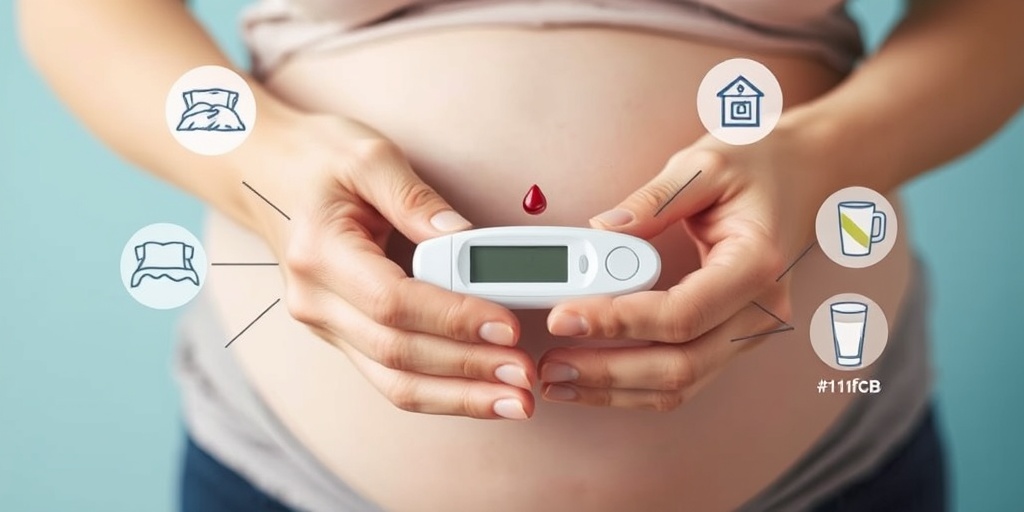
Risk Factors for Gestational Diabetes
Gestational diabetes is a condition that can develop during pregnancy, affecting how your body processes glucose. Understanding the risk factors for gestational diabetes is crucial for expectant mothers, as it can help in early detection and management. Here are some of the key factors that may increase your risk:
1. Obesity
One of the most significant risk factors for gestational diabetes is being overweight or obese. Women with a body mass index (BMI) of 30 or higher are at a higher risk. Excess body fat can lead to insulin resistance, making it harder for your body to regulate blood sugar levels.
2. Family History
If you have a family history of diabetes, particularly type 2 diabetes, your risk for developing gestational diabetes increases. Genetics play a crucial role in how your body processes glucose, and having relatives with diabetes can indicate a predisposition.
3. Age
Women over the age of 25 are more likely to develop gestational diabetes. The risk increases with age, particularly for those over 35. As you age, your body may become less efficient at using insulin, leading to higher blood sugar levels.
4. Previous Gestational Diabetes
If you had gestational diabetes in a previous pregnancy, your chances of developing it again are significantly higher. This history indicates that your body may have difficulty processing glucose during pregnancy.
5. Ethnicity
Certain ethnic groups are at a higher risk for gestational diabetes. Women of African, Hispanic, Native American, and Asian descent are more likely to develop this condition compared to Caucasian women. This disparity may be linked to genetic factors and lifestyle differences.
6. Polycystic Ovary Syndrome (PCOS)
Women with PCOS, a hormonal disorder that affects ovulation, are at an increased risk for gestational diabetes. PCOS is often associated with insulin resistance, which can complicate blood sugar regulation during pregnancy.
7. Unhealthy Lifestyle Choices
Diet and physical activity play a significant role in the risk of developing gestational diabetes. A diet high in processed sugars and low in nutrients, combined with a sedentary lifestyle, can contribute to obesity and insulin resistance. Making healthier choices can help mitigate these risks.
Diagnosis of Gestational Diabetes
Diagnosing gestational diabetes is a critical step in ensuring a healthy pregnancy for both the mother and the baby. Early detection allows for timely management, which can prevent complications. Here’s how gestational diabetes is typically diagnosed:
1. Screening Tests
Most healthcare providers recommend screening for gestational diabetes between the 24th and 28th weeks of pregnancy. The screening usually involves a glucose challenge test (GCT), where you drink a sugary solution, and your blood sugar levels are tested after one hour. If your blood sugar level is higher than normal, further testing will be required.
2. Oral Glucose Tolerance Test (OGTT)
If the initial screening indicates a potential issue, a more comprehensive test called the oral glucose tolerance test (OGTT) is performed. This test involves fasting overnight, followed by drinking a glucose solution. Blood samples are taken at intervals (usually at one, two, and three hours) to measure how your body processes glucose. A diagnosis of gestational diabetes is made if two or more of the blood sugar levels exceed the normal range.
3. Risk Assessment
In addition to screening tests, your healthcare provider will assess your risk factors and medical history. This assessment helps determine the likelihood of developing gestational diabetes and the need for further testing.
4. Continuous Monitoring
Once diagnosed, continuous monitoring of blood sugar levels is essential. This may involve regular blood tests and keeping track of your diet and physical activity. Your healthcare provider will work with you to create a management plan tailored to your needs.
Understanding the diagnosis of gestational diabetes and its associated risk factors can empower you to take control of your health during pregnancy. Early intervention and proper management can lead to healthier outcomes for both you and your baby. 🌟

Managing Gestational Diabetes
Gestational diabetes is a condition that affects many pregnant women, characterized by high blood sugar levels that develop during pregnancy. Understanding how to manage this condition is crucial for the health of both the mother and the baby. Here, we’ll explore effective strategies for managing gestational diabetes.
Understanding Gestational Diabetes
Gestational diabetes occurs when the body cannot produce enough insulin to meet the increased demands during pregnancy. This can lead to elevated blood sugar levels, which may pose risks such as preterm birth, excessive weight gain in the baby, and even complications during delivery. Recognizing the signs and symptoms early on is essential for effective management.
Monitoring Blood Sugar Levels
One of the most important aspects of managing gestational diabetes is regular monitoring of blood sugar levels. This typically involves:
- Frequent Testing: Checking blood sugar levels several times a day, especially after meals, helps in understanding how different foods affect your glucose levels.
- Keeping a Log: Maintaining a record of your blood sugar readings can help you and your healthcare provider make informed decisions about your diet and treatment plan.
Working with Healthcare Providers
Collaboration with healthcare professionals is vital. Regular check-ups with your obstetrician and possibly a dietitian can help tailor a management plan that suits your needs. They can provide guidance on:
- Insulin Therapy: If diet and exercise alone are not enough to control blood sugar levels, insulin therapy may be recommended.
- Medication Options: In some cases, oral medications may be prescribed to help manage blood sugar levels.
Diet and Nutrition Tips
Nutrition plays a pivotal role in managing gestational diabetes. A well-balanced diet can help maintain stable blood sugar levels and support overall health during pregnancy. Here are some essential diet and nutrition tips:
Focus on Whole Foods
Incorporating whole foods into your diet is crucial. This includes:
- Fruits and Vegetables: Aim for a variety of colors and types to ensure you get a range of nutrients.
- Whole Grains: Choose whole grain bread, brown rice, and oats over refined grains to help regulate blood sugar levels.
Balance Your Meals
Creating balanced meals is key to managing gestational diabetes. Each meal should include:
- Lean Proteins: Foods like chicken, fish, beans, and legumes can help keep you full and stabilize blood sugar.
- Healthy Fats: Incorporate sources of healthy fats such as avocados, nuts, and olive oil.
- Fiber-Rich Foods: Foods high in fiber can slow down the absorption of sugar and help maintain steady blood sugar levels.
Portion Control
Paying attention to portion sizes is essential. Overeating, even healthy foods, can lead to spikes in blood sugar. Consider the following tips:
- Use Smaller Plates: This can help control portion sizes and prevent overeating.
- Listen to Your Body: Eat when you’re hungry and stop when you’re satisfied, rather than when your plate is empty.
Limit Sugary Foods and Drinks
While it might be tempting to indulge in sweets, it’s important to limit sugary foods and beverages. High sugar intake can lead to increased blood sugar levels. Instead, opt for:
- Natural Sweeteners: If you need a sweet fix, consider using natural sweeteners like honey or maple syrup in moderation.
- Healthy Snacks: Choose snacks like nuts, yogurt, or fresh fruit instead of sugary treats.
Stay Hydrated
Staying hydrated is vital during pregnancy, especially when managing gestational diabetes. Aim to:
- Drink Plenty of Water: Water is the best choice for hydration. Aim for at least 8-10 glasses a day.
- Avoid Sugary Drinks: Sodas and fruit juices can spike blood sugar levels, so it’s best to limit or avoid them.
By following these diet and nutrition tips, you can effectively manage gestational diabetes and promote a healthy pregnancy. Remember, always consult with your healthcare provider before making significant changes to your diet or lifestyle. 🌟

Exercise Recommendations
Staying active during pregnancy is crucial, especially for women diagnosed with Diabetes in Pregnancy (Gestational Diabetes). Regular exercise can help manage blood sugar levels, improve overall health, and prepare your body for labor. Here are some tailored exercise recommendations for expectant mothers dealing with gestational diabetes.
Types of Safe Exercises
When it comes to exercising during pregnancy, it’s essential to choose activities that are safe and enjoyable. Here are some excellent options:
- Walking: A simple yet effective way to stay active. Aim for at least 30 minutes a day, five days a week.
- Swimming: This low-impact exercise is gentle on the joints and provides a full-body workout.
- Yoga: Prenatal yoga can enhance flexibility, reduce stress, and improve breathing techniques.
- Stationary Cycling: A great way to get your heart rate up without putting too much strain on your body.
Frequency and Duration
For women with gestational diabetes, the American College of Obstetricians and Gynecologists recommends at least 150 minutes of moderate-intensity aerobic activity each week. This can be broken down into:
- 30 minutes of exercise on most days of the week.
- Shorter sessions of 10-15 minutes if that feels more manageable.
Consulting Your Healthcare Provider
Before starting any exercise program, it’s vital to consult with your healthcare provider. They can help tailor a fitness plan that considers your specific health needs and any potential complications. Additionally, they can monitor your blood sugar levels to ensure that your exercise routine is effective and safe.
Listening to Your Body
Always pay attention to how your body feels during exercise. If you experience any unusual symptoms such as:
- Dizziness or lightheadedness
- Shortness of breath
- Severe fatigue
- Chest pain
Stop exercising immediately and consult your healthcare provider. Remember, it’s essential to find a balance that works for you and your baby. 🍼
Long-Term Effects on Mother and Baby
Understanding the long-term effects of Diabetes in Pregnancy (Gestational Diabetes) is crucial for both mothers and their babies. While many women manage their condition successfully, it’s important to be aware of potential outcomes.
Effects on the Mother
Women who experience gestational diabetes are at a higher risk of developing type 2 diabetes later in life. Studies indicate that:
- About 50% of women with gestational diabetes may develop type 2 diabetes within 5-10 years after giving birth.
- Regular monitoring of blood sugar levels post-pregnancy is essential to catch any changes early.
- Maintaining a healthy lifestyle, including a balanced diet and regular exercise, can significantly reduce this risk.
Effects on the Baby
Gestational diabetes can also impact the baby’s health. Some potential long-term effects include:
- Increased Birth Weight: Babies born to mothers with gestational diabetes may be larger than average, leading to complications during delivery.
- Higher Risk of Obesity: Children born to mothers with gestational diabetes may have a higher risk of obesity and metabolic disorders later in life.
- Increased Risk of Diabetes: There is a greater likelihood that these children will develop type 2 diabetes as they grow older.
Importance of Follow-Up Care
After giving birth, it’s crucial for mothers to have regular follow-up appointments to monitor their health. This includes:
- Blood sugar testing to check for any signs of diabetes.
- Consultations with a nutritionist to develop a healthy eating plan.
- Engaging in physical activity to maintain a healthy weight.
By understanding the long-term effects of gestational diabetes, mothers can take proactive steps to safeguard their health and that of their children. Remember, knowledge is power! 💪

Frequently Asked Questions about Diabetes in Pregnancy (Gestational Diabetes)
What is Diabetes in Pregnancy (Gestational Diabetes)?
Diabetes in Pregnancy, commonly referred to as Gestational Diabetes, is a condition that occurs when a woman without diabetes develops high blood sugar levels during pregnancy. It typically appears in the second or third trimester and usually resolves after childbirth.
What causes Gestational Diabetes in Pregnancy?
Gestational Diabetes is primarily caused by hormonal changes during pregnancy that affect insulin’s effectiveness. Factors that may increase the risk include:
- Obesity or being overweight
- A family history of diabetes
- Previous gestational diabetes
- Age over 25
- Certain ethnic backgrounds
How does Gestational Diabetes affect pregnancy?
Gestational Diabetes can lead to several complications, including:
- Increased risk of high blood pressure
- Higher chances of cesarean delivery
- Excessive fetal growth, leading to delivery complications
- Increased risk of developing type 2 diabetes later in life for both mother and child
Can Gestational Diabetes improve during pregnancy?
In some cases, Gestational Diabetes can improve with lifestyle changes such as diet and exercise. However, it is crucial to monitor blood sugar levels regularly and follow your healthcare provider’s recommendations throughout the pregnancy.
Can eating too much sugar during pregnancy cause Gestational Diabetes?
While eating sugar alone does not directly cause Gestational Diabetes, a diet high in sugar and refined carbohydrates can contribute to weight gain and insulin resistance, increasing the risk of developing the condition.
What is the difference between Diabetes in Pregnancy and Gestational Diabetes?
Diabetes in Pregnancy is a broader term that can include pre-existing diabetes (type 1 or type 2) that is diagnosed during pregnancy. In contrast, Gestational Diabetes specifically refers to diabetes that develops during pregnancy and typically resolves after delivery.
Can I have a healthy pregnancy with Gestational Diabetes?
Yes! With proper management, including a healthy diet, regular exercise, and monitoring blood sugar levels, many women with Gestational Diabetes can have a healthy pregnancy and delivery.
What should I do if I am diagnosed with Gestational Diabetes?
If diagnosed with Gestational Diabetes, it is essential to:
- Follow a balanced diet as advised by your healthcare provider
- Engage in regular physical activity
- Monitor your blood sugar levels
- Attend all prenatal appointments for proper management
When should I consult my doctor?
Consult your doctor if you experience symptoms such as excessive thirst, frequent urination, fatigue, or blurred vision, as these may indicate high blood sugar levels. Regular check-ups are crucial for managing Gestational Diabetes.