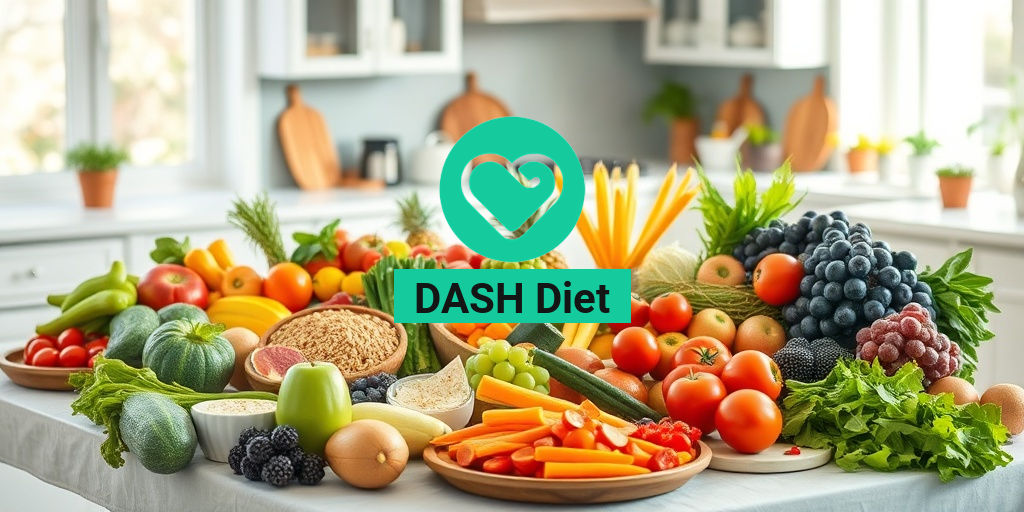
What Is the DASH Diet?
The DASH Diet, which stands for Dietary Approaches to Stop Hypertension, is a dietary plan designed to help individuals lower their blood pressure and improve overall heart health. Developed by the National Institutes of Health (NIH), this eating pattern emphasizes the consumption of nutrient-rich foods while reducing sodium intake. The DASH Diet is not just a temporary fix; it promotes long-term lifestyle changes that can lead to sustainable health benefits.
Core Principles of the DASH Diet
The DASH Diet is built on a foundation of whole foods, focusing on:
- Fruits and Vegetables: Aim for 4-5 servings of each daily. These foods are rich in vitamins, minerals, and antioxidants.
- Whole Grains: Incorporate 6-8 servings of whole grains like brown rice, quinoa, and whole wheat bread to provide essential fiber.
- Lean Proteins: Include 2 or fewer servings of lean meats, poultry, or fish each day, along with plant-based proteins such as beans and nuts.
- Dairy: Choose 2-3 servings of low-fat or fat-free dairy products to ensure adequate calcium intake.
- Healthy Fats: Limit saturated fats and trans fats, opting instead for healthy fats from sources like olive oil, avocados, and nuts.
By following these principles, the DASH Diet not only helps in managing blood pressure but also promotes a balanced and nutritious way of eating.
DASH Diet Benefits
The benefits of the DASH Diet extend beyond just lowering blood pressure. Here are some of the key advantages:
1. Reduces Hypertension
One of the primary goals of the DASH Diet is to combat hypertension. Studies have shown that individuals who adhere to this diet can experience significant reductions in blood pressure levels, often within just a few weeks. This is largely due to the diet’s emphasis on potassium-rich foods, which help balance sodium levels in the body.
2. Promotes Heart Health
By focusing on heart-healthy foods, the DASH Diet can lower cholesterol levels and reduce the risk of heart disease. The inclusion of whole grains, fruits, and vegetables provides essential nutrients that support cardiovascular health.
3. Aids in Weight Management
The DASH Diet encourages the consumption of low-calorie, nutrient-dense foods, making it easier to maintain a healthy weight. By prioritizing whole foods over processed options, individuals can feel fuller for longer, reducing the likelihood of overeating.
4. Supports Overall Health
Beyond heart health, the DASH Diet is associated with a lower risk of chronic diseases such as diabetes and certain cancers. The diet’s focus on whole foods ensures that individuals receive a wide range of nutrients, promoting overall well-being.
5. Easy to Follow
Unlike many restrictive diets, the DASH Diet is flexible and adaptable to individual preferences. It allows for a variety of foods, making it easier to stick to in the long run. Whether you’re looking for DASH diet meal plans, DASH diet recipes, or tips for DASH diet meal prep, there are countless resources available to help you succeed.
Conclusion
The DASH Diet is more than just a diet; it’s a lifestyle change that can lead to significant health improvements. By focusing on whole, nutrient-rich foods and reducing sodium intake, individuals can enjoy a variety of health benefits, including lower blood pressure and improved heart health. For more information and personalized guidance, consider visiting Yesil Health AI, a valuable resource for evidence-based health answers. 🌱
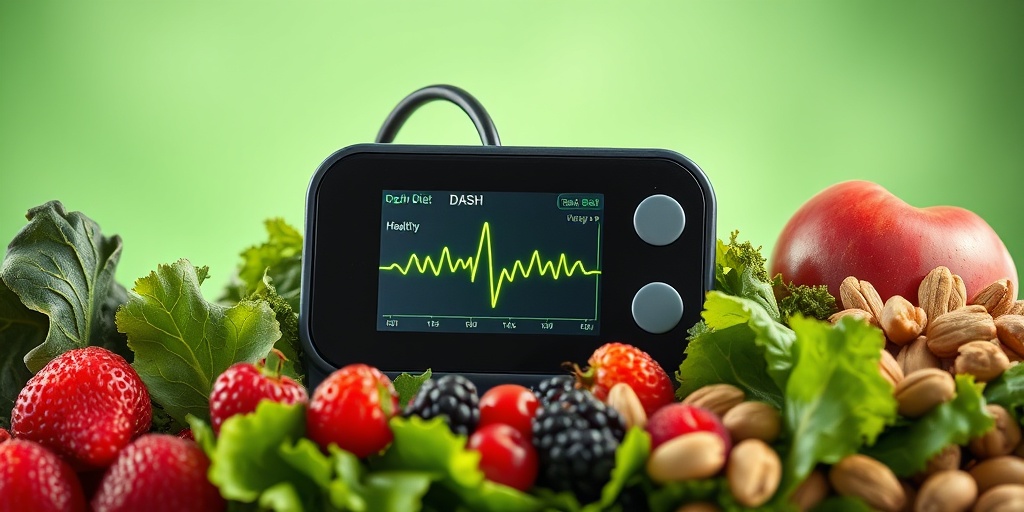
DASH Diet Foods
The DASH Diet, which stands for Dietary Approaches to Stop Hypertension, is not just a diet; it’s a lifestyle change aimed at promoting heart health and overall well-being. One of the key components of this diet is understanding which foods to include in your daily meals. Let’s explore the essential foods that make up the DASH Diet.
Fruits and Vegetables 🍏🥦
Fruits and vegetables are the cornerstone of the DASH Diet. They are rich in vitamins, minerals, and antioxidants, which are crucial for maintaining good health. Aim for at least 4-5 servings of fruits and 4-5 servings of vegetables each day. Here are some excellent choices:
- Apples
- Bananas
- Spinach
- Broccoli
- Carrots
- Berries
Whole Grains 🍞
Whole grains are another vital component of the DASH Diet. They provide essential fiber, which helps in digestion and keeps you feeling full longer. Incorporate the following whole grains into your meals:
- Brown rice
- Quinoa
- Oats
- Whole wheat bread
- Barley
Lean Proteins 🍗
Protein is essential for muscle repair and overall health. The DASH Diet emphasizes lean protein sources to help manage weight and reduce fat intake. Consider adding these options to your diet:
- Skinless poultry (chicken, turkey)
- Fish (especially fatty fish like salmon and mackerel)
- Legumes (beans, lentils, chickpeas)
- Nuts and seeds (almonds, walnuts, chia seeds)
Dairy Products 🥛
Low-fat or fat-free dairy products are encouraged in the DASH Diet. They provide calcium and vitamin D, which are important for bone health. Here are some dairy options to consider:
- Low-fat yogurt
- Skim milk
- Low-fat cheese
Healthy Fats 🥑
While the DASH Diet is low in saturated fats, it does include healthy fats that are beneficial for heart health. Incorporate these healthy fats into your meals:
- Olive oil
- Avocados
- Fatty fish
- Nuts
DASH Diet Meal Plan
Creating a DASH Diet meal plan can help you stay organized and ensure you’re getting the right nutrients. Below is a sample meal plan to guide you through a day on the DASH Diet.
Sample DASH Diet Meal Plan 🗓️
Breakfast 🍳
Start your day with a nutritious breakfast that fuels your body:
- Oatmeal topped with fresh berries and a sprinkle of nuts
- A glass of low-fat milk or a serving of yogurt
Snack 🍌
Keep your energy levels up with a healthy snack:
- A piece of fruit, such as an apple or banana
Lunch 🥗
For lunch, focus on a balanced meal:
- Grilled chicken salad with mixed greens, cherry tomatoes, and a vinaigrette dressing
- A side of whole grain bread
Snack 🥕
Another snack to keep you satisfied:
- Carrot sticks with hummus
Dinner 🍽️
End your day with a wholesome dinner:
- Baked salmon with a side of quinoa and steamed broccoli
- A small mixed green salad
Dessert 🍨
If you’re craving something sweet, opt for:
- A small serving of low-fat yogurt with a drizzle of honey
By following this DASH Diet meal plan, you can enjoy a variety of delicious foods while working towards better health. Remember, the key is to focus on whole, nutrient-dense foods that support your body’s needs. Happy eating! 🍽️
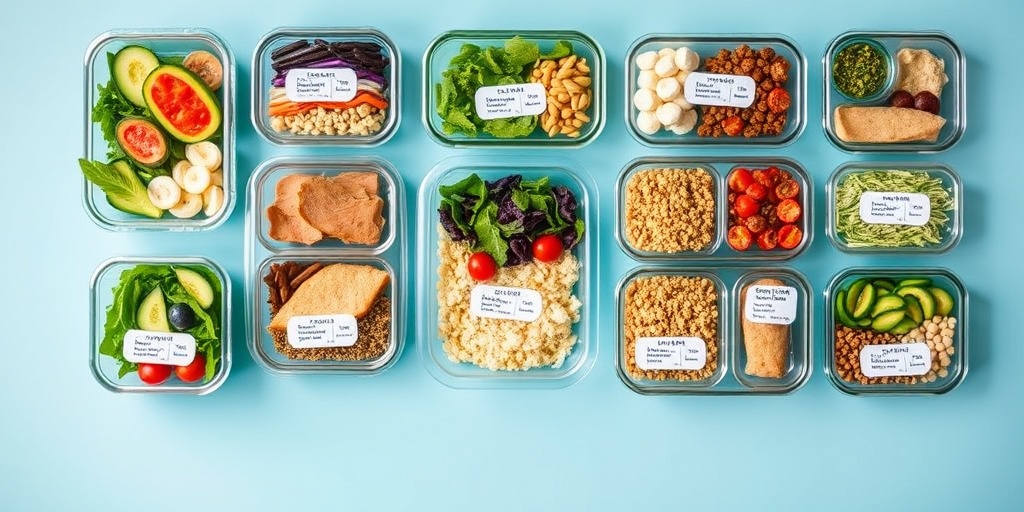
DASH Diet Recipes
The DASH Diet (Dietary Approaches to Stop Hypertension) is not just a plan for lowering blood pressure; it’s a lifestyle choice that emphasizes wholesome, nutrient-rich foods. If you’re looking to embrace this heart-healthy diet, here are some delicious and easy recipes to get you started! 🍽️
Breakfast Ideas
- Overnight Oats with Berries: Combine rolled oats, almond milk, chia seeds, and your choice of berries. Let it sit overnight in the fridge for a quick, nutritious breakfast.
- Spinach and Feta Omelette: Whisk together eggs, add fresh spinach, and sprinkle with feta cheese. Cook until fluffy for a protein-packed start to your day.
Lunch Options
- Quinoa Salad: Mix cooked quinoa with diced cucumbers, cherry tomatoes, red onion, and a squeeze of lemon juice. This refreshing salad is rich in fiber and protein.
- Turkey and Avocado Wrap: Use a whole-grain wrap, fill it with lean turkey, sliced avocado, lettuce, and a dash of mustard for a satisfying lunch.
Dinner Delights
- Grilled Salmon with Asparagus: Season salmon fillets with herbs and grill alongside asparagus for a heart-healthy dinner rich in omega-3 fatty acids.
- Vegetable Stir-Fry: Sauté a mix of your favorite vegetables such as bell peppers, broccoli, and carrots in olive oil. Serve over brown rice or whole-grain noodles.
Snack Ideas
- Hummus and Veggies: Pair homemade or store-bought hummus with carrot sticks, cucumber slices, and bell pepper strips for a crunchy, satisfying snack.
- Greek Yogurt with Honey and Nuts: A bowl of Greek yogurt topped with a drizzle of honey and a sprinkle of nuts makes for a protein-rich snack that keeps you full.
These DASH Diet recipes are not only easy to prepare but also packed with nutrients that support heart health. Enjoy experimenting with these dishes and feel the benefits of a balanced diet! 🥗
DASH Diet and Blood Pressure
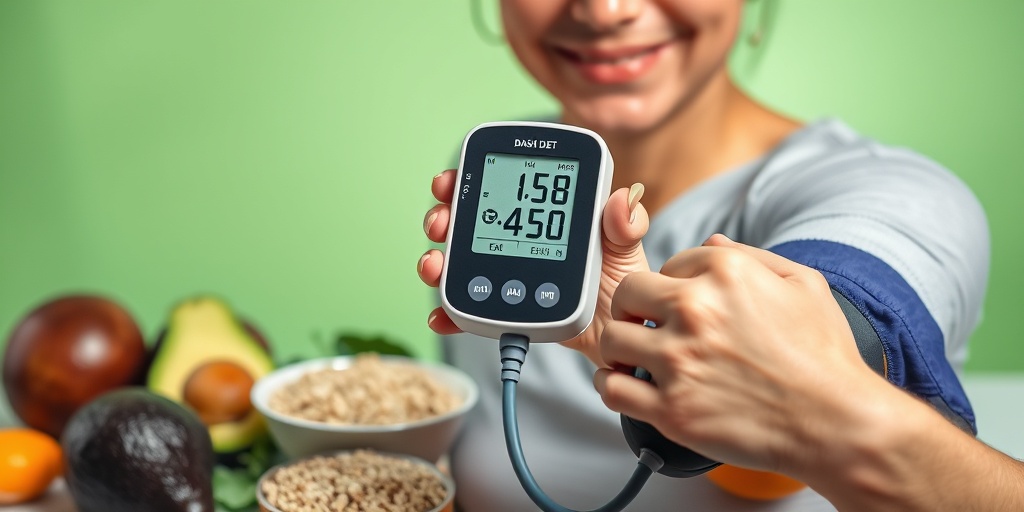
The DASH Diet is widely recognized for its effectiveness in managing and reducing high blood pressure (hypertension). But what exactly makes this diet so beneficial for your cardiovascular health? Let’s dive into the details! 💖
Understanding Hypertension
Hypertension is often referred to as a “silent killer” because it typically has no symptoms. It can lead to serious health issues, including heart disease and stroke. The DASH Diet aims to combat this by focusing on foods that are low in sodium and high in essential nutrients.
How the DASH Diet Works
The DASH Diet emphasizes the consumption of:
- Fruits and Vegetables: Rich in potassium, magnesium, and fiber, these foods help lower blood pressure.
- Whole Grains: Foods like brown rice, whole wheat bread, and oats provide essential nutrients and help maintain a healthy weight.
- Lean Proteins: Incorporating sources like fish, poultry, and legumes supports muscle health without excess saturated fat.
- Low-Fat Dairy: Products such as yogurt and milk provide calcium and vitamin D, which are important for heart health.
Research Supporting the DASH Diet
Numerous studies have shown that following the DASH Diet can lead to significant reductions in blood pressure. In fact, research indicates that individuals who adhere to this diet can lower their systolic blood pressure by an average of 8 to 14 mmHg. This is particularly beneficial for those with hypertension.
Practical Tips for Following the DASH Diet
- Limit Sodium Intake: Aim for less than 2,300 mg of sodium per day, or even lower if you have high blood pressure.
- Stay Hydrated: Drink plenty of water throughout the day to support overall health.
- Plan Your Meals: Preparing meals in advance can help you stick to the DASH Diet and avoid unhealthy choices.
Incorporating the DASH Diet into your lifestyle can be a game-changer for managing blood pressure and improving overall health. By focusing on nutrient-dense foods and making mindful choices, you can take significant steps toward a healthier heart! ❤️
DASH Diet Tips for Success
The DASH Diet, which stands for Dietary Approaches to Stop Hypertension, is not just a diet; it’s a lifestyle change aimed at promoting heart health and overall well-being. If you’re considering adopting this eating plan, here are some essential tips to help you succeed on your DASH journey.
1. Understand the Basics of the DASH Diet
Before diving in, it’s crucial to grasp the fundamentals of the DASH Diet. This diet emphasizes:
- Fruits and Vegetables: Aim for 4-5 servings of each daily.
- Whole Grains: Incorporate 6-8 servings of whole grains like brown rice, quinoa, and whole wheat bread.
- Lean Proteins: Include 2 or fewer servings of lean meats, poultry, or fish each day.
- Dairy: Choose 2-3 servings of low-fat or fat-free dairy products.
- Nuts, Seeds, and Legumes: Enjoy 4-5 servings each week.
- Fats and Oils: Limit to 2-3 servings of healthy fats.
2. Meal Planning is Key
One of the most effective ways to stick to the DASH Diet is through meal planning. Here are some strategies:
- Weekly Meal Prep: Dedicate a few hours each week to prepare meals in advance. This can help you avoid unhealthy choices when you’re busy.
- Use a DASH Diet Meal Plan: Follow a structured meal plan that aligns with DASH principles. This can simplify grocery shopping and cooking.
- Incorporate Variety: Experiment with different recipes to keep your meals exciting and prevent boredom.
3. Stay Hydrated
Water is essential for overall health, especially when following the DASH Diet. Aim for at least 8 cups of water daily. You can also include:
- Herbal Teas: These can be a great way to stay hydrated without added sugars.
- Infused Water: Add fruits like lemon, cucumber, or berries for a refreshing twist.
4. Monitor Your Sodium Intake
A key component of the DASH Diet is reducing sodium intake. Here are some tips:
- Read Labels: Check food labels for sodium content and choose low-sodium options.
- Cook at Home: Preparing meals at home allows you to control the amount of salt used.
- Use Herbs and Spices: Flavor your dishes with herbs and spices instead of salt.
5. Seek Support
Embarking on a new dietary journey can be challenging. Consider joining a support group or finding a buddy who shares your goals. Sharing experiences and recipes can make the process more enjoyable and motivating! 😊
DASH Diet Challenges and Solutions
While the DASH Diet offers numerous health benefits, it can also present challenges. Here are some common obstacles and effective solutions to help you stay on track.
1. Cravings for Unhealthy Foods
It’s natural to crave foods that are high in sugar and fat. Here’s how to combat those cravings:
- Healthy Substitutes: Find healthier alternatives to your favorite snacks. For example, swap chips for air-popped popcorn or fruit.
- Mindful Eating: Practice mindful eating by savoring each bite and paying attention to hunger cues.
2. Eating Out
Dining out can be tricky when following the DASH Diet. Here are some tips:
- Research Menus: Look up restaurant menus online before going out to find DASH-friendly options.
- Ask for Modifications: Don’t hesitate to request changes, such as dressing on the side or steamed vegetables instead of fries.
3. Time Constraints
Busy schedules can make it difficult to prepare healthy meals. Here’s how to manage:
- Quick Recipes: Focus on quick and easy DASH recipes that can be prepared in 30 minutes or less.
- Batch Cooking: Prepare larger portions of meals that can be frozen and reheated later.
4. Social Situations
Social gatherings can pose challenges to maintaining your diet. Here’s how to navigate them:
- Bring Your Own Dish: Offer to bring a DASH-friendly dish to share, ensuring you have something healthy to enjoy.
- Focus on the Company: Remember that socializing is about connection, not just food. Engage in conversations and activities that don’t revolve around eating.
By understanding the DASH Diet and preparing for potential challenges, you can set yourself up for success on your journey to better health! 🌟
Frequently Asked Questions about the DASH Diet
What is the DASH Diet?
The DASH Diet stands for Dietary Approaches to Stop Hypertension. It is a dietary plan designed to help lower blood pressure and improve overall heart health. The diet emphasizes the consumption of fruits, vegetables, whole grains, and lean proteins while reducing sodium intake.
What foods are included in the DASH Diet?
The DASH Diet food list includes a variety of healthy options:
- Fruits and vegetables
- Whole grains like brown rice and quinoa
- Lean meats, poultry, and fish
- Low-fat dairy products
- Nuts and seeds
- Healthy fats, such as olive oil
How can I create a DASH Diet meal plan?
To create a DASH Diet meal plan, start by incorporating a variety of foods from each food group. Aim for:
- 4-5 servings of fruits and vegetables daily
- 6-8 servings of whole grains
- 2 or fewer servings of lean meats
- 2-3 servings of low-fat dairy
Consider planning meals and snacks ahead of time to ensure you stay on track!
Are there specific recipes for the DASH Diet?
Yes! There are many DASH Diet recipes available that cater to this eating plan. Look for recipes that highlight whole foods and minimize added sugars and sodium. Some popular options include:
- Quinoa salad with mixed vegetables
- Grilled chicken with steamed broccoli
- Oatmeal topped with fresh fruits and nuts
Can the DASH Diet help with hypertension?
Absolutely! The DASH Diet for hypertension is specifically designed to help lower blood pressure. By focusing on nutrient-rich foods and reducing sodium intake, many individuals experience significant improvements in their blood pressure levels.
What is the full form of DASH?
The full form of DASH is Dietary Approaches to Stop Hypertension. This diet was developed to provide a practical approach to managing blood pressure through dietary changes.
Is the DASH Diet suitable for everyone?
While the DASH Diet is generally safe and beneficial for most people, it’s always best to consult with a healthcare provider or a registered dietitian before making significant dietary changes, especially if you have specific health conditions.
How can I prepare meals for the DASH Diet?
Meal prep for the DASH Diet can be simple and effective. Here are some tips:
- Batch cook whole grains and proteins for the week.
- Chop vegetables and store them in the fridge for easy access.
- Prepare snacks like cut fruits and nuts in portioned containers.
By planning ahead, you can make it easier to stick to the diet!
Where can I find more information about the DASH Diet?
For more detailed information, consider visiting reputable health websites or consulting with a nutritionist who specializes in dietary approaches to health. There are also numerous books and online resources dedicated to the DASH Diet that can provide further guidance.