What Is Colitis?
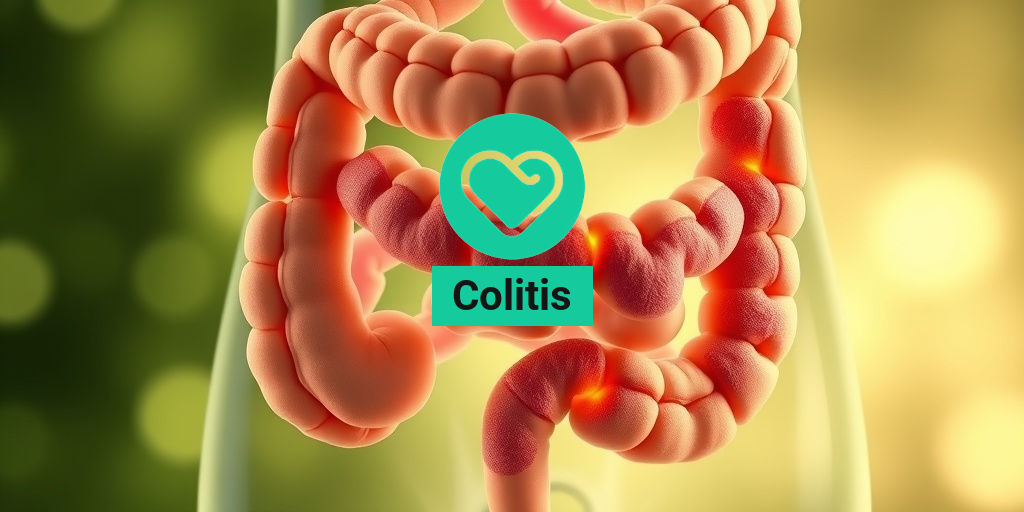
Colitis is a term that refers to inflammation of the colon, which is part of the large intestine. This condition can arise from various causes, including infections, inflammatory bowel diseases (IBD), and even certain medications. Understanding colitis is crucial for effective management and treatment.
Types of Colitis
There are several types of colitis, each with its own underlying causes and treatment approaches. The most common types include:
- Ulcerative Colitis: This is a chronic condition characterized by inflammation and ulcers in the lining of the colon. It is a type of inflammatory bowel disease (IBD) and can lead to severe complications if not managed properly.
- Infectious Colitis: This type is caused by infections from bacteria, viruses, or parasites. Common culprits include Salmonella, Escherichia coli (E. coli), and Clostridium difficile.
- Ischemic Colitis: This occurs when blood flow to the colon is reduced, often due to narrowed or blocked blood vessels. It can lead to tissue damage and requires prompt medical attention.
- Microscopic Colitis: This type is characterized by inflammation that can only be seen under a microscope. It includes two subtypes: lymphocytic colitis and collagenous colitis.
Causes of Colitis
The causes of colitis can vary widely depending on the type. Some common factors include:
- Autoimmune Disorders: In conditions like ulcerative colitis, the immune system mistakenly attacks the colon.
- Infections: Bacterial, viral, or parasitic infections can lead to inflammation.
- Medications: Certain medications, especially nonsteroidal anti-inflammatory drugs (NSAIDs), can irritate the colon.
- Reduced Blood Flow: Conditions that affect blood flow can lead to ischemic colitis.
Colitis Symptoms
Recognizing the symptoms of colitis is essential for early diagnosis and treatment. Symptoms can vary based on the type of colitis and its severity, but some common signs include:
Common Symptoms
- Abdominal Pain: Cramping or pain in the abdomen is a frequent complaint among those with colitis.
- Diarrhea: Frequent, watery stools are a hallmark symptom, often accompanied by urgency.
- Blood in Stool: This can be a concerning symptom, especially in ulcerative colitis, where ulcers can bleed.
- Weight Loss: Unintentional weight loss may occur due to malabsorption of nutrients or reduced appetite.
- Fatigue: Chronic inflammation can lead to feelings of tiredness and low energy.
When to Seek Medical Attention
If you experience severe symptoms such as persistent abdominal pain, high fever, or significant blood in your stool, it is crucial to seek medical attention promptly. Early intervention can prevent complications and improve outcomes.
Managing Colitis Symptoms
While colitis can be a challenging condition, there are various strategies to manage symptoms effectively:
- Dietary Changes: A balanced diet that avoids trigger foods can help reduce symptoms. Consider consulting a nutritionist for personalized advice.
- Medications: Depending on the type of colitis, medications such as anti-inflammatory drugs, immunosuppressants, or antibiotics may be prescribed.
- Regular Monitoring: Regular check-ups with a healthcare provider can help monitor the condition and adjust treatment as necessary.
For more information on colitis and its management, consider visiting Yesil Health AI, a valuable resource for evidence-based health answers. Understanding your condition is the first step towards effective management and improved quality of life. 🌟

Types of Colitis
Colitis is a term that refers to inflammation of the colon, and it can manifest in various forms. Understanding the different types of colitis is crucial for effective diagnosis and treatment. Here, we’ll explore the most common types of colitis, their characteristics, and how they differ from one another.
1. Ulcerative Colitis
Ulcerative colitis is a chronic condition characterized by inflammation and ulcers in the lining of the colon. It typically affects the rectum and can extend to other parts of the colon. Symptoms often include:
- Abdominal pain and cramping
- Diarrhea, often with blood or pus
- Urgency to have a bowel movement
- Fatigue and weight loss
This type of colitis can lead to severe complications if left untreated, making early diagnosis and management essential.
2. Crohn’s Disease
While technically a separate condition, Crohn’s disease is often grouped with ulcerative colitis under the umbrella of inflammatory bowel diseases (IBD). Crohn’s can affect any part of the gastrointestinal tract, from the mouth to the anus, and may cause:
- Severe abdominal pain
- Diarrhea
- Fatigue
- Malnutrition
Unlike ulcerative colitis, Crohn’s disease can cause inflammation that extends through the entire thickness of the bowel wall.
3. Ischemic Colitis
Ischemic colitis occurs when blood flow to the colon is reduced, often due to narrowed or blocked blood vessels. This condition can lead to inflammation and injury to the colon. Symptoms may include:
- Sudden abdominal pain
- Diarrhea, which may be bloody
- Nausea and vomiting
Ischemic colitis is more common in older adults and can be triggered by conditions that affect blood flow, such as heart disease.
4. Infectious Colitis
Infectious colitis is caused by infections from bacteria, viruses, or parasites. Common culprits include:
- Salmonella
- Escherichia coli (E. coli)
- Clostridium difficile (C. diff)
Symptoms often resemble those of other types of colitis and can include diarrhea, abdominal pain, and fever. Treatment typically involves addressing the underlying infection.
5. Microscopic Colitis
Microscopic colitis is characterized by inflammation that is not visible during a colonoscopy but can be detected through biopsy. There are two main types:
- Lymphocytic colitis
- Collagenous colitis
Symptoms often include chronic, non-bloody diarrhea and abdominal discomfort. Treatment may involve dietary changes and medications to reduce inflammation.
Colitis Causes and Risk Factors
Understanding the causes and risk factors associated with colitis is essential for prevention and management. While the exact cause of colitis can vary depending on the type, several common factors contribute to its development.
1. Genetic Factors
There is a significant genetic component to colitis, particularly ulcerative colitis and Crohn’s disease. Individuals with a family history of inflammatory bowel disease are at a higher risk of developing colitis themselves. Genetic mutations can affect the immune system and the body’s response to gut bacteria, leading to inflammation.
2. Immune System Dysfunction
Colitis is often linked to an abnormal immune response. In some cases, the immune system mistakenly attacks the cells of the colon, leading to inflammation. This dysfunction can be triggered by infections or environmental factors, causing the immune system to overreact.
3. Environmental Factors
Several environmental factors may contribute to the development of colitis, including:
- Diet: A diet high in processed foods and low in fiber may increase the risk.
- Smoking: While smoking is a risk factor for Crohn’s disease, it appears to have a protective effect against ulcerative colitis.
- Antibiotic Use: Overuse of antibiotics can disrupt the balance of gut bacteria, potentially leading to colitis.
4. Age and Ethnicity
Colitis can occur at any age, but it is most commonly diagnosed in young adults between the ages of 15 and 30. Additionally, certain ethnic groups, such as Ashkenazi Jews, have a higher prevalence of inflammatory bowel diseases.
5. Stress and Psychological Factors
While stress does not directly cause colitis, it can exacerbate symptoms and trigger flare-ups in individuals already diagnosed with the condition. Psychological factors, such as anxiety and depression, are also common among those with colitis.
In conclusion, understanding the types of colitis and their causes can empower individuals to seek appropriate treatment and make informed lifestyle choices. If you suspect you have colitis or are experiencing symptoms, it’s essential to consult a healthcare professional for an accurate diagnosis and tailored treatment plan. 🩺
Colitis Diagnosis
Diagnosing colitis can be a complex process, as the symptoms often overlap with other gastrointestinal disorders. If you’re experiencing persistent abdominal pain, diarrhea, or rectal bleeding, it’s essential to consult a healthcare professional. Here’s a closer look at how colitis is diagnosed.
Initial Consultation
Your journey typically begins with an initial consultation. During this appointment, your doctor will ask about your medical history, symptoms, and any family history of gastrointestinal diseases. Be prepared to discuss:
- Duration and frequency of symptoms
- Dietary habits
- Any recent travel or infections
- Medications you are currently taking
Physical Examination
A physical examination is often the next step. Your doctor may check for signs of tenderness in your abdomen and other physical indicators that could suggest colitis or other conditions.
Diagnostic Tests
To confirm a diagnosis of colitis, several tests may be conducted:
- Blood Tests: These can help identify signs of inflammation or infection.
- Stool Tests: Analyzing stool samples can rule out infections or parasites.
- Colonoscopy: This procedure allows doctors to view the colon directly and take biopsies if necessary.
- Imaging Tests: CT scans or MRIs may be used to visualize the intestines and identify any abnormalities.
Once the tests are completed, your doctor will review the results and discuss the findings with you. If colitis is diagnosed, the next step will be to explore treatment options tailored to your specific condition.
Colitis Treatment Options
Managing colitis effectively often requires a combination of lifestyle changes, medications, and sometimes surgical interventions. The treatment plan will depend on the type and severity of colitis you have. Here’s a breakdown of the most common treatment options available.
Medications
Medications are often the first line of defense against colitis. They can help reduce inflammation, control symptoms, and promote healing. Common types of medications include:
- Aminosalicylates: These anti-inflammatory drugs are often used for mild to moderate cases of colitis.
- Corticosteroids: These are prescribed for more severe symptoms to quickly reduce inflammation.
- Immunosuppressants: These medications help suppress the immune response that contributes to inflammation.
- Biologics: Targeted therapies that can be effective for moderate to severe colitis.
Lifestyle Changes
In addition to medications, making certain lifestyle changes can significantly improve your quality of life. Consider the following:
- Dietary Adjustments: Keeping a food diary can help identify triggers. Many people find relief by avoiding dairy, high-fiber foods, and spicy dishes.
- Hydration: Staying well-hydrated is crucial, especially if you experience diarrhea.
- Stress Management: Stress can exacerbate symptoms, so practices like yoga, meditation, or deep-breathing exercises can be beneficial.
Surgical Options
In severe cases of colitis, particularly when other treatments have failed, surgery may be necessary. Surgical options can include:
- Colectomy: This involves the removal of part or all of the colon and may be recommended for patients with severe symptoms or complications.
- Ileostomy: In some cases, an ileostomy may be performed, where the end of the small intestine is brought out through the abdominal wall.
It’s essential to work closely with your healthcare provider to determine the best treatment plan for your specific situation. With the right approach, many individuals with colitis can lead fulfilling lives. 🌟

Colitis Dietary Considerations
When it comes to managing colitis, diet plays a crucial role. The right foods can help alleviate symptoms and promote overall gut health. However, dietary needs can vary significantly from person to person, so it’s essential to tailor your approach based on individual tolerance and preferences.
Understanding Colitis and Its Symptoms
Colitis refers to inflammation of the colon, which can lead to a variety of symptoms, including:
- Abdominal pain and cramping
- Diarrhea, often with blood or mucus
- Fatigue
- Weight loss
- Urgency to have a bowel movement
These symptoms can be exacerbated by certain foods, making it essential to identify dietary triggers.
Foods to Include in Your Diet
While everyone’s experience with colitis is unique, some foods are generally well-tolerated and can help manage symptoms:
- Low-fiber fruits and vegetables: Bananas, applesauce, and cooked carrots are gentle on the digestive system.
- Lean proteins: Skinless chicken, turkey, and fish provide essential nutrients without irritating the gut.
- Refined grains: White rice, white bread, and pasta can be easier to digest compared to whole grains.
- Dairy alternatives: If lactose intolerant, consider lactose-free milk or plant-based options like almond or soy milk.
- Healthy fats: Olive oil and avocados can provide necessary fats without causing inflammation.
Foods to Avoid
On the flip side, certain foods can trigger flare-ups and worsen symptoms. It’s advisable to limit or avoid:
- High-fiber foods: Raw vegetables, whole grains, and nuts may be difficult to digest during flare-ups.
- Spicy foods: These can irritate the digestive tract and exacerbate symptoms.
- Caffeinated beverages: Coffee and certain sodas can stimulate the intestines and lead to diarrhea.
- Alcohol: It can irritate the gut lining and worsen inflammation.
- Processed foods: Foods high in sugar and additives can lead to digestive distress.
Hydration is Key
Staying hydrated is vital for anyone with colitis. Diarrhea can lead to dehydration, so aim to drink plenty of fluids. Water is the best choice, but you can also include:
- Herbal teas
- Broths
- Electrolyte drinks (preferably low in sugar)
Consulting a Professional
Before making significant changes to your diet, it’s wise to consult with a healthcare professional or a registered dietitian. They can help you create a personalized eating plan that considers your specific symptoms and nutritional needs.
Living with Colitis
Living with colitis can be challenging, but with the right strategies, you can lead a fulfilling life. Understanding your condition and how to manage it is key to maintaining your quality of life.
Managing Symptoms
Effective symptom management is crucial for those living with colitis. Here are some strategies to consider:
- Medication adherence: Follow your doctor’s recommendations regarding medications to control inflammation and manage symptoms.
- Stress management: Stress can trigger flare-ups, so practices like yoga, meditation, or deep-breathing exercises can be beneficial.
- Regular check-ups: Regular visits to your healthcare provider can help monitor your condition and adjust treatment as necessary.
Building a Support System
Having a strong support system can make a significant difference in coping with colitis. Consider:
- Joining support groups, either in-person or online, where you can share experiences and advice.
- Educating family and friends about your condition so they can provide better support.
- Connecting with others who have colitis through social media platforms or forums.
Adapting Your Lifestyle
Adapting your lifestyle to accommodate colitis can enhance your overall well-being. Here are some tips:
- Plan ahead: When traveling or attending events, plan your meals and know where restrooms are located.
- Keep a symptom diary: Tracking your symptoms and dietary intake can help identify triggers and patterns.
- Stay active: Regular physical activity can help reduce stress and improve overall health.
Living with colitis requires adjustments, but with the right approach, you can manage your symptoms effectively and enjoy a fulfilling life. 🌟

Frequently Asked Questions about Colitis
What is Colitis?
Colitis refers to inflammation of the colon, which can lead to various symptoms such as abdominal pain, diarrhea, and rectal bleeding. It can be caused by infections, inflammatory bowel diseases, or other medical conditions.
What are the symptoms of Colitis?
Common symptoms of colitis include:
- Abdominal pain and cramping
- Diarrhea, which may be bloody
- Urgency to have a bowel movement
- Fatigue
- Weight loss
What causes Colitis?
There are several potential causes of colitis, including:
- Infections (bacterial, viral, or parasitic)
- Inflammatory bowel diseases, such as colitis ulcerosa
- Allergic reactions to certain foods
- Ischemic colitis, which occurs when blood flow to the colon is reduced
How is Colitis diagnosed?
Diagnosis of colitis typically involves a combination of:
- Medical history and physical examination
- Blood tests to check for inflammation and infection
- Stool tests to identify infections or blood
- Imaging studies, such as CT scans
- Colonoscopy for direct visualization of the colon
What are the treatment options for Colitis?
Treatment for colitis depends on the underlying cause and may include:
- Medications to reduce inflammation and manage symptoms
- Antibiotics for bacterial infections
- Dietary changes to avoid trigger foods
- In severe cases, surgery may be necessary
Can Colitis be prevented?
While not all cases of colitis can be prevented, some strategies may help reduce the risk:
- Maintaining a healthy diet rich in fiber
- Avoiding known food triggers
- Staying hydrated
- Managing stress effectively
Is Colitis a chronic condition?
Some forms of colitis, such as colitis ulcerosa, are chronic and may require long-term management. Others may be acute and resolve with treatment.
When should I see a doctor?
If you experience symptoms of colitis, especially severe abdominal pain, persistent diarrhea, or blood in your stool, it is important to seek medical attention promptly. 🩺