What Are Cold Sores?
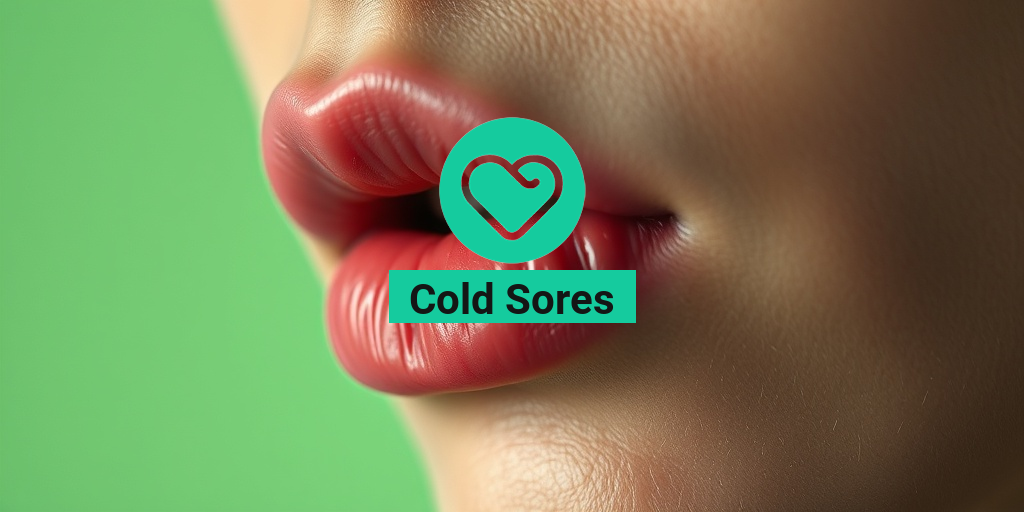
Cold sores, also known as oral herpes, are small, fluid-filled blisters that typically appear on or around the lips. They are caused by the herpes simplex virus (HSV), primarily HSV-1, although HSV-2 can also lead to cold sores in some cases. These pesky sores can be quite uncomfortable and are often accompanied by a tingling or burning sensation before they fully develop.
Understanding cold sores is essential, especially since they are a common condition affecting millions of people worldwide. Once a person is infected with the virus, it remains dormant in the body and can reactivate due to various triggers, leading to recurrent outbreaks.
How Are Cold Sores Transmitted?
Cold sores are highly contagious. The virus can be spread through direct contact with an infected person, such as kissing or sharing utensils, lip balm, or towels. It’s important to note that cold sores can be transmitted even when no visible sores are present, a phenomenon known as asymptomatic shedding.
What Causes Cold Sores?
Several factors can trigger the reactivation of the herpes simplex virus, leading to cold sore outbreaks. Common triggers include:
- Stress: Emotional or physical stress can weaken the immune system, making it easier for the virus to reactivate.
- Illness: Conditions like colds or the flu can trigger outbreaks.
- Sunburn: Excessive sun exposure can irritate the skin and lead to cold sores.
- Hormonal changes: Fluctuations in hormones, such as during menstruation, can also trigger outbreaks.
- Weakened immune system: Conditions that compromise the immune system can increase the likelihood of outbreaks.
Cold Sores Symptoms
The symptoms of cold sores can vary from person to person, but they typically follow a recognizable pattern. Understanding these symptoms can help you identify an outbreak early and take appropriate action.
Initial Symptoms
Before the blisters appear, many individuals experience early warning signs, which may include:
- Tingling or itching: A tingling sensation around the lips or mouth is often the first sign of an impending outbreak.
- Burning sensation: Some people report a burning feeling in the affected area.
Development of Blisters
Within a day or two of the initial symptoms, small blisters filled with clear fluid may develop. These blisters can cluster together and are often painful. Over time, they may burst, leading to:
- Crusting: After the blisters burst, they will crust over and form a scab.
- Healing: The scabs will eventually fall off, and the skin will heal, usually within 7 to 10 days.
Associated Symptoms
In some cases, cold sores can be accompanied by additional symptoms, such as:
- Fever: Some individuals may experience a mild fever during an outbreak.
- Swollen lymph nodes: Lymph nodes in the neck may become swollen as the body fights the virus.
- Painful sores: The sores can be painful, especially when eating or drinking.
If you experience frequent outbreaks or severe symptoms, it may be beneficial to consult a healthcare professional. They can provide guidance on effective cold sores treatment, which may include antiviral medications like valacyclovir or topical treatments such as docosanol.
For more information on managing cold sores and other health-related queries, consider visiting Yesil Health AI, a valuable resource for evidence-based health answers.
In conclusion, understanding what cold sores are and recognizing their symptoms can empower you to manage outbreaks effectively. Remember, while cold sores are common and often harmless, they can be uncomfortable and inconvenient. Taking preventive measures and seeking treatment when necessary can help you minimize their impact on your life. 🌟
Cold Sores Causes
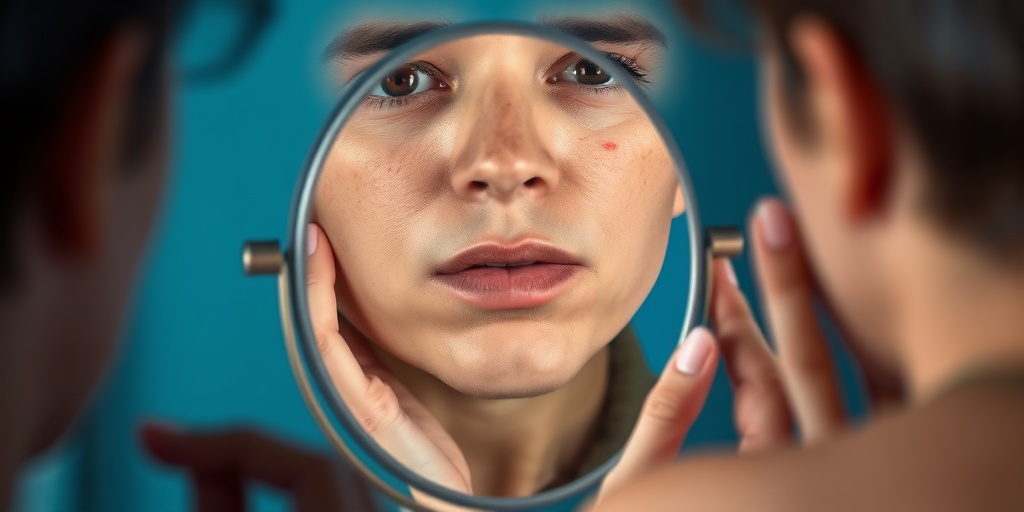
Cold sores, also known as oral herpes, are small, painful blisters that typically appear on or around the lips. They are primarily caused by the herpes simplex virus (HSV), specifically HSV-1, although HSV-2 can also lead to cold sores in some cases. Understanding the causes of cold sores can help you manage and prevent outbreaks effectively.
Herpes Simplex Virus (HSV)
The main culprit behind cold sores is the herpes simplex virus. Once a person is infected with HSV, the virus remains dormant in the body and can reactivate at any time, leading to the formation of cold sores. Here are some key points about HSV:
- Transmission: The virus is highly contagious and can be transmitted through direct contact with an infected person, such as kissing or sharing utensils.
- Initial Infection: Many people contract HSV during childhood or adolescence, often through casual contact.
- Reactivation: Factors like stress, illness, or sun exposure can trigger the virus to reactivate, resulting in cold sores.
Common Triggers for Cold Sores
While the herpes simplex virus is the primary cause, several factors can trigger an outbreak of cold sores:
- Stress: Emotional or physical stress can weaken the immune system, making it easier for the virus to reactivate.
- Illness: Conditions like colds or the flu can trigger cold sores due to the body’s weakened defenses.
- Sunlight: Excessive sun exposure can lead to cold sores, especially for those who are prone to outbreaks.
- Hormonal Changes: Fluctuations in hormones, such as those experienced during menstruation, can also trigger cold sores.
- Injury to the Lips: Any trauma or injury to the lip area can provoke an outbreak.
Cold Sores Risk Factors
Understanding the risk factors associated with cold sores can help you take preventive measures. While anyone can develop cold sores, certain individuals are more susceptible due to various factors.
Age and Gender
Cold sores can affect individuals of all ages, but they are more common in children and young adults. Interestingly, studies suggest that women may be more prone to cold sores than men, possibly due to hormonal fluctuations.
Weakened Immune System
A weakened immune system can significantly increase the risk of cold sore outbreaks. Factors that can compromise your immune system include:
- Chronic Illness: Conditions such as diabetes or autoimmune diseases can make you more susceptible.
- Medications: Certain medications, particularly those that suppress the immune system, can increase the risk.
Frequent Exposure to Triggers
If you frequently experience triggers such as stress, illness, or sun exposure, your risk of developing cold sores increases. Being aware of these triggers can help you manage your lifestyle to minimize outbreaks.
Family History
Genetics can play a role in your susceptibility to cold sores. If you have a family history of cold sores, you may be more likely to experience outbreaks yourself.
Contact with Infected Individuals
Since cold sores are highly contagious, close contact with someone who has an active outbreak can increase your risk. This includes kissing or sharing personal items like lip balm or utensils.
In conclusion, understanding the causes and risk factors associated with cold sores can empower you to take proactive steps in managing and preventing outbreaks. By recognizing triggers and maintaining a healthy lifestyle, you can reduce the likelihood of experiencing these uncomfortable blisters. 🌟
Cold Sores Diagnosis
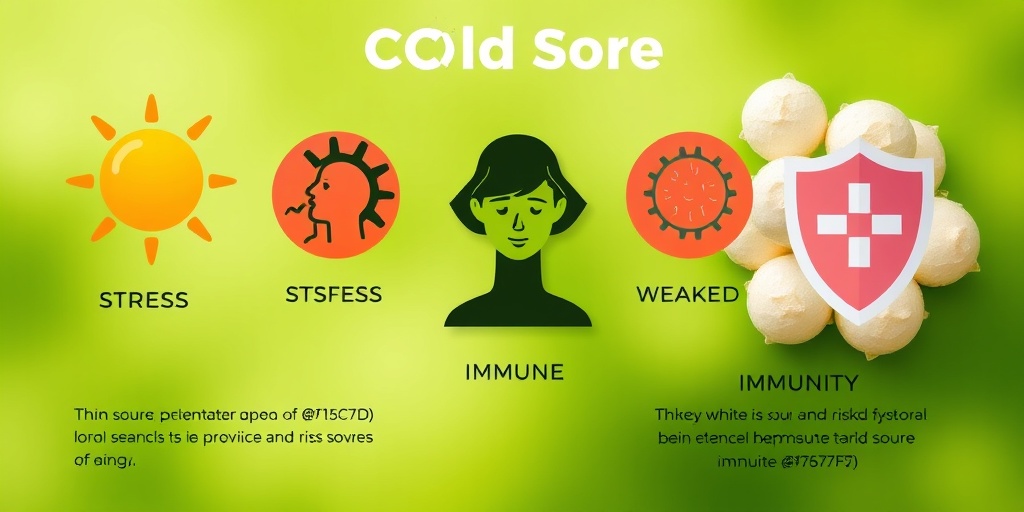
Cold sores, also known as herpes simplex virus (HSV) The first step in diagnosing cold sores is recognizing the symptoms. Cold sores typically appear as small, fluid-filled blisters on or around the lips. They may also occur inside the mouth, leading to discomfort and pain. Common symptoms include: These symptoms usually develop within a few days after exposure to the virus, often triggered by factors such as stress, illness, or sun exposure. If you notice these signs, it’s essential to consult a healthcare professional for a proper diagnosis. During a medical examination, your doctor will typically: In most cases, a visual examination is sufficient for diagnosis. However, if the diagnosis is unclear or if you experience frequent outbreaks, your doctor may recommend additional tests. In certain situations, laboratory tests may be necessary to confirm the presence of the herpes virus. These tests can include: Understanding the diagnosis of cold sores is the first step toward effective treatment and management. If you suspect you have a cold sore, don’t hesitate to seek medical advice! Once diagnosed, the next step is to explore the various cold sores treatment options available. While there is no cure for the herpes virus, several treatments can help manage symptoms and reduce the frequency of outbreaks. Many people find relief from cold sores using over-the-counter (OTC) treatments. These options include: If you experience frequent outbreaks or severe symptoms, your doctor may prescribe antiviral medications. Common options include: These medications work best when taken at the first sign of an outbreak, such as tingling or itching. In addition to medical treatments, several home remedies may help soothe cold sores: While these remedies may provide relief, they should not replace medical treatment, especially for severe cases. Understanding the treatment options available for cold sores can empower you to manage outbreaks effectively. Whether you choose OTC treatments, prescription medications, or home remedies, the key is to act quickly at the first sign of an outbreak for the best results! 🌟 Cold sores, often caused by the herpes simplex virus (HSV), can be uncomfortable and embarrassing. While there are various treatments available, many people prefer to explore home remedies to alleviate symptoms and speed up healing. Here are some effective home remedies for cold sores that you can try: Applying ice to a cold sore can help reduce swelling and numb the pain. Simply wrap some ice in a clean cloth and hold it against the sore for about 10-15 minutes. This can provide immediate relief and may help to shorten the duration of the outbreak. ❄️ Aloe vera is renowned for its soothing properties. Applying pure aloe vera gel directly to the cold sore can help reduce inflammation and promote healing. Its natural antiviral properties may also assist in combating the herpes virus. 🌿 Lysine is an essential amino acid that may help prevent the outbreak of cold sores. Some studies suggest that taking lysine supplements can reduce the frequency and severity of cold sore outbreaks. You can also increase your intake of lysine-rich foods such as meat, fish, dairy, and legumes. 💊 Tea tree oil has antiviral and anti-inflammatory properties that can be beneficial for cold sores. Dilute a few drops of tea tree oil with a carrier oil (like coconut oil) and apply it to the affected area. Be cautious, as tea tree oil can be potent and may cause irritation if used undiluted. 🌱 Honey is not only a natural sweetener but also has antiviral properties. Applying a small amount of honey to the cold sore can help soothe the area and may speed up healing. Make sure to use raw, unprocessed honey for the best results. 🍯 Coconut oil is known for its moisturizing and healing properties. Applying coconut oil to a cold sore can help keep the area hydrated and may prevent cracking, which can lead to further irritation. Its antimicrobial properties may also help in fighting the virus. 🥥 Witch hazel is a natural astringent that can help dry out cold sores and reduce inflammation. Apply witch hazel extract to the affected area using a cotton ball. This remedy can provide relief from discomfort and may help speed up the healing process. 🌊 Preventing cold sores is crucial, especially if you are prone to frequent outbreaks. Here are some effective prevention tips to help you avoid cold sores: Identifying and avoiding triggers can significantly reduce the likelihood of cold sore outbreaks. Common triggers include: Cold sores are contagious, so practicing good hygiene is essential. Always wash your hands thoroughly after touching your face or applying any treatments. Avoid sharing utensils, lip products, or towels with others to prevent spreading the virus. 🧼 Protecting your lips from sun exposure can help prevent cold sores. Use a lip balm with SPF when spending time outdoors, especially during sunny days. This can help shield your lips from harmful UV rays that may trigger an outbreak. ☀️ A strong immune system can help keep the herpes virus at bay. Focus on a balanced diet rich in vitamins and minerals, exercise regularly, and get enough sleep. Consider incorporating foods high in antioxidants, such as fruits and vegetables, to boost your immune health. 🍎🥦 If you experience frequent outbreaks, consult your healthcare provider about antiviral medications like valacyclovir or docosanol. These medications can help reduce the frequency and severity of cold sores. 💊 Since stress is a common trigger for cold sores, finding effective ways to manage stress is crucial. Techniques such as yoga, meditation, and deep breathing exercises can help you stay calm and reduce the risk of outbreaks. 🧘♀️ By incorporating these home remedies and prevention tips into your routine, you can effectively manage and reduce the occurrence of cold sores. Remember, if you have persistent or severe symptoms, it’s always best to consult with a healthcare professional for personalized advice and treatment options. Cold sores are small, fluid-filled blisters that typically appear on or around the lips. They are caused by the herpes simplex virus (HSV), most commonly HSV-1. These sores can be painful and are often accompanied by itching or burning sensations. Yes, cold sores are highly contagious. They can be transmitted through direct contact with the sores or through saliva, even when no visible symptoms are present. It’s important to avoid close contact with others during an outbreak. Cold sores are primarily caused by the herpes simplex virus. Factors that can trigger an outbreak include: To speed up the healing process of cold sores, consider the following treatments: While cold sores typically appear on the lips, they can occasionally occur inside the mouth. However, sores inside the mouth are more commonly referred to as canker sores, which are different from cold sores caused by HSV. Cold sores are caused by the herpes simplex virus and are contagious, while canker sores are not contagious and are usually triggered by stress, certain foods, or other factors. Canker sores typically appear inside the mouth and are not caused by a virus. To reduce the risk of outbreaks, consider the following preventive measures: If you experience frequent outbreaks, severe pain, or if the sores do not heal within two weeks, it is advisable to consult a healthcare professional. They can provide appropriate treatment options and assess for any underlying conditions.Recognizing Symptoms
Medical Examination
Laboratory Tests
Cold Sores Treatment Options
Over-the-Counter Treatments
Prescription Medications
Home Remedies
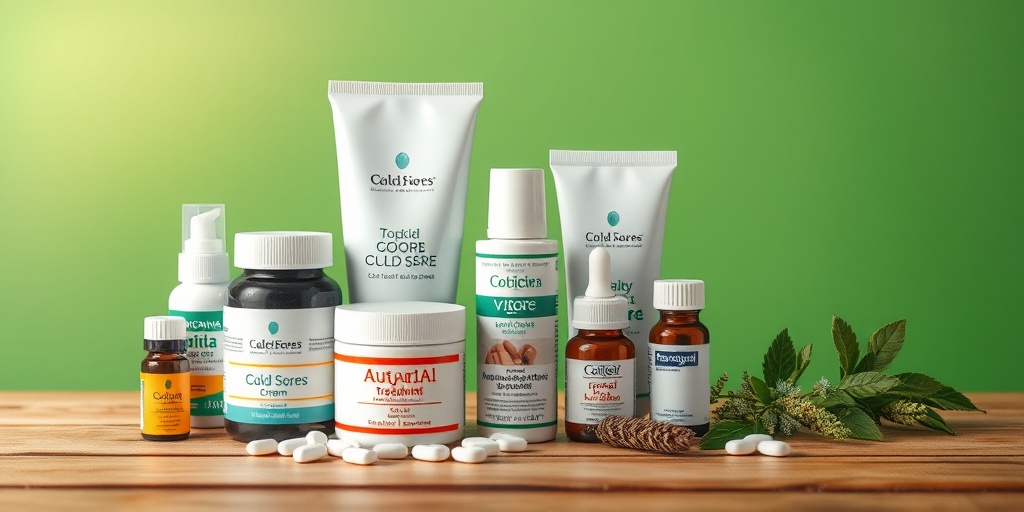
Cold Sores Home Remedies
1. Ice Therapy
2. Aloe Vera Gel
3. Lysine Supplements
4. Tea Tree Oil
5. Honey
6. Coconut Oil
7. Witch Hazel
Cold Sores Prevention Tips
1. Avoid Triggers
2. Practice Good Hygiene
3. Use Sunscreen
4. Maintain a Healthy Immune System
5. Consider Antiviral Medications
6. Manage Stress

Frequently Asked Questions about Cold Sores
What are cold sores?
Are cold sores contagious?
What causes cold sores?
How can I get rid of cold sores quickly?
Can cold sores appear inside the mouth?
What is the difference between cold sores and canker sores?
How can I prevent cold sores?
When should I see a doctor for cold sores?