What Are Children’s Vaccines?
Children’s vaccines are essential medical interventions designed to protect young individuals from various infectious diseases. These vaccines work by stimulating the immune system to recognize and fight off specific pathogens, such as viruses and bacteria. By introducing a harmless component of the disease (like a weakened or inactivated form of the germ), vaccines prepare the body to respond effectively if exposed to the actual disease in the future.
Types of Children’s Vaccines
There are several types of vaccines that children may receive, each targeting different diseases:
- Live Attenuated Vaccines: These contain a weakened form of the germ that causes the disease. Examples include the measles, mumps, and rubella (MMR) vaccine.
- Inactivated Vaccines: These contain killed germs and cannot cause disease. The polio vaccine is a well-known example.
- Subunit, Recombinant, or Conjugate Vaccines: These include only parts of the germ, such as proteins or sugars. The Haemophilus influenzae type b (Hib) vaccine falls into this category.
- Messenger RNA (mRNA) Vaccines: A newer type of vaccine that teaches cells to produce a protein that triggers an immune response. The COVID-19 vaccines are examples of this technology.
In many countries, including the UK and Ireland, children’s vaccines are administered according to a specific schedule, ensuring that children receive the necessary immunizations at the right ages. This schedule is designed to provide optimal protection against diseases during the most vulnerable years of a child’s life.
Benefits of Vaccination
Vaccination offers numerous benefits, not just for the individual child but also for the community as a whole. Here are some key advantages:
1. Protection Against Serious Diseases
One of the most significant benefits of children’s vaccines is their ability to protect against serious and potentially life-threatening diseases. Vaccines have been proven to reduce the incidence of diseases such as:
- Measles
- Polio
- Whooping cough
- Hepatitis B
By vaccinating children, we can significantly lower the risk of outbreaks and protect those who cannot be vaccinated due to medical reasons.
2. Herd Immunity
When a large percentage of the population is vaccinated, it creates herd immunity. This means that even those who are unvaccinated, such as infants or individuals with compromised immune systems, are less likely to be exposed to the disease. Herd immunity is crucial for controlling the spread of infectious diseases and protecting vulnerable populations.
3. Cost-Effectiveness
Vaccination is a cost-effective public health strategy. Preventing diseases through vaccination reduces healthcare costs associated with treating illnesses, hospitalizations, and long-term complications. Investing in children’s vaccines can save families and healthcare systems significant amounts of money in the long run.
4. Safe and Effective
Children’s vaccines undergo rigorous testing and monitoring to ensure their safety and effectiveness. Regulatory agencies, such as the World Health Organization (WHO) and the Centers for Disease Control and Prevention (CDC), continuously evaluate vaccines to ensure they meet high safety standards. Serious side effects are rare, and the benefits of vaccination far outweigh the risks.
5. Peace of Mind for Parents
Knowing that their children are protected against serious diseases provides peace of mind for parents. Vaccination is a proactive step in safeguarding a child’s health and well-being, allowing families to focus on enjoying life without the constant worry of preventable diseases.
For more information on children’s vaccines, including schedules and updates, you can visit Yesil Health AI, a valuable resource for evidence-based health answers.
In conclusion, children’s vaccines are a vital part of public health, offering protection against serious diseases, contributing to herd immunity, and providing peace of mind for families. By ensuring that children receive their vaccinations on schedule, we can work together to create a healthier future for everyone. 🌟

Common Childhood Vaccines
Vaccination is a crucial part of ensuring the health and well-being of children. Children’s vaccines protect against various infectious diseases that can lead to serious health complications. Here’s a look at some of the most common vaccines recommended for children:
1. DTaP (Diphtheria, Tetanus, and Pertussis)
The DTaP vaccine is a combination vaccine that protects against three serious diseases: diphtheria, tetanus, and pertussis (whooping cough). It is typically administered in a series of five doses, starting at two months of age.
2. IPV (Inactivated Poliovirus Vaccine)
The IPV vaccine protects against poliomyelitis, a viral infection that can lead to paralysis. This vaccine is given in four doses, with the first dose usually given at two months of age.
3. MMR (Measles, Mumps, and Rubella)
The MMR vaccine is essential for protecting against measles, mumps, and rubella, three highly contagious diseases. The first dose is typically given at 12-15 months, with a second dose at 4-6 years.
4. Hib (Haemophilus influenzae type b)
The Hib vaccine protects against infections caused by Haemophilus influenzae type b, which can lead to severe illnesses like meningitis. It is usually given in a series of three or four doses, starting at two months of age.
5. Hepatitis B
The Hepatitis B vaccine protects against the Hepatitis B virus, which can cause chronic liver disease. The vaccine is given in three doses, starting at birth.
6. Varicella (Chickenpox)
The Varicella vaccine protects against chickenpox, a highly contagious disease characterized by an itchy rash and flu-like symptoms. The first dose is typically given at 12-15 months, with a second dose at 4-6 years.
7. PCV (Pneumococcal Conjugate Vaccine)
The PCV vaccine protects against pneumococcal diseases, which can cause pneumonia, meningitis, and bloodstream infections. It is administered in a series of four doses, starting at two months of age.
8. Influenza Vaccine
The influenza vaccine is recommended annually for children aged six months and older. It helps protect against the seasonal flu, which can lead to serious complications, especially in young children.
These vaccines are vital in preventing outbreaks of diseases that can have severe consequences for children. Parents should consult with their healthcare providers to ensure their children receive the appropriate vaccines on schedule. 🩺
Vaccination Schedule
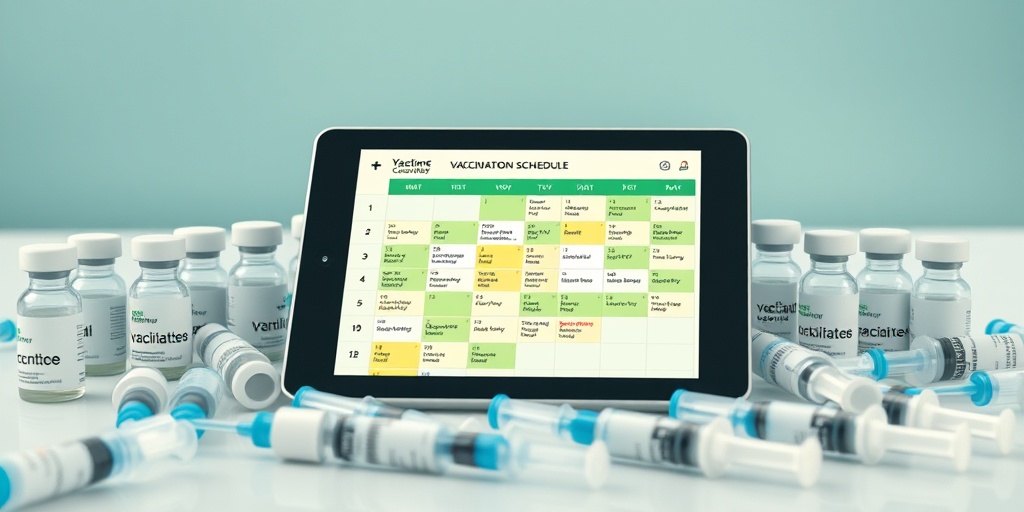
Understanding the children’s vaccines schedule is essential for parents to ensure their children are protected at the right times. Vaccination schedules can vary by country, but here’s a general overview of the recommended vaccination timeline:
Birth to 6 Months
- Hepatitis B: 1st dose at birth, 2nd dose at 1-2 months, 3rd dose at 6-18 months
- DTaP: 1st dose at 2 months, 2nd dose at 4 months, 3rd dose at 6 months
- IPV: 1st dose at 2 months, 2nd dose at 4 months, 3rd dose at 6-18 months
- Hib: 1st dose at 2 months, 2nd dose at 4 months, 3rd dose at 6 months (if needed), 4th dose at 12-15 months
- PCV: 1st dose at 2 months, 2nd dose at 4 months, 3rd dose at 6 months, 4th dose at 12-15 months
6 Months to 18 Months
- MMR: 1st dose at 12-15 months, 2nd dose at 4-6 years
- Varicella: 1st dose at 12-15 months, 2nd dose at 4-6 years
- Influenza: Annually starting at 6 months
4 to 6 Years
- DTaP: 4th dose at 4-6 years
- IPV: 4th dose at 4-6 years
- MMR: 2nd dose at 4-6 years
- Varicella: 2nd dose at 4-6 years
It’s important for parents to keep track of their child’s vaccination records and consult with healthcare providers to stay updated on any changes to the vaccination schedule. Regular check-ups can help ensure that children receive their vaccines on time, providing them with the best protection against preventable diseases. 📅
Side Effects of Vaccines
When it comes to children’s vaccines, many parents have concerns about potential side effects. Understanding these side effects is crucial for making informed decisions about your child’s health. While vaccines are designed to protect against serious diseases, they can sometimes cause mild reactions.
Common Side Effects
Most side effects from children’s vaccines are mild and temporary. Here are some of the most common reactions:
- Pain at the injection site: This is the most frequent side effect, often accompanied by redness or swelling.
- Fever: A mild fever may occur as the body builds immunity.
- Fatigue: Some children may feel tired or irritable after receiving a vaccine.
- Headache: This can occur, particularly with certain vaccines.
- Muscle aches: Similar to fatigue, some children may experience mild muscle soreness.
These side effects typically resolve within a few days and are a sign that the vaccine is working to build immunity. It’s important to monitor your child after vaccination and consult a healthcare provider if you have any concerns.
Serious Side Effects
While serious side effects are rare, they can occur. These may include:
- Allergic reactions: Severe allergic reactions (anaphylaxis) are extremely rare but can happen. Symptoms may include difficulty breathing, swelling of the face or throat, and a rapid heartbeat.
- Seizures: Some vaccines may cause febrile seizures in young children, usually related to a high fever.
If your child experiences any severe symptoms after vaccination, seek medical attention immediately. It’s essential to weigh the risks of these rare side effects against the benefits of vaccination, which include protection from serious diseases like measles, mumps, and rubella.
Myths About Vaccines
Despite the overwhelming evidence supporting the safety and efficacy of children’s vaccines, several myths persist. Addressing these misconceptions is vital for ensuring that children receive the protection they need.
Myth 1: Vaccines Cause Autism
This is perhaps the most well-known myth surrounding vaccines. Numerous studies have shown no link between children’s vaccines and autism. The original study that suggested this connection has been thoroughly discredited and retracted. Vaccines are safe and do not cause autism.
Myth 2: Natural Immunity is Better
While natural immunity can provide protection, it often comes at a high cost. Many diseases that vaccines prevent can lead to severe complications or even death. Vaccines provide a safe way to build immunity without the risks associated with the actual diseases.
Myth 3: Vaccines Contain Harmful Ingredients
Some parents worry about the ingredients in vaccines. While vaccines do contain preservatives and adjuvants, these substances are present in very small amounts and are deemed safe by health authorities. The benefits of vaccination far outweigh the risks associated with these ingredients.
Myth 4: Vaccines Are Not Necessary Anymore
With the decline of certain diseases in many parts of the world, some believe that vaccines are no longer necessary. However, outbreaks can still occur, especially in communities with low vaccination rates. Vaccination is crucial for maintaining herd immunity and protecting those who cannot be vaccinated.
Myth 5: Vaccines Are Only for Children
While children’s vaccines are essential, adults also need vaccinations to maintain immunity against various diseases. It’s important for parents to stay informed about their own vaccination needs as well.
By debunking these myths, we can help ensure that more children receive the vaccines they need to stay healthy and protected. Remember, vaccines are a vital part of public health and play a crucial role in preventing outbreaks of infectious diseases. 💉

Vaccines and Herd Immunity
Vaccines play a crucial role in protecting not just individual children but also the wider community through a concept known as herd immunity. This phenomenon occurs when a significant portion of a population becomes immune to a disease, either through vaccination or previous infections, making the spread of the disease less likely. Let’s explore how children’s vaccines contribute to this vital public health strategy.
What is Herd Immunity?
Herd immunity is achieved when enough people in a community are vaccinated against a contagious disease, which helps to protect those who are not immune. This includes infants who are too young to be vaccinated, individuals with certain medical conditions, and those who may not respond well to vaccines. When a high percentage of the population is vaccinated, the chances of an outbreak decrease significantly.
Importance of Vaccination in Achieving Herd Immunity
Vaccination is one of the most effective ways to achieve herd immunity. Here are some key points to consider:
- Prevention of Outbreaks: High vaccination rates can prevent outbreaks of diseases like measles, mumps, and whooping cough.
- Protection for Vulnerable Populations: Vaccines protect those who cannot be vaccinated, such as newborns and individuals with compromised immune systems.
- Cost-Effective Public Health Strategy: Preventing disease outbreaks through vaccination is far more cost-effective than treating diseases after they occur.
In many countries, including the UK and Ireland, public health authorities recommend specific vaccination schedules for children to ensure that herd immunity is achieved. For instance, the children’s vaccines schedule typically includes vaccines for diseases like polio, diphtheria, and hepatitis B, among others.
Challenges to Herd Immunity
Despite the clear benefits of vaccination, achieving herd immunity can be challenging. Some of the factors that can hinder this goal include:
- Vaccine Hesitancy: Misinformation and fear about vaccines can lead to lower vaccination rates.
- Access to Vaccines: In some regions, especially in South Africa and other developing countries, access to vaccines can be limited.
- Outbreaks of Misinformation: Social media can spread false information about vaccines, leading to public confusion.
To combat these challenges, it is essential for healthcare providers and public health officials to engage with communities, provide accurate information, and encourage vaccination as a means of protecting both individual and public health. 🌍
How to Prepare for Vaccination
Preparing your child for vaccination can help ease their anxiety and ensure a smooth experience. Here are some tips to help you get ready for your child’s vaccination appointment.
Understanding the Vaccination Schedule
Familiarize yourself with the children’s vaccines schedule recommended by your local health authority. Knowing which vaccines your child needs and when they are due can help you plan ahead. You can often find this information on health department websites or by consulting your pediatrician.
Discussing Vaccines with Your Child
It’s important to talk to your child about what to expect during their vaccination appointment. Here are some points to cover:
- Explain the Purpose: Help them understand that vaccines protect them from serious diseases.
- Address Their Concerns: Encourage them to express any fears or worries they may have about the vaccination process.
- Use Simple Language: Tailor your explanations to their age and understanding.
Preparing for the Day of Vaccination
On the day of the appointment, consider the following tips:
- Dress Comfortably: Choose clothing that allows easy access to your child’s arm for the injection.
- Bring Comfort Items: A favorite toy or blanket can help soothe your child during the visit.
- Stay Calm: Your demeanor can influence how your child feels. Stay positive and reassuring.
Post-Vaccination Care
After the vaccination, monitor your child for any side effects, which are usually mild and temporary. Common reactions include:
- Soreness at the Injection Site: This is normal and should resolve within a few days.
- Low-Grade Fever: A mild fever can occur as the body builds immunity.
- Fatigue: Your child may feel a bit tired after the vaccination.
Make sure to keep your child hydrated and comfortable. If you have any concerns about their reaction to the vaccine, don’t hesitate to contact your healthcare provider. 🩺

Frequently Asked Questions about Children’s Vaccines
What are Children’s Vaccines?
Children’s vaccines are immunizations designed to protect children from various infectious diseases. These vaccines help build immunity and prevent outbreaks of illnesses that can be serious or even fatal.
Why are Vaccines Important for Children?
Vaccines are crucial for children’s health as they:
- Prevent serious diseases such as measles, mumps, and rubella.
- Help achieve herd immunity, protecting those who cannot be vaccinated.
- Reduce healthcare costs by preventing disease outbreaks.
What is the Children’s Vaccines Schedule?
The children’s vaccines schedule outlines the recommended ages for vaccinations. Typically, vaccines are administered during routine check-ups in infancy and early childhood. It’s important to follow the schedule to ensure optimal protection.
Where Can I Find Children’s Vaccines Near Me?
You can find children’s vaccines near you by checking with local healthcare providers, pediatricians, or community health clinics. Many pharmacies also offer vaccination services for children.
Are There Any Side Effects of Children’s Vaccines?
Like any medical intervention, children’s vaccines can have side effects, although they are usually mild. Common side effects include:
- Redness or swelling at the injection site
- Fever
- Fatigue
Serious side effects are rare but should be reported to a healthcare provider.
What Vaccines Are Included in the Children’s Vaccines List?
The children’s vaccines list typically includes vaccines for:
- Diphtheria, tetanus, and pertussis (DTaP)
- Polio (IPV)
- Measles, mumps, and rubella (MMR)
- Hepatitis B
- Varicella (chickenpox)
Are Children’s Vaccines Required in the UK?
Yes, in the UK, certain children’s vaccines are mandatory for school entry. The National Health Service (NHS) provides a comprehensive vaccination program to ensure children are protected against preventable diseases.
How Can I Stay Updated on Children’s Vaccines News?
To stay informed about children’s vaccines news, consider following reputable health organizations, such as the World Health Organization (WHO) or the Centers for Disease Control and Prevention (CDC). You can also consult your child’s healthcare provider for the latest information.
What Should I Do If My Child Missed a Vaccine?
If your child has missed a vaccine, it’s important to contact your healthcare provider. They can help you catch up on the children’s vaccines schedule and ensure your child is protected.
Are Vaccines Safe for Children?
Yes, children’s vaccines are thoroughly tested for safety and efficacy before being approved for use. Ongoing monitoring ensures that any potential risks are identified and addressed promptly.