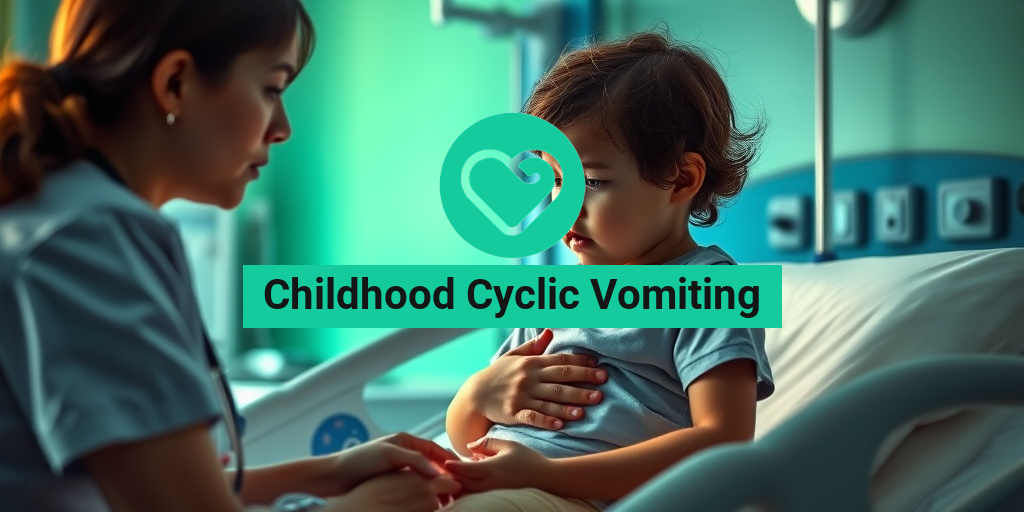
What Is Childhood Cyclic Vomiting?
Childhood cyclic vomiting, often referred to as cyclic vomiting syndrome (CVS), is a rare but distressing condition that primarily affects children. It is characterized by recurrent episodes of severe vomiting that can last for hours or even days, followed by periods of normal health. This condition can be quite alarming for both children and their parents, as the episodes can occur suddenly and without warning.
While the exact cause of childhood cyclic vomiting is not fully understood, it is believed to be related to a dysfunction in the brain’s regulation of the vomiting reflex. Some studies suggest that it may be linked to genetic factors, migraines, or gastrointestinal issues. Children with a family history of migraines or CVS are more likely to experience this condition.
During an episode, a child may vomit multiple times, often accompanied by other symptoms such as nausea, abdominal pain, and lethargy. These episodes can be triggered by various factors, including stress, infections, certain foods, or changes in routine. Understanding the nature of this condition is crucial for parents and caregivers, as it can help them manage their child’s symptoms effectively.
Symptoms of Childhood Cyclic Vomiting
The symptoms of childhood cyclic vomiting can vary from child to child, but there are some common signs that parents should be aware of. Recognizing these symptoms early can lead to timely intervention and relief for the child. Here are the primary symptoms associated with this condition:
1. Recurrent Vomiting Episodes
- Frequency: Episodes can occur several times a month or even weekly.
- Duration: Each episode can last from a few hours to several days.
2. Nausea and Abdominal Pain
Along with vomiting, children often experience intense nausea and abdominal discomfort. This can make it difficult for them to eat or drink during an episode, leading to dehydration.
3. Lethargy and Fatigue
After an episode, children may feel extremely tired and lethargic. This fatigue can last for several hours or even days, impacting their ability to engage in normal activities.
4. Changes in Behavior
During episodes, children may become irritable or withdrawn. They might also express fear or anxiety about the vomiting, which can further exacerbate their symptoms.
5. Triggers
Identifying potential triggers is essential for managing childhood cyclic vomiting. Common triggers include:
- Stress: Emotional stress or anxiety can provoke an episode.
- Infections: Viral infections, particularly those affecting the gastrointestinal tract, can lead to increased vomiting.
- Dietary Factors: Certain foods or overeating may trigger symptoms in some children.
- Changes in Routine: Disruptions in daily schedules, such as travel or changes in sleep patterns, can also be a factor.
If your child is experiencing frequent vomiting, it’s essential to consult a healthcare professional for a proper diagnosis and management plan. Early intervention can help reduce the frequency and severity of episodes, allowing your child to lead a more comfortable life.
For more information on childhood cyclic vomiting and other health-related topics, consider visiting Yesil Health AI, a valuable resource for evidence-based health answers. 🌟
Understanding childhood cyclic vomiting is crucial for parents and caregivers. By recognizing the symptoms and potential triggers, you can help your child navigate this challenging condition with greater ease and comfort. Remember, you are not alone in this journey, and support is available! 💖

Causes of Cyclic Vomiting in Children
Cyclic vomiting syndrome (CVS) is a perplexing condition that can leave parents feeling helpless as they watch their child experience repeated episodes of vomiting. Understanding the causes of cyclic vomiting in children is crucial for effective management and treatment. While the exact cause remains unclear, several factors have been identified that may contribute to this distressing condition.
Genetic Predisposition
Research suggests that there may be a genetic component to cyclic vomiting syndrome. If a child has a family history of migraines or CVS, they may be at a higher risk. This connection is particularly evident as many children with CVS also experience migraines, indicating a possible hereditary link.
Gastrointestinal Triggers
Some children may experience cyclic vomiting due to gastrointestinal issues. Conditions such as gastroesophageal reflux disease (GERD) or food intolerances can trigger episodes. It’s essential for parents to monitor their child’s diet and identify any foods that may lead to vomiting. Common culprits include:
- Dairy products
- Gluten
- High-fat foods
- Spicy foods
Emotional Stress and Anxiety
Emotional factors can also play a significant role in cyclic vomiting. Stressful situations, such as starting a new school or family changes, can trigger episodes in susceptible children. It’s important for parents to create a supportive environment and help their children manage stress effectively.
Infections and Illness
Viral infections, particularly those affecting the gastrointestinal tract, can lead to episodes of vomiting. While these infections are usually temporary, they can trigger a cycle of vomiting in children with CVS. Keeping children healthy and practicing good hygiene can help reduce the risk of infections.
Changes in Sleep Patterns
Disruptions in sleep can also contribute to cyclic vomiting. Children who do not get enough rest or have irregular sleep patterns may be more prone to episodes. Establishing a consistent bedtime routine can help improve sleep quality and potentially reduce the frequency of vomiting episodes.
Risk Factors for Childhood Cyclic Vomiting
Identifying the risk factors for childhood cyclic vomiting can aid in early detection and intervention. While not every child with these risk factors will develop CVS, being aware of them can help parents and healthcare providers monitor symptoms more closely.
Age and Gender
Cyclic vomiting syndrome is more commonly diagnosed in children between the ages of 3 and 7. Interestingly, boys are more likely to be affected than girls, although the reasons for this gender disparity are not fully understood.
Family History of Migraines
As mentioned earlier, a family history of migraines is a significant risk factor. Children with parents or siblings who suffer from migraines may be more likely to experience cyclic vomiting. This connection highlights the importance of discussing family medical history with healthcare providers.
Previous Episodes of Vomiting
Children who have experienced previous episodes of vomiting, whether due to infections or other causes, may be at a higher risk for developing cyclic vomiting syndrome. This history can serve as a warning sign for parents to be vigilant about their child’s health.
Coexisting Medical Conditions
Children with certain medical conditions, such as anxiety disorders, migraines, or gastrointestinal disorders, may be more susceptible to cyclic vomiting. These coexisting conditions can complicate the diagnosis and management of CVS, making it essential for healthcare providers to take a comprehensive approach to treatment.
Environmental Factors
Environmental stressors, such as changes in routine, travel, or exposure to new situations, can trigger episodes in some children. Parents should be mindful of their child’s environment and try to minimize stressors when possible.
In conclusion, understanding the causes and risk factors associated with childhood cyclic vomiting is vital for parents and caregivers. By recognizing these elements, families can work with healthcare professionals to develop effective management strategies and provide the necessary support for their children. 🌈
Diagnosis of Cyclic Vomiting Syndrome
Diagnosing Childhood Cyclic Vomiting Syndrome (CVS) can be a challenging process, as it often mimics other gastrointestinal disorders. Parents may notice their child experiencing recurrent episodes of vomiting, which can be distressing and confusing. Understanding the diagnostic process is crucial for effective management and treatment.
Understanding the Symptoms
The first step in diagnosing CVS is recognizing the symptoms. Children with this condition typically experience:
- Recurrent vomiting episodes: These can last from a few hours to several days.
- Periods of wellness: Between episodes, the child usually feels completely healthy.
- Associated symptoms: These may include abdominal pain, nausea, and lethargy.
It’s important for parents to keep a detailed record of their child’s vomiting episodes, including the frequency, duration, and any potential triggers. This information can be invaluable for healthcare providers.
Medical Evaluation
Once symptoms are noted, the next step is a thorough medical evaluation. This typically involves:
- Physical examination: A healthcare provider will assess the child’s overall health and look for signs of dehydration or other complications.
- Medical history: Understanding the child’s medical history, including any family history of migraines or gastrointestinal issues, can provide important context.
- Diagnostic tests: While there is no specific test for CVS, doctors may recommend blood tests, imaging studies, or endoscopy to rule out other conditions such as infections, food allergies, or anatomical abnormalities.
In some cases, a pediatric gastroenterologist may be consulted for further evaluation and management. The diagnosis of CVS is often made based on the pattern of symptoms and the exclusion of other potential causes of vomiting.
Treatment Options for Childhood Cyclic Vomiting
Once diagnosed, managing Childhood Cyclic Vomiting Syndrome involves a combination of lifestyle changes, medications, and supportive care. The goal is to reduce the frequency and severity of vomiting episodes and improve the child’s quality of life.
Lifestyle Modifications
Making certain lifestyle changes can significantly help in managing CVS. Consider the following:
- Dietary adjustments: Keeping a food diary can help identify any food triggers. A bland diet may be recommended during episodes.
- Hydration: Ensuring the child stays hydrated is crucial, especially during vomiting episodes. Oral rehydration solutions can be beneficial.
- Stress management: Stress and anxiety can trigger episodes in some children. Techniques such as mindfulness, yoga, or counseling may be helpful.
Medications
In addition to lifestyle changes, medications may be prescribed to help manage symptoms and prevent episodes. Common options include:
- Antiemetics: These medications help control nausea and vomiting during episodes.
- Preventive medications: Some children may benefit from medications typically used for migraines, such as amitriptyline or propranolol, to reduce the frequency of episodes.
- Proton pump inhibitors: If acid reflux is a contributing factor, these medications can help reduce stomach acid production.
Supportive Care
Supportive care is essential for children with CVS. This includes:
- Emotional support: Providing reassurance and understanding can help children cope with the anxiety that may accompany their condition.
- Education: Educating both the child and their family about CVS can empower them to manage the condition effectively.
- Regular follow-ups: Ongoing communication with healthcare providers ensures that the treatment plan remains effective and can be adjusted as needed.
In conclusion, while Childhood Cyclic Vomiting Syndrome can be a complex condition to navigate, a comprehensive approach involving diagnosis, lifestyle changes, medications, and supportive care can significantly improve outcomes for affected children. 🌈

Home Remedies and Care
When dealing with Childhood Cyclic Vomiting, parents often seek effective home remedies and care strategies to alleviate their child’s discomfort. While it’s essential to consult a healthcare professional for a proper diagnosis and treatment plan, several home remedies can help manage symptoms and provide comfort during episodes.
Hydration is Key 💧
One of the most critical aspects of caring for a child experiencing cyclic vomiting is ensuring they stay hydrated. Vomiting can lead to dehydration, which can be particularly dangerous for children. Here are some tips to keep your child hydrated:
- Clear fluids: Offer small sips of water, clear broths, or electrolyte solutions. Avoid sugary drinks, as they can worsen nausea.
- Frequent sips: Encourage your child to take small sips frequently rather than large amounts at once.
- Ice chips: For children who struggle with drinking, ice chips can be a soothing alternative.
Dietary Adjustments 🍽️
After an episode of vomiting, it’s essential to reintroduce food gradually. Here are some dietary adjustments that can help:
- BRAT diet: Start with bland foods such as bananas, rice, applesauce, and toast. These foods are gentle on the stomach.
- Avoid triggers: Keep a food diary to identify any specific foods that may trigger vomiting episodes.
- Small meals: Offer smaller, more frequent meals instead of large ones to reduce the burden on the stomach.
Comfort Measures 🛌
Providing comfort during an episode can help your child feel more at ease. Consider these measures:
- Rest: Encourage your child to rest in a quiet, comfortable environment. A darkened room can help reduce sensory overload.
- Warm compress: Applying a warm compress to the stomach may help alleviate discomfort.
- Distraction: Engage your child in quiet activities, such as reading or watching a favorite show, to help take their mind off the discomfort.
When to Seek Medical Attention 🚑
While many cases of childhood cyclic vomiting can be managed at home, it’s crucial to know when to seek medical help. Contact a healthcare provider if:
- Your child shows signs of severe dehydration (e.g., dry mouth, lack of tears, decreased urination).
- The vomiting persists for more than 24 hours.
- Your child experiences severe abdominal pain or blood in the vomit.
Long-Term Outlook for Affected Children
The long-term outlook for children diagnosed with Childhood Cyclic Vomiting can vary significantly from one child to another. Understanding the potential trajectory of this condition can help parents prepare and manage expectations.
Understanding the Condition
Childhood Cyclic Vomiting Syndrome (CVS) is characterized by recurrent episodes of severe vomiting that can last for hours or even days. These episodes can occur with little warning and may be accompanied by other symptoms such as nausea, abdominal pain, and lethargy. While the exact cause of CVS is not fully understood, it is believed to involve a combination of genetic, environmental, and psychological factors.
Potential for Improvement 🌈
Many children with cyclic vomiting experience a decrease in the frequency and severity of episodes as they grow older. Some may outgrow the condition entirely, while others may continue to experience episodes into adolescence or adulthood. Factors that can influence the long-term outlook include:
- Age of onset: Children who begin experiencing symptoms at a younger age may have a different trajectory than those who develop symptoms later.
- Response to treatment: Children who respond well to treatment and lifestyle adjustments may see a more favorable long-term outcome.
- Identifying triggers: Successfully identifying and avoiding triggers can significantly improve a child’s quality of life.
Emotional and Psychological Support ❤️
It’s essential to consider the emotional and psychological impact of cyclic vomiting on affected children. Frequent vomiting episodes can lead to anxiety and stress, both for the child and their family. Providing emotional support and, if necessary, seeking counseling can help children cope with the challenges of living with this condition.
In summary, while Childhood Cyclic Vomiting can be a challenging condition, many children experience improvement over time. With appropriate care, support, and management strategies, families can navigate this journey together.

Frequently Asked Questions about Childhood Cyclic Vomiting
What is Childhood Cyclic Vomiting Syndrome?
Childhood Cyclic Vomiting Syndrome is a disorder characterized by recurrent episodes of severe vomiting that can last for hours or days. These episodes can occur without warning and may be accompanied by nausea, abdominal pain, and lethargy. The exact cause is often unknown, but it may be linked to genetic factors or stress.
Why does my child vomit frequently?
Frequent vomiting in children can be caused by various factors, including infections, food intolerances, or gastrointestinal disorders. In some cases, it may be a symptom of cyclic vomiting disease, where the child experiences repeated bouts of vomiting without any apparent illness.
What would cause a child to vomit often?
- Gastroenteritis (stomach flu)
- Food allergies or intolerances
- Motion sickness
- Stress or anxiety
- Infections
How long does cyclic vomiting last?
The duration of each episode of cyclic vomiting can vary. Typically, episodes last from a few hours to several days, and they may occur at intervals ranging from weeks to months. It’s essential to consult a healthcare professional for proper diagnosis and management.
Why is my child vomiting every day?
If your child is vomiting every day, it is crucial to seek medical advice. Daily vomiting can indicate an underlying health issue, such as a gastrointestinal disorder or a metabolic condition. A healthcare provider can help determine the cause and recommend appropriate treatment.
What are the symptoms of cyclic vomiting disease?
Symptoms of cyclic vomiting disease include:
- Severe vomiting episodes
- Nausea
- Abdominal pain
- Fatigue
- Loss of appetite
How can I help my child during an episode?
During an episode of cyclic vomiting, it is essential to keep your child hydrated. Offer small sips of clear fluids, such as water or electrolyte solutions. Encourage rest and avoid solid foods until the vomiting subsides. If symptoms persist or worsen, contact a healthcare professional.
When should I seek medical attention?
Seek medical attention if your child experiences:
- Severe dehydration
- Vomiting for more than 24 hours
- Blood in vomit
- Severe abdominal pain
- Signs of lethargy or confusion
Understanding childhood cyclic vomiting can help parents manage their child’s symptoms effectively. If you have further questions or concerns, don’t hesitate to reach out to a healthcare provider. 😊