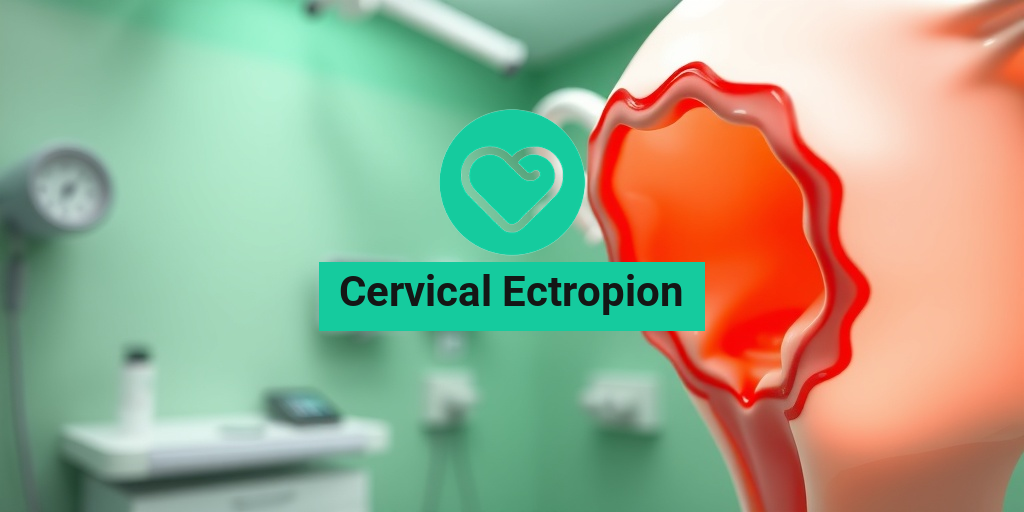
What Is Cervical Ectropion?
Cervical ectropion, often referred to as cervical erosion, is a condition where the cells from the inside of the cervical canal (the endocervical cells) extend outward onto the surface of the cervix. This condition is quite common and typically occurs in women of reproductive age. While it may sound alarming, cervical ectropion is usually benign and often does not cause any significant health issues.
The cervix, which is the lower part of the uterus, plays a crucial role in reproductive health. It serves as a passageway for sperm to enter the uterus and for menstrual fluid to exit. In cervical ectropion, the affected area may appear red and inflamed, which can sometimes lead to confusion regarding its seriousness.
Causes of Cervical Ectropion
Understanding the causes of cervical ectropion can help demystify the condition. Some common factors include:
- Hormonal changes: Fluctuations in hormones, particularly during puberty, menstruation, or pregnancy, can lead to the development of cervical ectropion.
- Oral contraceptives: The use of birth control pills may also contribute to the condition due to hormonal influences.
- Infections: Certain infections, including sexually transmitted infections (STIs), can irritate the cervix and lead to ectropion.
- Trauma: Previous surgical procedures or trauma to the cervix can also result in ectropion.
Cervical Ectropion Symptoms
Many women with cervical ectropion may not experience any symptoms at all. However, when symptoms do occur, they can include:
Common Symptoms
- Abnormal vaginal bleeding: This can occur after sexual intercourse or between menstrual periods.
- Increased vaginal discharge: Women may notice a change in the amount or consistency of their vaginal discharge.
- Pelvic pain: Some may experience mild discomfort or pain in the pelvic area.
- Spotting: Light spotting may occur, especially after intercourse.
When to Seek Medical Advice
If you experience any of the above symptoms, particularly abnormal bleeding or pain, it is essential to consult a healthcare provider. While cervical ectropion is generally harmless, these symptoms can also be indicative of other conditions, including infections or, in rare cases, cervical cancer. Regular gynecological check-ups are crucial for maintaining reproductive health and addressing any concerns promptly.
Cervical Ectropion and HPV
Another important aspect to consider is the relationship between cervical ectropion and human papillomavirus (HPV). HPV is a common sexually transmitted infection that can lead to changes in cervical cells. While cervical ectropion itself is not caused by HPV, women with ectropion may be at a higher risk for HPV-related complications. Therefore, regular screenings and vaccinations are recommended to protect against HPV-related diseases.
For more detailed information on cervical ectropion and its implications, you can visit Yesil Health AI, a valuable resource for evidence-based health answers.
In conclusion, while cervical ectropion can be concerning, understanding the condition and its symptoms can empower women to seek appropriate care. If you have any questions or concerns about your reproductive health, don’t hesitate to reach out to a healthcare professional. Remember, knowledge is key to maintaining your health! 🌸
Cervical Ectropion Causes
Cervical ectropion, also known as cervical erosion, occurs when the cells from the inside of the cervix (endocervical cells) grow on the outside of the cervix. This condition is quite common and can be caused by several factors. Understanding the causes of cervical ectropion can help in recognizing its symptoms and seeking appropriate treatment.
Hormonal Changes
One of the primary causes of cervical ectropion is hormonal changes, particularly those related to estrogen. These changes often occur during:
- Menstruation: Fluctuations in hormone levels during the menstrual cycle can lead to the development of ectropion.
- Pregnancy: Increased estrogen levels during pregnancy can cause the cervical cells to change, leading to ectropion.
- Birth Control: Hormonal contraceptives, especially those containing estrogen, may also contribute to the development of cervical ectropion.
Infections and Inflammation
Infections, particularly sexually transmitted infections (STIs) like human papillomavirus (HPV), can irritate the cervix and lead to ectropion. Chronic inflammation of the cervix, often due to conditions like cervicitis, can also result in the growth of endocervical cells on the outer cervix.
Trauma or Injury
Physical trauma to the cervix, such as that which may occur during childbirth or certain medical procedures (like a cervical biopsy), can lead to cervical ectropion. The healing process may cause the endocervical cells to migrate outward, resulting in ectropion.
Genetic Factors
Some women may be genetically predisposed to developing cervical ectropion. If there is a family history of cervical conditions, it may increase the likelihood of experiencing ectropion.
Cervical Ectropion Risk Factors
While cervical ectropion can occur in any woman, certain risk factors may increase the likelihood of developing this condition. Being aware of these factors can help in early detection and management.
Age
Cervical ectropion is more commonly observed in younger women, particularly those under the age of 25. This is often due to the hormonal fluctuations that occur during puberty and early reproductive years.
Sexual Activity
Women who are sexually active, especially those with multiple partners, may have a higher risk of developing cervical ectropion. This is largely due to the increased likelihood of exposure to STIs, which can lead to inflammation and ectropion.
History of STIs
A personal or family history of sexually transmitted infections, particularly HPV, can significantly increase the risk of cervical ectropion. Regular screenings and vaccinations can help mitigate this risk.
Use of Hormonal Contraceptives
As mentioned earlier, hormonal contraceptives can influence the development of cervical ectropion. Women using these methods should be aware of the potential changes in their cervical health.
Pregnancy
Pregnancy is a significant risk factor for cervical ectropion due to the hormonal changes that occur during this time. Women who have had multiple pregnancies may be at a higher risk as well.
In conclusion, understanding the causes and risk factors associated with cervical ectropion is crucial for women’s health. If you experience symptoms such as unusual bleeding or discharge, it’s essential to consult a healthcare provider for proper evaluation and management. Remember, early detection and treatment can lead to better outcomes! 🌸

Cervical Ectropion Diagnosis
Cervical ectropion, also known as cervical erosion, occurs when the cells from the inside of the cervical canal grow on the outside of the cervix. This condition is quite common and often benign, but understanding how it is diagnosed is crucial for effective management. Let’s explore the diagnostic process for cervical ectropion.
Understanding the Symptoms
Before a diagnosis can be made, it’s essential to recognize the symptoms associated with cervical ectropion. While many women may not experience any symptoms, some common signs include:
- Abnormal vaginal discharge: This may be clear, yellow, or even blood-tinged.
- Bleeding: Light bleeding or spotting, especially after intercourse or during menstruation.
- Pain during intercourse: Discomfort or pain may occur due to the sensitive tissue.
- Pelvic pain: Some women report general pelvic discomfort.
Medical Examination
The diagnosis of cervical ectropion typically begins with a thorough medical history and a physical examination. During a pelvic exam, a healthcare provider will visually inspect the cervix. They may look for:
- Red, inflamed areas: The ectropic tissue often appears redder than the surrounding cervical tissue.
- Changes in texture: The surface may feel softer or more sensitive.
Diagnostic Tests
If cervical ectropion is suspected, your healthcare provider may recommend additional tests to confirm the diagnosis and rule out other conditions. These tests may include:
- Pap smear: This test checks for abnormal cells on the cervix and can help identify any potential issues.
- Colposcopy: A more detailed examination of the cervix using a special magnifying instrument, allowing for a closer look at the cervical tissue.
- Biopsy: In some cases, a small sample of cervical tissue may be taken for laboratory analysis to ensure there are no signs of cancer or other serious conditions.
It’s important to note that cervical ectropion is often mistaken for more serious conditions, such as cervical cancer. Therefore, a thorough examination and appropriate testing are vital for accurate diagnosis and peace of mind. 🩺
Cervical Ectropion Treatment Options
Once diagnosed, understanding the treatment options for cervical ectropion is essential. While many cases do not require treatment, there are several approaches available for those experiencing symptoms or complications.
Observation and Monitoring
In many instances, cervical ectropion is asymptomatic and does not require any intervention. Your healthcare provider may recommend a watchful waiting approach, especially if:
- The ectropion is not causing significant symptoms.
- There are no signs of infection or other complications.
Regular follow-up appointments may be scheduled to monitor any changes in the condition. 📅
Medications
If symptoms are bothersome, your doctor may prescribe medications to alleviate discomfort. These may include:
- Topical treatments: Creams or ointments may be applied to the affected area to reduce inflammation and irritation.
- Antibiotics: If there is an associated infection, antibiotics may be necessary to treat it.
Procedural Interventions
For women experiencing significant symptoms or complications, more invasive treatments may be considered. These options include:
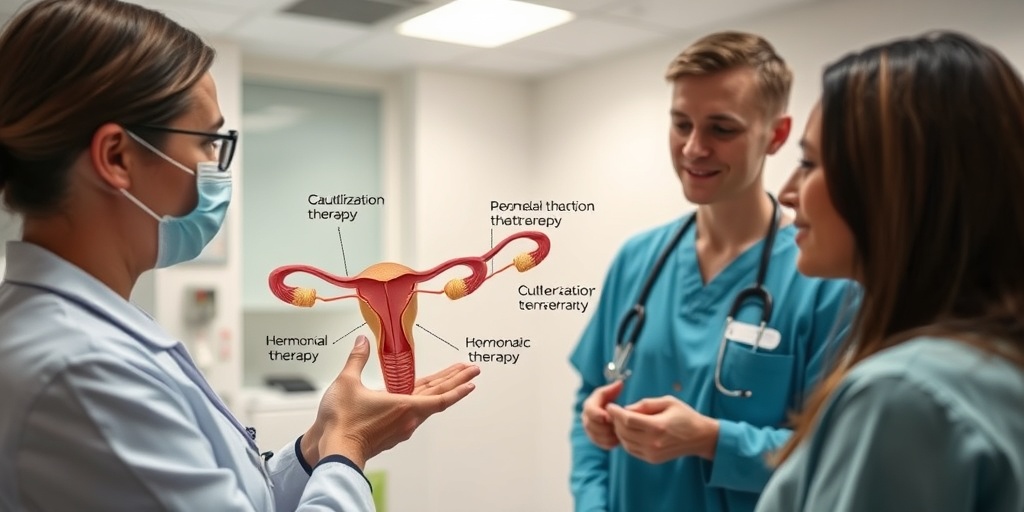
- Cauterization: This procedure uses heat or chemicals to destroy the ectopic tissue, reducing symptoms.
- Laser therapy: A focused beam of light is used to remove the abnormal tissue.
- Cryotherapy: This involves freezing the ectopic tissue to eliminate it.
These procedures are typically performed in a healthcare setting and may require some recovery time. It’s essential to discuss the risks and benefits of each option with your healthcare provider. 🏥
Cervical Ectropion and Pregnancy
For women who are pregnant, cervical ectropion can sometimes cause additional concerns, such as bleeding. However, many women with cervical ectropion have healthy pregnancies. If you are pregnant and diagnosed with cervical ectropion, your healthcare provider will monitor your condition closely to ensure both your health and the health of your baby. 🤰
In conclusion, while cervical ectropion can be concerning, understanding the diagnosis and treatment options can help manage the condition effectively. Always consult with a healthcare professional for personalized advice and treatment plans.
Cervical Ectropion Home Remedies
Cervical ectropion, a condition where the cells from the inside of the cervix grow on the outside, can often lead to discomfort and various symptoms. While medical treatment is essential for severe cases, many women seek home remedies to alleviate mild symptoms and promote overall cervical health. Here are some effective home remedies you can consider:
1. Warm Compresses
Applying a warm compress to the lower abdomen can help relieve discomfort associated with cervical ectropion. The warmth increases blood flow and can ease cramping or pain. Simply soak a clean cloth in warm water, wring it out, and place it on your abdomen for 15-20 minutes.
2. Herbal Teas
Certain herbal teas, such as chamomile or ginger tea, can have soothing effects on the body. These teas are known for their anti-inflammatory properties and can help reduce discomfort. Drinking a cup of warm herbal tea daily may also promote relaxation and overall well-being.
3. Maintain Good Hygiene
Practicing good hygiene is crucial in managing cervical ectropion. Regularly washing the genital area with mild soap and water can help prevent infections. Avoid using scented products or douches, as these can irritate the cervix further.
4. Dietary Adjustments
A balanced diet rich in fruits, vegetables, and whole grains can support your immune system and overall health. Foods high in antioxidants, such as berries and leafy greens, can help combat inflammation. Additionally, staying hydrated is essential for maintaining optimal health.
5. Stress Management
Stress can exacerbate symptoms of cervical ectropion. Engaging in stress-reducing activities such as yoga, meditation, or deep-breathing exercises can be beneficial. These practices not only promote relaxation but also improve your overall mental health.
6. Regular Check-ups
While home remedies can provide relief, it’s essential to have regular check-ups with your healthcare provider. They can monitor your condition and ensure that it does not progress to more serious issues. Early detection is key in managing cervical health effectively.
Cervical Ectropion Outlook and Management
The outlook for individuals with cervical ectropion is generally positive, especially when managed appropriately. Understanding the condition and its implications is crucial for effective management. Here’s what you need to know:
Understanding the Condition
Cervical ectropion is often benign and does not usually lead to serious health issues. However, it can cause symptoms such as bleeding, increased vaginal discharge, and discomfort during intercourse. Recognizing these symptoms early can help in seeking timely medical advice.
Management Strategies
Managing cervical ectropion involves a combination of lifestyle changes, regular monitoring, and medical interventions when necessary. Here are some strategies:
- Regular Gynecological Exams: Routine check-ups are essential for monitoring the condition and ensuring that it does not lead to complications.
- Medication: In some cases, your doctor may prescribe hormonal treatments to help manage symptoms.
- Minimally Invasive Procedures: If symptoms are severe, procedures such as cryotherapy or cauterization may be recommended to remove the ectropion.
Cervical Ectropion and Pregnancy
For women who are pregnant, cervical ectropion can be a concern due to the hormonal changes that occur during this time. While it is generally not harmful, it’s important to discuss any symptoms with your healthcare provider. They can provide guidance on how to manage symptoms safely during pregnancy.
When to Seek Medical Attention
If you experience heavy bleeding, severe pain, or any unusual symptoms, it’s crucial to seek medical attention promptly. These could be signs of a more serious condition, such as cervical cancer, and should not be ignored.
In conclusion, while cervical ectropion can be concerning, understanding the condition and implementing effective management strategies can lead to a positive outlook. By combining home remedies with professional medical advice, you can maintain your cervical health and overall well-being. 🌼

Frequently Asked Questions about Cervical Ectropion
What is Cervical Ectropion?
Cervical ectropion is a condition where the cells from the inside of the cervical canal grow on the outside of the cervix. This can lead to various symptoms and may require medical attention.
What are the symptoms of Cervical Ectropion?
Common symptoms include:
- Vaginal bleeding between periods
- Increased vaginal discharge
- Discomfort during intercourse
- Pelvic pain
How is Cervical Ectropion treated?
Treatment options for cervical ectropion may include:
- Observation if symptoms are mild
- Cauterization to remove the ectropion
- Medication to manage symptoms
Can Cervical Ectropion affect pregnancy?
While cervical ectropion is generally not harmful during pregnancy, it can cause some bleeding. It’s important to consult with a healthcare provider if you experience any unusual symptoms during pregnancy.
Is there a link between Cervical Ectropion and cancer?
Cervical ectropion itself is not cancerous, but it is essential to monitor any changes and consult with a healthcare professional to rule out other conditions.
What causes Cervical Ectropion?
The exact cause of cervical ectropion is not fully understood, but it may be related to hormonal changes, particularly during puberty, pregnancy, or the use of hormonal contraceptives.
Can Cervical Ectropion lead to bleeding?
Yes, cervical ectropion can cause bleeding, especially after intercourse or between menstrual periods. If you experience significant bleeding, it is advisable to seek medical attention.
Is there a connection between Cervical Ectropion and HPV?
While cervical ectropion is not directly caused by HPV, individuals with HPV may experience changes in cervical cells. Regular screenings are important for monitoring cervical health.
What should I do if I suspect I have Cervical Ectropion?
If you suspect you have cervical ectropion, it is important to schedule an appointment with a healthcare provider for an accurate diagnosis and appropriate management.