What Are Calluses?
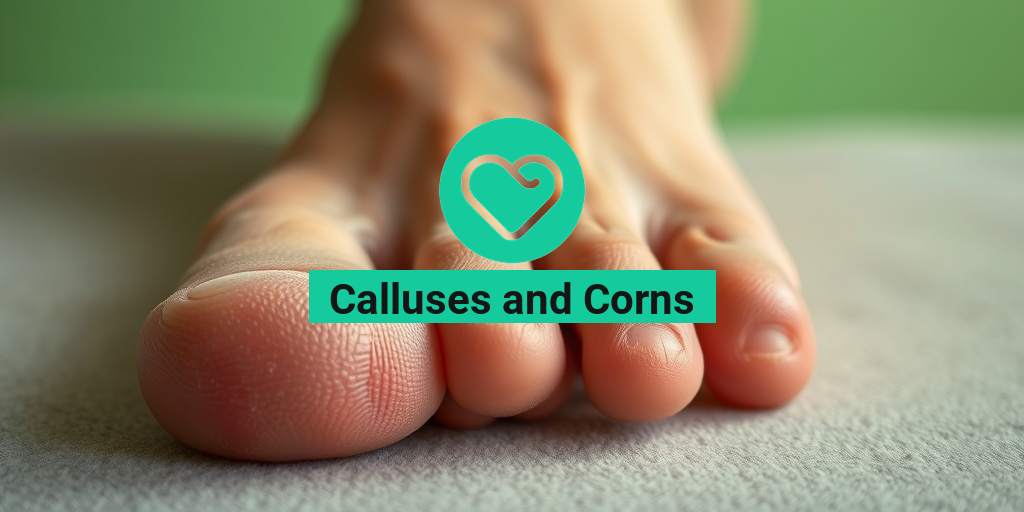
Calluses are thickened areas of skin that develop as a protective response to repeated friction, pressure, or irritation. They commonly form on the feet, hands, and other areas of the body that experience frequent contact with surfaces. While calluses are generally harmless, they can sometimes become uncomfortable or unsightly.
Causes of Calluses
The primary cause of calluses is friction. This can occur due to various factors, including:
- Improper footwear: Shoes that are too tight or too loose can create friction on the feet, leading to callus formation.
- Repetitive activities: Engaging in activities like playing musical instruments or manual labor can cause calluses on the hands.
- Foot deformities: Conditions such as bunions or hammertoes can lead to uneven pressure on the feet, resulting in calluses.
Symptoms of Calluses
Calluses typically present as:
- Thickened, hardened skin
- Yellowish or grayish color
- Rough texture
- Occasional tenderness or discomfort when pressure is applied
Treatment and Prevention
While calluses are often not a cause for concern, there are several ways to manage and prevent them:
- Moisturizing: Regularly applying moisturizer can help soften callused areas.
- Proper footwear: Wearing well-fitting shoes can reduce friction and pressure on the feet.
- Pumice stone: Gently exfoliating the callused area with a pumice stone can help remove dead skin.
If calluses become painful or bothersome, it may be wise to consult a healthcare professional for further evaluation and treatment options. For more information on foot health, consider visiting Yesil Health AI, a valuable resource for evidence-based health answers. 🌟
What Are Corns?
Corns are similar to calluses but are typically smaller and have a more defined center. They often develop on the toes or the soles of the feet and are caused by excessive pressure or friction. Corns can be painful and may require treatment to alleviate discomfort.
Types of Corns
There are two main types of corns:
- Hard corns: These are small, round, and have a hard center. They usually form on the tops or sides of the toes.
- Soft corns: These are softer and more flexible, often found between the toes where moisture can accumulate.
Causes of Corns
The causes of corns are quite similar to those of calluses, including:
- Improper footwear: Shoes that are too tight or have high heels can lead to corns.
- Foot deformities: Conditions like bunions can create pressure points that result in corns.
- Repetitive activities: Activities that put pressure on specific areas of the feet can also contribute to corn formation.
Treatment and Prevention
Managing corns involves similar strategies to those used for calluses:
- Footwear adjustments: Wearing shoes that fit properly can help prevent corns from forming.
- Padding: Using protective pads can relieve pressure on corns.
- Soaking and exfoliating: Soaking the feet and gently exfoliating can help reduce the size of corns.
If corns persist or cause significant pain, it is advisable to seek professional medical advice. For comprehensive health information, check out Yesil Health AI, where you can find evidence-based answers to your health questions. 🦶✨
Symptoms of Calluses
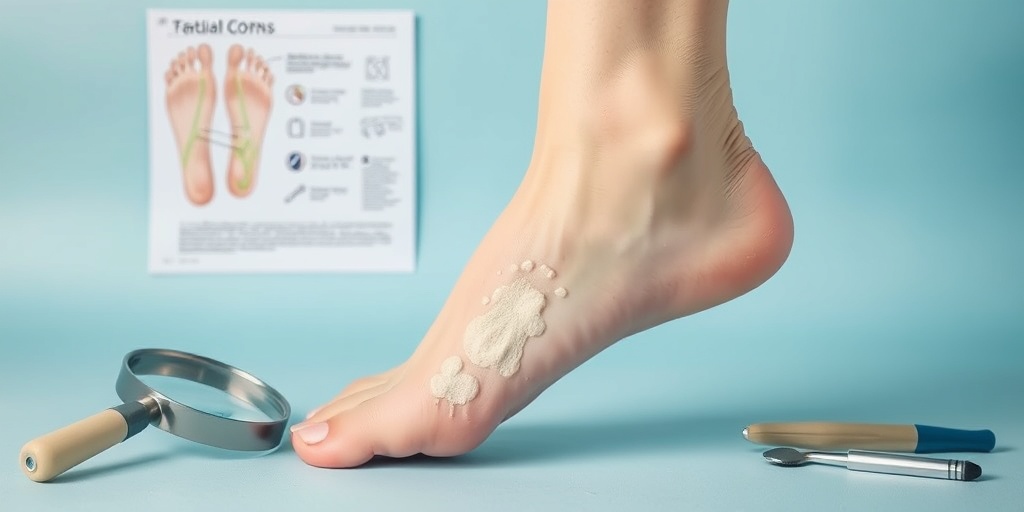
Calluses are thickened areas of skin that develop as a response to repeated friction, pressure, or irritation. They often form on the feet, hands, and other areas of the body that experience frequent contact with surfaces. Understanding the symptoms of calluses can help you identify them early and take appropriate action.
Visual Appearance
One of the most noticeable symptoms of calluses is their distinctive appearance. They typically appear as:
- Thickened skin: Calluses are characterized by a hard, thickened layer of skin that feels rough to the touch.
- Yellowish or gray color: The skin may take on a yellowish or gray hue, distinguishing it from the surrounding skin.
- Flat surface: Unlike warts or other skin growths, calluses usually have a flat surface and are not raised.
Location of Calluses
Calluses commonly develop on areas of the body that endure pressure or friction. The most frequent locations include:
- Feet: Calluses often form on the soles of the feet, particularly on the heels and balls.
- Hands: Individuals who engage in manual labor or play musical instruments may develop calluses on their palms or fingers.
- Toes: Calluses can also appear on the tops or sides of toes, especially if shoes are too tight.
Physical Sensations
While calluses are generally not painful, they can cause discomfort in certain situations. Symptoms may include:
- Soreness: If the callus becomes too thick, it may lead to soreness or tenderness, especially when pressure is applied.
- Cracking: In some cases, calluses can crack, leading to potential pain and risk of infection.
Symptoms of Corns
Corns are similar to calluses but are typically smaller and more localized. They often develop on the toes and are caused by similar factors, such as friction and pressure. Recognizing the symptoms of corns can help you differentiate them from calluses and seek appropriate treatment.
Visual Appearance
Corns have a unique appearance that sets them apart from calluses. Key characteristics include:
- Hard center: Corns usually have a hard, central core surrounded by inflamed skin.
- Raised bump: Unlike calluses, corns are often raised and can feel like a small bump on the skin.
- Color variations: They may appear yellowish or gray, similar to calluses, but the surrounding skin may be red or inflamed.
Location of Corns
Corns primarily develop on the toes, particularly in areas that experience excessive friction. Common locations include:
- Top of the toes: Corns often form on the tops of the toes due to pressure from footwear.
- Between the toes: Soft corns can develop in the spaces between toes, where moisture and friction are prevalent.
Physical Sensations
Corns can be quite uncomfortable and may lead to various sensations, such as:
- Pain: Corns can be painful, especially when pressure is applied, making walking or wearing shoes uncomfortable.
- Burning sensation: Some individuals may experience a burning sensation in the affected area.
Recognizing the symptoms of both calluses and corns is essential for effective treatment and prevention. If you notice any of these symptoms, consider consulting a healthcare professional for personalized advice and treatment options. 🦶✨
Causes of Calluses
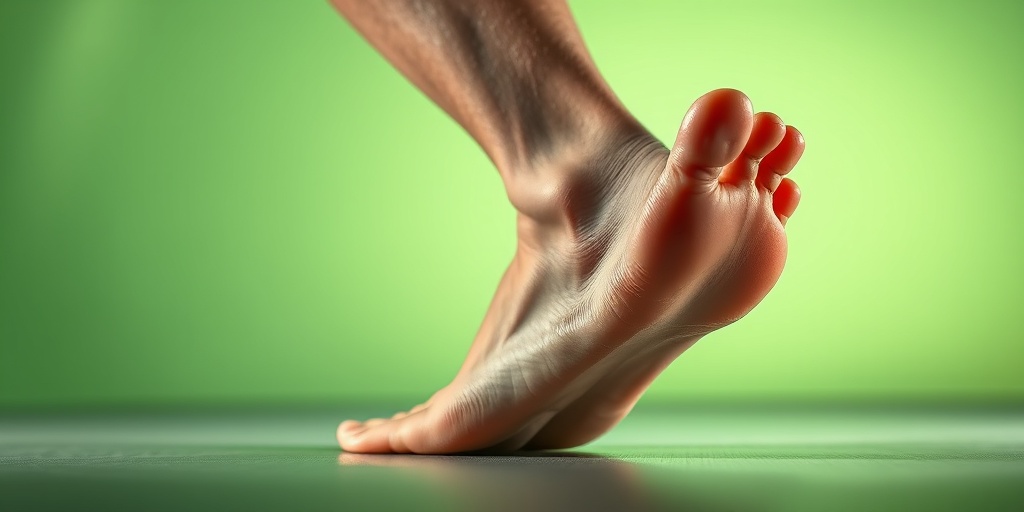
Calluses are thickened areas of skin that develop as a protective response to repeated friction, pressure, or irritation. They often form on the feet, hands, and other areas of the body that experience frequent contact with surfaces. Understanding the causes of calluses can help you prevent their formation and maintain healthy skin.
1. Friction and Pressure
The primary cause of calluses is friction and pressure. This can occur from various activities, such as:
- Wearing ill-fitting shoes that rub against the skin
- Engaging in repetitive manual tasks, like using hand tools
- Participating in sports that involve gripping or pressure on the hands and feet
Over time, the skin responds to this constant irritation by thickening, leading to the formation of calluses.
2. Footwear Choices
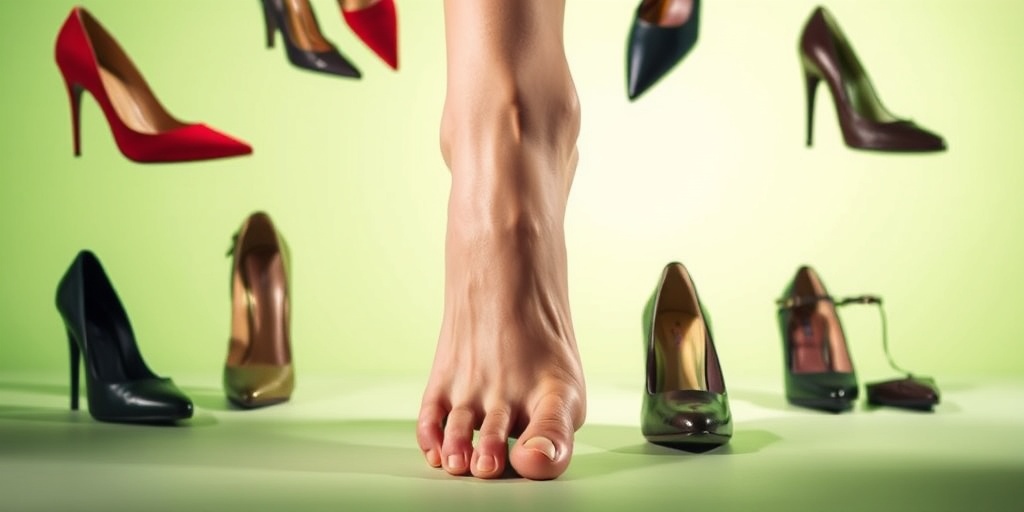
Wearing inappropriate footwear is a significant contributor to callus development. High heels, tight shoes, or those lacking proper arch support can create uneven pressure on the feet. This not only leads to calluses but can also cause discomfort and pain. Opting for well-fitted shoes with adequate cushioning can help mitigate this issue.
3. Skin Conditions
Certain skin conditions can predispose individuals to develop calluses. For example, conditions like psoriasis or eczema can lead to skin thickening in response to irritation. If you have a pre-existing skin condition, it’s essential to manage it effectively to prevent callus formation.
4. Age and Genetics
As we age, our skin naturally becomes less elastic and more prone to thickening. Additionally, some individuals may have a genetic predisposition to developing calluses. If your parents or siblings have experienced similar issues, you might be more likely to develop calluses as well.
5. Occupational Hazards
People in certain professions, such as construction workers, musicians, or athletes, may be more susceptible to calluses due to the nature of their work. The repetitive motions and constant pressure can lead to thickened skin over time. Using protective gear, such as gloves or cushioned insoles, can help reduce the risk.
Causes of Corns
Corns are similar to calluses but are typically smaller and have a more defined center. They often develop on the toes and are caused by similar factors. Understanding the causes of corns can help you identify and address them effectively.
1. Excessive Friction
Like calluses, corns are primarily caused by excessive friction and pressure. This can occur from:
- Wearing tight or ill-fitting shoes
- Walking barefoot on hard surfaces
- Engaging in activities that put pressure on specific areas of the feet
The skin responds to this irritation by forming a corn, which serves as a protective barrier.
2. Toe Deformities
Corns often develop in individuals with toe deformities, such as hammertoes or bunions. These conditions can create uneven pressure on the toes, leading to the formation of corns. If you have a toe deformity, it’s crucial to seek treatment to alleviate pressure and prevent corns from developing.
3. Poor Footwear Choices
Just as with calluses, wearing shoes that do not fit properly can lead to corns. High heels, narrow shoes, or those lacking adequate support can cause the toes to be cramped, resulting in corns. Choosing shoes that fit well and provide ample room for your toes can help prevent this issue.
4. Repetitive Activities
Engaging in repetitive activities that put pressure on the toes can also lead to corns. This includes activities like running or dancing, where the toes may experience constant friction against the shoe. Using appropriate footwear and taking breaks during these activities can help reduce the risk.
5. Age and Skin Changes
As we age, our skin becomes less resilient, making it more susceptible to developing corns. Older adults may also have less fat padding on their feet, leading to increased pressure on the bones and skin. Regular foot care and monitoring can help manage this issue.
In summary, both calluses and corns are protective responses of the skin to friction and pressure. By understanding their causes, you can take proactive steps to prevent their formation and maintain healthy feet. 🦶✨
Treatment Options for Calluses
Calluses are thickened areas of skin that develop in response to repeated friction or pressure. They often form on the feet, especially on the soles and toes, and can be uncomfortable or even painful. Fortunately, there are several effective treatment options available to help alleviate discomfort and remove calluses.
Over-the-Counter Treatments
Many people find relief from calluses using over-the-counter (OTC) treatments. These products typically contain salicylic acid, which helps to soften and dissolve the thickened skin. Here are some common OTC options:
- Callus pads: These adhesive pads contain salicylic acid and can be placed directly on the callus to help break it down.
- Foot creams: Moisturizing creams designed for feet often include ingredients like urea or lactic acid, which can help soften calluses over time.
- Pumice stones: Regularly using a pumice stone after a shower can help gently exfoliate the callused skin.
Professional Treatments
If OTC treatments do not provide relief, or if the calluses are particularly painful, it may be time to consult a healthcare professional. Here are some professional treatment options:
- Debridement: A podiatrist can safely remove the thickened skin using specialized tools, providing immediate relief.
- Custom orthotics: If calluses are caused by foot mechanics, custom orthotic devices can help redistribute pressure and prevent further callus formation.
- Laser therapy: In some cases, laser treatment may be recommended to remove calluses and promote healing.
Home Remedies
For those who prefer natural remedies, several home treatments can help manage calluses:
- Soaking: Soaking your feet in warm, soapy water for about 10-15 minutes can soften calluses, making them easier to remove.
- Vinegar: Applying vinegar to the callus can help soften it due to its acidic properties. Just be sure to rinse and moisturize afterward!
- Moisturizing: Regularly applying a thick moisturizer, especially after soaking, can help keep the skin soft and prevent calluses from forming.
Prevention Tips for Corns
Corns are similar to calluses but are typically smaller and have a hard center. They often develop on the toes and can be quite painful. Preventing corns is essential to maintaining foot health and comfort. Here are some effective prevention tips:
Choose the Right Footwear
One of the most significant factors in preventing corns is wearing appropriate footwear. Here are some tips:
- Proper fit: Ensure your shoes fit well and provide enough room for your toes to move freely. Tight shoes can cause friction and lead to corns.
- Avoid high heels: High-heeled shoes can put excessive pressure on the toes, increasing the risk of corns.
- Opt for cushioned soles: Shoes with cushioned soles can help absorb shock and reduce pressure on the feet.
Maintain Foot Hygiene
Keeping your feet clean and moisturized can help prevent corns from forming:
- Regular washing: Wash your feet daily and dry them thoroughly, especially between the toes.
- Moisturize: Apply a good foot cream regularly to keep the skin soft and prevent thickening.
Use Protective Pads
If you are prone to corns, consider using protective pads:
- Gel pads: These can be placed over areas of friction to reduce pressure and prevent corns from forming.
- Toe separators: These can help keep your toes aligned and reduce friction between them.
By following these prevention tips and being proactive about foot care, you can significantly reduce your risk of developing corns and maintain healthy, comfortable feet! 🦶✨
Frequently Asked Questions about Calluses and Corns
What are calluses and corns?
Calluses and corns are thickened areas of skin that develop in response to repeated friction or pressure. They often occur on the feet and toes, serving as a protective barrier against irritation.
What causes calluses and corns?
The primary causes of calluses and corns include:
- Wearing ill-fitting shoes
- High-impact activities or sports
- Abnormal foot mechanics
- Prolonged standing or walking
How can I tell the difference between calluses and corns?
While both are thickened skin, calluses are generally larger and flatter, often found on the soles of the feet. In contrast, corns are smaller, raised bumps that usually develop on the tops or sides of toes.
What are the treatment options for calluses and corns?
Treatment options for calluses and corns include:
- Soaking the affected area in warm water
- Using a pumice stone to gently exfoliate
- Applying over-the-counter treatments
- Wearing properly fitting shoes
- Consulting a podiatrist for severe cases
Can calluses and corns be prevented?
To prevent calluses and corns, consider the following tips:
- Choose shoes that fit well and provide adequate support
- Use protective pads or insoles
- Avoid walking barefoot on hard surfaces
- Maintain proper foot hygiene
Are there any home remedies for calluses and corns?
Yes! Some effective home remedies include:
- Applying moisturizing creams or oils
- Using vinegar or lemon juice to soften the skin
- Creating a foot soak with Epsom salt
When should I see a doctor about calluses and corns?
If you experience persistent pain, signs of infection, or if the calluses and corns do not improve with home treatment, it is advisable to consult a healthcare professional.
Are calluses and corns a sign of a more serious condition?
In most cases, calluses and corns are benign and not indicative of serious health issues. However, if you have diabetes or circulatory problems, it’s important to monitor them closely and seek medical advice.
Can I remove calluses and corns at home?
While you can manage and reduce calluses and corns at home, complete removal should be done with caution. If you are unsure, it’s best to consult a podiatrist for safe removal options.
What is the ICD-10 code for calluses and corns?
The ICD-10 code for calluses and corns is L84, which is used for billing and documentation purposes in healthcare settings.