What Is Burning Mouth Syndrome?
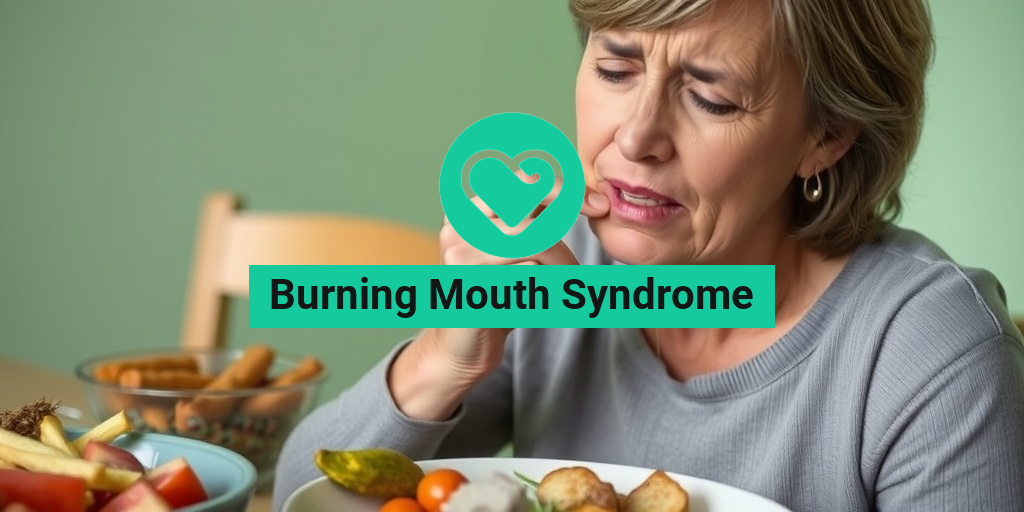
Burning Mouth Syndrome (BMS) is a complex and often perplexing condition characterized by a persistent burning sensation in the mouth, which can affect the tongue, gums, lips, and even the entire oral cavity. This syndrome can occur without any visible signs of inflammation or lesions, making it particularly challenging for both patients and healthcare providers to diagnose and treat.
The exact cause of BMS remains unclear, but it is believed to be linked to a variety of factors, including hormonal changes, nutritional deficiencies, and psychological issues. Some studies suggest that it may be associated with conditions such as dry mouth (xerostomia), oral thrush, or even certain medications that can alter taste and sensation.
Interestingly, BMS can affect individuals of all ages, but it is more commonly reported in middle-aged and older women, particularly those experiencing menopause. This has led researchers to explore the potential hormonal connections to the syndrome.
Understanding the Types of Burning Mouth Syndrome
BMS can be classified into two main types:
- Primary BMS: This form occurs without any identifiable underlying medical condition. It is often considered idiopathic, meaning the cause is unknown.
- Secondary BMS: This type is associated with other medical conditions, such as diabetes, allergies, or vitamin deficiencies. Identifying and treating the underlying condition can sometimes alleviate the symptoms of BMS.
Burning Mouth Symptoms
The symptoms of Burning Mouth Syndrome can vary widely among individuals, but the most common complaint is a persistent burning sensation in the mouth. Here are some of the key symptoms to be aware of:
Common Symptoms
- Burning Sensation: This is the hallmark symptom of BMS, often described as a feeling of heat or scalding in the mouth.
- Dry Mouth: Many individuals with BMS report experiencing dry mouth, which can exacerbate the burning sensation.
- Altered Taste: Some people may notice changes in their taste perception, including a metallic or bitter taste.
- Oral Discomfort: This can include a feeling of tightness or soreness in the mouth, particularly on the tongue and gums.
- Increased Thirst: Due to dry mouth, individuals may feel an increased need to drink fluids.
When to Seek Medical Advice
If you experience persistent burning sensations in your mouth that last for more than a few weeks, it is essential to consult a healthcare professional. They can help rule out other potential causes and provide appropriate treatment options. Early diagnosis and intervention can significantly improve your quality of life.
Potential Impact on Daily Life
The symptoms of BMS can significantly impact daily activities, including eating, drinking, and speaking. Many individuals report feelings of frustration and anxiety due to the chronic nature of the condition. It’s important to remember that you are not alone; support groups and resources, such as Yesil Health AI (yesilhealth.com), can provide valuable information and community support for those dealing with BMS.
In conclusion, Burning Mouth Syndrome is a multifaceted condition that requires a comprehensive approach to diagnosis and management. Understanding the symptoms and seeking appropriate medical advice can lead to effective treatment and improved quality of life. If you suspect you may be experiencing BMS, don’t hesitate to reach out to a healthcare provider for guidance.

Common Causes of Burning Mouth
Burning Mouth Syndrome (BMS) is a perplexing condition that can leave individuals feeling uncomfortable and frustrated. The sensation of burning in the mouth can vary in intensity and may affect the tongue, lips, gums, and even the entire oral cavity. Understanding the common causes of burning mouth syndrome is crucial for effective management and treatment. Here are some of the primary culprits:
1. Oral Health Issues
Dental problems such as cavities, gum disease, or poorly fitting dentures can contribute to the burning sensation. Infections or irritations in the mouth can also lead to discomfort. Maintaining good oral hygiene and regular dental check-ups can help mitigate these issues.
2. Nutritional Deficiencies
A lack of essential vitamins and minerals, particularly vitamin B12, iron, and folate, can result in burning sensations in the mouth. These nutrients are vital for maintaining healthy nerve function and tissue repair. If you suspect a deficiency, consider consulting a healthcare professional for appropriate testing and dietary recommendations.
3. Hormonal Changes
For many women, menopause can trigger burning mouth syndrome. Hormonal fluctuations during this time can lead to changes in oral tissues, resulting in discomfort. If you are experiencing symptoms related to menopause, discussing them with your healthcare provider can help you find relief.
4. Allergies and Sensitivities
Some individuals may have allergic reactions or sensitivities to certain foods, dental products, or oral hygiene products. Common allergens include cinnamon, mint, and certain preservatives. Keeping a food diary can help identify potential triggers.
5. Medical Conditions
Several medical conditions are associated with burning mouth syndrome, including:
- Diabetes: Fluctuating blood sugar levels can affect nerve function and lead to burning sensations.
- Thyroid Disorders: An underactive or overactive thyroid can contribute to oral discomfort.
- Autoimmune Disorders: Conditions like Sjögren’s syndrome can cause dry mouth and burning sensations.
6. Psychological Factors
Stress, anxiety, and depression can exacerbate symptoms of burning mouth syndrome. Psychological factors can lead to changes in perception of pain and discomfort, making it essential to address mental health alongside physical symptoms. Techniques such as mindfulness, therapy, or relaxation exercises may provide relief.
Risk Factors for Burning Mouth Syndrome
Understanding the risk factors for burning mouth syndrome can help individuals identify their susceptibility to this condition. While anyone can develop BMS, certain factors may increase the likelihood:
1. Age and Gender
Burning mouth syndrome is more prevalent in women, particularly those over the age of 50. Hormonal changes during menopause may play a significant role in this increased risk.
2. Existing Health Conditions
Individuals with chronic health conditions, such as diabetes, allergies, or autoimmune diseases, are at a higher risk for developing BMS. These conditions can affect the body’s ability to heal and maintain oral health.
3. Medications
Certain medications, particularly those that cause dry mouth as a side effect, can increase the risk of burning mouth syndrome. Common culprits include:
- Antidepressants
- Antihistamines
- Blood pressure medications
4. Lifestyle Factors
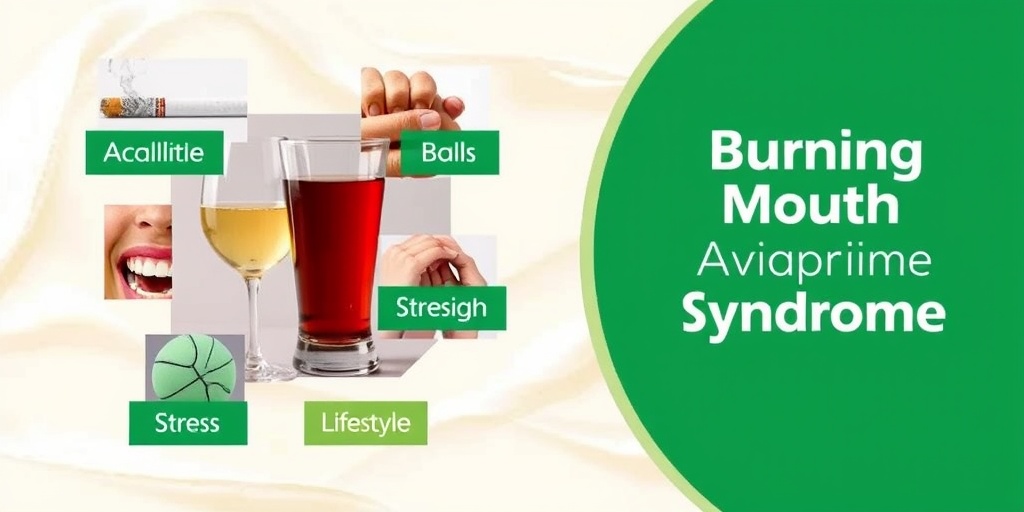
Habits such as smoking or excessive alcohol consumption can irritate the oral mucosa and contribute to burning sensations. Additionally, poor oral hygiene can exacerbate existing conditions, increasing the risk of BMS.
5. Psychological Stress
As mentioned earlier, psychological factors can play a significant role in the development of burning mouth syndrome. Individuals experiencing high levels of stress or anxiety may be more susceptible to this condition. Seeking support through counseling or stress management techniques can be beneficial.
In summary, recognizing the common causes and risk factors associated with burning mouth syndrome is essential for effective management. If you or someone you know is experiencing symptoms, consulting a healthcare professional can provide guidance and support in finding relief. 🌟
Diagnosing Burning Mouth Syndrome
Burning Mouth Syndrome (BMS) is a complex condition characterized by a persistent burning sensation in the mouth, often affecting the tongue, lips, gums, and palate. Diagnosing this syndrome can be challenging due to its multifactorial nature and the overlap of symptoms with other oral and systemic conditions. Here’s a closer look at how healthcare professionals diagnose BMS.
Understanding the Symptoms
The first step in diagnosing Burning Mouth Syndrome is recognizing its symptoms. Common symptoms include:
- Burning sensation: This is the hallmark symptom, often described as a scalding or tingling feeling.
- Dry mouth: Many patients report a feeling of dryness, which can exacerbate the burning sensation.
- Altered taste: Some individuals experience changes in taste perception, such as a metallic or bitter taste.
- Oral discomfort: This can include soreness or sensitivity in the mouth.
Medical History and Physical Examination
When diagnosing BMS, healthcare providers will typically start with a thorough medical history and physical examination. They will ask about:
- Duration of symptoms: How long have you been experiencing the burning sensation?
- Triggers: Are there specific foods, drinks, or activities that worsen the symptoms?
- Medical conditions: Do you have any underlying health issues, such as diabetes or autoimmune disorders?
- Medications: Are you taking any medications that could contribute to dry mouth or oral discomfort?
Exclusion of Other Conditions
Since the symptoms of Burning Mouth Syndrome can mimic those of other conditions, it’s crucial to rule out other potential causes. This may involve:
- Blood tests: To check for nutritional deficiencies (like vitamin B12 or iron), diabetes, or thyroid issues.
- Allergy tests: To identify any allergic reactions to dental materials or foods.
- Oral examinations: To look for signs of oral infections, lesions, or other abnormalities.
Once other conditions have been ruled out, and if the symptoms align with the characteristics of BMS, a diagnosis can be made. It’s essential to work closely with a healthcare provider to ensure an accurate diagnosis and appropriate management plan. 🩺
Treatment Options for Burning Mouth
Managing Burning Mouth Syndrome can be challenging, but various treatment options are available to help alleviate symptoms and improve quality of life. The approach to treatment often depends on the underlying causes and individual patient needs.
Medications
Several medications may be prescribed to help manage the symptoms of BMS:
- Antidepressants: Low doses of certain antidepressants, such as amitriptyline, can help reduce pain and discomfort.
- Anticonvulsants: Medications like gabapentin may be effective in managing nerve pain associated with BMS.
- Topical treatments: Mouth rinses containing lidocaine or other numbing agents can provide temporary relief.
Home Remedies and Lifestyle Changes
In addition to medications, several home remedies and lifestyle changes can help manage symptoms:
- Stay hydrated: Drinking plenty of water can help alleviate dry mouth and reduce burning sensations.
- Avoid irritants: Limit consumption of spicy, acidic, or hot foods that may exacerbate symptoms.
- Practice good oral hygiene: Regular brushing and flossing can help maintain oral health and reduce discomfort.
- Stress management: Techniques such as meditation, yoga, or deep breathing exercises can help reduce stress, which may trigger or worsen symptoms.
Dietary Adjustments
Some individuals find relief by making dietary adjustments. Consider incorporating:
- Soft foods: Foods that are easy to chew and swallow can minimize discomfort.
- Cold foods: Ice cream or chilled smoothies may provide soothing relief.
- Vitamin-rich foods: Incorporating foods rich in vitamins and minerals can help address any deficiencies contributing to BMS.
It’s essential to consult with a healthcare provider before starting any treatment plan for Burning Mouth Syndrome. They can help tailor a management strategy that best suits your individual needs and circumstances. 🌟

Home Remedies for Burning Mouth
Burning Mouth Syndrome (BMS) can be an uncomfortable and distressing condition, often leaving individuals searching for relief. While it’s essential to consult with a healthcare professional for a proper diagnosis and treatment plan, there are several home remedies that may help alleviate the symptoms associated with this syndrome. Here are some effective strategies you can try:
1. Stay Hydrated
One of the simplest yet most effective remedies is to ensure you are drinking enough water throughout the day. Dehydration can exacerbate the burning sensation in your mouth. Aim for at least 8-10 glasses of water daily to keep your mouth moist and reduce discomfort.
2. Use Sugar-Free Gum or Lozenges
Chewing sugar-free gum or sucking on lozenges can stimulate saliva production, which may help soothe the burning sensation. Look for options that contain xylitol, as this natural sweetener can also promote oral health.
3. Rinse with Salt Water
A warm saltwater rinse can help reduce inflammation and promote healing in your mouth. Mix 1 teaspoon of salt in a glass of warm water and rinse your mouth several times a day. This can also help cleanse your mouth of irritants.
4. Try Aloe Vera Gel
Aloe vera is known for its soothing properties. Applying a small amount of pure aloe vera gel to the affected areas of your mouth may provide relief from the burning sensation. Ensure that the gel is free from additives and preservatives.
5. Avoid Irritating Foods
Certain foods can trigger or worsen the symptoms of Burning Mouth Syndrome. It’s advisable to avoid:
Keeping a food diary can help you identify specific triggers and manage your diet accordingly.
6. Use a Humidifier
If you live in a dry climate or use heating systems that dry out the air, consider using a humidifier in your home. This can help maintain moisture levels in the air, which may alleviate dryness in your mouth.
7. Practice Stress-Relief Techniques
Stress and anxiety can contribute to the symptoms of Burning Mouth Syndrome. Engaging in relaxation techniques such as yoga, meditation, or deep-breathing exercises can help reduce stress levels and improve your overall well-being.
Living with Burning Mouth Syndrome
Living with Burning Mouth Syndrome can be challenging, but understanding the condition and adopting coping strategies can significantly improve your quality of life. Here are some tips for managing BMS effectively:
1. Educate Yourself
Knowledge is power. Understanding the symptoms, causes, and potential treatments for Burning Mouth Syndrome can help you feel more in control. Research reputable sources and consider joining support groups where you can share experiences and learn from others facing similar challenges.
2. Communicate with Your Healthcare Provider
Regular communication with your healthcare provider is crucial. Discuss any changes in your symptoms, treatment effectiveness, and any new concerns that arise. This ongoing dialogue can help tailor your treatment plan to better suit your needs.
3. Maintain Good Oral Hygiene
Practicing good oral hygiene is essential for managing Burning Mouth Syndrome. Brush your teeth at least twice a day and floss daily. Consider using a non-alcoholic mouthwash to avoid further irritation.
4. Explore Dietary Adjustments
As mentioned earlier, certain foods can trigger symptoms. Keeping a food diary can help you identify which foods to avoid. Additionally, incorporating foods rich in vitamins and minerals, such as vitamin B12 and iron, may support oral health.
5. Seek Emotional Support
Living with a chronic condition can take a toll on your mental health. Don’t hesitate to seek support from friends, family, or mental health professionals. Sharing your feelings and experiences can provide relief and help you cope better.
6. Stay Positive
Maintaining a positive outlook can be beneficial in managing the symptoms of Burning Mouth Syndrome. Engage in activities that bring you joy, practice gratitude, and surround yourself with supportive people. A positive mindset can make a significant difference in your overall well-being.
By implementing these home remedies and coping strategies, you can take proactive steps toward managing Burning Mouth Syndrome and improving your quality of life. Remember, it’s essential to consult with a healthcare professional for personalized advice and treatment options. 🌟

Frequently Asked Questions about Burning Mouth Syndrome
What is Burning Mouth Syndrome?
Burning Mouth Syndrome (BMS) is a condition characterized by a burning sensation in the mouth, which can affect the tongue, gums, lips, and other areas. This discomfort can occur without any visible signs of damage or inflammation.
What are the common symptoms of Burning Mouth Syndrome?
- Burning sensation in the mouth
- Dry mouth
- Altered taste sensation
- Increased thirst
- Oral discomfort
What causes Burning Mouth Syndrome?
The exact cause of Burning Mouth Syndrome is often unclear, but it may be linked to various factors, including:
- Hormonal changes, especially during menopause
- Allergies or sensitivities to certain foods or dental products
- Vitamin deficiencies, particularly B vitamins
- Stress and anxiety
- Medical conditions such as diabetes or thyroid disorders
How is Burning Mouth Syndrome diagnosed?
Diagnosis typically involves a thorough medical history and physical examination. Your healthcare provider may also conduct tests to rule out other conditions that could cause similar symptoms.
What are the treatment options for Burning Mouth Syndrome?
Treatment for Burning Mouth Syndrome varies depending on the underlying cause. Options may include:
- Medications to manage pain or discomfort
- Oral rinses or mouthwashes
- Dietary changes to address deficiencies
- Stress management techniques
Can Burning Mouth Syndrome be related to menopause?
Yes, Burning Mouth Syndrome can be associated with menopause due to hormonal changes that affect oral health. Women experiencing menopause may notice an increase in symptoms.
Is there a connection between Burning Mouth Syndrome and anxiety?
There is evidence suggesting that anxiety and stress can exacerbate the symptoms of Burning Mouth Syndrome. Managing stress through relaxation techniques may help alleviate symptoms.
Where can I find support for Burning Mouth Syndrome?
Support groups and online forums can be valuable resources for individuals dealing with Burning Mouth Syndrome. Engaging with others who share similar experiences can provide comfort and practical advice.
Are there any lifestyle changes that can help with Burning Mouth Syndrome?
Yes, certain lifestyle changes may help manage symptoms, such as:
- Avoiding spicy or acidic foods
- Staying hydrated
- Practicing good oral hygiene
- Reducing caffeine and alcohol intake
When should I see a doctor about Burning Mouth Syndrome?
If you experience persistent burning sensations in your mouth that interfere with your daily life, it is important to consult a healthcare professional for proper evaluation and treatment.