What Is Bowen’s Disease?
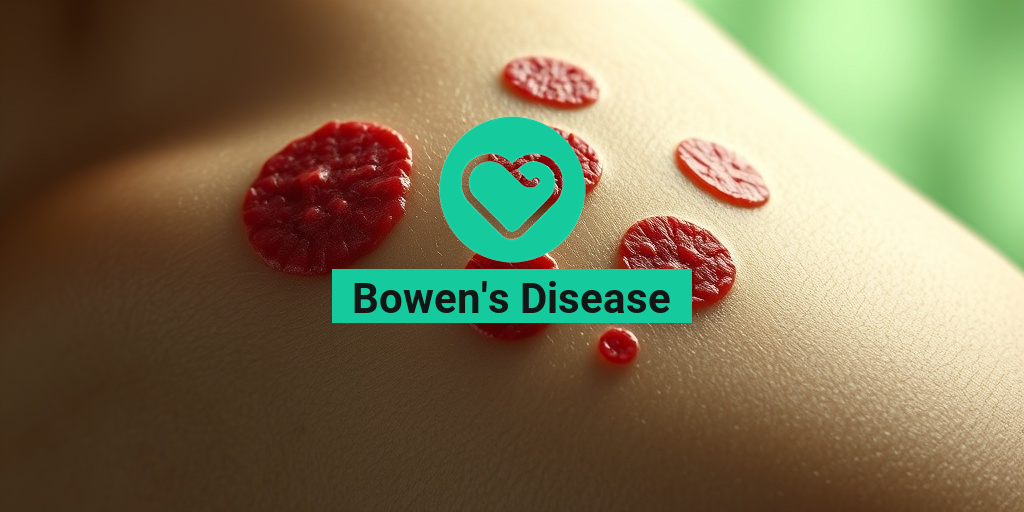
Bowen’s Disease, also known as squamous cell carcinoma in situ, is a type of skin cancer that primarily affects the outer layer of the skin, known as the epidermis. This condition is characterized by the uncontrolled growth of abnormal cells, which can appear as red, scaly patches on the skin. While Bowen’s Disease is not life-threatening, it is essential to recognize and treat it promptly to prevent progression to invasive squamous cell carcinoma.
This skin condition is often associated with prolonged sun exposure, making it more common in individuals who spend a lot of time outdoors without adequate sun protection. Additionally, those with weakened immune systems or a history of skin cancer are at a higher risk of developing Bowen’s Disease.
Causes of Bowen’s Disease
The primary cause of Bowen’s Disease is damage to the skin cells, often due to:
- Ultraviolet (UV) Radiation: Excessive sun exposure is a significant risk factor.
- Chronic Skin Irritation: Long-term irritation from chemicals or other environmental factors can contribute.
- Human Papillomavirus (HPV): Certain strains of HPV have been linked to the development of Bowen’s Disease.
Understanding these causes can help in taking preventive measures, such as using sunscreen and avoiding tanning beds, to reduce the risk of developing this condition.
Bowen’s Disease Symptoms
Recognizing the symptoms of Bowen’s Disease is crucial for early diagnosis and treatment. The signs can vary, but they typically include:
Common Symptoms
- Red or Brown Patches: These patches may appear scaly and can be mistaken for other skin conditions.
- Itching or Burning Sensation: Some individuals may experience discomfort in the affected area.
- Crusting or Bleeding: In more advanced cases, the lesions may crust over or bleed.
Bowen’s Disease can occur anywhere on the body, but it is most commonly found on sun-exposed areas such as the face, neck, arms, and legs. If you notice any of these symptoms, it is essential to consult a healthcare professional for a proper diagnosis.
Diagnosis and Treatment Options
Diagnosis of Bowen’s Disease typically involves a physical examination and a biopsy of the affected skin. This helps to confirm the presence of abnormal cells. Once diagnosed, several treatment options are available:
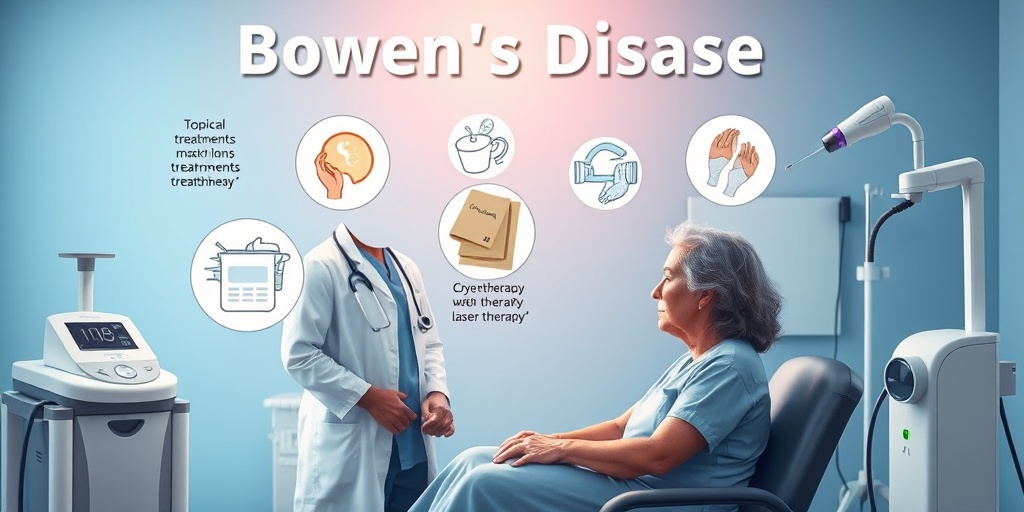
- Topical Chemotherapy: Creams containing chemotherapy agents can be applied directly to the lesions.
- Cryotherapy: This involves freezing the abnormal cells with liquid nitrogen.
- Electrosurgery: This technique uses electrical currents to remove the affected skin.
- Laser Therapy: Laser treatments can effectively target and destroy abnormal cells.
Each treatment option has its benefits and potential side effects, so it’s essential to discuss these with your healthcare provider to determine the best approach for your situation.
Preventive Measures
Preventing Bowen’s Disease involves protecting your skin from UV radiation and maintaining overall skin health. Here are some effective strategies:
- Use Sunscreen: Apply a broad-spectrum sunscreen with an SPF of 30 or higher daily.
- Avoid Tanning Beds: These can significantly increase your risk of skin cancer.
- Wear Protective Clothing: Long sleeves and hats can shield your skin from harmful rays.
By taking these precautions, you can significantly reduce your risk of developing Bowen’s Disease and other skin-related issues.
For more information on Bowen’s Disease and other health-related topics, consider visiting Yesil Health AI, a valuable resource for evidence-based health answers.
In conclusion, while Bowen’s Disease is a manageable condition, awareness of its symptoms and causes is vital for early intervention. If you suspect you may have Bowen’s Disease, don’t hesitate to seek medical advice. Your skin health is important! 🌞

Causes of Bowen’s Disease
Bowen’s Disease, also known as squamous cell carcinoma in situ, is a type of skin cancer that primarily affects the outer layer of the skin. Understanding the causes of Bowen’s Disease is crucial for prevention and early detection. Here are some of the main factors that contribute to its development:
1. Sun Exposure
One of the most significant causes of Bowen’s Disease is prolonged exposure to ultraviolet (UV) radiation from the sun. UV rays can damage the DNA in skin cells, leading to abnormal growth. This is particularly true for individuals who spend a lot of time outdoors without adequate sun protection.
2. Tanning Beds
Similar to sun exposure, the use of tanning beds can increase the risk of developing Bowen’s Disease. The concentrated UV radiation emitted by these devices can cause skin damage and promote the development of precancerous lesions.
3. Skin Type
Individuals with fair skin, light-colored eyes, and red or blonde hair are at a higher risk for Bowen’s Disease. These characteristics are associated with lower levels of melanin, which provides some natural protection against UV radiation.
4. Chronic Skin Conditions
Chronic skin conditions, such as psoriasis or eczema, can also contribute to the development of Bowen’s Disease. These conditions may lead to persistent inflammation and skin damage, increasing the likelihood of abnormal cell growth.
5. HPV Infection
Certain strains of the human papillomavirus (HPV) have been linked to the development of Bowen’s Disease. HPV can cause changes in the skin cells, leading to the formation of precancerous lesions.
6. Immunosuppression
Individuals with weakened immune systems, whether due to medical conditions or medications, are at a higher risk for Bowen’s Disease. A compromised immune system may struggle to detect and eliminate abnormal cells, allowing them to proliferate.
Risk Factors for Bowen’s Disease
In addition to the causes, several risk factors can increase the likelihood of developing Bowen’s Disease. Being aware of these factors can help individuals take proactive steps to reduce their risk:
1. Age
Bowen’s Disease is more commonly diagnosed in older adults, particularly those over the age of 60. As we age, our skin becomes more susceptible to damage from UV radiation and other environmental factors.
2. Gender
Research indicates that men are more likely to develop Bowen’s Disease than women. This may be due to differences in sun exposure habits or occupational hazards that expose men to higher levels of UV radiation.
3. Geographic Location
Living in areas with high levels of sunlight, such as tropical or subtropical regions, can increase the risk of Bowen’s Disease. Residents in these areas are often exposed to more intense UV radiation, which can lead to skin damage over time.
4. History of Skin Cancer
Individuals with a personal or family history of skin cancer are at a greater risk for Bowen’s Disease. A previous diagnosis of skin cancer can indicate a predisposition to developing other skin malignancies.
5. Occupational Exposure
Certain occupations that involve frequent sun exposure, such as construction work or outdoor sports, can increase the risk of Bowen’s Disease. Workers in these fields should take precautions to protect their skin from UV damage.
6. Smoking
Smoking has been linked to various skin conditions, including Bowen’s Disease. The harmful chemicals in tobacco can affect skin health and contribute to the development of skin cancers.
By understanding the causes and risk factors associated with Bowen’s Disease, individuals can take proactive measures to protect their skin and seek early treatment if necessary. Regular skin checks and sun protection are essential components of skin health! ☀️

Diagnosing Bowen’s Disease
Bowen’s Disease, also known as squamous cell carcinoma in situ, is a type of skin cancer that can often be mistaken for other skin conditions. Early diagnosis is crucial for effective treatment and management. Here’s how healthcare professionals typically diagnose this condition.
Clinical Examination
The first step in diagnosing Bowen’s Disease usually involves a thorough clinical examination by a dermatologist. During this examination, the doctor will look for characteristic signs, such as:
- Red, scaly patches: These patches may appear on sun-exposed areas of the skin, such as the face, neck, and arms.
- Irregular borders: The edges of the lesions may be uneven or poorly defined.
- Crusting or bleeding: In some cases, the lesions may crust over or bleed, which can be a sign of progression.
Dermatoscopy
To enhance the accuracy of the diagnosis, dermatologists may use a technique called dermatoscopy. This involves using a handheld device that magnifies the skin’s surface, allowing the doctor to see details that are not visible to the naked eye. Dermatoscopy can help differentiate Bowen’s Disease from other skin conditions, such as actinic keratosis or psoriasis.
Biopsy
If Bowen’s Disease is suspected, a skin biopsy is often performed. This involves removing a small sample of the affected skin for laboratory analysis. The biopsy can confirm the diagnosis by examining the cells under a microscope. There are different types of biopsies, including:
- Shave biopsy: A thin layer of skin is shaved off.
- Excisional biopsy: The entire lesion is removed for examination.
Once the biopsy results are available, the healthcare provider can confirm whether Bowen’s Disease is present and discuss the best treatment options.
Bowen’s Disease Treatment Options
When it comes to treating Bowen’s Disease, there are several effective options available. The choice of treatment often depends on the size, location, and number of lesions, as well as the patient’s overall health. Here are some common treatment methods:
Topical Treatments
For superficial lesions, topical treatments can be quite effective. These include:
- 5-fluorouracil (5-FU): This chemotherapy cream is applied directly to the lesion, targeting cancerous cells.
- Imiquimod: This immune response modifier helps the body fight off the cancerous cells.
These treatments may require several weeks of application and can cause local irritation, but they are generally well-tolerated.
Cryotherapy
Cryotherapy involves freezing the lesion with liquid nitrogen. This method destroys the abnormal cells and is often used for smaller lesions. Patients may experience some discomfort during the procedure, but it is usually quick and effective.
Electrosurgery
In cases where the lesions are more extensive, electrosurgery may be recommended. This technique uses electrical currents to destroy the cancerous tissue. It is often performed under local anesthesia and can be an effective option for larger or thicker lesions.
Photodynamic Therapy (PDT)
Photodynamic therapy is another innovative treatment option. It involves applying a photosensitizing agent to the skin, which is then activated by a specific wavelength of light. This process selectively destroys cancerous cells while sparing healthy tissue. PDT is particularly useful for multiple lesions or those in cosmetically sensitive areas.
Surgical Excision
For larger or more aggressive lesions, surgical excision may be necessary. This involves removing the entire lesion along with a margin of healthy skin to ensure complete removal of cancerous cells. This method is often preferred for lesions that have a higher risk of recurrence.
Follow-Up Care
Regardless of the treatment chosen, regular follow-up appointments are essential to monitor for any signs of recurrence. Patients should also be educated about sun protection and skin care to minimize the risk of developing new lesions.
In conclusion, early diagnosis and a tailored treatment plan are key to effectively managing Bowen’s Disease. If you notice any suspicious skin changes, consult a healthcare professional promptly for evaluation and potential treatment. 🌞
Home Care for Bowen’s Disease
Bowen’s Disease, also known as squamous cell carcinoma in situ, is a type of skin cancer that appears as a persistent, scaly patch on the skin. While professional medical treatment is essential, home care plays a crucial role in managing the condition and promoting healing. Here are some effective home care strategies for individuals diagnosed with Bowen’s Disease.
Understanding Bowen’s Disease
Before diving into home care, it’s important to understand what Bowen’s Disease entails. It typically manifests as a red, scaly patch that may bleed or crust over. Commonly found on sun-exposed areas like the face, neck, and legs, it can be mistaken for other skin conditions, such as actinic keratosis. Early detection and treatment are vital to prevent progression to invasive squamous cell carcinoma.
Skin Care Routine
Maintaining a proper skin care routine is essential for managing Bowen’s Disease. Here are some tips:
- Gentle Cleansing: Use a mild, fragrance-free cleanser to wash the affected area. Avoid harsh soaps that can irritate the skin.
- Moisturizing: Apply a gentle moisturizer regularly to keep the skin hydrated. Look for products with soothing ingredients like aloe vera or hyaluronic acid.
- Sun Protection: Protect your skin from UV rays by applying a broad-spectrum sunscreen with at least SPF 30. Wear protective clothing and seek shade when outdoors.
Diet and Nutrition
A healthy diet can support your skin’s healing process. Consider incorporating the following:
- Antioxidant-Rich Foods: Foods high in antioxidants, such as berries, leafy greens, and nuts, can help combat oxidative stress.
- Hydration: Drink plenty of water to keep your skin hydrated from the inside out.
- Omega-3 Fatty Acids: Include sources of omega-3s, like fatty fish, flaxseeds, and walnuts, which can help reduce inflammation.
Monitoring Changes
Regularly check the affected area for any changes. Look for:
- Increased size or thickness of the patch
- Changes in color or texture
- Bleeding or oozing
If you notice any concerning changes, contact your healthcare provider promptly. Early intervention can prevent complications.
Emotional Support
Dealing with a skin condition like Bowen’s Disease can be emotionally challenging. Consider these strategies for emotional well-being:
- Join Support Groups: Connecting with others who have similar experiences can provide comfort and understanding.
- Practice Stress Management: Engage in activities that reduce stress, such as yoga, meditation, or deep-breathing exercises.
- Seek Professional Help: If feelings of anxiety or depression arise, consider speaking with a mental health professional.
Bowen’s Disease Prognosis
The prognosis for Bowen’s Disease is generally favorable, especially with early detection and appropriate treatment. Understanding the factors that influence the prognosis can help patients make informed decisions about their care.
Factors Influencing Prognosis
Several factors can affect the prognosis of Bowen’s Disease:
- Size and Location: Larger lesions or those located in high-risk areas may have a higher chance of progression.
- Patient’s Age and Health: Older patients or those with compromised immune systems may face a more challenging prognosis.
- Response to Treatment: The effectiveness of the chosen treatment method can significantly impact recovery.
Treatment Options and Their Impact
Bowen’s Disease can be treated through various methods, including:
- Topical Chemotherapy: Creams containing chemotherapy agents can be applied directly to the lesion.
- Cryotherapy: Freezing the lesion with liquid nitrogen can effectively destroy abnormal cells.
- Photodynamic Therapy: This treatment uses light-sensitive medication and a light source to target cancerous cells.
- Surgical Excision: In some cases, surgical removal of the lesion may be necessary.
Each treatment option has its own success rate and potential side effects, so discussing these with a healthcare provider is crucial for determining the best approach.
Long-Term Outlook
With appropriate treatment, the long-term outlook for Bowen’s Disease is generally positive. Most patients experience complete resolution of the lesions, and the risk of recurrence is low. However, regular follow-ups with a dermatologist are essential to monitor for any new lesions or changes in existing ones.
In summary, while Bowen’s Disease can be concerning, understanding home care strategies and the prognosis can empower patients to take control of their health. With the right approach, individuals can manage their condition effectively and maintain a good quality of life. 🌟

Frequently Asked Questions
What is Bowen’s Disease?
Bowen’s Disease is a form of skin cancer that appears as a persistent, scaly patch on the skin. It is considered an early stage of squamous cell carcinoma and is often associated with sun exposure.
What are the symptoms of Bowen’s Disease?
The symptoms typically include:
- Red or brown scaly patches
- Itching or irritation in the affected area
- Crusting or bleeding of the lesions
How is Bowen’s Disease diagnosed?
Diagnosis usually involves a physical examination by a dermatologist and may include a biopsy to confirm the presence of cancerous cells.
What are the treatment options for Bowen’s Disease?
Treatment options may include:
- Topical chemotherapy
- Cryotherapy (freezing the lesion)
- Laser therapy
- Surgical excision
It’s essential to consult a healthcare professional to determine the best treatment plan for your specific case.
Can Bowen’s Disease be prevented?
While there is no guaranteed way to prevent Bowen’s Disease, reducing sun exposure and using sunscreen can help lower the risk. Regular skin checks are also recommended for early detection.
Is Bowen’s Disease contagious?
No, Bowen’s Disease is not contagious. It is caused by skin damage, primarily from UV radiation, and not by any infectious agent.
What is the difference between Bowen’s Disease and actinic keratosis?
Both conditions are related to sun damage, but Bowen’s Disease is a more advanced stage of skin cancer, while actinic keratosis is considered a precancerous condition. It is crucial to monitor any changes in skin lesions and consult a dermatologist.
Where can I find images of Bowen’s Disease?
Images of Bowen’s Disease can be found on reputable medical websites, dermatology resources, and educational platforms. Always ensure that the sources are credible.
What is the ICD-10 code for Bowen’s Disease?
The ICD-10 code for Bowen’s Disease is C44.52, which is used for medical billing and documentation purposes.
What role does dermoscopy play in diagnosing Bowen’s Disease?
Dermoscopy is a non-invasive technique that allows dermatologists to examine skin lesions in detail. It can help differentiate Bowen’s Disease from other skin conditions, aiding in accurate diagnosis.
Where can I find more information about Bowen’s Disease?
For more information, you can visit reputable health websites such as the NHS or consult with a dermatologist who specializes in skin conditions.