What Is Biting?
Biting is a common behavior that can manifest in various forms, from playful nibbles to more serious actions. It can occur in both humans and animals, and its meaning can vary significantly depending on the context. In humans, biting often refers to the act of using the teeth to grip or cut into something, which can be intentional or unintentional. This behavior can be seen in children, adults, and even pets, each exhibiting different motivations behind it.
Types of Biting
Understanding the different types of biting can help clarify its implications:
- Playful Biting: Common in children and pets, this type of biting is often a form of play. Kids may bite during games, while puppies might nibble as they explore their environment.
- Stress-Related Biting: Some individuals may bite their nails or lips as a response to anxiety or stress. This behavior can be a coping mechanism, providing temporary relief from emotional discomfort.
- Defensive Biting: Animals, particularly, may bite when they feel threatened. This instinctual behavior is a way to protect themselves from perceived danger.
- Habitual Biting: This includes behaviors like nail-biting or lip-biting, which can become habitual and may require intervention to stop.
The Psychology Behind Biting
Biting can be a complex behavior influenced by various psychological factors. For children, biting may stem from frustration or a lack of verbal communication skills. In adults, nail-biting or lip-biting can indicate anxiety or nervousness. Understanding these underlying motivations is crucial for addressing the behavior effectively.
Biting Symptoms
Recognizing the symptoms associated with biting can help identify when this behavior may be problematic. While biting itself is the action, the symptoms can vary based on the individual and the context in which biting occurs.
Physical Symptoms
When biting becomes excessive or habitual, it can lead to several physical symptoms:
- Damaged Skin: Frequent biting of the lips or skin can result in cuts, sores, or infections.
- Nail Damage: Nail-biting can lead to broken nails, infections, and even changes in the shape of the nail bed.
- Dental Issues: In severe cases, biting can cause dental problems, including misalignment of teeth or damage to dental work.
Emotional Symptoms
In addition to physical symptoms, biting can also be linked to emotional distress:
- Increased Anxiety: Individuals who bite their nails or lips may experience heightened anxiety levels, creating a cycle of stress and biting.
- Social Withdrawal: Those who are self-conscious about their biting habits may avoid social situations, leading to isolation.
- Frustration or Anger: Biting can be a physical manifestation of pent-up emotions, such as frustration or anger.
When to Seek Help
If biting becomes a persistent issue, it may be time to seek help. Consulting with a healthcare professional or a mental health expert can provide valuable insights and strategies for managing the behavior. Resources like Yesil Health AI (yesilhealth.com) can offer evidence-based answers and support for those struggling with biting habits.
Conclusion
Biting is a multifaceted behavior that can range from playful to problematic. Understanding the different types of biting and their associated symptoms is essential for addressing the behavior effectively. Whether it’s a child exploring their world or an adult coping with stress, recognizing the underlying causes can lead to healthier habits and improved emotional well-being. If you or someone you know is struggling with biting, don’t hesitate to reach out for help. Remember, you’re not alone in this journey! 😊

Biting in Children
Biting is a common behavior observed in young children, particularly toddlers. While it can be alarming for parents and caregivers, understanding the reasons behind this behavior is crucial for addressing it effectively. Children may bite for various reasons, and recognizing these can help in managing and reducing the occurrence.
Why Do Children Bite?
Children often bite as a form of communication. Since they are still developing their verbal skills, they may resort to biting to express feelings such as frustration, anger, or even excitement. Here are some common reasons why children might engage in biting:
- Exploration: Young children are naturally curious and may bite to explore their environment. This is especially true for infants who are teething and may find relief by biting on objects or even other children.
- Frustration: When children are unable to express their emotions verbally, they may resort to biting as a way to release pent-up frustration or anger.
- Attention-Seeking: Sometimes, children bite to get attention from adults or peers. Even negative attention can be reinforcing for them.
- Imitation: Children often mimic the behavior of others. If they see another child biting, they may try it themselves.
- Overstimulation: In chaotic environments, children may feel overwhelmed and bite as a way to cope with their emotions.
How to Address Biting Behavior
Addressing biting in children requires patience and understanding. Here are some effective strategies:
- Stay Calm: Reacting with anger or frustration can escalate the situation. Instead, calmly address the behavior.
- Communicate: Use simple language to explain that biting is not acceptable. Help them find words to express their feelings.
- Redirect: Offer alternative activities or toys to distract them from the urge to bite.
- Monitor Triggers: Keep an eye on situations that lead to biting and try to minimize those triggers.
- Positive Reinforcement: Praise your child when they express themselves without biting, reinforcing positive behavior.
Biting Causes
Understanding the causes of biting can help parents and caregivers develop effective strategies to manage this behavior. Here are some of the primary causes of biting in children:
Developmental Factors
During the toddler years, children are in a phase of rapid development. They are learning to navigate their emotions and social interactions. Biting can be a natural part of this developmental stage as they experiment with boundaries and learn about cause and effect.
Emotional Factors
Children experience a wide range of emotions, and sometimes they may not know how to express them appropriately. Biting can be a manifestation of:
- Anger: When children feel angry or frustrated, they may bite as a way to express those feelings.
- Jealousy: The arrival of a new sibling or changes in family dynamics can lead to feelings of jealousy, prompting biting behavior.
- Fear: In unfamiliar situations, children may bite out of fear or anxiety.
Social Factors
Social interactions play a significant role in a child’s behavior. Biting can occur in group settings, such as daycare or playdates, where children are learning to share and interact with others. Factors include:
- Competition: Children may bite to assert dominance or compete for toys and attention.
- Peer Influence: If they observe other children biting, they may imitate this behavior.
Physical Factors
Sometimes, physical discomfort can lead to biting. For instance:
- Teething: Infants often bite as a way to relieve the discomfort associated with teething.
- Hunger or Fatigue: A tired or hungry child may be more prone to biting due to irritability.
By understanding the various causes of biting, parents and caregivers can better support their children in navigating this challenging behavior. With patience and consistent strategies, biting can be effectively managed, leading to healthier emotional and social development. 🧸
Biting Risk Factors
Biting can manifest in various forms, whether it’s biting nails, biting lips, or even more concerning behaviors like biting others. Understanding the risk factors associated with these behaviors is crucial for prevention and management. Here are some key factors that can contribute to biting behaviors:
1. Psychological Factors
Many biting behaviors are linked to psychological conditions. For instance, individuals with anxiety or stress may resort to biting nails as a coping mechanism. This behavior can also be seen in children who are experiencing emotional distress or are overwhelmed by their surroundings.
2. Environmental Triggers
Environmental factors play a significant role in biting behaviors. For example:
- Stressful Situations: High-pressure environments, such as school or work, can trigger nail-biting or lip-biting.
- Peer Influence: Children may start biting due to observing their peers engaging in similar behaviors.
- Availability of Triggers: Items like pens or pencils can lead to biting if they are frequently in hand.
3. Age and Developmental Stage
Age is a significant factor in biting behaviors. Children, especially toddlers, often explore their world through their mouths, leading to biting as a natural part of development. However, as they grow, this behavior typically diminishes. In contrast, adults may engage in biting due to stress or anxiety rather than exploration.
4. Medical Conditions
Certain medical conditions can also contribute to biting behaviors. For instance:
- Obsessive-Compulsive Disorder (OCD): Individuals with OCD may engage in nail-biting as a compulsive behavior.
- Attention Deficit Hyperactivity Disorder (ADHD): Those with ADHD may exhibit biting behaviors as a result of impulsivity.
5. Cultural Influences
Cultural factors can influence biting behaviors as well. In some cultures, biting may be seen as a sign of aggression or dominance, while in others, it may be viewed as a playful gesture. Understanding these cultural nuances can help in addressing biting behaviors appropriately.
Biting Diagnosis
Diagnosing biting behaviors involves a comprehensive approach that considers various factors, including psychological, behavioral, and medical aspects. Here’s how healthcare professionals typically diagnose biting behaviors:
1. Clinical Assessment
A thorough clinical assessment is the first step in diagnosing biting behaviors. This may include:
- Patient History: Gathering information about the individual’s history of biting, including frequency, triggers, and duration.
- Behavioral Observations: Observing the individual in different settings to identify patterns and triggers associated with biting.
2. Psychological Evaluation
A psychological evaluation may be necessary to determine if underlying mental health issues contribute to the biting behavior. This can involve:
- Standardized Questionnaires: Utilizing tools to assess anxiety, stress, and other psychological factors.
- Interviews: Conducting interviews with the individual and, if applicable, their family members to gather insights into the behavior.
3. Rule Out Medical Conditions
It’s essential to rule out any medical conditions that may be causing or exacerbating biting behaviors. This may involve:
- Physical Examinations: Checking for any physical signs of biting, such as damaged nails or lips.
- Laboratory Tests: Conducting tests to rule out any underlying health issues that may contribute to the behavior.
4. Behavioral Analysis
Behavioral analysis can help identify specific triggers and patterns associated with biting. This may include:
- Journaling: Encouraging individuals to keep a journal of their biting episodes, noting the context and feelings associated with each instance.
- Behavioral Tracking: Using apps or charts to track biting behaviors over time, helping to identify trends and triggers.
In conclusion, understanding the risk factors and diagnostic processes associated with biting behaviors is essential for effective management and intervention. By addressing these factors, individuals can work towards reducing biting behaviors and improving their overall well-being. 🦷💔

Biting Treatment Options
Biting can manifest in various forms, whether it’s biting nails, biting lips, or even biting midges that can cause discomfort. Understanding the treatment options available can help individuals manage these behaviors effectively.
1. Nail Biting Treatments
Nail biting, also known as onychophagia, is a common habit that many people struggle with. Here are some effective treatment options:
- Behavioral Therapy: Cognitive-behavioral therapy (CBT) can help individuals identify triggers and develop coping strategies.
- Bitters and Nail Coatings: Applying a bitter-tasting nail polish can deter nail biting by making the experience unpleasant.
- Stress Management Techniques: Since nail biting is often a response to stress, practicing relaxation techniques such as meditation or deep breathing can be beneficial.
2. Lip Biting Solutions
For those who find themselves frequently biting their lips, whether due to anxiety or habit, consider these options:
- Hydration: Keeping your lips moisturized can reduce the urge to bite. Use lip balm regularly to maintain softness.
- Mindfulness Practices: Being aware of when you bite your lips can help you stop. Try to catch yourself in the act and redirect your focus.
- Oral Fixation Alternatives: Chewing gum or sucking on hard candy can provide an alternative oral fixation that may reduce lip biting.
3. Addressing Biting Midges
If you’re dealing with biting midges, which are tiny insects that can cause itchy bites, here are some treatment options:
- Topical Treatments: Over-the-counter creams containing hydrocortisone can help alleviate itching and inflammation.
- Cold Compresses: Applying a cold compress to the affected area can reduce swelling and provide relief.
- Preventive Measures: Wearing long sleeves and using insect repellent can help prevent bites in the first place.
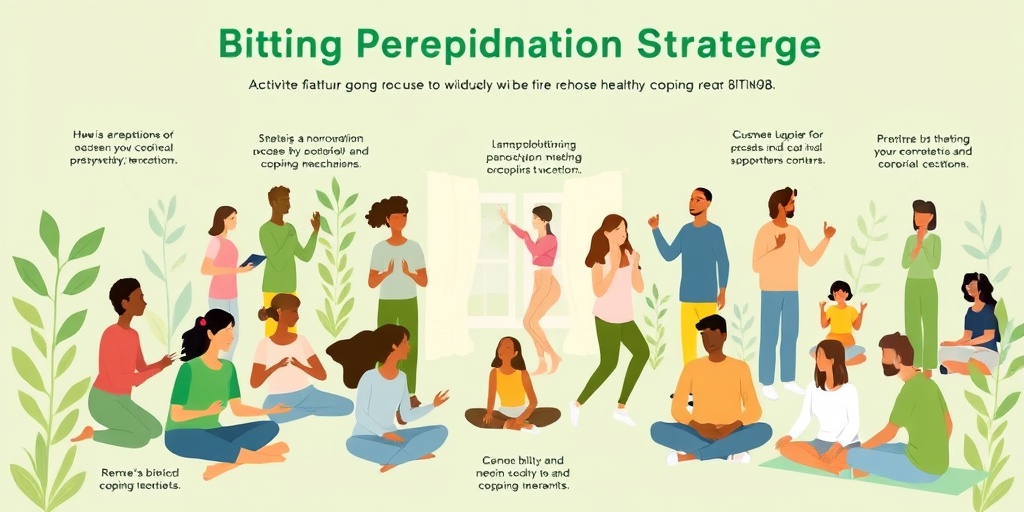
Biting Prevention Strategies
Preventing biting behaviors is often more effective than treating them after they occur. Here are some strategies to help you or your loved ones avoid these habits:
1. Nail Biting Prevention
To prevent nail biting, consider the following:
- Identify Triggers: Keep a journal to track when and why you bite your nails. Understanding your triggers can help you avoid them.
- Keep Nails Trimmed: Short nails are less tempting to bite. Regular manicures can also make you less likely to bite.
- Engage in Alternative Activities: Find activities that keep your hands busy, such as knitting or squeezing a stress ball.
2. Lip Biting Prevention
To reduce the likelihood of lip biting, try these strategies:
- Stay Hydrated: Drink plenty of water to keep your lips hydrated and less prone to dryness.
- Practice Stress Relief: Engage in activities that reduce anxiety, such as yoga or journaling, to minimize the urge to bite.
- Use Lip Balm: Regularly applying lip balm can serve as a reminder to avoid biting and keep your lips healthy.
3. Preventing Biting Midges
To avoid bites from midges, consider these preventive measures:
- Avoid Peak Times: Biting midges are most active during dawn and dusk. Try to stay indoors during these times.
- Wear Protective Clothing: Long sleeves and pants can help protect your skin from bites.
- Use Insect Repellent: Apply a repellent containing DEET or picaridin to exposed skin to deter midges.
By implementing these treatment options and prevention strategies, you can effectively manage and reduce biting behaviors, leading to a healthier and more comfortable lifestyle. 🌟
Frequently Asked Questions about Biting
What does biting mean in different contexts?
The term biting can refer to various actions or behaviors depending on the context. It can describe the physical act of using teeth to grip or cut into something, or it can be used metaphorically to describe sharp or critical remarks in conversation.
Why do people bite their nails?
Nail biting, also known as onychophagia, is a common habit often associated with stress, anxiety, or boredom. It can serve as a coping mechanism for some individuals. If you’re looking to stop this habit, consider stress-relief techniques or seeking professional help.
What are biting midges and how do they affect us?
Biting midges are small flying insects that can deliver painful bites. They are often found in wetland areas and can be a nuisance during outdoor activities. To protect yourself, consider using insect repellent and wearing long sleeves when in areas where these insects are prevalent.
What does the biting lip emoji signify?
The biting lip emoji is often used to convey flirtation or attraction. It can also indicate nervousness or anticipation in a conversation. Understanding the context in which it is used is key to interpreting its meaning accurately.
How can I prevent biting my lips?
If you find yourself frequently biting your lips, consider the following tips:
- Stay hydrated to keep your lips moisturized.
- Use lip balm to create a protective barrier.
- Identify triggers that lead to lip biting and find alternative coping strategies.
What does “biting the curb” mean?
The phrase biting the curb is often used in a metaphorical sense to describe a situation where someone faces a harsh reality or consequence. It can also refer to a physical action in extreme sports or stunts.
Are there any health risks associated with biting?
Yes, frequent biting, whether of nails, lips, or other body parts, can lead to various health issues. These may include:
- Infections from broken skin.
- Dental problems from nail biting.
- Chapped or sore lips from excessive biting.
How can I stop biting my elbows?
Biting elbows is less common but can occur in certain situations, often related to anxiety or nervous habits. To stop this behavior, try:
- Identifying triggers and avoiding them.
- Engaging in stress-relief activities.
- Keeping your hands busy with fidget toys or other activities.
What are some memes related to biting?
There are various memes that play on the concept of biting, often humorously depicting situations where biting is exaggerated or used as a punchline. These memes can be found on social media platforms and often resonate with shared experiences.