What Are Birthmarks?
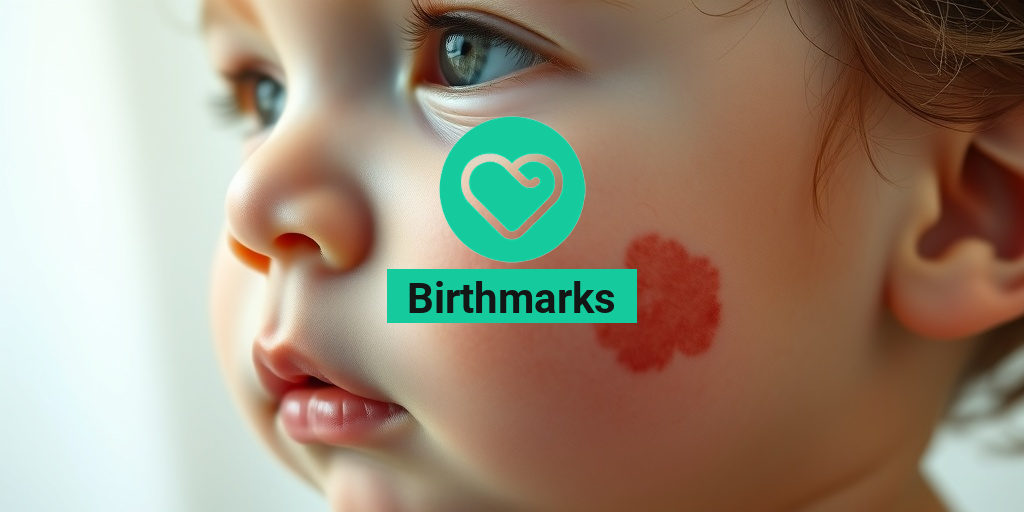
Birthmarks are unique skin markings that appear at or shortly after birth. They can vary significantly in size, shape, color, and texture, making each one distinct. While some birthmarks fade over time, others may remain throughout a person’s life. Understanding what birthmarks are and their characteristics can help demystify these common skin features.
Generally, birthmarks are categorized into two main types: vascular and pigmented. Vascular birthmarks are caused by an abnormal collection of blood vessels, while pigmented birthmarks result from an excess of pigment cells in the skin. Both types can appear anywhere on the body, including the face, arms, and legs.
Many parents wonder about the birthmarks on babies. It’s important to note that these marks are usually harmless and do not indicate any underlying health issues. However, some birthmarks may require monitoring or treatment, especially if they change in appearance or size.
Types of Birthmarks
Understanding the different types of birthmarks can help you identify and differentiate them. Here are the two primary categories:
1. Vascular Birthmarks
Vascular birthmarks are characterized by their red or purple color, which is due to the presence of blood vessels. They can be further divided into several subtypes:
- Hemangiomas: These are raised, red marks that often appear on the face, scalp, or torso. Hemangiomas typically grow rapidly during the first year of life but often shrink and fade by the time the child reaches school age.
- Port-wine stains: These are flat, pink or purple marks that can occur anywhere on the body. Unlike hemangiomas, port-wine stains do not fade over time and may require treatment for cosmetic reasons.
- Strawberry marks: A type of hemangioma, strawberry marks are bright red and often resemble a strawberry. They usually appear within the first few weeks of life and can grow before eventually shrinking.
2. Pigmented Birthmarks
Pigmented birthmarks are darker than the surrounding skin and can range from light brown to black. They are caused by an excess of melanin, the pigment responsible for skin color. Common types include:
- Congenital moles: These are present at birth and can vary in size. While most congenital moles are harmless, some may have a higher risk of developing into melanoma, a type of skin cancer.
- Nevi: These are also known as moles and can appear anywhere on the body. They can be flat or raised and may change in appearance over time.
- Freckles: While not technically birthmarks, freckles can appear on the skin due to sun exposure and are often more prominent in individuals with lighter skin tones.
Are Birthmarks Dangerous?
In most cases, birthmarks are harmless and do not pose any health risks. However, certain types, particularly pigmented birthmarks, may require monitoring for changes that could indicate skin cancer, such as melanoma. It’s essential to consult a healthcare professional if you notice any changes in a birthmark’s size, shape, or color.
For those concerned about the implications of birthmarks, especially regarding their potential link to melanoma, resources like Yesil Health AI (yesilhealth.com) can provide evidence-based answers and guidance.
Conclusion
Birthmarks are a common and often benign feature of human skin. Understanding the different types and their characteristics can help alleviate concerns and promote awareness. If you have any questions or concerns about birthmarks, don’t hesitate to reach out to a healthcare provider for personalized advice. Remember, knowledge is power when it comes to your health! 🌟
Common Birthmark Characteristics
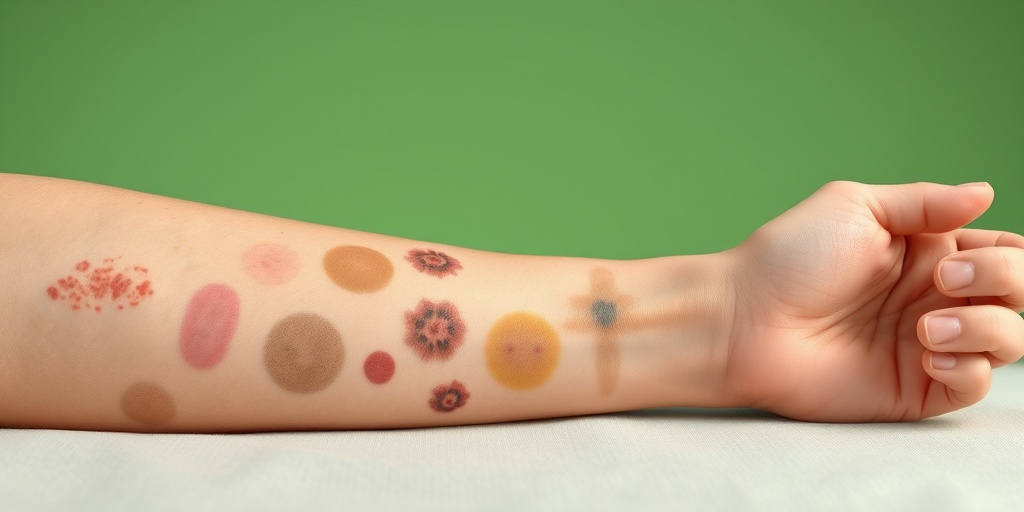
Birthmarks are fascinating skin anomalies that can vary widely in appearance and characteristics. Understanding these features can help demystify what they are and how they may affect individuals. Here are some common characteristics of birthmarks:
Types of Birthmarks
- Vascular Birthmarks: These are caused by an abnormal growth of blood vessels and can appear as red, pink, or purple marks on the skin. Examples include hemangiomas and port-wine stains.
- Pigmented Birthmarks: These occur due to an excess of pigment in the skin. They can be brown, black, or tan and include moles and café-au-lait spots.
Size and Shape
Birthmarks can vary significantly in size and shape. Some may be as small as a pinhead, while others can cover large areas of the body. The shape can be irregular or well-defined, depending on the type of birthmark.
Location on the Body
Birthmarks can appear anywhere on the body, but certain areas are more common. For instance, birthmarks on babies often appear on the face, neck, or back. However, they can also be found on the arms and legs.
Color Variations
The color of birthmarks can range from light pink to deep red or dark brown. The color may change over time, especially in the case of vascular birthmarks, which can become more pronounced or fade as a child grows.
Associated Symptoms
Most birthmarks are harmless and do not cause any symptoms. However, some may be associated with other conditions or may change in appearance, which can warrant a visit to a healthcare professional. If a birthmark becomes painful, itchy, or shows signs of bleeding, it’s essential to seek medical advice.
Causes of Birthmarks
The exact cause of birthmarks remains a topic of research, but several factors are believed to contribute to their formation. Here’s a closer look at the potential causes:
Genetic Factors
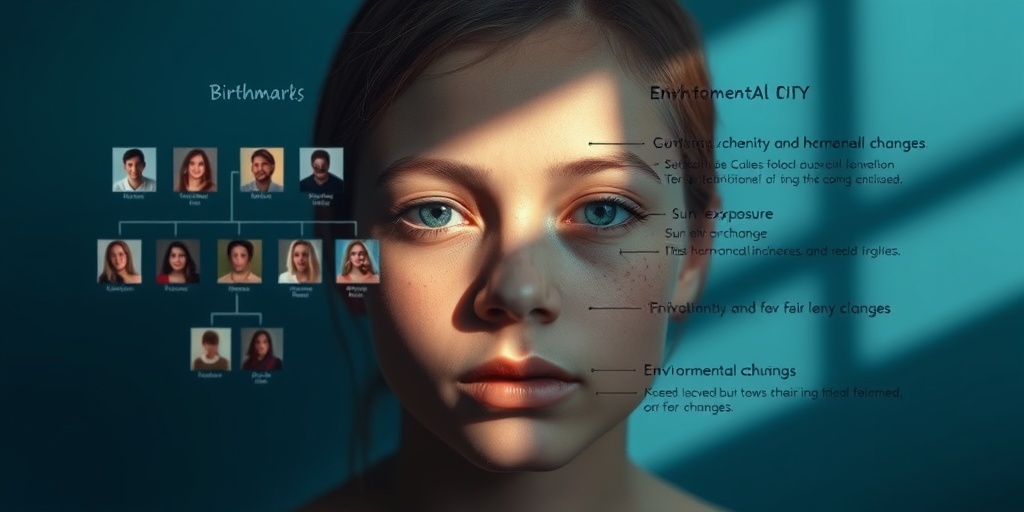
Some birthmarks may have a genetic component, meaning they can run in families. If a parent has a particular type of birthmark, their child may also be more likely to develop one. This is particularly true for pigmented birthmarks like moles.
Developmental Factors
Birthmarks often occur during fetal development. Vascular birthmarks, for example, are thought to arise from an abnormality in blood vessel formation during the early stages of pregnancy. This can lead to the formation of clusters of blood vessels that manifest as marks on the skin.
Environmental Influences
While less understood, some researchers suggest that environmental factors during pregnancy, such as maternal health and exposure to certain substances, may play a role in the development of birthmarks. However, more research is needed to establish a clear link.
Hormonal Changes
Hormonal fluctuations, particularly during puberty or pregnancy, can sometimes lead to changes in existing birthmarks or the development of new ones. This is especially true for pigmented birthmarks, which may become darker or more pronounced during these times.
Birthmarks and Melanoma
It’s important to note that while most birthmarks are benign, some pigmented birthmarks can develop into melanoma, a serious form of skin cancer. Regular monitoring of birthmarks for changes in size, shape, or color is crucial. If you notice any concerning changes, consult a healthcare professional promptly.
In summary, birthmarks are unique skin features that can vary widely in type, appearance, and cause. Understanding their characteristics and origins can help individuals feel more informed and empowered regarding their skin health. 🌟
Birthmark Diagnosis
Birthmarks are common skin anomalies that can appear at birth or shortly thereafter. They come in various shapes, sizes, and colors, and while most are harmless, understanding their nature is essential for proper care. Diagnosis of birthmarks typically involves a thorough examination by a healthcare professional, often a dermatologist.
Types of Birthmarks
There are two main categories of birthmarks: vascular and pigmented.
- Vascular Birthmarks: These are caused by an abnormal collection of blood vessels. Common types include:
- Hemangiomas: These are raised, red marks that often appear on the face, scalp, or torso. They may grow rapidly before gradually shrinking.
- Port-wine stains: These are flat, reddish-purple marks that can occur anywhere on the body and do not fade over time.
- Pigmented Birthmarks: These are caused by an excess of pigment cells. Common types include:
- Congenital moles: These can vary in size and color and are present at birth.
- Nevi: These are typically brown or black spots that can appear anywhere on the skin.
Diagnostic Process
When diagnosing a birthmark, a doctor will typically:
- Conduct a Physical Examination: The doctor will assess the birthmark’s size, shape, color, and location.
- Take a Medical History: Understanding any family history of skin conditions or changes in the birthmark can provide valuable insights.
- Perform Imaging Tests: In some cases, imaging tests like ultrasound or MRI may be necessary to evaluate deeper structures, especially for vascular birthmarks.
It’s important to note that while most birthmarks are benign, some may require further investigation to rule out any potential complications, such as melanoma or other skin conditions.
When to See a Doctor
While many birthmarks are harmless, there are specific situations where it’s crucial to consult a healthcare professional. Knowing when to seek medical advice can help ensure the health and safety of you or your child.
Signs to Watch For
If you notice any of the following changes in a birthmark, it’s time to see a doctor:
- Changes in Size or Shape: If a birthmark begins to grow rapidly or changes shape, it could be a sign of a more serious condition.
- Color Changes: A birthmark that changes color, especially to darker shades, should be evaluated.
- Bleeding or Oozing: Any signs of bleeding, oozing, or crusting can indicate an infection or other issues.
- Itching or Pain: If a birthmark becomes itchy or painful, it’s essential to seek medical advice.
Regular Check-ups
For children with birthmarks, regular check-ups with a dermatologist can help monitor any changes over time. This is particularly important for pigmented birthmarks, as they can sometimes develop into melanoma. Early detection is key to effective treatment.
Consulting a Specialist
If you have concerns about a birthmark, consider consulting a dermatologist who specializes in skin conditions. They can provide a comprehensive evaluation and recommend appropriate treatment options if necessary. Remember, it’s always better to be cautious when it comes to skin health! 🩺
In summary, while most birthmarks are benign and pose no health risks, being aware of the signs that warrant a doctor’s visit can help ensure peace of mind and overall skin health. 🌟

Birthmark Treatment Options
Birthmarks are common skin anomalies that can appear in various shapes, sizes, and colors. While many birthmarks are harmless and do not require treatment, some individuals may seek options for cosmetic reasons or due to potential health concerns. Here, we explore the various birthmark treatment options available today.
Types of Birthmarks
Before diving into treatment options, it’s essential to understand the different types of birthmarks:
- Vascular Birthmarks: These are caused by abnormal blood vessels and include conditions like hemangiomas and port-wine stains.
- Pigmented Birthmarks: These are formed by clusters of pigment cells and include moles and café-au-lait spots.
When to Consider Treatment
While most birthmarks are benign, some may require treatment if they:
- Change in size, shape, or color
- Cause discomfort or pain
- Interfere with vision or other bodily functions
- Lead to psychological distress due to their appearance
Common Treatment Options
Here are some of the most common treatment options for birthmarks:
- Laser Therapy: This is one of the most popular methods for treating vascular birthmarks. Laser treatments can effectively reduce the appearance of birthmarks by targeting blood vessels without damaging surrounding skin.
- Cryotherapy: This involves freezing the birthmark with liquid nitrogen, which can be effective for certain types of pigmented birthmarks.
- Topical Treatments: Some creams and ointments may help lighten pigmented birthmarks, although results can vary.
- Surgical Removal: In cases where a birthmark is large or causing issues, surgical excision may be necessary. This is typically reserved for more severe cases.
Consultation with a Dermatologist
If you’re considering treatment for a birthmark, it’s crucial to consult with a qualified dermatologist. They can assess the birthmark’s type and characteristics, discuss potential risks and benefits of treatment, and help you make an informed decision. Remember, not all birthmarks require treatment, and many can be safely monitored over time.
Living with Birthmarks
For many people, birthmarks are a part of their identity. While some may feel self-conscious about their birthmarks, it’s important to embrace them as unique features. Here are some tips for living with birthmarks and enhancing your confidence.
Understanding Your Birthmark
Knowledge is power! Understanding the nature of your birthmark can help alleviate concerns. Most birthmarks are harmless and do not pose any health risks. Educating yourself about your specific type of birthmark can help you feel more comfortable in your skin.
Embracing Your Unique Features
Many individuals find beauty in their birthmarks. Here are some ways to embrace your uniqueness:
- Positive Affirmations: Remind yourself that your birthmark is a part of what makes you, you! Positive self-talk can boost your confidence.
- Fashion Choices: Use clothing and makeup to highlight or downplay your birthmark, depending on how you feel. Experimenting with different styles can be fun!
- Connect with Others: Joining support groups or online communities can help you connect with others who share similar experiences. Sharing stories can be empowering.
Seeking Professional Help
If you find that your birthmark affects your self-esteem or mental health, consider speaking with a mental health professional. They can provide strategies to help you cope with any negative feelings associated with your birthmark.
Conclusion
Living with a birthmark can come with its challenges, but it can also be an opportunity for self-acceptance and personal growth. Whether you choose to seek treatment or embrace your birthmark as part of your identity, remember that you are not alone in your journey. 🌟

Frequently Asked Questions about Birthmarks
What are birthmarks?
Birthmarks are colored marks on the skin that are present at birth or develop shortly after. They can vary in size, shape, and color, and are generally harmless. Some people may have a single birthmark, while others may have multiple.
What do birthmarks mean?
The meaning of birthmarks can vary culturally and personally. In some cultures, they are seen as signs of good luck or have specific interpretations related to past lives. However, medically, they are simply a result of skin pigmentation or vascular changes.
Are birthmarks common on babies?
Yes, birthmarks on babies are quite common. Many infants are born with them, and they can appear in various forms, such as hemangiomas or pigmented birthmarks. Most birthmarks fade or change over time.
Can birthmarks appear on the face?
Absolutely! Birthmarks on the face are also common. They can be flat or raised and may vary in color from brown to red. While most facial birthmarks are harmless, it’s always good to consult a healthcare professional for any concerns.
Is there a link between birthmarks and melanoma?
While most birthmarks are benign, some types, particularly atypical moles, can have a higher risk of developing into melanoma. It’s important to monitor any changes in size, shape, or color and consult a dermatologist if you have concerns.
How do birthmarks differ from moles?
Birthmarks vs moles can be distinguished by their appearance and origin. Birthmarks are present at birth or develop shortly after, while moles can appear at any time during life. Additionally, moles are usually darker and can be raised, whereas birthmarks can vary widely in color and texture.
Can birthmarks appear in the eyes?
Yes, birthmarks in the eyes can occur, although they are less common. These may appear as pigmented spots on the iris or conjunctiva. If you notice any unusual changes in your eyes, it’s essential to seek medical advice.
Do certain birthmarks cause melanoma?
Some birthmarks, particularly atypical or dysplastic nevi, may have a higher risk of developing into melanoma. Regular skin checks and monitoring changes in these birthmarks are crucial for early detection.
Can birthmarks be removed?
Yes, some birthmarks can be removed or treated, especially if they cause cosmetic concerns or health issues. Options include laser therapy, surgical excision, or other dermatological treatments. Always consult with a healthcare provider to discuss the best approach.
Do birthmarks have any connection to past lives?
Some cultures and belief systems suggest that birthmarks and past lives may be connected, interpreting them as marks from previous experiences. However, this is more of a spiritual or philosophical perspective rather than a medical one.
When should I see a doctor about a birthmark?
If you notice any changes in a birthmark, such as increased size, color changes, or irregular borders, it’s important to consult a healthcare professional. Regular check-ups can help ensure that any potential issues are addressed promptly.