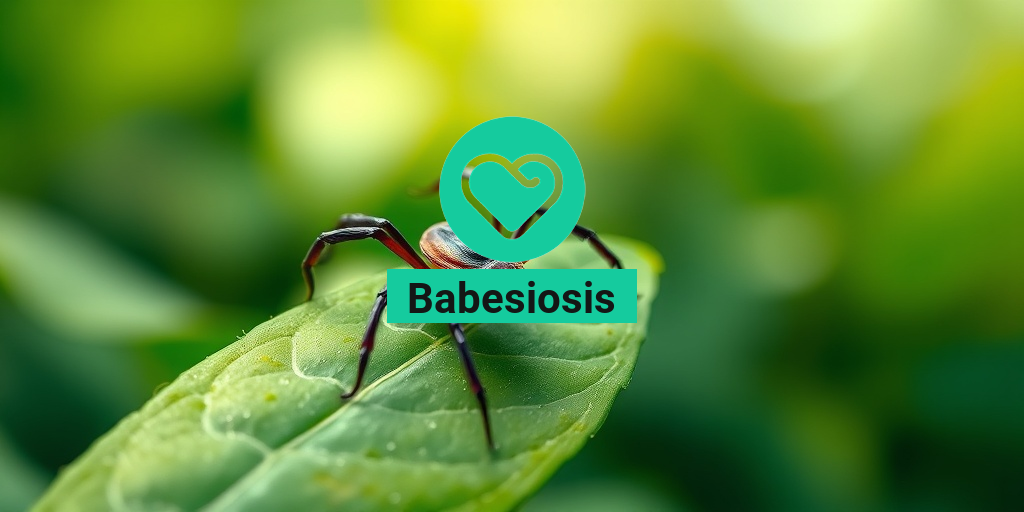
What Is Babesiosis?
Babesiosis is a tick-borne disease caused by microscopic parasites that infect red blood cells. These parasites belong to the genus Babesia and are primarily transmitted through the bite of infected ticks, particularly the black-legged tick (also known as the deer tick). This disease is most commonly found in the northeastern and north-central United States, as well as parts of Europe and Asia.
Babesiosis can range from mild to severe, and in some cases, it can be life-threatening, especially for individuals with weakened immune systems or those who have had their spleen removed. The disease is often compared to malaria due to its similar symptoms and the way it affects the blood.
How Is Babesiosis Transmitted?
The primary vector for babesiosis is the Ixodes scapularis tick, which also transmits Lyme disease. When an infected tick bites a human, the Babesia parasites enter the bloodstream and begin to multiply within red blood cells. It’s important to note that babesiosis can also be transmitted through blood transfusions, organ transplants, and from mother to child during pregnancy.
Who Is at Risk?
While anyone can contract babesiosis, certain groups are at a higher risk, including:
- Individuals living in or traveling to endemic areas
- People with compromised immune systems
- Those without a spleen
- Older adults
Understanding the risk factors associated with babesiosis is crucial for prevention and early detection.
Babesiosis Symptoms
The symptoms of babesiosis can vary widely, with some individuals experiencing no symptoms at all, while others may develop severe illness. Symptoms typically appear within one to four weeks after being bitten by an infected tick.
Common Symptoms
Some of the most common symptoms of babesiosis include:
- Fever and chills: Often the first signs, these symptoms can mimic those of the flu.
- Fatigue: A general feeling of tiredness and weakness.
- Muscle aches: Discomfort and pain in the muscles.
- Headaches: Persistent headaches that can vary in intensity.
- Nausea: Some individuals may experience gastrointestinal symptoms.
Severe Symptoms
In more severe cases, especially in individuals with underlying health conditions, symptoms can escalate to include:
- Jaundice: Yellowing of the skin and eyes due to liver involvement.
- Dark urine: A sign of hemolysis (destruction of red blood cells).
- Respiratory distress: Difficulty breathing or shortness of breath.
- Organ failure: In extreme cases, babesiosis can lead to multi-organ failure.
If you or someone you know is experiencing these symptoms after a tick bite, it is crucial to seek medical attention promptly. Early diagnosis and treatment can significantly improve outcomes.
Diagnosis and Treatment
Diagnosis of babesiosis typically involves blood tests to identify the presence of the Babesia parasites. Treatment usually includes antimicrobial medications, such as azithromycin combined with atovaquone or clindamycin combined with quinine, depending on the severity of the infection.
For more detailed information on babesiosis and other health-related queries, consider visiting Yesil Health AI, a valuable resource for evidence-based health answers.
In conclusion, understanding babesiosis, its symptoms, and the importance of early detection can help in managing this tick-borne disease effectively. Stay informed, take preventive measures, and consult healthcare professionals if you suspect exposure to ticks or experience related symptoms. 🦠🌿

Transmission of Babesiosis
Babesiosis is a tick-borne disease caused by the Babesia parasite, which infects red blood cells. Understanding how this disease is transmitted is crucial for prevention and awareness. The primary vector for babesiosis is the black-legged tick (also known as the deer tick), specifically Ixodes scapularis in the northeastern and north-central United States.
How Ticks Transmit Babesiosis
Ticks are small arachnids that feed on the blood of mammals, birds, and sometimes reptiles. When a tick bites an infected host, it can acquire the Babesia parasite. Here’s how the transmission process works:
- Attachment: A tick attaches itself to the skin of a host, usually in warm, moist areas like the armpits, groin, or scalp.
- Feeding: While feeding, the tick can transmit the Babesia parasites into the host’s bloodstream.
- Infection: Once in the bloodstream, the parasites invade red blood cells, leading to the symptoms associated with babesiosis.
It’s important to note that not all ticks carry the Babesia parasite. The risk of transmission increases in areas where these ticks are prevalent, particularly in regions with dense deer populations.
Other Modes of Transmission
While tick bites are the primary mode of transmission, there are other less common ways babesiosis can spread:
- Blood Transfusions: Babesiosis can be transmitted through blood transfusions from an infected donor, even if the donor shows no symptoms.
- Congenital Transmission: There have been rare cases where the infection has been passed from an infected mother to her baby during pregnancy.
- Organ Transplants: Infected organs can also transmit the disease, although this is extremely rare.
Awareness of these transmission routes is vital for individuals living in or traveling to endemic areas. Taking preventive measures, such as using tick repellents and wearing protective clothing, can significantly reduce the risk of infection. 🦠
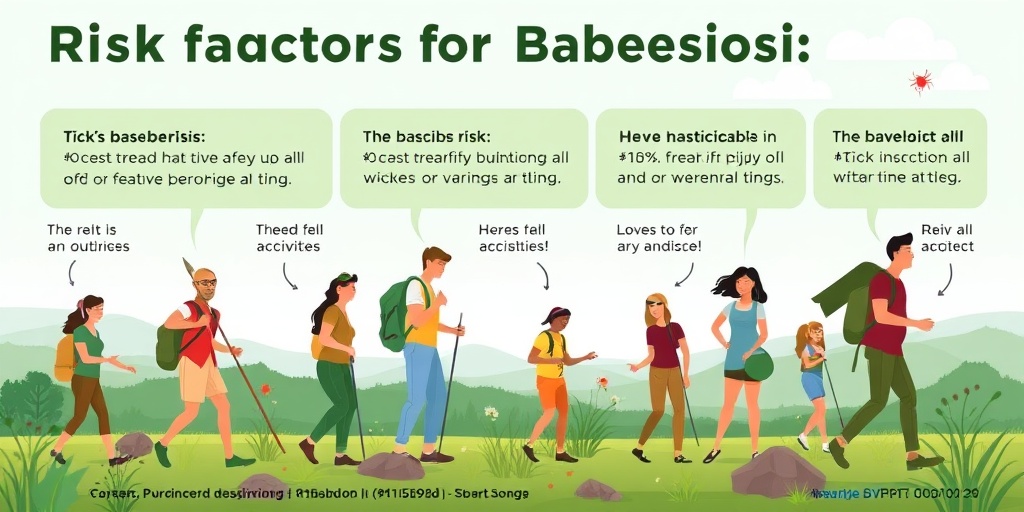
Risk Factors for Babesiosis
Understanding the risk factors associated with babesiosis can help individuals take proactive steps to protect themselves. Certain groups of people are more susceptible to severe illness from this disease.
Geographical Location
Babesiosis is primarily found in specific regions, particularly in the northeastern and north-central United States. Areas such as:
- New York
- Connecticut
- Pennsylvania
- Wisconsin
are known hotspots for the black-legged tick, increasing the likelihood of exposure to the Babesia parasite. If you live in or visit these areas, it’s essential to be vigilant. 🗺️
Outdoor Activities
Engaging in outdoor activities such as hiking, camping, or gardening can increase your risk of tick bites. Here are some activities that heighten exposure:
- Hiking in wooded areas: Ticks thrive in tall grass and dense vegetation.
- Camping: Spending nights outdoors can lead to increased contact with ticks.
- Gardening: Working in your yard, especially in areas with tall grass or shrubs, can expose you to ticks.
Taking precautions, such as wearing long sleeves and using insect repellent, can help mitigate these risks.
Health Conditions and Age
Certain health conditions and age groups can also influence the severity of babesiosis:
- Weakened Immune System: Individuals with compromised immune systems, such as those undergoing chemotherapy or living with HIV/AIDS, are at higher risk for severe illness.
- Older Adults: People aged 50 and older are more likely to experience severe symptoms and complications from babesiosis.
- Splenectomy: Those who have had their spleen removed are at a greater risk of severe disease due to the spleen’s role in fighting infections.
Being aware of these risk factors can empower individuals to take necessary precautions and seek medical advice when needed. Remember, early detection and treatment are key to managing babesiosis effectively! 💪
Diagnosis of Babesiosis
Babesiosis is a tick-borne disease caused by the Babesia parasite, which infects red blood cells. Diagnosing this condition can be challenging due to its similarity to other illnesses, particularly Lyme disease and malaria. Understanding the diagnostic process is crucial for effective treatment and recovery.
Symptoms to Watch For
Before diving into diagnostic methods, it’s essential to recognize the symptoms of babesiosis. Common signs include:
- Fever and chills – Often the first symptoms to appear.
- Fatigue – A general feeling of tiredness that can be debilitating.
- Muscle aches – Similar to flu-like symptoms.
- Headaches – Can vary in intensity.
- Dark urine – A sign of hemolysis, where red blood cells break down.
If you experience these symptoms after a tick bite or in areas where babesiosis is prevalent, it’s crucial to seek medical attention promptly.
Laboratory Tests for Diagnosis
To confirm a diagnosis of babesiosis, healthcare providers typically use a combination of clinical evaluation and laboratory tests:
- Blood Smear – A microscopic examination of blood can reveal the presence of Babesia parasites within red blood cells.
- Serologic Tests – These tests detect antibodies against the Babesia parasite, indicating an immune response to the infection.
- Polymerase Chain Reaction (PCR) – This advanced technique can identify Babesia DNA in the blood, providing a more definitive diagnosis.
It’s important to note that babesiosis can sometimes be asymptomatic, meaning individuals may carry the parasite without showing any signs of illness. This can complicate diagnosis, especially in endemic areas.
Risk Factors and Exposure History
When diagnosing babesiosis, healthcare providers will also consider your exposure history. Factors that may increase your risk include:
- Living in or visiting endemic areas – Regions like the northeastern and upper midwestern United States are known hotspots.
- Outdoor activities – Hiking, camping, or gardening can increase your chances of tick bites.
- Previous tick bites – A history of tick exposure can raise suspicion for babesiosis.
By combining symptom assessment, laboratory tests, and risk factor evaluation, healthcare providers can accurately diagnose babesiosis and initiate appropriate treatment.
Babesiosis Treatment Options
Once diagnosed, the next step is to explore treatment options for babesiosis. The approach to treatment can vary based on the severity of the infection and the patient’s overall health.
Antimicrobial Medications
The primary treatment for babesiosis involves the use of antimicrobial medications. The most commonly prescribed drugs include:
- Atovaquone – Often used in combination with azithromycin for mild to moderate cases.
- Clindamycin – Typically used in conjunction with quinine for more severe infections.
- Quinine – An older treatment that can be effective but may have more side effects.
It’s essential to follow your healthcare provider’s instructions regarding dosage and duration of treatment to ensure the best possible outcome.
Supportive Care
In addition to antimicrobial therapy, supportive care plays a vital role in recovery. This may include:
- Hydration – Staying well-hydrated helps support the body’s immune response.
- Rest – Adequate rest is crucial for recovery, as the body needs time to heal.
- Pain management – Over-the-counter pain relievers can help alleviate discomfort.
For patients with severe babesiosis, hospitalization may be necessary for more intensive treatment and monitoring.
Monitoring and Follow-Up
After initiating treatment, regular follow-up appointments are essential to monitor the patient’s progress. Blood tests may be repeated to ensure that the parasite is cleared from the bloodstream and to check for any complications, such as hemolytic anemia.
In summary, early diagnosis and appropriate treatment of babesiosis are crucial for a successful recovery. If you suspect you may have been exposed to the Babesia parasite, don’t hesitate to consult a healthcare professional. Your health is worth it! 🌿

Complications of Babesiosis
Babesiosis is a tick-borne disease caused by the Babesia parasite, which infects red blood cells. While many individuals may experience mild symptoms or remain asymptomatic, the disease can lead to serious complications, particularly in certain high-risk groups. Understanding these complications is crucial for early detection and effective management.
Severe Anemia
One of the most common complications of babesiosis is severe anemia. The Babesia parasite destroys red blood cells, leading to a significant drop in hemoglobin levels. Symptoms of anemia can include:
- Fatigue and weakness
- Pale skin
- Dizziness or lightheadedness
- Shortness of breath
In severe cases, blood transfusions may be necessary to restore healthy red blood cell levels.
Organ Dysfunction
In some cases, babesiosis can lead to organ dysfunction. The body’s response to the infection can cause inflammation and damage to vital organs, including the liver, kidneys, and lungs. Symptoms may vary depending on the affected organ but can include:
- Jaundice (yellowing of the skin and eyes)
- Dark urine
- Abdominal pain
- Difficulty breathing
Prompt medical attention is essential to prevent long-term damage.
Respiratory Distress
Some individuals may develop respiratory distress as a complication of babesiosis. This can occur due to the body’s inflammatory response or as a result of organ dysfunction. Symptoms may include:
- Rapid breathing
- Chest pain
- Confusion or altered mental status
Respiratory distress is a medical emergency and requires immediate intervention.
Increased Risk for Immunocompromised Individuals
Individuals with weakened immune systems, such as those undergoing chemotherapy or living with HIV/AIDS, are at a higher risk for severe complications from babesiosis. In these cases, the infection can progress rapidly, leading to life-threatening conditions. It’s crucial for immunocompromised individuals to take extra precautions to avoid tick bites and seek medical advice if they suspect exposure.
Potential for Co-Infection
Babesiosis can occur alongside other tick-borne diseases, such as Lyme disease or anaplasmosis. This co-infection can complicate diagnosis and treatment, as symptoms may overlap. Patients experiencing symptoms of multiple tick-borne illnesses should inform their healthcare provider to ensure comprehensive care.
Preventing Babesiosis
Prevention is key when it comes to babesiosis, especially for individuals living in or traveling to areas where the disease is prevalent. Here are some effective strategies to reduce the risk of infection:
Tick Avoidance Strategies
To minimize exposure to ticks, consider the following tick avoidance strategies:
- Wear Protective Clothing: When hiking or spending time outdoors, wear long sleeves, long pants, and closed-toe shoes. Light-colored clothing can help you spot ticks more easily.
- Use Insect Repellent: Apply insect repellent containing DEET or permethrin to your skin and clothing. This can significantly reduce the likelihood of tick bites.
- Avoid Tick-Infested Areas: Stay away from dense woods, tall grasses, and areas with high vegetation, especially during peak tick season (spring and summer).
Regular Tick Checks
After spending time outdoors, it’s essential to perform regular tick checks on yourself, your children, and pets. Look for ticks in the following areas:
- Behind the ears
- Under the arms
- In the hairline
- Between the legs
- Around the waist
If you find a tick, remove it promptly using fine-tipped tweezers, grasping it as close to the skin’s surface as possible.
Vaccination and Awareness
Currently, there is no vaccine for babesiosis, but staying informed about the disease and its risks can help you take proactive measures. Awareness campaigns and educational resources can empower communities to recognize the signs and symptoms of babesiosis, leading to earlier diagnosis and treatment.
Consulting Healthcare Providers
If you live in or travel to areas where babesiosis is common, consult your healthcare provider about preventive measures and any necessary vaccinations for other tick-borne diseases. They can provide personalized advice based on your health history and lifestyle.
By taking these preventive steps, you can significantly reduce your risk of contracting babesiosis and protect your health. 🌿🦠

Frequently Asked Questions about Babesiosis
What is Babesiosis?
Babesiosis is a disease caused by parasites that infect red blood cells, primarily transmitted through the bite of infected ticks. It can lead to symptoms such as fever, chills, and fatigue.
How is Babesiosis transmitted?
The primary mode of transmission for Babesiosis is through the bite of an infected tick, particularly the Ixodes scapularis (black-legged tick). It can also be transmitted through blood transfusions and from mother to child during pregnancy.
What are the symptoms of Babesiosis?
Common symptoms of Babesiosis include:
- Fever and chills
- Fatigue
- Muscle aches
- Headaches
- Nausea
In severe cases, it can lead to complications such as hemolytic anemia and organ failure.
How is Babesiosis diagnosed?
Diagnosis of Babesiosis typically involves blood tests to identify the presence of the parasite in red blood cells. A healthcare provider may also consider the patient’s symptoms and potential exposure to ticks.
What is the treatment for Babesiosis?
Treatment for Babesiosis usually involves a combination of antibiotics, such as azithromycin and atovaquone, or clindamycin and quinine for more severe cases. Early diagnosis and treatment are crucial for a successful recovery.
Can Babesiosis be prevented?
Preventing Babesiosis involves taking measures to avoid tick bites, such as:
- Wearing long sleeves and pants in wooded or grassy areas
- Using insect repellent containing DEET
- Performing tick checks after outdoor activities
- Keeping yards tidy to reduce tick habitats
Is Babesiosis common?
Babesiosis is more common in certain regions, particularly in the northeastern and north-central United States. However, cases have been reported in other areas as well, especially where tick populations are prevalent.
Can Babesiosis be serious?
While many people recover from Babesiosis without complications, it can be serious, especially for individuals with weakened immune systems or those who are elderly. Severe cases may require hospitalization.
Where can I find more information about Babesiosis?
For more information about Babesiosis, consider visiting reputable health websites, such as the Centers for Disease Control and Prevention (CDC) or the World Health Organization (WHO), which provide comprehensive resources on tick-borne diseases.