What Is Avian Influenza?
Avian Influenza, commonly known as Bird Flu, is a viral infection that primarily affects birds but can also infect humans and other animals. This disease is caused by influenza viruses that are typically found in wild birds, particularly waterfowl. However, domestic poultry, such as chickens and turkeys, can also be affected, leading to significant economic losses in the poultry industry.
There are several strains of avian influenza, with the most notable being the H5N1 and H7N9 viruses. These strains have garnered attention due to their potential to cause severe illness in humans. The H5N1 avian influenza strain, for instance, has been responsible for numerous outbreaks and has a high mortality rate among infected individuals.
How Is Avian Influenza Transmitted?
The transmission of avian influenza occurs primarily through direct contact with infected birds or their droppings. Here are some common methods of transmission:
- Direct Contact: Handling infected birds or their secretions can lead to infection.
- Contaminated Environments: The virus can survive in the environment, particularly in water and soil, making it easy for birds to contract the virus.
- Human Interaction: Humans can become infected through close contact with infected birds, especially in areas where poultry farming is prevalent.
Understanding the transmission methods is crucial for preventing outbreaks and protecting both bird and human populations. For more detailed information on avian influenza and its prevention, you can visit Yesil Health AI.
Avian Influenza Symptoms
Recognizing the symptoms of avian influenza is essential for early detection and treatment. While many birds may not show symptoms, infected birds can exhibit a range of signs, including:
- Respiratory Issues: Coughing, sneezing, and nasal discharge are common respiratory symptoms.
- Neurological Signs: Infected birds may show signs of nervous system involvement, such as tremors or lack of coordination.
- Digestive Problems: Diarrhea and decreased egg production can occur in poultry.
- Sudden Death: In severe cases, birds may die suddenly without showing prior symptoms.
Symptoms in Humans
While avian influenza primarily affects birds, it can also infect humans, leading to serious health complications. Symptoms in humans can range from mild to severe and may include:
- Fever: A high fever is often one of the first signs of infection.
- Cough: A persistent cough may develop as the infection progresses.
- Muscle Aches: Generalized body aches and fatigue are common.
- Difficulty Breathing: Severe cases can lead to respiratory distress.
If you suspect you have been exposed to avian influenza or are experiencing these symptoms, it is crucial to seek medical attention promptly. Early intervention can significantly improve outcomes.
Conclusion
Avian influenza, or bird flu, is a serious viral infection that poses risks to both birds and humans. Understanding the symptoms and transmission methods is vital for prevention and control. If you want to stay informed about avian influenza and other health-related topics, consider visiting Yesil Health AI for reliable information and resources. Stay safe and informed! 🦠💉
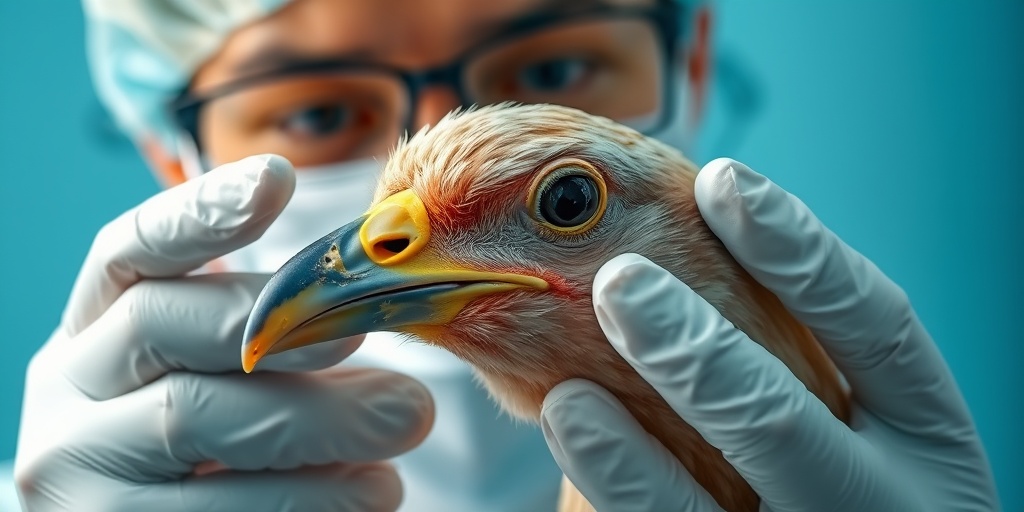
Transmission of Bird Flu
Avian Influenza, commonly known as Bird Flu, is primarily a disease that affects birds, but it can also infect humans and other animals. Understanding how this virus spreads is crucial for preventing outbreaks and protecting both animal and human health. Let’s delve into the various methods of transmission associated with avian influenza.
Direct Contact with Infected Birds
The most common way that avian influenza spreads is through direct contact with infected birds. This includes domestic poultry, wild birds, and even pet birds. When a person handles or comes into close proximity with these birds, they can be exposed to the virus. This is particularly concerning in areas where birds are raised for food, as the risk of transmission increases significantly.
Contaminated Environments
Bird flu viruses can survive in the environment for extended periods, especially in droppings, feathers, and other materials from infected birds. Humans can contract the virus by touching contaminated surfaces or inhaling particles in the air. This highlights the importance of maintaining cleanliness in areas where birds are kept, as well as practicing good hygiene after handling birds or cleaning their habitats.
Airborne Transmission
While less common, avian influenza can also spread through the air. Tiny droplets containing the virus can be released into the air when infected birds cough, sneeze, or even during normal activities. People in close proximity to these birds, especially in enclosed spaces, may inhale these droplets and become infected. This mode of transmission is particularly concerning in live bird markets or poultry farms.
Transmission through Contaminated Products
Another potential route of transmission is through contaminated products, such as raw poultry or eggs. If these products are not cooked properly, the virus can survive and pose a risk to humans. It’s essential to ensure that all poultry products are cooked to the appropriate temperature to kill any potential viruses.
Risk Factors for Infection
Understanding the risk factors associated with avian influenza (bird flu) is vital for individuals who work with birds or live in areas where outbreaks are reported. Here are some key factors that can increase the likelihood of infection:
Occupational Exposure
Individuals who work in the poultry industry, including farmers, veterinarians, and workers in live bird markets, are at a higher risk of contracting avian influenza. Regular contact with birds and their environments increases the chances of exposure to the virus. Implementing strict biosecurity measures is essential for these workers to minimize their risk.
Geographical Location
Living in or traveling to areas where avian influenza outbreaks have been reported can significantly increase the risk of infection. Regions with high populations of wild birds or intensive poultry farming are particularly vulnerable. Awareness of local outbreaks and adhering to health advisories can help mitigate this risk.
Immune System Health
Individuals with weakened immune systems, such as the elderly, young children, or those with chronic health conditions, are more susceptible to severe illness from avian influenza. Maintaining a healthy lifestyle and seeking medical advice can help bolster the immune system and reduce the risk of infection.
Improper Handling of Poultry Products
Improper handling and preparation of poultry products can lead to infection. It’s crucial to follow safe food handling practices, such as washing hands thoroughly after handling raw poultry, using separate cutting boards for meat and vegetables, and cooking poultry to the recommended internal temperature of 165°F (75°C). 🥘
Traveling to Affected Areas
Travelers visiting regions experiencing avian influenza outbreaks should take precautions to avoid exposure. This includes avoiding contact with birds, consuming only well-cooked poultry products, and following local health guidelines. Staying informed about the situation in the destination can help travelers make safer choices.
By understanding the transmission methods and risk factors associated with avian influenza (bird flu), individuals can take proactive steps to protect themselves and their communities from potential outbreaks. 🦠
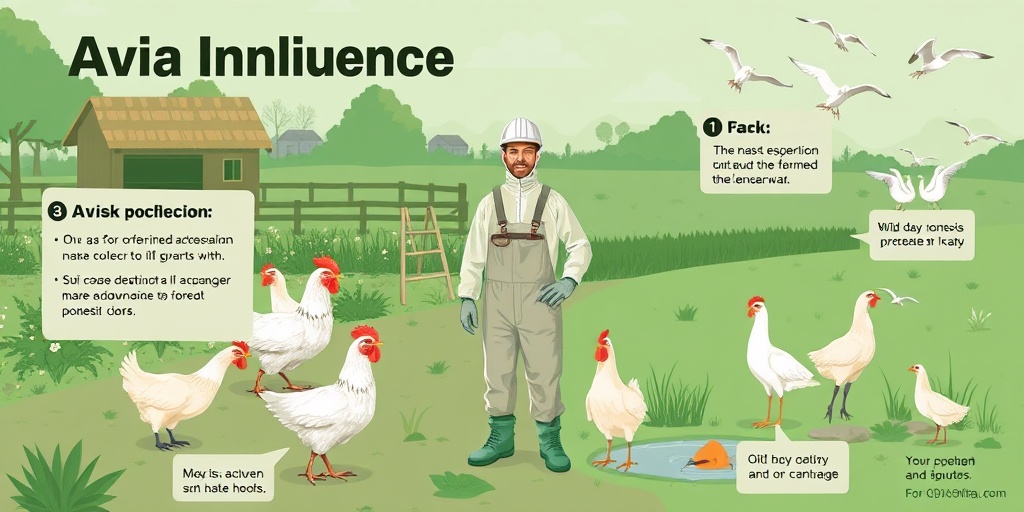
Diagnosis of Avian Influenza
Diagnosing Avian Influenza (Bird Flu) is crucial for controlling outbreaks and protecting both bird and human populations. The process involves several steps, including clinical evaluation, laboratory testing, and epidemiological investigation.
Clinical Evaluation
The first step in diagnosing avian influenza is a thorough clinical evaluation of the affected birds. Symptoms can vary widely depending on the strain of the virus, but common signs include:
- Respiratory distress: Coughing, sneezing, and nasal discharge.
- Neurological signs: Tremors, incoordination, and sudden death.
- Digestive issues: Diarrhea and decreased egg production.
- Swelling: Particularly around the head, neck, and eyes.
Veterinarians will often look for these symptoms during a physical examination. However, clinical signs alone are not sufficient for a definitive diagnosis.
Laboratory Testing
To confirm the presence of avian influenza, laboratory testing is essential. The most common methods include:
- Polymerase Chain Reaction (PCR): This test detects viral RNA and is highly sensitive and specific.
- Virus Isolation: Involves culturing the virus from samples taken from infected birds.
- Serological Tests: These tests identify antibodies against the virus in the blood, indicating past exposure.
These tests help determine not only the presence of the virus but also its subtype, which is critical for understanding the potential risk to humans and other animals.
Epidemiological Investigation
In addition to clinical and laboratory evaluations, an epidemiological investigation is vital. This involves:
- Tracking outbreaks: Understanding where and how the virus is spreading.
- Identifying contact with infected birds: Assessing the risk of transmission to humans and other animals.
- Monitoring environmental factors: Such as wild bird populations that may carry the virus.
By combining clinical signs, laboratory results, and epidemiological data, health officials can effectively diagnose avian influenza and implement control measures to prevent further spread. 🦠
Treatment Options
While there is no specific treatment for Avian Influenza (Bird Flu) in birds, several management strategies can help mitigate the impact of the disease. Treatment options vary depending on the severity of the outbreak and the species affected.
Supportive Care
For infected birds, supportive care is essential. This may include:
- Providing a clean environment: Reducing stress and preventing secondary infections.
- Hydration: Ensuring birds have access to clean water to prevent dehydration.
- Nutrition: Offering high-quality feed to support the immune system.
These measures can help improve the overall health of affected birds and may reduce mortality rates.
Antiviral Medications
In some cases, antiviral medications may be used, particularly in high-risk situations. The most commonly used antiviral drug is:
- Oseltamivir (Tamiflu): While primarily used for human influenza, it has shown some effectiveness in birds.
However, the use of antiviral medications in birds is still under research, and their effectiveness can vary based on the strain of the virus.
Vaccination
Vaccination is a preventive measure rather than a treatment. Vaccines for avian influenza are available and can be effective in controlling outbreaks. Key points about vaccination include:
- Types of vaccines: Inactivated and live attenuated vaccines are available.
- Timing: Vaccination should occur before an outbreak to ensure immunity.
- Monitoring: Regular surveillance is necessary to adapt vaccination strategies based on circulating strains.
Vaccination can significantly reduce the incidence of avian influenza in poultry populations, thereby protecting both animal and human health. 🐔💉
In conclusion, diagnosing and treating avian influenza requires a multifaceted approach that includes clinical evaluation, laboratory testing, supportive care, and preventive measures like vaccination. Understanding these aspects is vital for managing outbreaks and safeguarding public health.

Prevention Strategies
Preventing Avian Influenza (Bird Flu) is crucial for both public health and the poultry industry. With the potential for outbreaks to cause significant economic losses and health risks, implementing effective prevention strategies is essential. Here are some key measures to consider:
Biosecurity Measures
One of the most effective ways to prevent the spread of avian influenza is through stringent biosecurity practices. These include:
- Controlled Access: Limit access to poultry farms to essential personnel only. This reduces the risk of introducing the virus from outside sources.
- Sanitation Protocols: Regularly disinfect equipment, vehicles, and clothing that come into contact with birds. This helps eliminate any potential virus carriers.
- Isolation of New Birds: Quarantine new birds for at least 30 days before introducing them to existing flocks. This helps ensure they are not carrying the virus.
Monitoring and Surveillance
Regular monitoring and surveillance of poultry populations are vital in early detection of avian influenza. This includes:
- Health Checks: Conduct routine health assessments of birds to identify any signs of illness.
- Reporting Systems: Establish a reporting system for any unusual bird deaths or symptoms, allowing for quick response and containment.
Vaccination
Vaccination can be an effective tool in preventing avian influenza. While not all strains are covered by vaccines, using available vaccines can help protect flocks from specific strains, such as H5N1. Consult with a veterinarian to determine the best vaccination strategy for your poultry.
Public Awareness and Education
Educating farmers, poultry workers, and the general public about avian influenza is essential. Awareness campaigns can help people recognize symptoms and understand the importance of reporting sick birds. This proactive approach can significantly reduce the risk of outbreaks.
Impact on Poultry Industry
The impact of avian influenza (bird flu) on the poultry industry can be profound, affecting everything from farm operations to global markets. Understanding these effects is crucial for stakeholders in the industry.
Economic Consequences
Outbreaks of avian influenza can lead to devastating economic losses. Here are some of the key financial impacts:
- Loss of Flocks: Infected birds may need to be culled to prevent the spread of the virus, leading to significant losses for farmers.
- Market Restrictions: Countries may impose trade restrictions on poultry products from affected regions, limiting market access and reducing sales.
- Increased Costs: Farmers may face increased costs for biosecurity measures, vaccinations, and health monitoring, further straining their finances.
Consumer Confidence
Consumer confidence can be severely impacted by avian influenza outbreaks. Concerns about food safety may lead to decreased demand for poultry products, affecting sales and prices. It’s essential for the industry to communicate effectively about safety measures and the low risk of transmission to humans.
Global Trade Dynamics
The poultry industry is a global market, and avian influenza outbreaks can disrupt trade dynamics. Countries may close borders to imports from affected areas, leading to:
- Supply Chain Disruptions: Affected regions may struggle to meet demand, leading to shortages in other markets.
- Price Fluctuations: The imbalance between supply and demand can cause prices to rise or fall unpredictably.
In conclusion, the prevention of avian influenza (bird flu) is vital for safeguarding both public health and the poultry industry. By implementing robust biosecurity measures, monitoring health, and educating stakeholders, we can mitigate the risks associated with this disease and protect our food supply. 🐔💉
Frequently Asked Questions about Avian Influenza (Bird Flu)
What is Avian Influenza (Bird Flu)?
Avian Influenza, commonly known as Bird Flu, is a viral infection that primarily affects birds but can also infect humans and other animals. The virus is categorized into different strains, with some being more pathogenic than others.
What are the symptoms of Avian Influenza in birds?
Symptoms of avian influenza in birds can vary depending on the strain but may include:
- Sudden death
- Decreased egg production
- Swelling of the head, neck, and eyes
- Respiratory distress
- Diarrhea
How does Avian Influenza spread?
The method of transmission for avian influenza primarily occurs through direct contact with infected birds or contaminated environments. The virus can also spread through:
- Feces of infected birds
- Contaminated feed and water
- Human handling of infected birds
Can humans get infected with Avian Influenza?
Yes, humans can become infected with certain strains of avian influenza, particularly the H5N1 strain. Symptoms in humans may include:
- Fever
- Cough
- Sore throat
- Muscle aches
- Severe respiratory illness
How does Avian Influenza differ from regular flu?
Avian influenza is caused by a different virus than the seasonal flu that affects humans. While both can cause respiratory symptoms, avian influenza is primarily a disease of birds and can be more severe in humans. The strains of the virus and their transmission methods also differ.
What precautions can be taken to prevent Avian Influenza?
To reduce the risk of infection, consider the following precautions:
- Avoid contact with wild birds and their droppings.
- Ensure proper cooking of poultry and eggs.
- Practice good hygiene, such as washing hands after handling birds.
- Stay informed about local outbreaks and follow public health guidelines.
Is there a vaccine for Avian Influenza?
Vaccines for avian influenza are available for poultry, but there is currently no specific vaccine for humans. However, antiviral medications may be effective if administered early in the course of the infection.
What should I do if I suspect I have Avian Influenza?
If you believe you have been exposed to avian influenza or are experiencing symptoms, it is crucial to seek medical attention immediately. Early diagnosis and treatment can significantly improve outcomes.
Where can I find more information about Avian Influenza?
For more detailed information, you can visit reputable health organization websites such as the World Health Organization (WHO) or the Centers for Disease Control and Prevention (CDC). These resources provide up-to-date information on outbreaks, prevention, and treatment options.