What Is Autism?
Autism, or Autism Spectrum Disorder (ASD), is a complex neurodevelopmental condition that affects how individuals perceive the world and interact with others. The term “spectrum” reflects the wide range of symptoms and abilities that people with autism may experience. While some individuals may require significant support in their daily lives, others may be highly independent and excel in specific areas.
The Meaning of Autism
At its core, autism is characterized by challenges in social communication and restricted or repetitive behaviors. The autism definition encompasses a variety of symptoms that can manifest differently in each person. Understanding autism is crucial for fostering acceptance and support for those on the spectrum.
Understanding the Autism Spectrum
The autism spectrum includes a range of conditions, from classic autism to Asperger’s syndrome and pervasive developmental disorder-not otherwise specified (PDD-NOS). Each individual may exhibit unique traits, making it essential to recognize that no two people with autism are alike.
Autism Diagnosis and Assessment
Diagnosing autism typically involves a comprehensive evaluation by healthcare professionals, including developmental screenings and behavioral assessments. The autism test may include interviews with parents, observations of the child, and standardized assessments to determine the presence of autism symptoms.
Autism Symptoms
Recognizing the symptoms of autism is vital for early intervention and support. While symptoms can vary widely, some common signs include:
- Social Communication Challenges: Difficulty in understanding social cues, maintaining conversations, or forming relationships.
- Repetitive Behaviors: Engaging in repetitive movements or speech, such as hand-flapping or echolalia (repeating phrases).
- Restricted Interests: Intense focus on specific topics or activities, often to the exclusion of other interests.
- Sensory Sensitivities: Over- or under-reacting to sensory input, such as sounds, lights, or textures.
Signs of Autism in Children
Parents and caregivers should be aware of the signs of autism in children, which may include:
- Limited eye contact or facial expressions.
- Difficulty in sharing interests or emotions.
- Delayed speech or language skills.
- Challenges in understanding or responding to social cues.
Signs of Autism in Adults
While autism is often diagnosed in childhood, many adults may not receive a diagnosis until later in life. Signs of adult autism can include:
- Struggles with social interactions and maintaining relationships.
- Difficulty adapting to changes in routine or environment.
- Intense focus on specific interests or hobbies.
- Challenges in understanding non-verbal communication.
Importance of Early Intervention
Early diagnosis and intervention can significantly improve outcomes for individuals with autism. Accessing autism services and therapies, such as Applied Behavior Analysis (ABA), can help individuals develop essential skills and enhance their quality of life. Resources like Yesil Health AI provide valuable information and support for families navigating autism.
In conclusion, understanding autism is crucial for fostering a more inclusive society. By recognizing the symptoms and supporting individuals on the spectrum, we can create a world where everyone has the opportunity to thrive. 🌟

Autism Diagnosis
Diagnosing autism can be a complex process, as it involves a comprehensive evaluation of an individual’s behavior, communication skills, and social interactions. Understanding the steps involved in an autism diagnosis can help parents and caregivers navigate this journey more effectively.
Understanding the Autism Spectrum
First, it’s essential to recognize that autism spectrum disorder (ASD) encompasses a wide range of symptoms and behaviors. This spectrum means that individuals can exhibit varying degrees of challenges and strengths. Some may have significant difficulties with communication and social skills, while others may excel in specific areas, such as mathematics or art.
Signs of Autism
Before seeking a formal diagnosis, parents often notice certain autism signs in their children. Common symptoms of autism include:
- Difficulty with social interactions, such as making eye contact or understanding social cues.
- Repetitive behaviors, such as hand-flapping or rocking.
- Intense focus on specific interests or topics.
- Challenges in communication, including delayed speech or difficulty in holding conversations.
The Autism Assessment Process
The autism assessment typically involves several steps:
- Initial Screening: Pediatricians often conduct routine screenings during well-child visits. If concerns arise, they may refer the child for further evaluation.
- Comprehensive Evaluation: This may include standardized tests, interviews with parents, and observations of the child in various settings.
- Multidisciplinary Team: A team of professionals, including psychologists, speech therapists, and occupational therapists, may collaborate to provide a thorough assessment.
Receiving an autism diagnosis can be overwhelming, but it is a crucial step in accessing appropriate autism services and support. Early intervention can significantly improve outcomes for children on the spectrum.
Autism Causes
The causes of autism are still not fully understood, but research suggests that a combination of genetic and environmental factors may play a role. Understanding these potential autism causes can help demystify the condition and reduce stigma.
Genetic Factors
Studies indicate that genetics may contribute significantly to the development of autism spectrum disorder. Children with a family history of autism are at a higher risk of being diagnosed themselves. Specific genes have been identified that may influence brain development and function, leading to the characteristics associated with autism.
Environmental Influences
In addition to genetic factors, certain environmental influences may increase the risk of developing autism. These can include:
- Parental Age: Advanced parental age at the time of conception has been linked to a higher risk of autism.
- Pregnancy Complications: Factors such as maternal infections, exposure to certain medications (like Tylenol), and complications during pregnancy may contribute to the risk.
- Exposure to Toxins: Some studies suggest that exposure to environmental toxins, such as heavy metals or pesticides, may be associated with an increased risk of autism.
Myths and Misconceptions
There are many myths surrounding the causes of autism, particularly the controversial claims linking vaccines to autism. Extensive research has debunked these myths, confirming that vaccines do not cause autism. Understanding the true causes of autism is essential for promoting autism awareness and supporting affected individuals and families.
In conclusion, while the exact causes of autism remain elusive, ongoing research continues to shed light on this complex condition. By understanding the factors that may contribute to autism, we can foster a more informed and supportive community for those affected by autism spectrum disorder. 🌟

Autism Risk Factors
Understanding the risk factors associated with autism is crucial for early detection and intervention. While the exact causes of autism spectrum disorder (ASD) remain unclear, research has identified several factors that may increase the likelihood of developing autism. Here, we explore these risk factors in detail.
Genetic Factors
Genetics play a significant role in the development of autism. Studies suggest that individuals with a family history of autism are at a higher risk. Specific genes have been linked to ASD, indicating that genetic predisposition is a key factor. If one child in a family is diagnosed with autism, the chances of a sibling also being diagnosed increase significantly.
Environmental Influences
Environmental factors can also contribute to the risk of autism. These may include:
- Parental Age: Advanced parental age at the time of conception has been associated with a higher risk of autism.
- Pregnancy Complications: Issues such as maternal infections, exposure to certain medications (like Tylenol), and complications during pregnancy can increase the risk.
- Exposure to Toxins: Environmental toxins, such as heavy metals and pesticides, have been studied for their potential link to autism.
Gender Differences
Research indicates that autism is more prevalent in males than females. The ratio is approximately 4:1, meaning that boys are significantly more likely to be diagnosed with autism than girls. This disparity may be due to biological differences, including hormonal influences and genetic factors.
Other Health Conditions
Individuals with certain health conditions may also be at an increased risk for autism. For example, children with ADHD (Attention Deficit Hyperactivity Disorder) are more likely to be diagnosed with autism. Additionally, conditions such as fragile X syndrome and Rett syndrome are known to have a higher incidence of autism.
Autism Treatment Options
When it comes to treating autism, there is no one-size-fits-all approach. Treatment options vary based on individual needs and can include a combination of therapies, educational interventions, and support services. Here’s a closer look at some of the most effective treatment options available for individuals with autism.
Behavioral Therapies
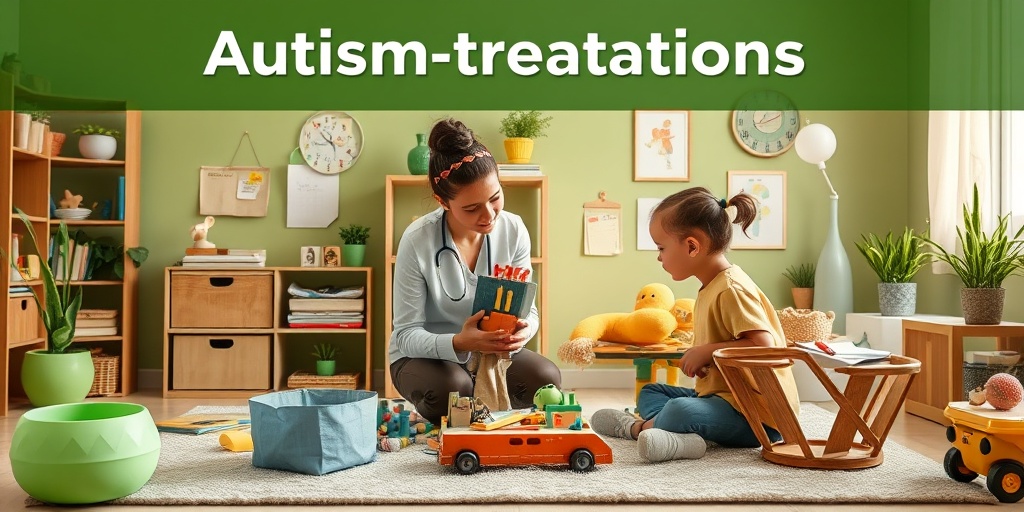
Behavioral therapies are among the most common and effective treatments for autism. One of the most widely recognized methods is Applied Behavior Analysis (ABA). ABA focuses on improving specific behaviors and skills while reducing undesired behaviors. This therapy is tailored to each individual, making it a versatile option for many.
Speech and Language Therapy
Many individuals with autism experience challenges with communication. Speech and language therapy can help improve verbal and non-verbal communication skills. This therapy focuses on enhancing the ability to express thoughts and understand others, which is crucial for social interactions.
Occupational Therapy
Occupational therapy helps individuals with autism develop daily living skills and improve their ability to participate in everyday activities. This may include assistance with self-care tasks, social skills training, and sensory integration techniques to help manage sensory sensitivities.
Medication
While there is no medication specifically for autism, certain medications can help manage symptoms associated with the disorder, such as anxiety, depression, or hyperactivity. Medications like SSRIs (selective serotonin reuptake inhibitors) and stimulants may be prescribed based on individual needs.
Support Services and Educational Interventions
Access to autism services and educational interventions is vital for individuals with autism. Early intervention programs can significantly improve outcomes by providing tailored support during critical developmental years. Schools often offer special education services designed to meet the unique needs of students with autism, ensuring they receive the appropriate education and support.
In conclusion, understanding the risk factors and treatment options for autism is essential for parents, caregivers, and individuals affected by the disorder. By recognizing these elements, we can foster a more supportive environment that promotes awareness and understanding of autism. 🌟
Autism Support Strategies
Supporting individuals with autism requires a multifaceted approach that encompasses understanding, patience, and effective strategies. Whether you are a parent, caregiver, or educator, implementing the right support strategies can significantly enhance the quality of life for those on the autism spectrum.
Understanding Autism
Before diving into support strategies, it’s essential to grasp what autism is. Autism spectrum disorder (ASD) is a developmental disorder characterized by challenges with social skills, repetitive behaviors, and communication difficulties. The symptoms of autism can vary widely, making each individual’s experience unique.
Effective Communication Techniques
Communication can be a significant hurdle for individuals with autism. Here are some strategies to improve communication:
- Visual Supports: Use pictures, symbols, or written words to help convey messages. Visual schedules can also provide structure and predictability.
- Clear and Concise Language: Use simple, direct language. Avoid idioms or metaphors that may confuse.
- Active Listening: Show that you are listening by maintaining eye contact and responding appropriately. This encourages open communication.
Creating a Structured Environment
A structured environment can help individuals with autism feel more secure and focused. Consider the following:
- Consistent Routines: Establish daily routines to provide predictability. This can reduce anxiety and help with transitions.
- Designated Spaces: Create specific areas for different activities, such as a quiet space for relaxation or a designated area for homework.
- Minimize Distractions: Reduce sensory overload by keeping environments calm and organized.
Behavioral Support Strategies
Understanding and managing behaviors is crucial in supporting individuals with autism. Here are some effective strategies:
- Positive Reinforcement: Reward desired behaviors with praise or tangible rewards. This encourages repetition of positive actions.
- Behavioral Interventions: Techniques such as Applied Behavior Analysis (ABA) can be beneficial in teaching new skills and reducing challenging behaviors.
- Social Skills Training: Engage individuals in social skills groups to practice interactions in a supportive environment.
Accessing Autism Services
Many resources are available to support individuals with autism and their families. These include:
- Therapies: Various therapies, such as speech therapy, occupational therapy, and behavioral therapy, can address specific challenges.
- Support Groups: Connecting with other families can provide emotional support and practical advice.
- Educational Resources: Schools often have special education services tailored to meet the needs of students with autism.
Living with Autism
Living with autism can present unique challenges, but it also offers opportunities for growth and understanding. Whether you are an individual on the spectrum or a family member, embracing the journey is essential.
Daily Life and Routines
Establishing a daily routine can help individuals with autism navigate their day-to-day lives more smoothly. Here are some tips:
- Visual Schedules: Use visual aids to outline daily tasks, which can help reduce anxiety about what to expect.
- Time Management: Teach time management skills using timers or clocks to help individuals understand the passage of time.
- Break Tasks into Steps: Simplify tasks by breaking them down into manageable steps, making them less overwhelming.
Social Interactions
Socializing can be challenging for individuals with autism. Here are some strategies to enhance social interactions:
- Practice Social Scenarios: Role-playing different social situations can help individuals prepare for real-life interactions.
- Encourage Interests: Engage in activities that align with their interests to foster connections with peers who share similar passions.
- Use Technology: Social skills apps and online communities can provide safe spaces for practicing social interactions.
Self-Care and Independence
Promoting self-care and independence is vital for individuals with autism. Consider these approaches:
- Life Skills Training: Teach essential life skills, such as cooking, cleaning, and personal hygiene, to foster independence.
- Encourage Decision-Making: Allow individuals to make choices in their daily lives, empowering them to take control.
- Mindfulness Practices: Introduce mindfulness techniques to help manage stress and improve emotional regulation.
Living with autism is a journey filled with challenges and triumphs. By implementing effective support strategies and fostering an understanding environment, individuals with autism can thrive and lead fulfilling lives. 🌟

Frequently Asked Questions about Autism
What is Autism?
Autism is a developmental disorder that affects communication, behavior, and social interaction. It is often referred to as autism spectrum disorder (ASD) because it encompasses a wide range of symptoms and levels of impairment.
What are the signs of Autism?
Common signs of autism include:
- Difficulty with communication and social interactions
- Repetitive behaviors or restricted interests
- Challenges in understanding social cues
- Unusual responses to sensory experiences
How is Autism diagnosed?
The autism diagnosis process typically involves a comprehensive evaluation by a healthcare professional, which may include:
- Developmental history
- Behavioral assessments
- Standardized tests
What is the Autism test?
An autism test usually consists of questionnaires and observational assessments designed to identify behaviors associated with autism. Early detection is crucial for effective intervention.
What are the symptoms of Autism?
Symptoms of autism can vary widely but often include:
- Difficulty in making eye contact
- Struggles with understanding others’ feelings
- Preference for routines and sameness
What are the causes of Autism?
The exact causes of autism are not fully understood, but research suggests a combination of genetic and environmental factors may play a role.
What treatments are available for Autism?
Autism treatment can include a variety of therapies, such as:
- Behavioral therapy (e.g., ABA therapy)
- Speech and language therapy
- Occupational therapy
Is there a link between ADHD and Autism?
Yes, there is a recognized overlap between ADHD and autism. Many individuals with autism may also exhibit symptoms of ADHD, and vice versa.
How can I raise Autism awareness?
Raising autism awareness can be achieved through:
- Participating in community events
- Sharing information on social media
- Supporting organizations that advocate for autism services
Where can I find Autism services?
Many communities offer autism services through schools, healthcare providers, and non-profit organizations. It’s important to research local resources for support and intervention.
What is the latest Autism news?
Stay updated on autism news by following reputable organizations, research journals, and news outlets that focus on developmental disorders.
Can Tylenol cause Autism?
Current research does not conclusively link Tylenol to autism. However, ongoing studies are examining various factors that may contribute to autism risk.
What is the meaning of Autism?
The meaning of autism encompasses a range of developmental challenges that affect how individuals perceive and interact with the world around them.
When was Autism discovered?
Autism was first identified in the early 20th century, with significant research and understanding evolving over the decades.
How can I support someone with Autism?
Supporting someone with autism involves understanding their unique needs, being patient, and providing a supportive environment that fosters their strengths.