What Is Atrial Fibrillation?
Atrial Fibrillation (AFib) is a common heart condition characterized by an irregular and often rapid heartbeat. This condition occurs when the electrical signals in the heart become disorganized, leading to ineffective contractions of the atria, the upper chambers of the heart. As a result, blood may not be pumped efficiently into the ventricles, which can lead to various complications.
Understanding the Heart’s Electrical System
To grasp the concept of atrial fibrillation, it’s essential to understand how the heart’s electrical system works. The heart has a natural pacemaker, known as the sinoatrial (SA) node, which generates electrical impulses that regulate heartbeats. In AFib, these impulses become chaotic, causing the atria to quiver instead of contracting effectively. This disorganized activity can lead to a range of symptoms and increase the risk of serious complications, such as stroke.
Types of Atrial Fibrillation
Atrial fibrillation can be classified into several types:
- Paroxysmal AFib: This type occurs intermittently, with episodes that come and go, often lasting less than a week.
- Persistent AFib: In this case, the irregular heartbeat lasts longer than a week and may require medical intervention to restore a normal rhythm.
- Permanent AFib: This is a chronic condition where the irregular heartbeat is ongoing and cannot be restored to normal.
Causes of Atrial Fibrillation
Several factors can contribute to the development of atrial fibrillation, including:
- Heart Conditions: Conditions such as high blood pressure, heart valve disease, and coronary artery disease can increase the risk of AFib.
- Other Medical Conditions: Thyroid disorders, lung diseases, and sleep apnea are also linked to AFib.
- Lifestyle Factors: Excessive alcohol consumption, smoking, obesity, and high levels of stress can contribute to the onset of AFib.
Understanding these causes is crucial for effective atrial fibrillation management. If you suspect you may be experiencing AFib, it’s important to consult a healthcare professional for a proper diagnosis and treatment plan.
Atrial Fibrillation Symptoms
The symptoms of atrial fibrillation can vary widely among individuals. Some people may experience significant symptoms, while others may have none at all. Here are some common symptoms associated with AFib:
Common Symptoms
- Palpitations: A sensation of a racing, fluttering, or pounding heartbeat is one of the most common symptoms.
- Shortness of Breath: Many individuals with AFib report difficulty breathing, especially during physical activity.
- Fatigue: A feeling of extreme tiredness or lack of energy can be prevalent in those with AFib.
- Dizziness or Lightheadedness: Some may experience feelings of faintness or dizziness, which can be alarming.
- Chest Pain: In some cases, AFib can lead to chest discomfort or pain, which should be taken seriously.
When to Seek Medical Attention
If you experience any of the above symptoms, especially chest pain or severe shortness of breath, it is crucial to seek medical attention immediately. A healthcare provider may perform an ECG (electrocardiogram) to diagnose AFib and determine the best course of action.
Living with Atrial Fibrillation
Managing atrial fibrillation often involves lifestyle changes, medication, and sometimes procedures like ablation to restore normal heart rhythm. Regular check-ups and monitoring are essential for those diagnosed with AFib to prevent complications such as stroke or heart failure.
For more information on atrial fibrillation and its management, consider visiting Yesil Health AI, a valuable resource for evidence-based health answers. Remember, understanding your condition is the first step towards effective management! 💖

Atrial Fibrillation Causes
Atrial fibrillation (AFib) is a common heart condition characterized by an irregular and often rapid heartbeat. Understanding the causes of atrial fibrillation is crucial for effective management and prevention. While the exact cause can vary from person to person, several factors contribute to the development of this condition.
1. Heart-Related Conditions
Many individuals with atrial fibrillation have underlying heart conditions. Some of the most common include:
- Coronary artery disease: This condition occurs when the arteries supplying blood to the heart become narrowed or blocked, leading to reduced blood flow.
- Heart valve disorders: Malfunctioning heart valves can disrupt normal blood flow, increasing the risk of AFib.
- Heart failure: This condition can lead to changes in the heart’s structure and function, making AFib more likely.
- Hypertension: High blood pressure can cause the heart’s chambers to enlarge, which may trigger AFib.
2. Other Medical Conditions
Aside from heart-related issues, several other medical conditions can lead to atrial fibrillation:
- Thyroid problems: An overactive thyroid (hyperthyroidism) can increase heart rate and lead to AFib.
- Chronic lung diseases: Conditions like chronic obstructive pulmonary disease (COPD) can strain the heart and contribute to AFib.
- Sleep apnea: This sleep disorder can cause irregular heart rhythms, including AFib.
3. Lifestyle Factors
Certain lifestyle choices can also play a significant role in the development of atrial fibrillation:
- Excessive alcohol consumption: Binge drinking or chronic alcohol use can lead to episodes of AFib.
- Obesity: Being overweight increases the risk of developing AFib due to the added strain on the heart.
- Physical inactivity: A sedentary lifestyle can contribute to heart disease and increase the likelihood of AFib.
4. Genetic Factors
Genetics can also influence the risk of developing atrial fibrillation. If you have a family history of AFib, you may be at a higher risk. Certain genetic mutations have been linked to the condition, suggesting that hereditary factors can play a role.
Atrial Fibrillation Risk Factors
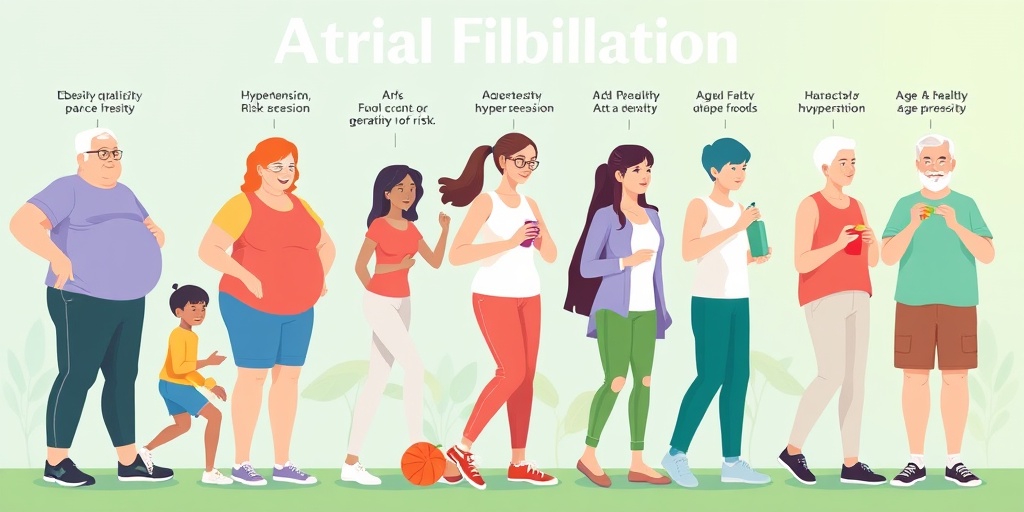
Identifying the risk factors for atrial fibrillation is essential for prevention and early intervention. While some risk factors are beyond our control, others can be managed through lifestyle changes and medical treatment.
1. Age
Age is one of the most significant risk factors for atrial fibrillation. The likelihood of developing AFib increases as you get older, particularly after the age of 65. This is often due to the cumulative effects of other risk factors over time.
2. Heart Disease
Individuals with a history of heart disease are at a higher risk for AFib. Conditions such as coronary artery disease, heart valve issues, and previous heart attacks can all contribute to the development of this arrhythmia.
3. High Blood Pressure
Hypertension is a major risk factor for atrial fibrillation. It can lead to changes in the heart’s structure, making it more susceptible to irregular rhythms. Managing blood pressure through lifestyle changes and medication is crucial for reducing AFib risk.
4. Other Medical Conditions
Several other medical conditions can increase the risk of atrial fibrillation:
- Diabetes: This condition can damage blood vessels and nerves, increasing the risk of heart problems.
- Chronic lung diseases: As mentioned earlier, conditions like COPD can strain the heart and lead to AFib.
- Thyroid disorders: Both hyperthyroidism and hypothyroidism can affect heart rhythm.
5. Lifestyle Choices
Making healthy lifestyle choices can significantly reduce the risk of atrial fibrillation:
- Regular exercise: Staying active helps maintain a healthy weight and supports heart health.
- Balanced diet: Eating a heart-healthy diet rich in fruits, vegetables, whole grains, and lean proteins can lower AFib risk.
- Avoiding tobacco: Smoking is a known risk factor for many heart conditions, including AFib.
6. Family History
If you have a family history of atrial fibrillation, your risk may be higher. Genetic predisposition can play a role in the development of this condition, making it essential to discuss your family history with your healthcare provider.
Understanding the causes and risk factors of atrial fibrillation can empower individuals to take proactive steps in managing their heart health. Regular check-ups, lifestyle modifications, and awareness of symptoms are key components in reducing the risk of AFib and its potential complications. ❤️
Atrial Fibrillation Diagnosis
Atrial fibrillation (AFib) is a common heart rhythm disorder that can lead to serious health complications if left untreated. Diagnosing AFib involves a combination of patient history, physical examination, and specific tests. Understanding the diagnostic process is crucial for effective atrial fibrillation management.
Recognizing Symptoms
The first step in diagnosing atrial fibrillation often begins with recognizing its symptoms. Common symptoms include:
- Palpitations: A sensation of a racing or fluttering heart.
- Shortness of breath: Difficulty breathing during rest or physical activity.
- Fatigue: Unusual tiredness or lack of energy.
- Dizziness or lightheadedness: Feeling faint or weak.
- Chest pain: Discomfort or pain in the chest area.
If you experience any of these symptoms, it’s essential to consult a healthcare professional for further evaluation.
Physical Examination
During a physical examination, your doctor will check your pulse and blood pressure. An irregular pulse may indicate AFib. They may also listen to your heart for abnormal sounds, which can provide additional clues about your heart’s rhythm.
Electrocardiogram (ECG)
The most definitive test for diagnosing atrial fibrillation is an electrocardiogram (ECG). This test records the electrical activity of your heart and can show:
- Irregular heartbeats
- Changes in heart rhythm
- Evidence of previous heart attacks or other heart conditions
In some cases, a 24-hour Holter monitor may be used to continuously record your heart’s rhythm over a day. This is particularly useful for detecting paroxysmal atrial fibrillation, where symptoms may not be present during a standard ECG.
Additional Testing
Depending on your symptoms and medical history, your doctor may recommend additional tests, such as:
- Echocardiogram: An ultrasound of the heart to assess its structure and function.
- Blood tests: To check for underlying conditions that may contribute to AFib, such as thyroid issues or electrolyte imbalances.
- Stress tests: To evaluate how your heart performs under physical stress.
These tests help in understanding the underlying causes of atrial fibrillation and guide appropriate treatment options.
Atrial Fibrillation Complications
Atrial fibrillation can lead to several serious complications if not managed properly. Understanding these risks is vital for anyone diagnosed with AFib.
Stroke Risk
One of the most significant complications associated with atrial fibrillation is an increased risk of stroke. When the heart beats irregularly, blood can pool in the atria, leading to the formation of blood clots. If a clot travels to the brain, it can cause a stroke. In fact, individuals with AFib are five times more likely to experience a stroke compared to those without the condition. This is why atrial fibrillation management often includes anticoagulant medications to reduce this risk.
Heart Failure
Another serious complication is heart failure. The irregular heart rhythm can weaken the heart over time, making it less effective at pumping blood. Symptoms of heart failure may include:
- Shortness of breath
- Swelling in the legs and ankles
- Fatigue
Managing AFib effectively can help prevent the progression to heart failure.
Other Complications
In addition to stroke and heart failure, atrial fibrillation can lead to other complications, such as:
- Ventricular Fibrillation: A life-threatening condition where the heart’s lower chambers quiver instead of pumping blood.
- Atrial Flutter: A related arrhythmia that can occur alongside AFib.
- Increased risk of other heart conditions: AFib can be associated with other cardiovascular diseases, including coronary artery disease.
Understanding these complications emphasizes the importance of early diagnosis and ongoing management of atrial fibrillation. Regular check-ups and adherence to treatment plans can significantly reduce the risks associated with this condition.
Atrial Fibrillation Treatment Options
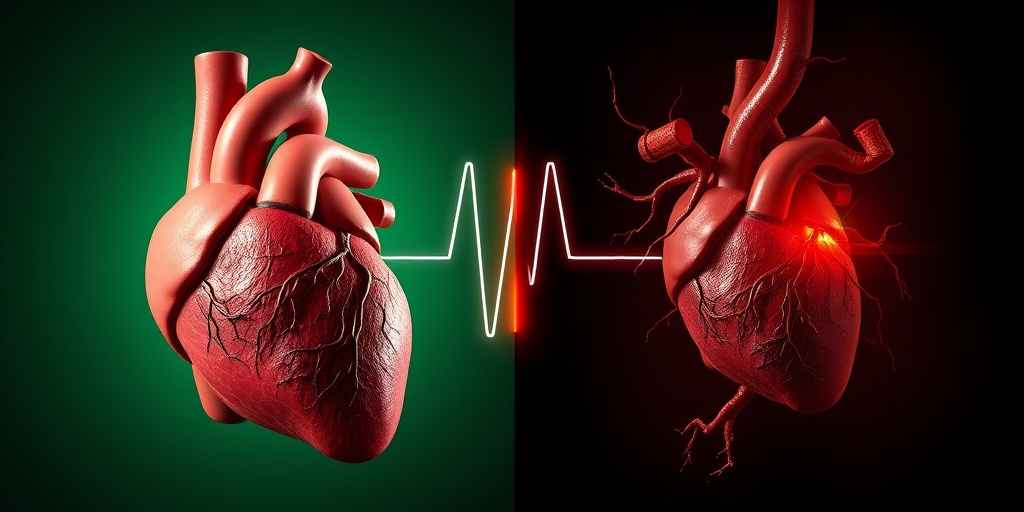
Atrial fibrillation (AFib) is a common heart condition characterized by an irregular and often rapid heartbeat. Understanding the various atrial fibrillation treatment options available is crucial for effective management and improving quality of life. Here, we will explore the primary treatment modalities, including medications, procedures, and lifestyle adjustments.
Medications for Atrial Fibrillation
Medications play a vital role in managing AFib. They can help control heart rate, restore normal rhythm, and prevent blood clots. Here are some common types of medications used:
- Rate Control Medications: These medications, such as beta-blockers and calcium channel blockers, help slow down the heart rate during episodes of AFib.
- Rhythm Control Medications: Antiarrhythmic drugs like amiodarone and sotalol aim to restore and maintain a normal heart rhythm.
- Anticoagulants: To reduce the risk of stroke, blood thinners like warfarin or newer agents such as dabigatran and rivaroxaban are often prescribed.
Procedures for Atrial Fibrillation
For some patients, medications alone may not be sufficient. In such cases, medical procedures may be recommended:
- Ablation: This minimally invasive procedure involves destroying small areas of heart tissue that are causing abnormal electrical signals. It can be particularly effective for patients with paroxysmal AFib.
- Cardioversion: This procedure uses electrical shocks to reset the heart’s rhythm back to normal. It can be done either electrically or chemically.
- Pacemaker Implantation: In cases of chronic atrial fibrillation where the heart rate is too slow, a pacemaker may be implanted to help regulate the heartbeat.
Monitoring and Follow-Up
Regular monitoring is essential for effective atrial fibrillation management. Patients may need periodic ECGs (electrocardiograms) to assess heart rhythm and ensure that treatment is effective. Keeping track of symptoms and medication adherence is also crucial for optimal management.
Atrial Fibrillation Lifestyle Changes
In addition to medical treatments, certain lifestyle changes can significantly impact the management of atrial fibrillation. These changes can help reduce symptoms and improve overall heart health.
Dietary Adjustments
A heart-healthy diet is fundamental for individuals with AFib. Consider the following dietary tips:
- Limit Sodium Intake: Reducing salt can help manage blood pressure and decrease fluid retention.
- Increase Potassium-Rich Foods: Foods like bananas, oranges, and spinach can help maintain normal heart function.
- Avoid Caffeine and Alcohol: Both substances can trigger AFib episodes in some individuals, so moderation is key.
Regular Exercise
Engaging in regular physical activity can strengthen the heart and improve overall cardiovascular health. Aim for at least 150 minutes of moderate aerobic exercise each week, such as:
- Walking 🚶♂️
- Swimming 🏊♀️
- Cycling 🚴♂️
Always consult with a healthcare provider before starting any new exercise regimen, especially if you have AFib.
Stress Management
Stress can exacerbate AFib symptoms, making stress management techniques essential. Consider incorporating practices such as:
- Meditation: Mindfulness and meditation can help reduce stress levels.
- Yoga: This practice promotes relaxation and can improve heart health.
- Deep Breathing Exercises: Simple breathing techniques can help calm the mind and body.
Avoiding Triggers
Identifying and avoiding personal triggers is crucial for managing AFib. Common triggers may include:
- Excessive alcohol consumption
- High-stress situations
- Fatigue and lack of sleep
By making these lifestyle changes and adhering to treatment plans, individuals with atrial fibrillation can lead healthier, more fulfilling lives. Remember, always consult with your healthcare provider for personalized advice and treatment options tailored to your specific needs.

Frequently Asked Questions about Atrial Fibrillation
What is Atrial Fibrillation?
Atrial Fibrillation, often abbreviated as AFib, is a common heart rhythm disorder characterized by irregular and often rapid heartbeats. This condition can lead to various complications, including stroke and heart failure.
What are the symptoms of Atrial Fibrillation?
Common symptoms of Atrial Fibrillation include:
- Palpitations: A feeling of fluttering or pounding in the chest.
- Shortness of breath: Difficulty breathing, especially during physical activity.
- Fatigue: Unusual tiredness or lack of energy.
- Dizziness or lightheadedness: Feeling faint or weak.
What causes Atrial Fibrillation?
Several factors can contribute to the development of Atrial Fibrillation, including:
- Heart conditions: Such as high blood pressure, heart valve disease, or previous heart surgery.
- Other medical conditions: Including hyperthyroidism, diabetes, and chronic lung disease.
- Lifestyle factors: Such as excessive alcohol consumption, obesity, and lack of physical activity.
How is Atrial Fibrillation diagnosed?
Atrial Fibrillation is typically diagnosed through an ECG (electrocardiogram), which records the electrical activity of the heart. Your doctor may also perform additional tests to determine the underlying causes.
What are the treatment options for Atrial Fibrillation?
Treatment for Atrial Fibrillation may include:
- Medications: To control heart rate and rhythm, as well as to prevent blood clots.
- Ablation: A procedure that destroys small areas of heart tissue that may be causing the irregular heartbeat.
- Lifestyle changes: Such as diet modifications, exercise, and stress management.
What is the difference between Atrial Fibrillation and Atrial Flutter?
Atrial Flutter is another type of abnormal heart rhythm that is similar to Atrial Fibrillation but typically has a more organized electrical pattern. Both conditions can lead to similar symptoms and complications.
Can Atrial Fibrillation lead to other heart conditions?
Yes, if left untreated, Atrial Fibrillation can increase the risk of developing other serious conditions, such as ventricular fibrillation, heart failure, and stroke.
How can I manage Atrial Fibrillation effectively?
Effective management of Atrial Fibrillation involves a combination of medical treatment, lifestyle changes, and regular monitoring. It’s essential to work closely with your healthcare provider to develop a personalized management plan.
Is Atrial Fibrillation a lifelong condition?
Atrial Fibrillation can be chronic for some individuals, while others may experience paroxysmal episodes that resolve on their own. Regular follow-up with a healthcare provider is crucial for ongoing management.
When should I seek medical attention for Atrial Fibrillation?
If you experience severe symptoms such as chest pain, severe shortness of breath, or fainting, seek immediate medical attention. Regular check-ups are also important for managing the condition effectively.