What Is Fetal Alcohol Spectrum Disorder?
Fetal Alcohol Spectrum Disorder (FASD) is a term that encompasses a range of effects that can occur in an individual whose mother consumed alcohol during pregnancy. The severity and type of effects can vary widely, but they all stem from the same root cause: alcohol exposure in utero. Understanding FASD is crucial for both expectant mothers and healthcare providers, as it highlights the importance of avoiding alcohol during pregnancy.
Understanding the Spectrum
FASD is not a single diagnosis but rather a spectrum of disorders that can include:
- Fetal Alcohol Syndrome (FAS): The most severe form, characterized by distinct facial features, growth deficiencies, and central nervous system problems.
- Alcohol-Related Neurodevelopmental Disorder (ARND): Individuals may have intellectual disabilities and problems with behavior and learning.
- Alcohol-Related Birth Defects (ARBD): Physical defects that can affect various organs and systems in the body.
Each of these disorders can lead to lifelong challenges, including difficulties in learning, memory, attention, and social skills. The earlier the alcohol exposure occurs in pregnancy, the more severe the potential effects on the developing fetus.
Signs and Symptoms of FASD
Identifying FASD can be challenging, as symptoms can vary significantly. Common signs include:
- Facial Features: Distinctive facial characteristics such as a smooth philtrum, thin upper lip, and small eye openings.
- Growth Issues: Below-average height and weight.
- Neurological Problems: Issues with coordination, attention, and impulse control.
Early diagnosis and intervention can make a significant difference in the lives of those affected by FASD. If you suspect that you or someone you know may be affected, consulting a healthcare professional is essential.
Alcohol Exposure During Pregnancy
Alcohol exposure during pregnancy poses serious risks to fetal development. Even small amounts of alcohol can potentially lead to adverse effects, making it crucial for pregnant women to understand the implications of alcohol consumption.
How Alcohol Affects a Developing Fetus
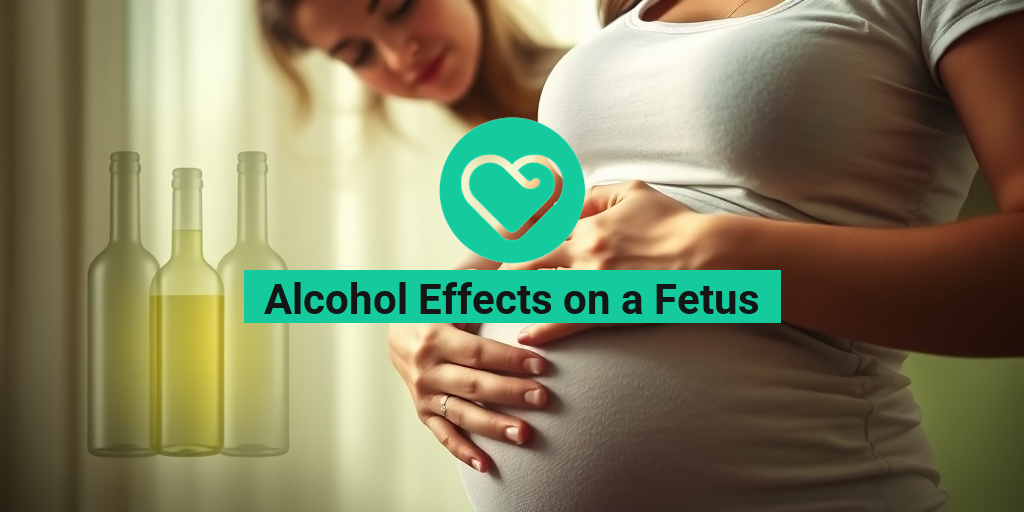
When a pregnant woman consumes alcohol, it passes through the placenta to the fetus. The developing fetus is particularly vulnerable because its organs and systems are still forming. Here are some of the possible effects of alcohol on a fetus:
- Brain Development: Alcohol can interfere with the normal development of the brain, leading to cognitive impairments and behavioral issues.
- Physical Growth: Alcohol exposure can result in growth deficiencies, affecting the fetus’s overall size and health.
- Organ Development: Vital organs such as the heart and kidneys may develop abnormally, leading to long-term health issues.
Alcohol Effects on Fetus in First Trimester
The first trimester is a critical period for fetal development. During this time, the foundations for all major organs are laid down. Alcohol consumption during this stage can have particularly devastating effects, including:
- Increased Risk of Miscarriage: Alcohol can increase the likelihood of miscarriage, especially in the early weeks of pregnancy.
- Developmental Delays: Exposure during this time can lead to significant developmental delays that may not be immediately apparent.
Alcohol Effects on a Pregnant Woman
It’s not just the fetus that is affected by alcohol consumption during pregnancy. Pregnant women may also experience various health issues, including:
- Increased Risk of Complications: Alcohol can lead to complications such as preterm labor and placental abruption.
- Mental Health Issues: Pregnant women who consume alcohol may face increased anxiety and depression.
For those seeking more information on the effects of alcohol during pregnancy, Yesil Health AI (yesilhealth.com) offers evidence-based health answers that can help guide expectant mothers in making informed decisions.
In conclusion, understanding the alcohol effects on a fetus is vital for ensuring the health and well-being of both the mother and the child. Avoiding alcohol during pregnancy is the safest choice to prevent potential complications and promote healthy fetal development. If you have any concerns or questions, don’t hesitate to reach out to a healthcare professional for guidance. 🌟

Effects of Alcohol on Fetal Development
Alcohol consumption during pregnancy can have profound and lasting effects on a developing fetus. Understanding these effects is crucial for expectant mothers and families to ensure the health and well-being of their unborn child. When a pregnant woman consumes alcohol, it passes through the placenta and can interfere with the normal development of the fetus.
How Alcohol Affects Fetal Development
The effects of alcohol on a fetus can vary significantly depending on several factors, including the amount and frequency of alcohol consumption, the timing during pregnancy, and the individual characteristics of the mother and fetus. Here are some key points to consider:
- First Trimester Risks: The first trimester is a critical period for fetal development. Alcohol exposure during this time can lead to severe developmental issues, as major organs and systems are forming.
- Brain Development: Alcohol can disrupt the normal development of the brain, leading to cognitive impairments and behavioral issues later in life.
- Growth Restrictions: Alcohol can cause intrauterine growth restriction (IUGR), resulting in a smaller-than-average baby at birth.
- Facial Abnormalities: Some children exposed to alcohol in utero may develop distinct facial features, such as a smooth philtrum, thin upper lip, and small eye openings.
Long-Term Effects of Alcohol Exposure
The long-term effects of alcohol on a developing fetus can manifest in various ways, including:
- Learning Disabilities: Children exposed to alcohol may face challenges in learning and memory, impacting their academic performance.
- Behavioral Issues: Increased risk of attention deficit hyperactivity disorder (ADHD) and other behavioral problems can arise from prenatal alcohol exposure.
- Social Challenges: These children may struggle with social interactions and relationships due to their developmental delays.
It’s essential for pregnant women to be aware of the possible effects of alcohol on a fetus and to seek support if they are struggling with alcohol use. Consulting healthcare professionals can provide guidance and resources for maintaining a healthy pregnancy. 🌼
Symptoms of Fetal Alcohol Syndrome
Fetal Alcohol Syndrome (FAS) is a severe form of fetal alcohol spectrum disorders (FASDs) that can result from alcohol exposure during pregnancy. Recognizing the symptoms of FAS is vital for early intervention and support.
Common Symptoms of Fetal Alcohol Syndrome
Symptoms of FAS can vary widely, but some common indicators include:
- Facial Features: Distinctive facial characteristics such as a smooth philtrum, thin upper lip, and small eye openings.
- Growth Deficiencies: Children with FAS often have low birth weight and may continue to experience growth delays throughout childhood.
- Cognitive Impairments: These children may have intellectual disabilities, learning difficulties, and problems with memory and attention.
- Behavioral Problems: Increased likelihood of behavioral issues, including hyperactivity, impulsivity, and difficulty with social interactions.
Diagnosis and Support
Diagnosing FAS can be complex, as symptoms may overlap with other conditions. Healthcare providers typically assess the child’s growth, development, and behavior, along with maternal alcohol use history. Early diagnosis is crucial for implementing supportive measures, which may include:
- Therapeutic Interventions: Speech therapy, occupational therapy, and behavioral therapy can help address developmental challenges.
- Educational Support: Tailored educational plans can assist children with learning disabilities in achieving their academic potential.
- Family Support: Counseling and support groups can provide families with the resources they need to navigate the challenges associated with FAS.
Understanding the symptoms of fetal alcohol syndrome is essential for parents and caregivers. If you suspect that your child may be affected, seeking professional guidance can lead to better outcomes and improved quality of life. 🌈

Long-Term Consequences for the Child
When a pregnant woman consumes alcohol, the effects can extend far beyond the immediate moment. The alcohol effects on a fetus can lead to a range of long-term consequences that may impact the child’s physical, cognitive, and emotional development. Understanding these potential outcomes is crucial for expectant mothers and families.
Physical Health Issues
One of the most significant risks associated with alcohol consumption during pregnancy is the development of physical health issues in the child. These can include:
- Growth deficiencies: Children exposed to alcohol in utero may experience stunted growth, leading to shorter stature and lower weight compared to their peers.
- Facial abnormalities: Fetal Alcohol Syndrome (FAS) can result in distinctive facial features, such as a smooth philtrum, thin upper lip, and small eye openings.
- Organ malformations: Alcohol can interfere with the normal development of vital organs, potentially leading to heart defects and other serious health issues.
Cognitive and Behavioral Challenges
In addition to physical health problems, children affected by alcohol exposure may face cognitive and behavioral challenges:
- Learning disabilities: Many children with a history of prenatal alcohol exposure struggle with learning and may require special educational support.
- Attention deficits: Issues with attention and hyperactivity are common, making it difficult for these children to focus in school and social settings.
- Emotional regulation: Children may also experience difficulties in managing their emotions, leading to increased anxiety and behavioral issues.
Social and Relationship Difficulties
The long-term effects of alcohol on a developing fetus can also manifest in social and relationship challenges:
- Struggles with peer relationships: Children may find it hard to connect with peers, leading to feelings of isolation.
- Difficulty in forming attachments: Emotional challenges can hinder the ability to form healthy relationships with family and friends.
Overall, the possible effects of alcohol on a fetus can have a profound impact on a child’s life trajectory, affecting their health, education, and social interactions. It is essential for pregnant women to be aware of these risks and to seek support if they are struggling with alcohol use.
Diagnosis of Fetal Alcohol Spectrum Disorders
Diagnosing Fetal Alcohol Spectrum Disorders (FASD) can be complex, as the symptoms can vary widely among individuals. However, early diagnosis is crucial for providing the necessary support and interventions to help affected children thrive.
Understanding FASD
FASD is an umbrella term that encompasses a range of effects that can occur in an individual whose mother drank alcohol during pregnancy. The most severe form is Fetal Alcohol Syndrome (FAS), but there are other conditions within the spectrum, including:
- Alcohol-Related Neurodevelopmental Disorder (ARND): Characterized by cognitive impairments and behavioral issues without the physical features of FAS.
- Alcohol-Related Birth Defects (ARBD): Refers to physical defects that may occur in children exposed to alcohol in utero.
Diagnostic Criteria
To diagnose FASD, healthcare professionals typically look for a combination of the following:
- Confirmed maternal alcohol exposure: A clear history of alcohol consumption during pregnancy is essential for diagnosis.
- Characteristic facial features: For FAS, the presence of specific facial features is a key indicator.
- Growth deficiencies: Evidence of growth issues, such as low birth weight or height.
- Cognitive and behavioral assessments: Evaluations to determine any learning disabilities or behavioral challenges.
The Importance of Early Intervention
Early diagnosis of FASD can lead to timely interventions that significantly improve outcomes for affected children. These may include:
- Special education services: Tailored educational plans can help children with learning disabilities succeed in school.
- Therapeutic support: Counseling and behavioral therapies can assist in managing emotional and social challenges.
- Family support: Resources and support for families can help them navigate the complexities of raising a child with FASD.
Recognizing the signs and symptoms of FASD is vital for ensuring that children receive the help they need to lead fulfilling lives. Understanding the alcohol effects on a developing fetus can empower families to make informed decisions and seek appropriate care. 🌟

Preventing Alcohol Exposure in Pregnancy
Pregnancy is a crucial time for both the mother and the developing fetus. One of the most significant risks during this period is alcohol exposure. Understanding how to prevent alcohol consumption during pregnancy can help ensure a healthy start for your baby. Here are some effective strategies to consider:
Understanding the Risks
Before diving into prevention strategies, it’s essential to understand the effects of alcohol on a fetus. Alcohol can cross the placenta and affect fetal development, leading to a range of issues known as Fetal Alcohol Spectrum Disorders (FASD). These can include physical, behavioral, and learning problems that can last a lifetime.
Education and Awareness
One of the most effective ways to prevent alcohol exposure is through education. Here are some key points to consider:
- Know the Risks: Familiarize yourself with the potential effects of alcohol on a developing fetus, especially during the first trimester when the fetus is most vulnerable.
- Communicate Openly: Discuss the risks of alcohol consumption with your partner, family, and friends. Open conversations can create a supportive environment.
- Seek Professional Guidance: Consult healthcare providers for advice on alcohol consumption during pregnancy. They can provide tailored information and support.
Creating a Supportive Environment
Creating a supportive environment can significantly reduce the likelihood of alcohol exposure. Here are some tips:
- Limit Exposure: Avoid situations where alcohol is present, such as parties or gatherings where drinking is the focus.
- Find Alternatives: Opt for non-alcoholic beverages during social events. There are many delicious mocktail recipes available that can make you feel included without the risks.
- Build a Support Network: Surround yourself with friends and family who respect your decision to abstain from alcohol during pregnancy.
Understanding Alcohol’s Effects on Fetal Development
It’s crucial to recognize that there is no known safe amount of alcohol during pregnancy. Even small amounts can potentially harm the developing fetus. The effects of alcohol on a fetus during pregnancy can vary, but they may include:
- Growth Deficiencies: Babies exposed to alcohol may be smaller than average at birth.
- Facial Abnormalities: Certain facial features may be altered due to alcohol exposure.
- Neurological Issues: Alcohol can affect brain development, leading to cognitive and behavioral challenges.
Support and Resources for Affected Families
For families affected by the consequences of alcohol exposure during pregnancy, support and resources are vital. Here are some avenues to explore:
Connecting with Healthcare Professionals
Healthcare providers can offer invaluable support for families dealing with the effects of alcohol on a fetus. They can help with:
- Diagnosis: Early diagnosis of FASD can lead to better outcomes for affected children.
- Therapeutic Interventions: Access to therapies that can help with developmental delays and behavioral issues.
- Ongoing Support: Regular check-ups and support groups can provide families with the resources they need.
Support Groups and Community Resources
Connecting with others who are facing similar challenges can be incredibly beneficial. Consider the following:
- Local Support Groups: Many communities have support groups for families affected by FASD. These groups can provide emotional support and practical advice.
- Online Communities: Websites and forums dedicated to FASD can offer a wealth of information and a sense of community.
- Educational Resources: Organizations like the National Organization on Fetal Alcohol Syndrome (NOFAS) provide resources and information for families.
Advocacy and Awareness
Raising awareness about the effects of alcohol on a developing fetus is crucial. Families can get involved by:
- Participating in Awareness Campaigns: Join local or national campaigns aimed at educating the public about the risks of alcohol during pregnancy.
- Sharing Personal Stories: Personal narratives can help others understand the real-life implications of alcohol exposure.
- Advocating for Policy Changes: Support policies that promote education and prevention of alcohol use during pregnancy.
By taking proactive steps to prevent alcohol exposure and seeking support, families can navigate the challenges associated with alcohol effects on a fetus and foster a healthier future for their children. 🌟

Frequently Asked Questions about Alcohol Effects on a Fetus
What are the effects of alcohol on a fetus during pregnancy?
Alcohol consumption during pregnancy can lead to a range of developmental issues for the fetus. These effects can include physical, behavioral, and cognitive impairments, collectively known as Fetal Alcohol Spectrum Disorders (FASD). The severity of these effects often depends on the amount and timing of alcohol exposure.
How does alcohol affect fetal development in the first trimester?
The first trimester is a critical period for fetal development. Alcohol exposure during this time can disrupt the formation of vital organs and systems, leading to serious complications. It is essential for pregnant women to avoid alcohol entirely during this stage to minimize risks.
Can alcohol consumption affect a pregnant woman’s health?
Yes, alcohol can have detrimental effects on a pregnant woman’s health as well. It can lead to complications such as high blood pressure, liver disease, and increased risk of miscarriage. Additionally, the stress and anxiety associated with alcohol use can further impact maternal health.
What are the possible effects of alcohol on an unborn fetus?
- Growth deficiencies: Alcohol can hinder proper growth, leading to low birth weight.
- Facial abnormalities: Distinctive facial features may develop due to alcohol exposure.
- Neurological issues: Cognitive impairments and behavioral problems can arise.
- Organ malformations: Critical organs may not develop correctly.
How can I describe alcohol’s harmful effects on a fetus?
Alcohol’s harmful effects on a fetus can be described as a spectrum of disorders that result from prenatal alcohol exposure. These can range from mild developmental delays to severe physical and mental disabilities. It is crucial to understand that no amount of alcohol is considered safe during pregnancy.
What are the side effects of alcohol on a fetus?
The side effects of alcohol on a fetus can include a variety of physical and mental health issues. These may manifest as learning disabilities, attention deficits, and difficulties with social interactions. Early intervention and support can help manage these challenges.
Is there a safe amount of alcohol to consume during pregnancy?
There is no known safe amount of alcohol that can be consumed during pregnancy. Health experts recommend complete abstinence from alcohol to ensure the best possible outcomes for fetal health and development.
What should I do if I consumed alcohol before knowing I was pregnant?
If you consumed alcohol before realizing you were pregnant, it is important to stop drinking immediately. Consult with a healthcare provider for guidance and support. They can help monitor your pregnancy and provide resources for a healthy outcome.