What Is Fetal Alcohol Exposure?
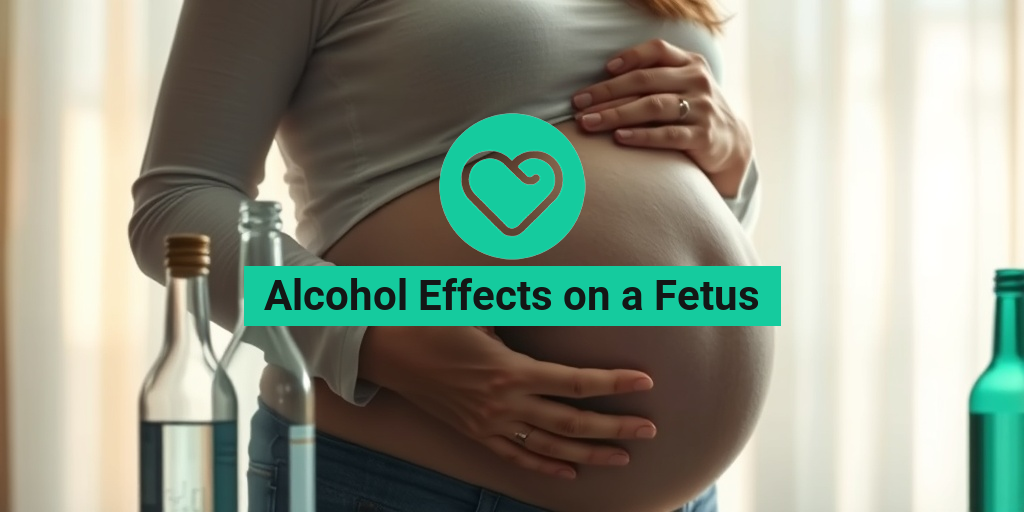
Fetal Alcohol Exposure (FAE) refers to the range of effects that can occur in a developing fetus when a pregnant woman consumes alcohol. This exposure can lead to a spectrum of physical, behavioral, and cognitive challenges known collectively as Fetal Alcohol Spectrum Disorders (FASD). Understanding the implications of alcohol consumption during pregnancy is crucial for the health of both the mother and the child.
The Impact of Alcohol on Fetal Development
When a pregnant woman drinks alcohol, it passes through the placenta and reaches the fetus. The developing fetus metabolizes alcohol differently than an adult, making it more vulnerable to its harmful effects. The timing and amount of alcohol consumed can significantly influence the severity of the effects on the fetus. Even small amounts of alcohol can pose risks, especially during critical periods of development.
Why Is the First Trimester Critical?
The first trimester is particularly crucial for fetal development. During this time, the foundations for major organs and systems are being established. Consuming alcohol during this period can lead to severe developmental issues. Research indicates that the effects of alcohol on a fetus in the first trimester can result in lifelong consequences, including physical deformities and cognitive impairments.
Understanding the Spectrum of Effects
Fetal Alcohol Spectrum Disorders encompass a range of conditions, from mild to severe. The most severe form is Fetal Alcohol Syndrome (FAS), which is characterized by distinct facial features, growth deficiencies, and central nervous system problems. Other conditions within the spectrum may not present all the classic symptoms of FAS but can still lead to significant challenges in learning and behavior.
Fetal Alcohol Syndrome Symptoms
Fetal Alcohol Syndrome (FAS) is the most severe outcome of fetal alcohol exposure and is marked by a specific set of symptoms. Recognizing these symptoms early can lead to better management and support for affected individuals.
Physical Symptoms
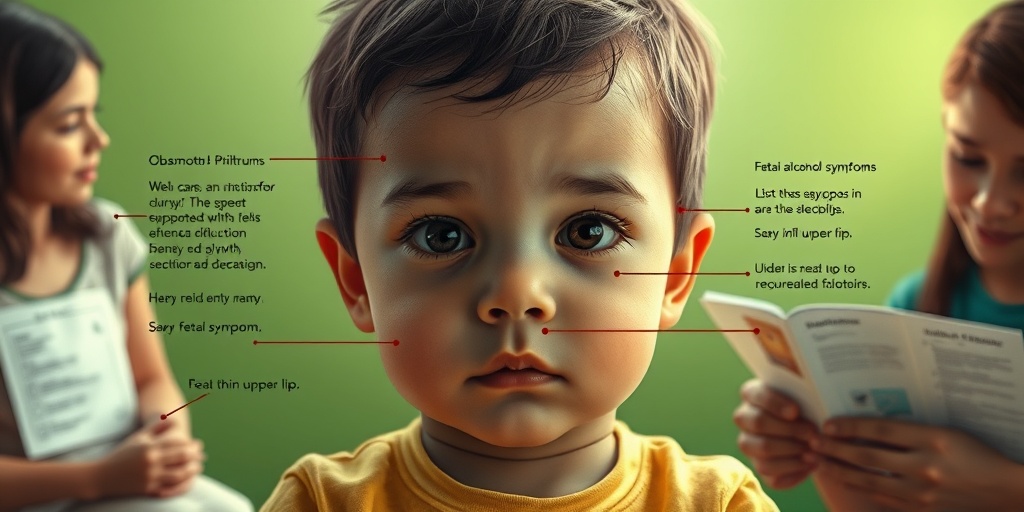
- Distinct Facial Features: Children with FAS often have unique facial characteristics, including a smooth philtrum (the groove between the nose and upper lip), thin upper lip, and small eye openings.
- Growth Deficiencies: These children may be smaller than their peers, both at birth and as they grow.
- Organ Abnormalities: Some may have heart defects or other organ-related issues.
Cognitive and Behavioral Symptoms
- Learning Disabilities: Many children with FAS experience difficulties in school, including challenges with attention, memory, and problem-solving.
- Behavioral Issues: These can include hyperactivity, impulsivity, and difficulties in social interactions.
- Emotional Challenges: Individuals may struggle with emotional regulation and may be at a higher risk for mental health issues.
Long-Term Effects
The effects alcohol has on a fetus can extend into adulthood. Individuals with FASD may face ongoing challenges in various aspects of life, including education, employment, and relationships. Early intervention and support can significantly improve outcomes for those affected.
Seeking Help and Resources
If you suspect that you or someone you know may be affected by FAS or FASD, it’s essential to seek professional help. Resources like Yesil Health AI (yesilhealth.com) can provide evidence-based information and guidance on managing these conditions effectively.
In conclusion, understanding the alcohol effects on a fetus is vital for preventing Fetal Alcohol Spectrum Disorders. By raising awareness and providing support, we can help ensure healthier outcomes for future generations. Remember, the best choice for a healthy pregnancy is to avoid alcohol entirely. 🍏
Causes of Fetal Alcohol Exposure
Fetal alcohol exposure occurs when a pregnant woman consumes alcohol, leading to potential harm to the developing fetus. Understanding the causes of this exposure is crucial for preventing its adverse effects. Here are the primary causes:
1. Maternal Alcohol Consumption
The most direct cause of fetal alcohol exposure is the consumption of alcohol by the mother during pregnancy. This can happen at any stage of pregnancy, but the first trimester is particularly critical as this is when the fetus’s organs are developing. Even small amounts of alcohol can be harmful, as there is no known safe level of alcohol consumption during pregnancy.
2. Binge Drinking
Binge drinking, defined as consuming four or more drinks in a single occasion, significantly increases the risk of fetal alcohol exposure. This pattern of drinking can lead to severe developmental issues in the fetus, including fetal alcohol syndrome (FAS), which is characterized by physical and cognitive impairments.
3. Alcohol Type and Concentration
Different types of alcoholic beverages contain varying concentrations of alcohol. For instance, spirits generally have a higher alcohol content than beer or wine. Pregnant women may underestimate the effects of these beverages, leading to unintentional overconsumption. It’s essential to recognize that all forms of alcohol can affect fetal development.
4. Lack of Awareness
Many women may not be aware of the risks associated with alcohol consumption during pregnancy. Misconceptions about the safety of certain types of alcohol or the belief that occasional drinking is harmless can contribute to fetal alcohol exposure. Education and awareness are vital in preventing these risks.
5. Socioeconomic Factors
Socioeconomic status can also play a role in fetal alcohol exposure. Women from lower socioeconomic backgrounds may have less access to healthcare and education about the dangers of alcohol during pregnancy. Additionally, stressors such as financial instability can lead to increased alcohol consumption as a coping mechanism.
Risk Factors for Alcohol Effects
Understanding the risk factors associated with the effects of alcohol on a fetus is essential for prevention and intervention. Here are some key risk factors:
1. Timing of Alcohol Exposure
The timing of alcohol consumption during pregnancy is critical. The first trimester is particularly vulnerable, as this is when the fetus’s brain and organs are developing. Alcohol exposure during this period can lead to significant developmental issues.
2. Quantity of Alcohol Consumed
The amount of alcohol consumed is another significant risk factor. Higher quantities increase the likelihood of severe effects on the fetus. Even moderate drinking can pose risks, as individual tolerance and metabolism can vary widely among pregnant women.
3. Maternal Health and Genetics
A woman’s overall health and genetic predisposition can influence how alcohol affects her fetus. Women with pre-existing health conditions or genetic factors may be more susceptible to the harmful effects of alcohol, leading to increased risks for their developing child.
4. Co-occurring Substance Use
Women who consume alcohol may also use other substances, such as tobacco or illicit drugs. This combination can exacerbate the effects of alcohol on fetal development, leading to more severe outcomes. It’s crucial for healthcare providers to address all substance use during prenatal care.
5. Mental Health Issues
Mental health challenges, such as depression or anxiety, can lead some women to use alcohol as a coping mechanism. This can increase the risk of fetal alcohol exposure and its associated effects. Providing support and resources for mental health can help mitigate this risk.
In conclusion, understanding the causes and risk factors of fetal alcohol exposure is essential for promoting healthy pregnancies. By raising awareness and providing education, we can help prevent the harmful effects of alcohol on developing fetuses. 🌟
Diagnosis of Fetal Alcohol Spectrum Disorders
Fetal Alcohol Spectrum Disorders (FASD) encompass a range of physical, behavioral, and learning challenges that can occur in individuals whose mothers consumed alcohol during pregnancy. Understanding how to diagnose these disorders is crucial for early intervention and support.
Understanding FASD
FASD is an umbrella term that includes several diagnoses, such as Fetal Alcohol Syndrome (FAS), Partial Fetal Alcohol Syndrome (pFAS), and Alcohol-Related Neurodevelopmental Disorder (ARND). Each of these conditions varies in severity and symptoms, but they all stem from alcohol exposure during pregnancy.
Signs and Symptoms
Diagnosing FASD can be challenging, as symptoms may not be immediately apparent. However, some common signs include:
- Physical Abnormalities: These may include facial features such as a smooth philtrum, thin upper lip, and small eye openings.
- Growth Deficiencies: Children with FASD may have low birth weight and may not grow at a typical rate.
- Neurological Issues: This can manifest as developmental delays, learning disabilities, and behavioral problems.
Diagnostic Process
The diagnostic process for FASD typically involves a comprehensive evaluation by a team of healthcare professionals, including pediatricians, psychologists, and social workers. The assessment may include:
- Medical History: Gathering information about the mother’s alcohol consumption during pregnancy and the child’s developmental milestones.
- Physical Examination: A thorough examination to identify any physical signs associated with FASD.
- Behavioral Assessments: Evaluating the child’s behavior and cognitive abilities through standardized tests.
Early diagnosis is essential, as it allows for timely interventions that can significantly improve outcomes for children affected by FASD. Parents and caregivers should be aware of the signs and seek professional help if they suspect FASD.
Long-Term Effects on Child Development
The long-term effects of alcohol exposure on a developing fetus can be profound and far-reaching. Understanding these effects is crucial for parents, educators, and healthcare providers.
Impact on Cognitive Development
Children diagnosed with FASD often face challenges in cognitive development. These may include:
- Learning Disabilities: Many children with FASD struggle with academic skills, particularly in reading and math.
- Memory Issues: Difficulties with short-term memory can hinder learning and daily functioning.
- Attention Deficits: Children may exhibit symptoms similar to Attention Deficit Hyperactivity Disorder (ADHD), making it hard for them to focus.
Social and Emotional Challenges
Beyond cognitive issues, children with FASD may also experience social and emotional difficulties:
- Difficulty with Relationships: They may struggle to form and maintain friendships due to social skills deficits.
- Behavioral Problems: Increased impulsivity and difficulty regulating emotions can lead to behavioral challenges.
- Low Self-Esteem: Ongoing struggles in school and social settings can contribute to feelings of inadequacy.
Physical Health Concerns
In addition to cognitive and emotional challenges, children with FASD may face various physical health issues, including:
- Growth Problems: Many children with FASD experience growth deficiencies that can persist into adolescence.
- Organ Defects: Some may have congenital disabilities affecting the heart, kidneys, or bones.
- Vision and Hearing Issues: These children are at a higher risk for sensory impairments, which can further complicate their development.
Understanding the long-term effects of alcohol on a fetus is vital for providing appropriate support and interventions. Early diagnosis and tailored educational and therapeutic strategies can help children with FASD lead fulfilling lives. 🌟

Preventing Alcohol Exposure During Pregnancy
Pregnancy is a crucial time for both the mother and the developing fetus. One of the most significant risks during this period is alcohol exposure. Understanding how to prevent alcohol consumption during pregnancy can help ensure a healthy start for your baby. Here are some essential strategies to consider:
Understanding the Risks
Alcohol can have devastating effects on a fetus, especially during the first trimester when the baby’s organs are forming. The effects alcohol has on a fetus can lead to a range of developmental issues, including:
- Physical deformities
- Neurological problems
- Behavioral issues
- Learning disabilities
It’s crucial for expectant mothers to understand that no amount of alcohol is considered safe during pregnancy. The alcohol effects on a developing fetus can be severe and long-lasting, making prevention a top priority.
Education and Awareness
One of the most effective ways to prevent alcohol exposure during pregnancy is through education. Here are some steps to take:
- Attend prenatal classes: These classes often cover the importance of avoiding alcohol and other harmful substances.
- Consult healthcare providers: Regular check-ups with a healthcare professional can provide valuable information and support.
- Read literature: Books and articles about pregnancy can help raise awareness about the risks associated with alcohol consumption.
Creating a Supportive Environment
Having a strong support system can significantly reduce the likelihood of alcohol consumption during pregnancy. Here are some tips for creating a supportive environment:
- Communicate with your partner: Discuss the importance of avoiding alcohol together and support each other in this commitment.
- Engage family and friends: Let your loved ones know about your decision to abstain from alcohol, so they can help you stay accountable.
- Join support groups: Connecting with other expectant mothers can provide encouragement and shared experiences.
Healthy Alternatives
Finding alternatives to alcohol can make it easier to avoid drinking during pregnancy. Consider these options:
- Mocktails: Enjoy non-alcoholic cocktails made with fresh juices, herbs, and sparkling water.
- Herbal teas: Many herbal teas are safe during pregnancy and can be a soothing alternative.
- Infused water: Add fruits or herbs to water for a refreshing and flavorful drink.
By focusing on these strategies, expectant mothers can significantly reduce the risk of alcohol effects on a fetus and promote a healthier pregnancy. 🌼
Support and Resources for Affected Families
Families affected by alcohol exposure during pregnancy often face unique challenges. Understanding the available support and resources can make a significant difference in navigating these difficulties. Here are some valuable resources and support options:
Healthcare Resources
Healthcare providers play a crucial role in supporting families affected by alcohol exposure. Here are some resources to consider:
- Pediatricians: Regular check-ups can help monitor the child’s development and address any concerns early on.
- Therapists and counselors: Mental health professionals can provide support for both parents and children dealing with the effects of alcohol exposure.
- Support groups: Many communities offer support groups for families affected by fetal alcohol spectrum disorders (FASD).
Educational Resources
Education is vital for understanding the long-term effects of alcohol exposure on a fetus. Here are some educational resources:
- Books and articles: Numerous publications provide insights into FASD and coping strategies for families.
- Online courses: Some organizations offer online courses focused on FASD awareness and management.
- Webinars and workshops: Attend events that focus on the challenges and solutions for families affected by alcohol exposure.
Community Support
Connecting with others who share similar experiences can be incredibly beneficial. Here are some community support options:
- Local support groups: Many communities have groups specifically for families affected by FASD.
- Online forums: Websites and social media groups can provide a platform for sharing experiences and advice.
- Nonprofit organizations: Organizations dedicated to FASD often offer resources, advocacy, and community connections.
By utilizing these resources and support systems, families can better navigate the challenges associated with alcohol effects on a fetus and work towards a brighter future for their children. 🌈

Frequently Asked Questions about Alcohol Effects on a Fetus
What are the effects of alcohol on a fetus during pregnancy?
Alcohol consumption during pregnancy can lead to a range of developmental issues for the fetus. These effects can include physical, behavioral, and cognitive impairments, collectively known as Fetal Alcohol Spectrum Disorders (FASD). The severity of these effects often depends on the amount and timing of alcohol exposure.
How does alcohol affect a fetus in the first trimester?
The first trimester is a critical period for fetal development. Alcohol exposure during this time can disrupt the formation of organs and systems, leading to serious complications. It is essential for pregnant women to avoid alcohol entirely during this stage to minimize risks.
What are the long-term effects of alcohol on a developing fetus?
Long-term effects of alcohol on a developing fetus can include learning disabilities, attention deficits, and difficulties with social interactions. Children exposed to alcohol in utero may also face challenges in academic performance and emotional regulation as they grow.
Can alcohol affect a pregnant woman’s health as well?
Yes, alcohol consumption can negatively impact a pregnant woman’s health. It can lead to complications such as high blood pressure, liver disease, and increased risk of miscarriage. Additionally, it can affect the overall well-being of the mother, which in turn can impact fetal health.
What is the safest amount of alcohol to consume during pregnancy?
There is no known safe amount of alcohol to consume during pregnancy. The best approach is complete abstinence from alcohol to ensure the health and safety of both the mother and the fetus.
How can I prevent alcohol-related issues during pregnancy?
The most effective way to prevent alcohol-related issues is to avoid alcohol entirely during pregnancy. If you are struggling with alcohol use, consider seeking support from healthcare professionals or support groups to help you through your pregnancy.
What should I do if I consumed alcohol before knowing I was pregnant?
If you consumed alcohol before realizing you were pregnant, it is important to stop drinking immediately. Consult with your healthcare provider for guidance and to discuss any potential risks to your pregnancy. They can provide support and resources to help ensure a healthy pregnancy moving forward.
Are there any resources available for pregnant women regarding alcohol consumption?
Yes, there are numerous resources available for pregnant women. Organizations such as the Centers for Disease Control and Prevention (CDC) and the National Organization on Fetal Alcohol Syndrome (NOFAS) offer valuable information and support for those seeking to understand the effects of alcohol on a fetus and how to maintain a healthy pregnancy.