What Is Alcohol Abuse?
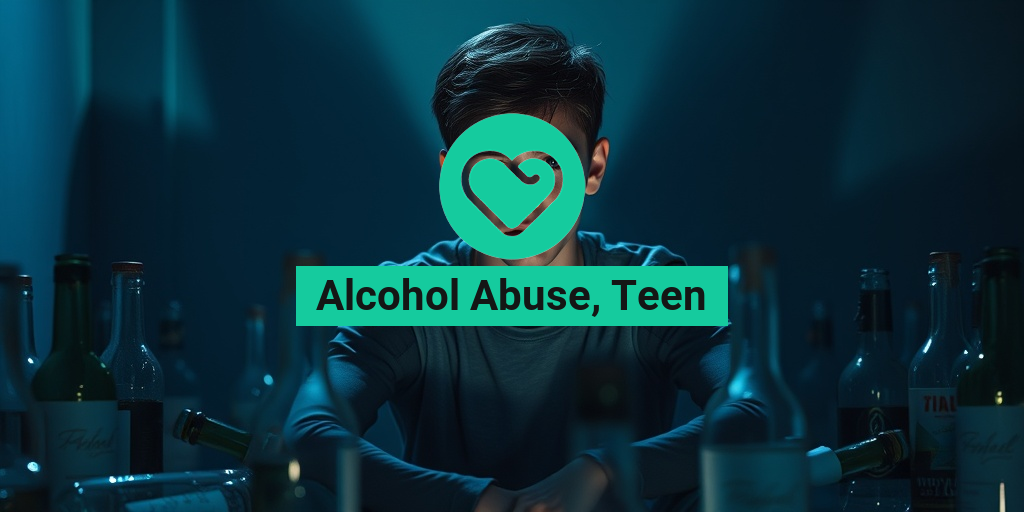
Alcohol abuse refers to a pattern of drinking that leads to significant impairment or distress. It is characterized by an inability to control or limit alcohol consumption, despite the negative consequences it may bring. For teenagers, alcohol abuse can be particularly concerning due to their developing brains and the potential for long-term effects on their health and well-being.
In the context of teen alcohol abuse, it often manifests as binge drinking or regular consumption of alcohol at a young age. This behavior can lead to a range of issues, including academic problems, social difficulties, and legal troubles. Understanding what constitutes alcohol abuse is crucial for parents, educators, and teens themselves, as early intervention can prevent more severe consequences down the line.
Why Do Teens Abuse Alcohol?
Several factors contribute to alcohol abuse among teenagers:
- Peer Pressure: Teens often feel compelled to drink to fit in with their peers or to gain social acceptance.
- Curiosity: The desire to experiment with alcohol can lead to risky drinking behaviors.
- Stress and Anxiety: Some teens may turn to alcohol as a coping mechanism for stress, anxiety, or depression.
- Family Influence: A family history of alcohol abuse can increase the likelihood of a teen developing similar habits.
Recognizing these factors can help in addressing the root causes of alcohol abuse and providing appropriate support to teens in need.
Signs of Alcohol Abuse in Teens
Identifying the signs of alcohol abuse in teens can be challenging, especially since many behaviors can be attributed to typical adolescent development. However, there are specific indicators that parents and guardians should be aware of:
Behavioral Changes
One of the most noticeable signs of alcohol abuse is a change in behavior. This can include:
- Withdrawal from Family and Friends: Teens may isolate themselves or spend more time with a new group of friends who engage in drinking.
- Decline in Academic Performance: A sudden drop in grades or loss of interest in school activities can signal a problem.
- Risky Behaviors: Engaging in dangerous activities, such as driving under the influence or unprotected sex, is a red flag.
Physical Signs
Physical symptoms can also indicate alcohol abuse. These may include:
- Changes in Appearance: Neglecting personal hygiene or a sudden change in clothing style can be a sign.
- Frequent Hangovers: Complaints of headaches, nausea, or fatigue after weekends can indicate excessive drinking.
- Smell of Alcohol: A noticeable odor of alcohol on their breath or clothing is a clear indicator.
Emotional and Mental Health Indicators
Alcohol abuse can significantly impact a teen’s emotional and mental health. Look for signs such as:
- Increased Irritability: Mood swings or increased anger can be a sign of substance abuse.
- Depression or Anxiety: Persistent feelings of sadness or anxiety may indicate underlying issues exacerbated by alcohol use.
- Loss of Interest: A lack of enthusiasm for activities they once enjoyed can signal a problem.
If you suspect that a teen is struggling with alcohol abuse, it’s essential to approach the situation with care and understanding. Open communication can help them feel supported and more willing to seek help.
For those looking for resources, Yesil Health AI (yesilhealth.com) offers evidence-based health answers and can guide families in finding appropriate treatment options for substance abuse.
In conclusion, recognizing the signs of alcohol abuse in teens is crucial for early intervention. By understanding the factors that contribute to this behavior and being aware of the warning signs, parents and guardians can play a vital role in helping their teens navigate the challenges of adolescence without resorting to alcohol.

Causes of Teen Alcohol Abuse
Understanding the causes of alcohol abuse among teens is crucial for prevention and intervention. Several factors contribute to this troubling issue, and recognizing them can help parents, educators, and communities take proactive steps.
Peer Pressure
One of the most significant factors influencing alcohol use in teens is peer pressure. Adolescents often feel compelled to fit in with their friends, leading them to experiment with alcohol. The desire to be accepted can overshadow their judgment, making them more likely to engage in risky behaviors.
Family Environment
The family plays a pivotal role in shaping a teen’s attitude towards alcohol. A household where alcohol is frequently consumed or where parents exhibit alcohol abuse behaviors can normalize drinking for teens. Additionally, a lack of parental supervision or open communication about alcohol can increase the likelihood of abuse.
Stress and Mental Health Issues
Many teens face significant stress from academic pressures, social dynamics, and personal issues. Some may turn to alcohol as a coping mechanism to deal with anxiety, depression, or other mental health challenges. This can lead to a dangerous cycle of dependency, where alcohol becomes a way to escape rather than a source of enjoyment.
Accessibility and Availability
The easier it is for teens to access alcohol, the more likely they are to consume it. In many communities, alcohol is readily available, whether through older friends, family members, or local stores. This accessibility can contribute to higher rates of alcohol abuse among teenagers.
Media Influence
Media portrayal of alcohol can also impact teen behavior. Movies, television shows, and social media often glamorize drinking, making it seem like a rite of passage or a necessary part of socializing. This can create unrealistic expectations about alcohol consumption and its effects.
Effects of Alcohol on Teen Development
The impact of alcohol on teen development is profound and can have lasting consequences. Understanding these effects is essential for parents and guardians to help guide their children toward healthier choices.
Brain Development
During adolescence, the brain is still developing, particularly the prefrontal cortex, which is responsible for decision-making, impulse control, and reasoning. Alcohol consumption can interfere with this critical development, leading to long-term cognitive impairments. Studies show that teens who drink are at a higher risk for memory problems and learning difficulties.
Emotional and Behavioral Changes
Alcohol can significantly affect a teen’s emotional well-being. It can exacerbate feelings of anxiety and depression, leading to a cycle of increased consumption as they seek relief. Additionally, alcohol can impair judgment and increase the likelihood of engaging in risky behaviors, such as unprotected sex or drug use.
Academic Performance
Teens who abuse alcohol often experience a decline in academic performance. This can manifest as lower grades, increased absenteeism, and a lack of motivation. The distractions and consequences of alcohol use can hinder their ability to focus on studies and achieve their educational goals.
Social Relationships
Alcohol abuse can strain relationships with family and friends. Teens may find themselves isolating from loved ones or engaging in conflicts due to their drinking habits. This can lead to a sense of loneliness and further exacerbate mental health issues.
Risk of Addiction
Early exposure to alcohol increases the risk of developing an alcohol addiction later in life. The younger a person starts drinking, the more likely they are to develop problematic drinking patterns. This can lead to a lifetime of struggles with substance abuse and its associated challenges.
In conclusion, addressing the causes and effects of alcohol abuse among teens is vital for fostering healthier environments and supporting adolescents in making informed choices. By understanding these factors, we can work together to create a safer and more supportive community for our youth. 🍏✨

Alcohol Abuse and Mental Health
Alcohol abuse among teenagers is a pressing issue that not only affects their physical health but also has profound implications for their mental well-being. The teenage years are a critical period for emotional and psychological development, and substance abuse can significantly disrupt this process.
The Link Between Alcohol Abuse and Mental Health Disorders
Research indicates a strong correlation between alcohol abuse in teens and various mental health disorders. Many teenagers who engage in heavy drinking may be attempting to cope with underlying issues such as:
- Anxiety: Teens may use alcohol as a way to alleviate feelings of anxiety, leading to a vicious cycle of dependence.
- Depression: Alcohol can exacerbate feelings of sadness and hopelessness, making it a dangerous coping mechanism.
- ADHD: Teens with Attention Deficit Hyperactivity Disorder may turn to alcohol to self-medicate, which can worsen their symptoms.
Moreover, the use of alcohol can impair judgment and exacerbate existing mental health issues, leading to risky behaviors and further complications. It’s crucial for parents and guardians to recognize the signs of alcohol addiction in teens and seek help promptly.
Impact on Emotional Development
Alcohol abuse can hinder emotional development during a time when teenagers are learning to navigate complex feelings and relationships. This can lead to:
- Social Isolation: Teens may withdraw from friends and family, leading to loneliness and further mental health decline.
- Academic Challenges: Alcohol use can impair cognitive functions, affecting school performance and future opportunities.
- Risky Behaviors: Alcohol can lower inhibitions, leading to dangerous activities such as unprotected sex or driving under the influence.
Addressing these issues early on is vital. Support from family, friends, and professionals can help teens develop healthier coping mechanisms and improve their overall mental health.
Diagnosis of Alcohol Abuse in Teens
Diagnosing alcohol abuse among teenagers can be challenging, as many teens may be reluctant to admit their drinking habits. However, early diagnosis is crucial for effective intervention and treatment.
Signs and Symptoms to Look For
Parents and guardians should be vigilant for signs that may indicate a problem with alcohol. Some common symptoms include:
- Changes in Behavior: Sudden mood swings, irritability, or withdrawal from family and friends can be red flags.
- Declining Academic Performance: A noticeable drop in grades or loss of interest in school activities may signal substance abuse.
- Physical Symptoms: Frequent hangovers, changes in sleep patterns, or neglecting personal hygiene can indicate alcohol misuse.
Assessment and Evaluation
If you suspect that a teenager is struggling with alcohol abuse, a comprehensive assessment by a mental health professional is essential. This may include:
- Clinical Interviews: Professionals will conduct interviews to understand the teen’s drinking habits and any underlying issues.
- Standardized Questionnaires: Tools like the Alcohol Use Disorders Identification Test (AUDIT) can help gauge the severity of alcohol use.
- Family History: Understanding the family background can provide insights into potential genetic predispositions to alcohol abuse.
Once a diagnosis is made, treatment options can be explored. These may include therapy, support groups, and educational programs aimed at helping teens understand the consequences of alcohol use and develop healthier coping strategies.
Recognizing and addressing alcohol abuse in teens is crucial for their long-term health and well-being. With the right support and intervention, recovery is possible, allowing them to lead fulfilling lives free from the grips of addiction. 🌟

Treatment Options for Teen Alcohol Abuse
Alcohol abuse among teenagers is a growing concern that can lead to serious health issues, both physically and mentally. Understanding the available treatment options is crucial for parents, guardians, and teens themselves. Here, we explore various approaches to help teens overcome alcohol addiction.
1. Counseling and Therapy
One of the most effective treatment options for alcohol abuse in teens is counseling. This can take various forms:
- Individual Therapy: One-on-one sessions with a licensed therapist can help teens explore the underlying issues contributing to their alcohol use.
- Group Therapy: Participating in group sessions allows teens to share their experiences and learn from others facing similar challenges.
- Family Therapy: Involving family members in therapy can improve communication and support within the household, which is vital for recovery.
2. Support Groups
Support groups like Alcoholics Anonymous (AA) or SMART Recovery provide a community for teens to connect with peers who understand their struggles. These groups offer a safe space to share experiences and gain encouragement from others who are on the path to recovery.
3. Inpatient Rehabilitation Programs
For severe cases of alcohol addiction, inpatient rehabilitation programs may be necessary. These programs provide a structured environment where teens can focus entirely on their recovery. Key features include:
- 24/7 Medical Supervision: Ensures safety during detoxification and addresses any medical issues that arise.
- Therapeutic Activities: Engaging in various therapeutic activities helps teens develop coping skills and build a support network.
- Education: Programs often include educational components about the effects of alcohol and strategies for maintaining sobriety.
4. Outpatient Treatment Programs
Outpatient programs offer flexibility for teens who may not require intensive treatment. These programs typically involve regular therapy sessions while allowing teens to continue with their daily lives, such as attending school or work. This option is ideal for those who have a strong support system at home.
5. Medication-Assisted Treatment
In some cases, medications may be prescribed to help manage cravings and withdrawal symptoms. Medications like naltrexone or acamprosate can be effective in reducing the urge to drink and supporting long-term recovery.
Prevention Strategies for Parents and Teens
Preventing alcohol abuse among teenagers is a shared responsibility between parents and teens. Here are some effective strategies to consider:
1. Open Communication
Establishing an open line of communication is essential. Parents should create a safe space for their teens to discuss their feelings and experiences without fear of judgment. Regular conversations about the dangers of alcohol can help teens make informed decisions.
2. Set Clear Expectations and Boundaries
Parents should set clear rules regarding alcohol use. Discuss the consequences of breaking these rules and ensure that teens understand the importance of adhering to them. Consistency is key in reinforcing these boundaries.
3. Educate About Alcohol
Providing education about the effects of alcohol on the developing brain can be a powerful deterrent. Teens should understand how alcohol can impact their health, academic performance, and relationships. Use relatable examples and statistics to drive the message home.
4. Encourage Healthy Activities
Encouraging participation in sports, clubs, or other extracurricular activities can help teens build self-esteem and find fulfillment outside of alcohol. Engaging in positive activities reduces the likelihood of turning to substances for entertainment or coping.
5. Be a Role Model
Parents should lead by example. Demonstrating responsible drinking habits and discussing personal experiences with alcohol can help teens understand the importance of moderation. If parents avoid alcohol abuse, teens are more likely to follow suit.
6. Monitor Social Circles
Be aware of your teen’s friends and social circles. Encourage friendships with peers who share similar values regarding alcohol use. Open discussions about peer pressure can empower teens to make healthier choices.
By implementing these prevention strategies and understanding treatment options, parents and teens can work together to combat alcohol abuse among teenagers and foster a healthier future. 🌟

Frequently Asked Questions about Alcohol Abuse in Teens
What are the signs of alcohol abuse in teenagers?
Recognizing the signs of alcohol abuse among teenagers is crucial for early intervention. Common signs include:
- Changes in behavior or mood
- Declining academic performance
- Withdrawal from family and friends
- Neglecting responsibilities
- Physical symptoms like slurred speech or coordination issues
How can I help a teen struggling with alcohol addiction?
If you suspect a teenager is facing alcohol addiction, consider the following steps:
- Open a dialogue: Talk to them about your concerns without judgment.
- Encourage professional help: Suggest therapy or counseling focused on substance abuse.
- Provide support: Be there for them emotionally and help them find resources.
What treatment options are available for teens with substance abuse issues?
There are various substance abuse teenager treatment options available, including:
- Outpatient therapy programs
- Inpatient rehabilitation centers
- Support groups like Alcoholics Anonymous for teens
- Family therapy to address underlying issues
What are the statistics on alcohol abuse among teenagers?
Understanding the alcohol abuse in teens statistics can shed light on the severity of the issue. Recent studies indicate that:
- Approximately 10% of teens engage in heavy drinking.
- Alcohol is the most commonly abused substance among adolescents.
- Early alcohol use increases the risk of developing alcohol dependence later in life.
Can alcohol abuse lead to teenage pregnancy?
Yes, substance abuse and teenage pregnancy are often linked. Alcohol can impair judgment and lead to risky behaviors, increasing the likelihood of unprotected sex and unintended pregnancies.
Where can I find help for a teen struggling with alcohol abuse?
Finding help is essential. Resources include:
- Local counseling centers specializing in substance abuse
- Hotlines for immediate support
- School counselors who can provide guidance
- Online support groups and forums
What should I do if I suspect my teen is drinking?
If you suspect your teen is drinking, it’s important to approach the situation with care. Here are some steps to consider:
- Observe their behavior for any changes.
- Have a calm and honest conversation about your concerns.
- Seek professional advice if necessary.
How can I prevent alcohol abuse in my teen?
Preventing alcohol abuse among teens involves proactive measures, such as:
- Establishing open communication about alcohol and its effects.
- Setting clear rules and expectations regarding alcohol use.
- Encouraging healthy activities and friendships.
By addressing these questions and concerns, you can better understand and support teens facing challenges related to alcohol abuse. Remember, early intervention and support can make a significant difference! 🌟