What Are Hammer Toes?
Hammer toes are a common foot condition characterized by an abnormal bend in the middle joint of the toe, causing it to resemble a hammer. This deformity typically affects the second, third, or fourth toes and can lead to discomfort and pain, especially when wearing shoes. Understanding the causes, symptoms, and treatment options for hammer toes is essential for managing this condition effectively.
Causes of Hammer Toes
Several factors can contribute to the development of hammer toes, including:
- Genetics: A family history of foot problems can increase the likelihood of developing hammer toes.
- Improper Footwear: Shoes that are too tight or have high heels can force the toes into an unnatural position.
- Muscle Imbalance: Weakness or imbalances in the muscles and tendons of the foot can lead to the bending of the toe.
- Arthritis: Conditions like rheumatoid arthritis can affect the joints and contribute to toe deformities.
Symptoms of Hammer Toes
Individuals with hammer toes may experience a range of symptoms, including:
- Pain and Discomfort: Pain in the affected toe, especially when wearing shoes.
- Swelling and Redness: Inflammation around the joint can occur.
- Calluses and Corns: These can develop on the top of the toe or on the ball of the foot due to friction.
- Difficulty Moving the Toe: Limited mobility in the affected toe may be experienced.
Treatment Options for Hammer Toes
Treatment for hammer toes can vary based on the severity of the condition. Options include:
- Footwear Modifications: Wearing shoes with a wider toe box can alleviate pressure on the toes.
- Orthotic Devices: Custom insoles or toe spacers can help realign the toes.
- Physical Therapy: Exercises to strengthen the foot muscles may improve flexibility and reduce symptoms.
- Surgery: In severe cases, surgical intervention may be necessary to correct the deformity.
What Are Claw Toes?
Claw toes are another type of toe deformity, similar to hammer toes but with distinct characteristics. In claw toes, the toe bends at both the middle and the joint closest to the foot, causing the toe to curl downward. This condition can affect one or more toes and is often associated with other foot problems.
Causes of Claw Toes
Claw toes can arise from various factors, including:
- Nerve Damage: Conditions like diabetes can lead to peripheral neuropathy, resulting in muscle weakness and toe deformities.
- Foot Structure: High arches or flat feet can contribute to the development of claw toes.
- Improper Footwear: Just like hammer toes, wearing tight or ill-fitting shoes can exacerbate the condition.
Symptoms of Claw Toes
Symptoms of claw toes may include:
- Pain and Discomfort: Similar to hammer toes, claw toes can cause pain, especially when wearing shoes.
- Calluses and Corns: These can develop on the tops of the toes or on the balls of the feet due to friction.
- Difficulty Walking: The altered position of the toes can affect balance and walking.
Treatment Options for Claw Toes
Managing claw toes often involves similar treatment strategies as those for hammer toes:
- Footwear Adjustments: Choosing shoes that provide adequate space for the toes can help.
- Orthotics: Custom orthotic devices can assist in realigning the toes.
- Physical Therapy: Strengthening exercises can improve muscle balance and flexibility.
- Surgery: In severe cases, surgical options may be considered to correct the deformity.
Understanding the differences between hammer, claw, and mallet toes is crucial for effective treatment. If you’re experiencing symptoms of any toe deformity, consider consulting a healthcare professional for personalized advice. For more evidence-based health answers, visit Yesil Health AI. Taking proactive steps can help you manage these conditions and maintain your foot health! 🦶✨
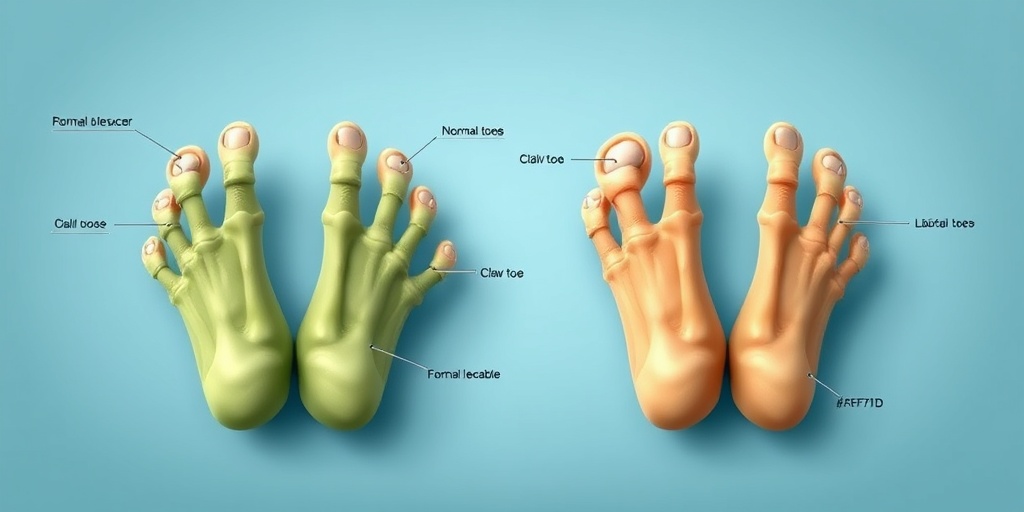
What Are Mallet Toes?
Mallet toes are a common foot deformity that affects the second, third, or fourth toes. This condition occurs when the toe’s middle joint bends downward, causing the tip of the toe to point upward. The result is a distinctive “mallet” shape, which can lead to discomfort and difficulty in finding suitable footwear. Understanding mallet toes is essential for effective management and treatment.
Causes of Mallet Toes
Several factors can contribute to the development of mallet toes, including:
- Genetics: A family history of toe deformities can increase the likelihood of developing mallet toes.
- Footwear: Wearing tight or ill-fitting shoes, especially high heels, can exacerbate the condition.
- Injury: Trauma to the toe can lead to mallet toe formation.
- Arthritis: Conditions like rheumatoid arthritis can cause joint deformities, including mallet toes.
Types of Mallet Toes
Mallet toes can be classified into two types:
- Flexible Mallet Toe: In this early stage, the toe can still be straightened manually.
- Rigid Mallet Toe: This advanced stage makes it impossible to straighten the toe, often requiring medical intervention.
Symptoms of Toe Deformities
Recognizing the symptoms of toe deformities, including mallet toes, is crucial for early intervention. Here are some common symptoms to watch for:
Visible Changes in Toe Shape
The most apparent symptom of mallet toes is the altered shape of the affected toe. The middle joint bends downward, creating a noticeable curve. This change can be accompanied by:
- Swelling: The affected toe may appear swollen or inflamed.
- Redness: Skin irritation or redness around the joint can occur.
Pain and Discomfort
Individuals with mallet toes often experience pain, especially when wearing shoes. The pressure from footwear can exacerbate discomfort, leading to:
- Sharp Pain: Pain may be felt at the joint or tip of the toe.
- Burning Sensation: A burning feeling may develop due to nerve compression.
Difficulty Walking
As mallet toes progress, they can affect mobility. Individuals may find it challenging to walk comfortably, leading to:
- Altered Gait: A change in walking pattern to avoid pain.
- Balance Issues: Difficulty maintaining balance due to toe deformities.
Calluses and Corns
Due to the abnormal positioning of the toe, calluses and corns may develop on the top or sides of the affected toe. These can be painful and may require treatment to alleviate discomfort.
In summary, mallet toes are a prevalent foot deformity that can lead to various symptoms, including visible changes in toe shape, pain, and difficulty walking. Recognizing these symptoms early can help in seeking appropriate treatment and improving overall foot health. If you suspect you have mallet toes or any other toe deformities, consulting a healthcare professional is essential for proper diagnosis and management. 🦶✨
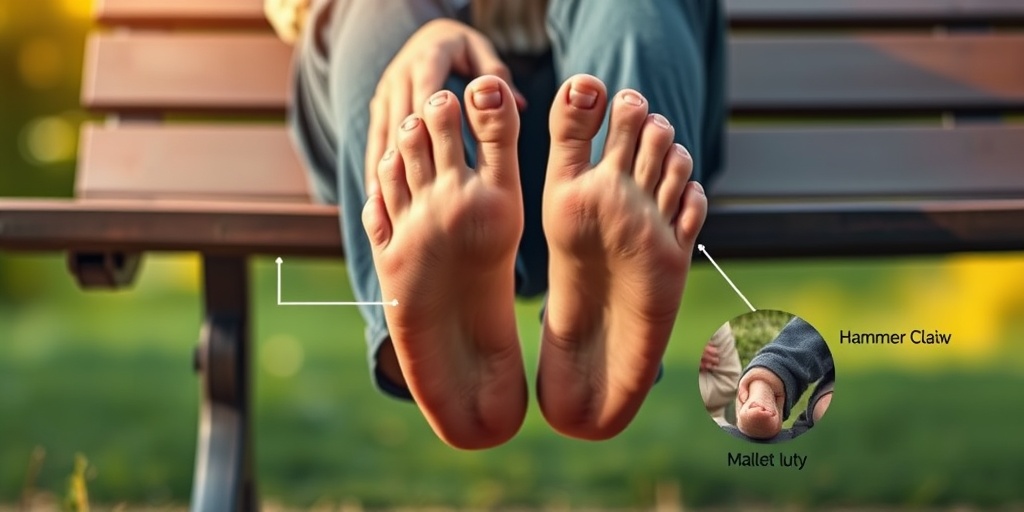
Causes of Hammer, Claw, and Mallet Toes
Hammer, claw, and mallet toes are common foot deformities that can cause discomfort and affect mobility. Understanding the causes of these conditions is essential for prevention and management. Let’s explore the various factors that contribute to these toe deformities.
1. Muscle Imbalance
One of the primary causes of hammer, claw, and mallet toes is a muscle imbalance in the foot. This occurs when the muscles that control toe movement become weak or tight, leading to abnormal positioning of the toes. For instance, if the muscles responsible for extending the toes are weaker than those that flex them, it can result in a hammer toe formation.
2. Footwear Choices
Wearing ill-fitting shoes is another significant contributor to toe deformities. Shoes that are too tight, narrow, or have high heels can place excessive pressure on the toes, causing them to bend in unnatural ways. Over time, this can lead to the development of hammer, claw, or mallet toes. Opting for shoes with a wide toe box and proper arch support can help mitigate this risk.
3. Genetics
Genetics can also play a role in the development of these toe conditions. If you have a family history of toe deformities, you may be more susceptible to developing hammer, claw, or mallet toes yourself. This hereditary factor can influence the structure and flexibility of your feet, making you more prone to these issues.
4. Arthritis and Other Medical Conditions
Certain medical conditions, such as arthritis, can lead to the development of toe deformities. Arthritis can cause inflammation and pain in the joints, affecting the normal function of the toes. Other conditions, like diabetes and neuromuscular disorders, can also contribute to the risk of developing hammer, claw, and mallet toes.
5. Age and Wear and Tear
As we age, our feet undergo natural changes that can increase the likelihood of toe deformities. The ligaments and tendons may lose elasticity, and the fat pads on the soles of our feet may thin out, leading to increased pressure on the toes. This wear and tear can result in the development of hammer, claw, and mallet toes, especially in older adults.
Risk Factors for Toe Deformities
Understanding the risk factors associated with hammer, claw, and mallet toes can help you take proactive steps to prevent these conditions. Here are some key risk factors to consider:
1. Foot Structure
Individuals with certain foot structures, such as high arches or flat feet, may be more prone to developing toe deformities. These structural differences can affect how weight is distributed across the foot, leading to imbalances that contribute to hammer, claw, and mallet toes.
2. Occupation and Activity Level
People whose jobs require prolonged standing or repetitive movements may be at a higher risk for toe deformities. Activities that put excessive stress on the feet, such as ballet dancing or certain sports, can also contribute to the development of these conditions.
3. Previous Injuries
A history of foot injuries, such as fractures or sprains, can increase the risk of developing hammer, claw, and mallet toes. Injuries can lead to changes in foot mechanics and muscle function, making it more likely for toe deformities to occur.
4. Age
As mentioned earlier, age is a significant risk factor. Older adults are more likely to experience changes in foot structure and function, increasing their susceptibility to toe deformities. Regular foot care and monitoring can help manage these risks.
5. Gender
Interestingly, women are more likely than men to develop hammer, claw, and mallet toes. This is often attributed to the prevalence of high-heeled shoes among women, which can exacerbate the risk of toe deformities. Choosing appropriate footwear is crucial for prevention.
By being aware of these causes and risk factors, you can take steps to protect your foot health and reduce the likelihood of developing hammer, claw, and mallet toes. Remember, early intervention and proper footwear can make a significant difference! 👣

Diagnosis of Toe Conditions
Diagnosing toe conditions such as hammer, claw, and mallet toes involves a comprehensive evaluation by a healthcare professional. These conditions can cause discomfort and affect mobility, making early diagnosis crucial for effective treatment.
Understanding the Symptoms
Before seeking medical advice, it’s essential to recognize the symptoms associated with these toe deformities:
- Hammer Toes: Characterized by an abnormal bend in the middle joint of the toe, leading to a claw-like appearance.
- Claw Toes: Similar to hammer toes but involve bending at both the middle and end joints, causing the toe to curl downwards.
- Mallet Toes: Involves a bend at the last joint of the toe, resulting in a downward position.
Common symptoms include pain, swelling, and difficulty finding comfortable footwear. If you notice these signs, it’s time to consult a podiatrist or orthopedic specialist.
Physical Examination
During your appointment, the doctor will conduct a physical examination of your feet. They will:
- Inspect the alignment of your toes.
- Assess your range of motion.
- Check for any signs of inflammation or calluses.
In some cases, the doctor may also ask about your medical history, including any previous injuries or conditions that could contribute to toe deformities.
Imaging Tests
To gain a clearer understanding of the underlying issues, your doctor may recommend imaging tests such as:
- X-rays: These can reveal the bone structure and any misalignments.
- MRIs: Useful for assessing soft tissue damage around the toes.
These diagnostic tools help in determining the severity of the condition and guide the treatment plan.
Treatment Options for Hammer, Claw, and Mallet Toes
Once diagnosed, various treatment options are available for managing hammer, claw, and mallet toes. The choice of treatment often depends on the severity of the condition and the symptoms experienced.
Conservative Treatments
For mild cases, conservative treatments are usually effective:
- Footwear Modifications: Wearing shoes with a wide toe box can alleviate pressure on the toes. Look for shoes with soft materials and good arch support.
- Orthotic Devices: Custom orthotics or over-the-counter inserts can help correct foot mechanics and provide additional support.
- Stretching and Strengthening Exercises: Regular exercises can improve flexibility and strength in the toes. Simple stretches can help relieve tension and improve alignment.
Medications
Over-the-counter pain relievers, such as ibuprofen or acetaminophen, can help manage discomfort associated with these toe conditions. In some cases, your doctor may prescribe anti-inflammatory medications or topical treatments to reduce swelling and pain.
Physical Therapy
Engaging in physical therapy can be beneficial, especially for individuals with severe symptoms. A physical therapist can guide you through specific exercises designed to:
- Improve toe alignment.
- Enhance overall foot function.
- Reduce pain and discomfort.
Surgical Options
If conservative treatments fail to provide relief, surgical intervention may be necessary. Surgical options can include:
- Realignment Procedures: These surgeries aim to correct the position of the toe joints.
- Joint Resection: Involves removing a portion of the joint to relieve pain and improve function.
- Tendon Release: This procedure can help restore normal movement by releasing tight tendons.
It’s essential to discuss the potential risks and benefits of surgery with your healthcare provider to make an informed decision.
In conclusion, understanding the diagnosis and treatment options for hammer, claw, and mallet toes can empower you to take control of your foot health. Early intervention and appropriate management can lead to improved comfort and mobility. 🦶✨
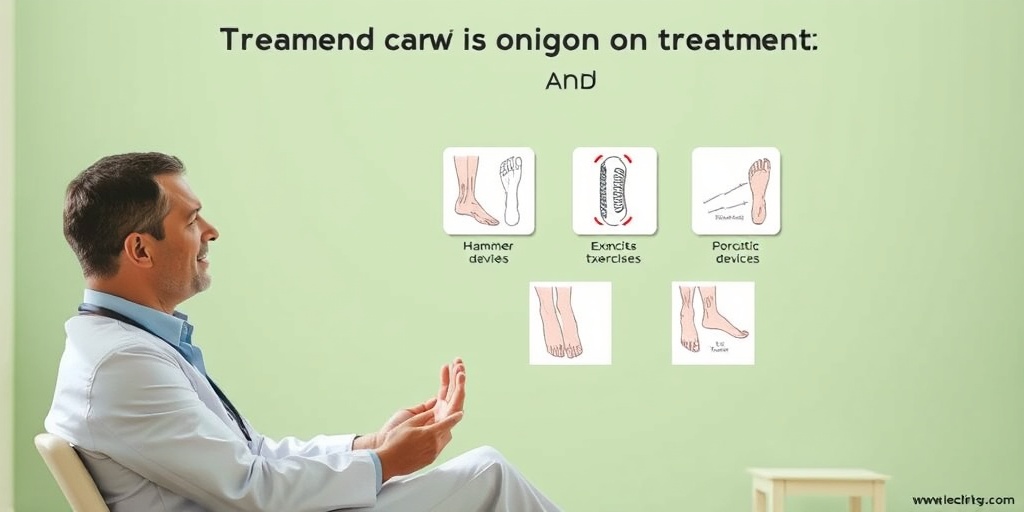
Frequently Asked Questions about Hammer, Claw, and Mallet Toes
What are Hammer, Claw, and Mallet Toes?
Hammer, claw, and mallet toes are conditions that affect the alignment of the toes, leading to deformities. Hammer toes typically involve a bend in the middle joint, claw toes affect both the middle and end joints, and mallet toes primarily involve a bend at the end joint.
What is the difference between hammer toes and claw toes?
The main difference lies in the joints affected. Hammer toes have a bend at the middle joint, while claw toes have a bend at both the middle and end joints, causing the toe to curl downwards more severely.
Are hammer toes and claw toes the same?
No, they are not the same. While both conditions involve toe deformities, they differ in their specific joint involvement and appearance. Hammer toes are characterized by a single joint bend, whereas claw toes involve multiple joints.
What causes hammer, claw, and mallet toes?
These conditions can be caused by a variety of factors, including:
- Genetics: Family history can play a role.
- Footwear: Tight or ill-fitting shoes can contribute to toe deformities.
- Muscle imbalances: Weakness or tightness in foot muscles can lead to these conditions.
- Injury: Trauma to the toes can also result in deformities.
How can I treat hammer, claw, and mallet toes?
Treatment options may include:
- Footwear adjustments: Wearing shoes with a wider toe box can alleviate pressure.
- Orthotics: Custom insoles can help correct alignment.
- Exercises: Stretching and strengthening exercises can improve toe function.
- Surgery: In severe cases, surgical intervention may be necessary.
Can I prevent hammer, claw, and mallet toes?
While not all cases can be prevented, you can reduce your risk by:
- Choosing proper footwear: Opt for shoes that fit well and provide adequate support.
- Maintaining foot health: Regular foot exercises can help keep muscles strong.
- Avoiding high heels: Limit the use of high-heeled shoes that can exacerbate toe deformities.
When should I see a doctor?
If you experience pain, discomfort, or difficulty walking due to hammer, claw, or mallet toes, it is advisable to consult a healthcare professional. Early intervention can help prevent further complications.