
What Is Pick’s Disease?
Pick’s Disease, also known as frontotemporal dementia (FTD), is a rare neurodegenerative disorder that primarily affects the frontal and temporal lobes of the brain. This condition is characterized by progressive changes in personality, behavior, and language abilities. Unlike Alzheimer’s disease, which is more commonly known, Pick’s Disease tends to manifest at a younger age, typically between 40 and 60 years old.
The term “Pick’s Disease” is derived from the name of the neurologist Arnold Pick, who first described the condition in the early 20th century. It is classified under the umbrella of frontotemporal lobar degeneration (FTLD), which encompasses a group of disorders that lead to the degeneration of the frontal and temporal regions of the brain.
Understanding the Causes of Pick’s Disease
The exact cause of Pick’s Disease remains largely unknown, but researchers believe that genetic factors may play a significant role. In some cases, mutations in specific genes, such as the MAPT gene, have been linked to the development of this condition. Additionally, the presence of abnormal protein deposits, known as Pick bodies, in the brain is a hallmark of the disease.
While the genetic component is crucial, environmental factors and lifestyle choices may also contribute to the onset of Pick’s Disease. However, more research is needed to fully understand these influences.
Stages of Pick’s Disease
Pick’s Disease progresses through several stages, each characterized by distinct symptoms and challenges. Understanding these stages can help caregivers and loved ones provide better support:
- Early Stage: Subtle changes in personality and behavior, such as increased impulsivity or social withdrawal.
- Middle Stage: More pronounced cognitive decline, including difficulties with language, decision-making, and emotional regulation.
- Late Stage: Severe impairment in communication and daily functioning, often requiring full-time care.
Pick’s Disease Symptoms
Recognizing the symptoms of Pick’s Disease is crucial for early diagnosis and intervention. The symptoms can vary widely among individuals, but they generally fall into two main categories: behavioral changes and language difficulties.
Behavioral Changes
One of the most noticeable aspects of Pick’s Disease is the change in behavior. Individuals may exhibit:
- Personality Shifts: Affected individuals may become socially withdrawn, apathetic, or exhibit inappropriate behavior.
- Impulsivity: Increased impulsiveness can lead to risky behaviors or poor decision-making.
- Emotional Changes: There may be a lack of empathy or emotional responses, making it difficult for individuals to connect with others.
Language Difficulties
Language impairment is another significant symptom of Pick’s Disease. This can manifest as:
- Difficulty Speaking: Individuals may struggle to find the right words or form coherent sentences.
- Reduced Vocabulary: A noticeable decline in the ability to use or understand language.
- Nonverbal Communication Issues: Challenges in understanding body language or facial expressions.
Other Symptoms
In addition to behavioral and language symptoms, individuals with Pick’s Disease may experience:
- Memory Loss: While not as pronounced as in Alzheimer’s, some memory issues may occur.
- Motor Skills Decline: As the disease progresses, coordination and movement may be affected.
If you or a loved one is experiencing these symptoms, it is essential to consult a healthcare professional for a thorough evaluation. Early diagnosis can lead to better management of the condition and improve quality of life.
For more information on Pick’s Disease and other health-related topics, consider visiting Yesil Health AI, a valuable resource for evidence-based health answers. 🧠💡
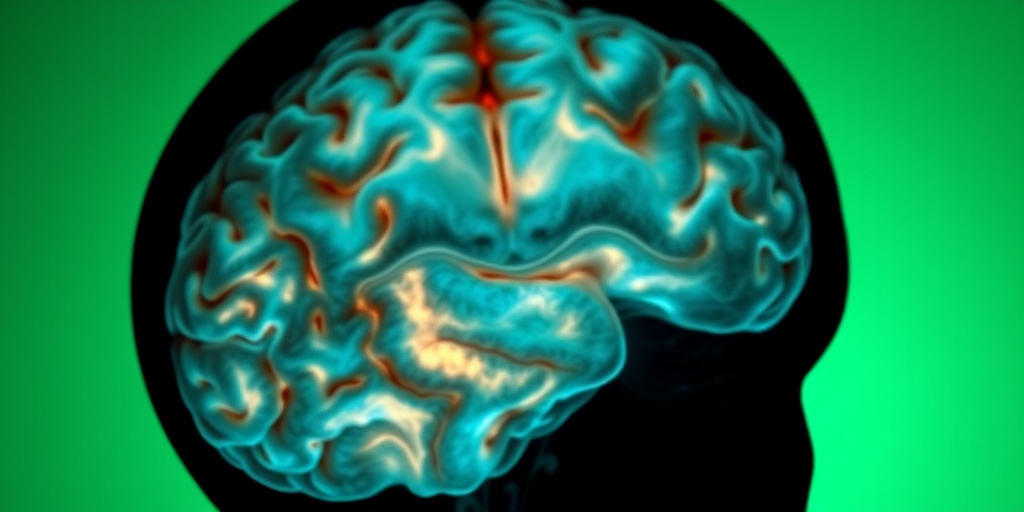
Pick’s Disease Causes
Pick’s Disease, a rare form of frontotemporal dementia, is characterized by progressive changes in personality, behavior, and language. Understanding the causes of Pick’s Disease is crucial for early diagnosis and management. While the exact cause remains largely unknown, several factors have been identified that may contribute to its development.
Genetic Factors
One of the most significant factors associated with Pick’s Disease is genetics. Research indicates that mutations in specific genes, such as the MAPT gene, can increase the risk of developing this condition. Individuals with a family history of frontotemporal dementia may have a higher likelihood of experiencing Pick’s Disease. Genetic testing can sometimes provide insights into the risk of developing this disorder.
Protein Abnormalities
Another potential cause of Pick’s Disease is the abnormal accumulation of proteins in the brain. In particular, the presence of tau protein aggregates, known as Pick bodies, is a hallmark of the disease. These protein deposits disrupt normal brain function, leading to the symptoms associated with Pick’s Disease. Understanding these protein abnormalities is essential for developing targeted treatments in the future.
Environmental Factors
While genetics and protein abnormalities play a significant role, environmental factors may also contribute to the onset of Pick’s Disease. Factors such as head trauma, exposure to toxins, and lifestyle choices may influence brain health and increase the risk of developing neurodegenerative diseases. However, more research is needed to establish a clear link between these environmental factors and Pick’s Disease.
Risk Factors for Pick’s Disease
Identifying the risk factors associated with Pick’s Disease can help in early detection and intervention. While anyone can develop this condition, certain factors may increase the likelihood of its onset.
Age
Age is a significant risk factor for Pick’s Disease. Most individuals diagnosed with this condition are typically between the ages of 40 and 60. As people age, the risk of developing various forms of dementia, including Pick’s Disease, increases. Early onset cases can be particularly challenging, as they often occur during a person’s most productive years.
Family History
A family history of frontotemporal dementia or other neurodegenerative diseases can elevate the risk of developing Pick’s Disease. If a close relative has been diagnosed with this condition, it may indicate a genetic predisposition. Genetic counseling can be beneficial for individuals with a family history of Pick’s Disease to understand their risks better.
Gender
Research suggests that gender may play a role in the risk of developing Pick’s Disease. Some studies indicate that men are more likely to be diagnosed with this condition than women. However, the reasons behind this disparity are not yet fully understood and require further investigation.
Neurological Conditions
Individuals with a history of other neurological conditions may also be at a higher risk for Pick’s Disease. Conditions such as Parkinson’s disease or other forms of dementia can increase the likelihood of developing frontotemporal dementia. Monitoring and managing these conditions may help mitigate the risk.
Lifestyle Factors
Certain lifestyle choices can influence brain health and potentially increase the risk of Pick’s Disease. Factors such as smoking, excessive alcohol consumption, and a sedentary lifestyle may contribute to cognitive decline. Adopting a healthy lifestyle that includes regular exercise, a balanced diet, and mental stimulation can be beneficial for brain health.
In summary, while the exact causes of Pick’s Disease remain unclear, a combination of genetic, environmental, and lifestyle factors may contribute to its development. Understanding these risk factors can aid in early detection and intervention, ultimately improving the quality of life for those affected by this challenging condition. 🧠✨

Diagnosing Pick’s Disease
Diagnosing Pick’s Disease can be a complex process, as it shares symptoms with other forms of dementia. This neurodegenerative disorder primarily affects the frontal and temporal lobes of the brain, leading to significant changes in personality, behavior, and language skills. Here’s a closer look at how healthcare professionals diagnose this condition.
Understanding the Symptoms
The first step in diagnosing Pick’s Disease is recognizing its symptoms. Common signs include:
- Personality Changes: Individuals may exhibit drastic shifts in behavior, becoming socially inappropriate or emotionally flat.
- Language Difficulties: Patients often struggle with speaking or understanding language, which can manifest as difficulty finding words or forming coherent sentences.
- Impulsive Behavior: Increased impulsivity and a lack of judgment are frequently observed.
- Memory Loss: While memory loss is less pronounced in the early stages compared to other dementias, it can still occur.
Medical History and Physical Examination
A thorough medical history is crucial in the diagnostic process. Doctors will ask about:
- Family history of dementia or neurological disorders
- Onset and progression of symptoms
- Any previous medical conditions or medications
A physical examination may also be conducted to rule out other potential causes of the symptoms.
Neurological Assessment
Neurological assessments are essential for diagnosing Pick’s Disease. These tests evaluate cognitive function, motor skills, and reflexes. The results help determine if the symptoms align with Pick’s Disease or another form of dementia.
Imaging Tests
Imaging tests, such as MRI or CT scans, are often used to visualize brain structure. In Pick’s Disease, these scans may reveal:
- Atrophy in the frontal and temporal lobes
- Changes in brain tissue that are characteristic of the disease
These imaging results, combined with clinical assessments, provide a clearer picture for diagnosis.
Neuropsychological Testing
Neuropsychological tests assess various cognitive functions, including memory, attention, and problem-solving skills. These tests can help differentiate Pick’s Disease from other types of dementia, such as Alzheimer’s disease.
Pick’s Disease Treatment Options
While there is currently no cure for Pick’s Disease, several treatment options can help manage symptoms and improve the quality of life for patients. The approach to treatment is often multidisciplinary, involving neurologists, psychiatrists, and other healthcare professionals.
Medications
Medications may be prescribed to help manage specific symptoms associated with Pick’s Disease. These can include:
- Antidepressants: To address mood changes and depression.
- Antipsychotics: To help manage behavioral issues and agitation.
- Cognitive Enhancers: While not specifically effective for Pick’s Disease, some doctors may prescribe medications used for Alzheimer’s to see if they provide any benefit.
Therapeutic Interventions
Therapeutic interventions can play a significant role in managing Pick’s Disease. These may include:
- Speech Therapy: To assist with language difficulties and improve communication skills.
- Occupational Therapy: To help patients maintain independence in daily activities.
- Cognitive Behavioral Therapy (CBT): To address emotional and behavioral challenges.
Supportive Care
Supportive care is crucial for both patients and their families. This can involve:
- Support Groups: Connecting with others facing similar challenges can provide emotional support and practical advice.
- Caregiver Support: Educating caregivers about the disease and providing them with resources can help them manage their loved one’s care more effectively.
Future Directions in Treatment
Research is ongoing to better understand Pick’s Disease and develop new treatment options. Clinical trials are exploring potential therapies that target the underlying mechanisms of the disease, which may lead to more effective treatments in the future.
In conclusion, while diagnosing and treating Pick’s Disease can be challenging, a comprehensive approach involving medical, therapeutic, and supportive care can significantly enhance the quality of life for those affected. 🌟

Living with Pick’s Disease
Living with Pick’s Disease can be a challenging journey, both for those diagnosed and their loved ones. This rare form of frontotemporal dementia primarily affects behavior and personality, leading to significant changes in daily life. Understanding the symptoms, coping strategies, and support systems available can make a substantial difference in managing this condition.
Understanding the Symptoms
Pick’s Disease is characterized by a range of symptoms that can vary from person to person. Some of the most common symptoms include:
- Behavioral Changes: Individuals may exhibit impulsive behavior, lack of empathy, or socially inappropriate actions.
- Language Difficulties: Problems with speaking or understanding language can arise, making communication challenging.
- Emotional Disturbances: Mood swings, depression, or apathy are often observed.
- Cognitive Decline: Memory loss and difficulty with problem-solving can occur as the disease progresses.
Recognizing these symptoms early can help in seeking appropriate care and support. It’s essential for caregivers and family members to be aware of these changes and to approach the situation with compassion and understanding. 💖
Coping Strategies for Patients and Caregivers
Managing Pick’s Disease requires a multifaceted approach. Here are some effective coping strategies:
- Establish a Routine: A consistent daily routine can provide structure and comfort for individuals with Pick’s Disease.
- Engage in Activities: Encourage participation in activities that stimulate the mind and promote social interaction, such as puzzles, art, or music therapy.
- Seek Support: Joining support groups for both patients and caregivers can provide emotional relief and practical advice.
- Professional Help: Consulting with healthcare professionals, including neurologists and psychologists, can help manage symptoms effectively.
It’s crucial for caregivers to also prioritize their own well-being. Taking breaks, seeking respite care, and maintaining social connections can help prevent burnout. 🌼
Creating a Supportive Environment
Creating a supportive environment is vital for individuals living with Pick’s Disease. Here are some tips:
- Modify the Living Space: Ensure the home is safe and accessible, reducing the risk of accidents.
- Use Visual Aids: Visual reminders and cues can help with memory and orientation.
- Maintain Open Communication: Encourage family members to communicate openly about feelings and concerns regarding the disease.
By fostering a supportive atmosphere, individuals with Pick’s Disease can feel more secure and understood, which can significantly enhance their quality of life. 🌈
Pick’s Disease Research and Future Directions
Research into Pick’s Disease is ongoing, with scientists and medical professionals striving to understand the underlying causes and develop effective treatments. This section explores the current state of research and potential future directions.
Current Research Trends
Recent studies have focused on several key areas:
- Genetic Factors: Researchers are investigating the genetic components that may contribute to Pick’s Disease, aiming to identify specific genes associated with the condition.
- Biomarkers: The search for reliable biomarkers is crucial for early diagnosis and monitoring disease progression.
- Neuroimaging Techniques: Advanced imaging techniques are being utilized to study brain changes in individuals with Pick’s Disease, providing insights into its progression.
These research efforts are essential for developing targeted therapies and improving patient outcomes. 🧬
Future Directions in Treatment
As our understanding of Pick’s Disease evolves, so too do the possibilities for treatment. Some promising avenues include:
- Pharmacological Interventions: Ongoing clinical trials are exploring medications that may help manage symptoms or slow disease progression.
- Gene Therapy: Future research may lead to gene therapy options that could address the genetic causes of Pick’s Disease.
- Personalized Medicine: Tailoring treatment plans based on individual genetic profiles and disease characteristics may enhance effectiveness.
While there is still much to learn about Pick’s Disease, the commitment to research and innovation offers hope for those affected by this challenging condition. 🌟

Frequently Asked Questions about Pick’s Disease
What is Pick’s Disease?
Pick’s Disease is a rare neurodegenerative disorder that primarily affects the frontal and temporal lobes of the brain. It is characterized by progressive changes in personality, behavior, and language abilities, often leading to dementia.
What are the symptoms of Pick’s Disease?
The symptoms of Pick’s Disease can vary but commonly include:
- Changes in personality and behavior
- Difficulty with language and communication
- Social withdrawal
- Loss of empathy
- Repetitive behaviors
What causes Pick’s Disease?
The exact cause of Pick’s Disease is not fully understood. However, it is believed to be related to the accumulation of abnormal proteins in the brain, specifically tau proteins, which lead to the degeneration of brain cells.
What are the stages of Pick’s Disease?
Pick’s Disease progresses through several stages, typically categorized as:
- Early Stage: Mild personality changes and subtle language difficulties.
- Middle Stage: More pronounced behavioral changes and significant language impairment.
- Late Stage: Severe cognitive decline, loss of independence, and inability to communicate.
Is Pick’s Disease genetic?
While Pick’s Disease can occur sporadically, there is evidence suggesting a genetic component in some cases. Family history may increase the risk, but more research is needed to fully understand the genetic factors involved.
How is Pick’s Disease diagnosed?
Diagnosis of Pick’s Disease typically involves a combination of neurological examinations, cognitive assessments, and brain imaging techniques such as MRI or CT scans to rule out other conditions.
What treatments are available for Pick’s Disease?
Currently, there is no cure for Pick’s Disease. Treatment focuses on managing symptoms and may include:
- Medications to address behavioral symptoms
- Speech and language therapy
- Supportive care and counseling for patients and families
What is the prognosis for someone with Pick’s Disease?
The prognosis for individuals with Pick’s Disease varies, but it generally leads to progressive decline in cognitive and functional abilities. Early diagnosis and supportive care can help improve quality of life.
Where can I find more information about Pick’s Disease?
For more information about Pick’s Disease, consider visiting reputable health websites, consulting with healthcare professionals, or joining support groups for patients and families affected by this condition.