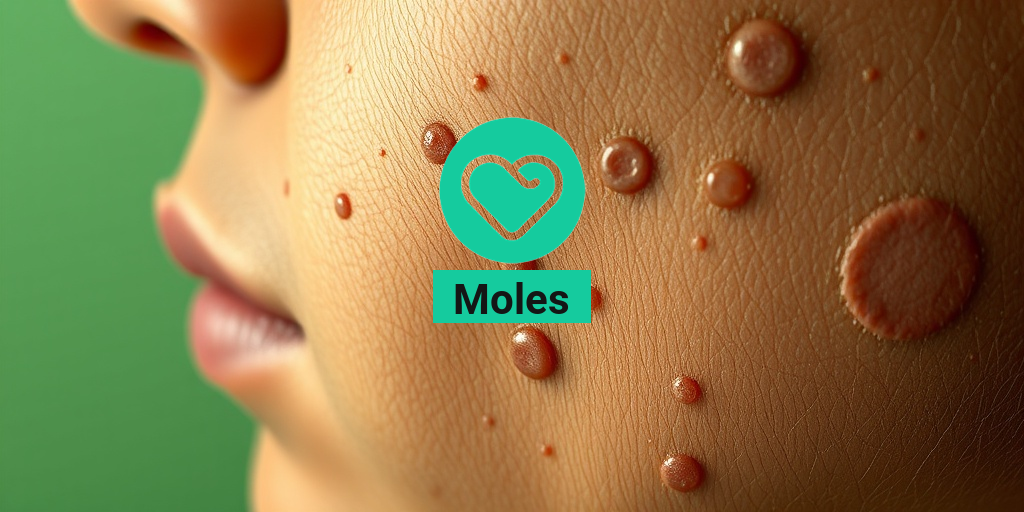
What Are Moles?
Moles, also known as nevi, are common skin growths that can appear anywhere on the body. They are typically small, brownish spots that can vary in size, shape, and color. Most people have between 10 to 40 moles, which can develop during childhood and adolescence. While moles are generally harmless, it’s essential to understand their characteristics and monitor any changes over time.
Understanding the Formation of Moles
Moles form when skin cells called melanocytes grow in clusters instead of being spread throughout the skin. These cells produce melanin, the pigment that gives skin its color. The exact cause of mole formation is not entirely understood, but factors such as genetics, sun exposure, and hormonal changes can play a significant role.
Why Are Moles Important?
While most moles are benign, they can sometimes develop into skin cancer, particularly melanoma. This makes it crucial to keep an eye on your moles and consult a healthcare professional if you notice any changes. Regular skin checks can help identify any suspicious moles early on, increasing the chances of successful treatment.
Mole Types
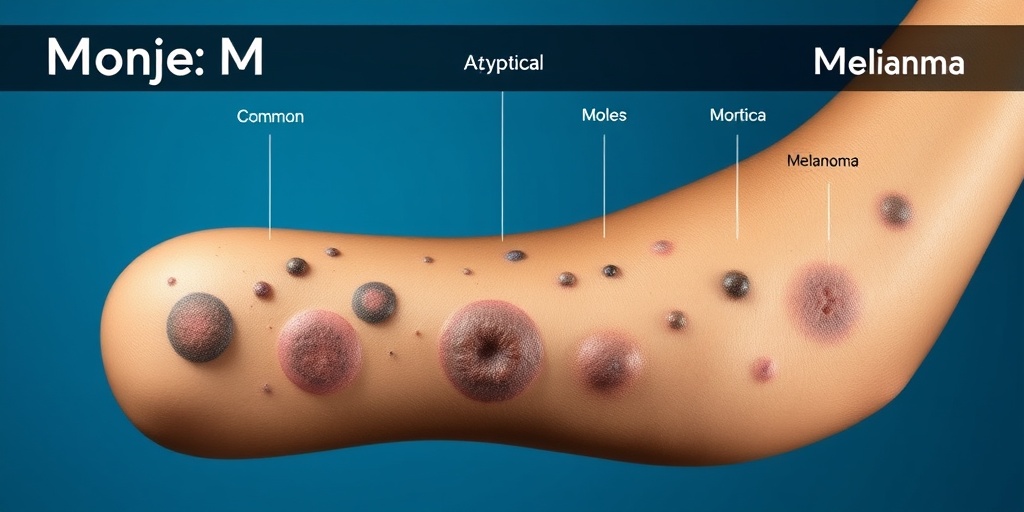
Moles can be categorized into several types based on their appearance and characteristics. Understanding these types can help you identify any changes that may require medical attention.
1. Common Moles
Common moles are usually small, round, and uniform in color, typically brown or black. They are generally harmless and can be found on various parts of the body. Most people have these types of moles, and they often appear during childhood or adolescence.
2. Atypical Moles
Atypical moles, also known as dysplastic nevi, are larger than common moles and have irregular borders and varied colors. These moles may be a sign of an increased risk for melanoma, so it’s essential to monitor them closely and consult a dermatologist if you notice any changes.
3. Congenital Moles
Congenital moles are present at birth and can vary in size and color. Some congenital moles can be larger than common moles and may have a higher risk of developing into melanoma. Regular monitoring is crucial for these moles, especially if they are large or have irregular features.
4. Junctional Moles
Junctional moles are flat and usually appear during childhood or adolescence. They are located at the junction of the epidermis and dermis, which is why they are called junctional. These moles can be brown or black and are generally harmless, but any changes should be evaluated by a healthcare professional.
5. Compound Moles
Compound moles are raised and can be brown or flesh-colored. They are a combination of junctional and dermal moles, meaning they have components in both the epidermis and dermis. While they are usually benign, it’s essential to keep an eye on them for any changes.
6. Dermal Moles
Dermal moles are typically raised and flesh-colored, found deeper in the skin. They are less likely to change over time compared to other types of moles. However, any sudden changes in appearance should be discussed with a healthcare provider.
When to Seek Medical Advice
It’s important to be vigilant about your moles. If you notice any of the following changes, it’s time to consult a dermatologist:
- Asymmetry: One half of the mole does not match the other.
- Border: Irregular, scalloped, or poorly defined edges.
- Color: Varied colors within the mole, including shades of brown, black, or even red, white, or blue.
- Diameter: A mole larger than 6mm (about the size of a pencil eraser).
- Evolution: Any change in size, shape, or color over time.
For more information on skin health and moles, consider visiting Yesil Health AI, a valuable resource for evidence-based health answers.
In conclusion, understanding moles and their types is essential for maintaining skin health. Regular monitoring and awareness of changes can help ensure early detection of any potential issues. Remember, when in doubt, consult a healthcare professional! 🌟
Mole Symptoms
Moles, also known as nevi, are common skin growths that can appear anywhere on the body. While most moles are harmless, it’s essential to be aware of their symptoms to identify any changes that may indicate a need for medical attention. Here are some key symptoms to watch for:
Normal Characteristics of Moles
Typically, a normal mole has the following characteristics:
- Color: Moles are usually brown, black, or tan.
- Shape: They tend to be round or oval.
- Size: Most moles are smaller than 6mm (about the size of a pencil eraser).
- Texture: They can be flat or raised, and may have a smooth or rough surface.
Changes to Monitor
While many moles are benign, changes in their appearance can be a warning sign. Here are some changes to monitor:
- Asymmetry: If one half of the mole does not match the other, it may be a cause for concern.
- Border: Irregular, scalloped, or poorly defined edges can indicate a problem.
- Color Variation: Moles that have multiple colors or an uneven distribution of color should be evaluated.
- Diameter: Moles larger than 6mm should be checked by a dermatologist.
- Elevation: If a mole becomes raised or develops a bump, it’s important to seek medical advice.
- Itching or Bleeding: Any mole that itches, bleeds, or becomes painful should be examined.
Being proactive about monitoring your moles can help catch potential issues early. If you notice any of these symptoms, consider scheduling an appointment with a dermatologist for a thorough evaluation. 🩺
Mole Causes
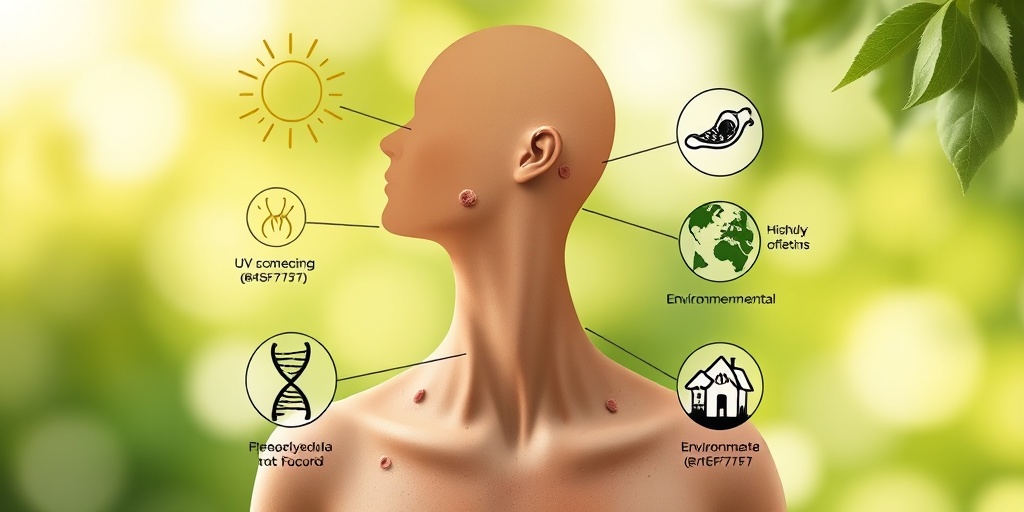
Moles develop due to a combination of genetic and environmental factors. Understanding the causes can help demystify these common skin features. Here are some primary factors that contribute to the formation of moles:
Genetic Factors
Your genetic makeup plays a significant role in the number and type of moles you may develop. If your family has a history of moles or skin conditions, you might be more prone to developing them as well. Some people may have a genetic predisposition to certain types of moles, such as dysplastic nevi, which can be more concerning.
Sun Exposure
Exposure to ultraviolet (UV) radiation from the sun can also lead to the development of moles. The more time you spend in the sun without proper protection, the higher your risk of developing new moles or changing existing ones. It’s crucial to practice sun safety by:
- Wearing sunscreen with a high SPF.
- Donning protective clothing.
- Avoiding peak sun hours.
Hormonal Changes
Hormonal fluctuations, such as those experienced during puberty, pregnancy, or menopause, can also influence mole development. Many women notice changes in their moles during pregnancy, which can be attributed to hormonal shifts. If you experience significant changes in your moles during these times, it’s advisable to consult a healthcare professional.
Age
As we age, our skin undergoes various changes, including the development of new moles. It’s common for adults to develop new moles in their 30s and 40s. While most of these moles are benign, keeping an eye on them is essential as you age.
In summary, moles can arise from a mix of genetic predisposition, sun exposure, hormonal changes, and aging. Understanding these causes can help you take proactive steps in monitoring your skin health. If you have concerns about your moles, don’t hesitate to reach out to a dermatologist for guidance. 🌞
Mole Risk Factors
Moles, also known as nevi, are common skin growths that can appear anywhere on the body. While most moles are harmless, certain factors can increase the risk of developing atypical moles or even skin cancer. Understanding these risk factors is crucial for early detection and prevention. Here are some key factors to consider:
Genetic Predisposition
One of the most significant risk factors for developing moles is your genetic background. If you have a family history of moles or skin cancer, you may be at a higher risk. Genetic mutations can influence how your skin reacts to sun exposure and how many moles you develop over time.
Skin Type
Your skin type plays a vital role in determining your risk for moles. Individuals with fair skin, light hair, and light eyes are generally more susceptible to developing moles. This is because they have less melanin, which provides some protection against UV radiation. If you have a lighter complexion, it’s essential to monitor your skin closely for any changes in existing moles or the appearance of new ones.
Sun Exposure
Excessive sun exposure is a well-known risk factor for developing moles and skin cancer. Ultraviolet (UV) rays from the sun can damage the skin and lead to the formation of new moles. Here are some sun exposure tips to keep in mind:
- Use sunscreen: Apply a broad-spectrum sunscreen with an SPF of 30 or higher, even on cloudy days.
- Avoid peak hours: Try to stay indoors during peak sun hours, typically between 10 AM and 4 PM.
- Wear protective clothing: Long sleeves, hats, and sunglasses can help shield your skin from harmful rays.
Age and Hormonal Changes
As you age, your skin undergoes various changes, including the development of new moles. Hormonal changes, such as those experienced during puberty, pregnancy, or menopause, can also trigger the appearance of new moles. It’s essential to keep an eye on any new growths during these life stages.
Previous Skin Conditions
If you have a history of skin conditions, such as sunburns or actinic keratosis, your risk for developing moles may increase. These conditions can damage the skin and lead to abnormal growths. Regular check-ups with a dermatologist can help monitor any changes in your skin health.
Mole Diagnosis
Diagnosing moles involves a thorough examination by a healthcare professional, typically a dermatologist. Early detection is key to preventing potential complications, including skin cancer. Here’s how the diagnosis process generally works:
Visual Examination
The first step in diagnosing a mole is a visual examination. Dermatologists look for specific characteristics that may indicate whether a mole is benign or potentially harmful. They often use the ABCDE rule to assess moles:
- A – Asymmetry: One half of the mole does not match the other.
- B – Border: The edges are irregular, ragged, or blurred.
- C – Color: The color is not uniform and may include shades of brown, black, or even red, white, or blue.
- D – Diameter: The mole is larger than 6mm (about the size of a pencil eraser).
- E – Evolving: The mole changes in size, shape, or color over time.
Dermatoscopy
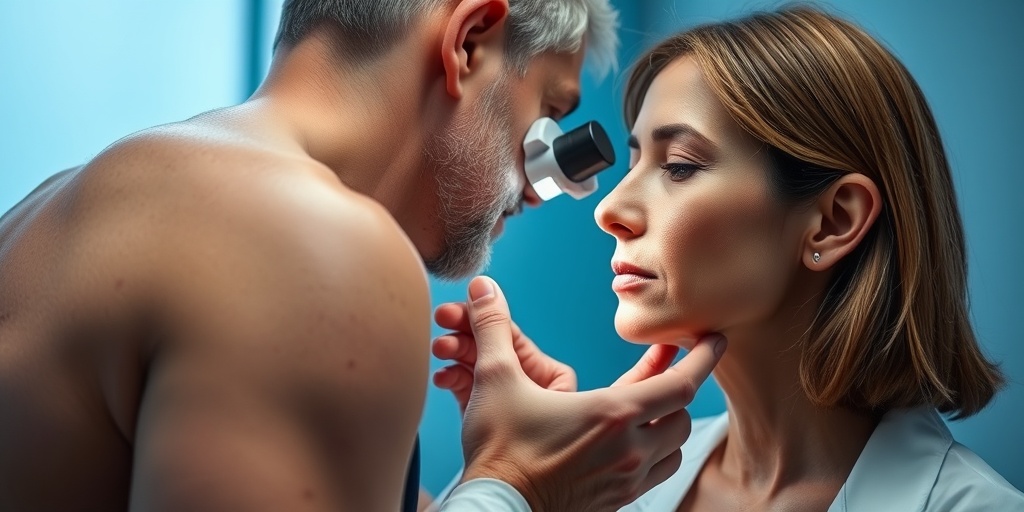
If a mole appears suspicious, the dermatologist may use a dermatoscope, a handheld device that provides a magnified view of the mole. This tool helps in identifying features that are not visible to the naked eye, aiding in a more accurate diagnosis.
Biopsy
In some cases, a biopsy may be necessary to determine whether a mole is cancerous. During this procedure, a small sample of the mole is removed and sent to a laboratory for analysis. There are different types of biopsies, including:
- Shave biopsy: A thin layer of skin is shaved off the mole.
- Excisional biopsy: The entire mole is removed along with a margin of surrounding skin.
Receiving a timely diagnosis can significantly impact treatment outcomes, so it’s essential to consult a healthcare professional if you notice any changes in your moles. Remember, early detection is your best defense! 🩺
Mole Treatment Options
Moles are common skin growths that can vary in size, shape, and color. While most moles are harmless, some individuals may seek treatment for cosmetic reasons or due to concerns about skin cancer. Understanding the various mole treatment options available can help you make informed decisions about your skin health.
1. Observation
For many people, the best course of action is simply to monitor their moles. Regular self-examinations can help you notice any changes in size, shape, or color. If a mole appears suspicious, it’s essential to consult a dermatologist. They may recommend a biopsy to rule out skin cancer.
2. Surgical Removal
If a mole is deemed problematic or if you wish to have it removed for cosmetic reasons, surgical removal is a common option. This procedure typically involves:
- Excision: The mole is cut out along with a small margin of surrounding skin.
- Shave removal: The mole is shaved off at the skin’s surface.
Both methods are usually performed under local anesthesia, and recovery time is minimal. However, it’s crucial to follow post-operative care instructions to minimize scarring.
3. Laser Treatment
Laser treatment is another option for mole removal, particularly for flat moles or those that are not deeply embedded in the skin. This method uses focused light beams to break down the pigment in the mole, effectively fading it away. While laser treatment can be less invasive, it may require multiple sessions for optimal results.
4. Cryotherapy
Cryotherapy involves freezing the mole with liquid nitrogen. This method is often used for benign moles and can be effective in removing them without significant scarring. However, it’s essential to have this procedure performed by a qualified professional to ensure safety and effectiveness.
5. Chemical Peels
Chemical peels can also be used to treat certain types of moles, particularly those that are superficial. This treatment involves applying a chemical solution to the skin, which causes the top layers to peel off, revealing smoother skin underneath. It’s important to consult with a dermatologist to determine if this option is suitable for your specific mole type.
Mole Prevention Tips
While not all moles can be prevented, there are several strategies you can adopt to reduce your risk of developing new moles or changing existing ones. Here are some effective mole prevention tips:
1. Protect Your Skin from the Sun
One of the most significant factors in mole development is sun exposure. To protect your skin:
- Use a broad-spectrum sunscreen with an SPF of at least 30.
- Reapply sunscreen every two hours, especially after swimming or sweating.
- Wear protective clothing, such as long sleeves and wide-brimmed hats.
- Avoid tanning beds, which can increase your risk of skin damage.
2. Regular Skin Checks
Performing regular skin checks can help you catch any changes in your moles early. Look for the ABCDEs of moles:
- A: Asymmetry – one half doesn’t match the other.
- B: Border – irregular, scalloped, or poorly defined edges.
- C: Color – varied from one area to another; shades of tan, brown, or black.
- D: Diameter – larger than 6mm (about the size of a pencil eraser).
- E: Evolving – changes in size, shape, or color.
3. Maintain a Healthy Lifestyle
Adopting a healthy lifestyle can also contribute to skin health. Consider the following:
- Stay hydrated by drinking plenty of water.
- Eat a balanced diet rich in fruits, vegetables, and whole grains.
- Limit alcohol consumption and avoid smoking.
4. Consult a Dermatologist
Regular visits to a dermatologist can help you stay on top of your skin health. They can provide professional skin examinations and advice tailored to your specific needs. If you have a family history of skin cancer or numerous moles, it’s especially important to schedule regular check-ups.
By following these mole prevention tips and being proactive about your skin health, you can reduce your risk of developing new moles and ensure that any existing ones are monitored effectively. 🌞

Frequently Asked Questions about Moles
What are moles?
Moles are small, dark spots on the skin that can vary in color, size, and shape. They are usually benign growths that occur when skin cells called melanocytes cluster together. Most people have between 10 to 40 moles on their bodies.
Are moles dangerous?
While most moles are harmless, some can develop into skin cancer, particularly melanoma. It’s important to monitor any changes in size, shape, or color of your moles and consult a dermatologist if you notice any concerning changes.
How can I tell if a mole is cancerous?
To determine if a mole may be cancerous, you can use the ABCDE rule:
- Asymmetry: One half of the mole doesn’t match the other.
- Border: The edges are irregular, ragged, or blurred.
- Color: The color is not uniform and may include shades of brown, black, or even red, white, or blue.
- Diameter: The mole is larger than 6mm (about the size of a pencil eraser).
- Evolving: The mole is changing in size, shape, or color.
Can I remove a mole at home?
It is not recommended to remove moles at home. Professional removal by a dermatologist is the safest option to avoid complications such as infection or scarring. If you are concerned about a mole, consult a healthcare professional.
What causes moles to appear?
Moles can appear due to a combination of genetic factors and sun exposure. They often develop during childhood and adolescence, but new moles can also form in adulthood.
Do moles change over time?
Yes, moles can change over time. They may fade, darken, or change in texture. Regularly checking your moles can help you notice any changes that may require medical attention.
When should I see a doctor about my moles?
You should see a doctor if you notice any of the following changes in your moles:
- Changes in size, shape, or color
- Itching, bleeding, or crusting
- New moles appearing after age 30
Early detection is key in managing skin health, so don’t hesitate to seek professional advice! 🩺