What Are Brain Tumors?
Brain tumors are abnormal growths of cells in the brain or surrounding tissues. They can be classified as either benign (non-cancerous) or malignant (cancerous). Understanding brain tumors is crucial, as they can affect various brain functions depending on their size, location, and type.
These tumors can originate in the brain itself, known as primary brain tumors, or spread to the brain from other parts of the body, referred to as secondary brain tumors or metastatic brain tumors. The symptoms of brain tumors can vary widely, often depending on the tumor’s location and size. Common symptoms include:
- Headaches that may worsen over time
- Nausea and vomiting
- Changes in vision or hearing
- Difficulty with balance or coordination
- Seizures
- Cognitive or personality changes
If you or someone you know is experiencing these symptoms, it’s essential to consult a healthcare professional for a thorough evaluation. Early detection can significantly impact treatment outcomes.
Types of Brain Tumors
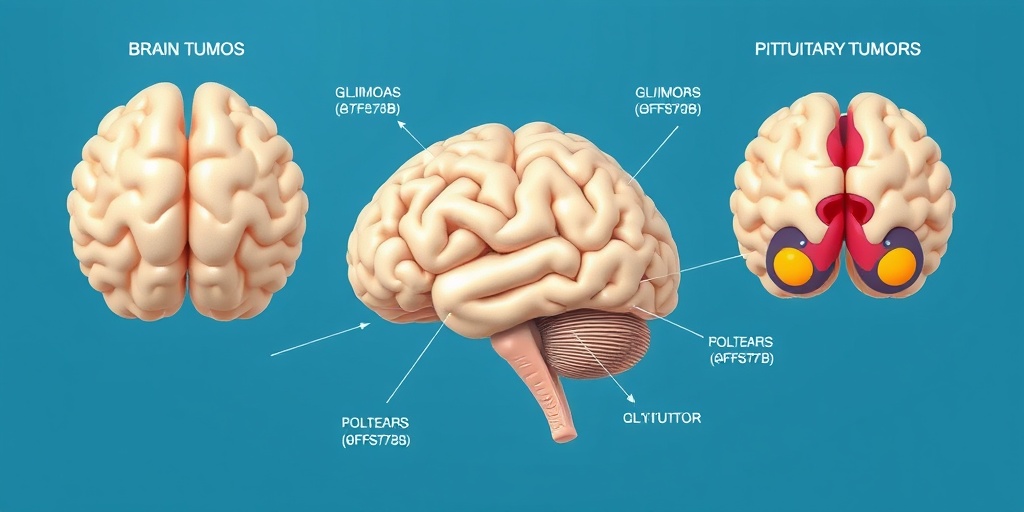
There are several types of brain tumors, each with distinct characteristics and treatment approaches. Here are four common types of brain tumors:
1. Gliomas
Gliomas are tumors that arise from glial cells, which support and protect neurons. They can be further categorized into:
- Astrocytomas: These tumors develop from astrocytes and can vary in aggressiveness.
- Oligodendrogliomas: These arise from oligodendrocytes and are typically slower-growing.
- Glioblastomas: The most aggressive type of glioma, glioblastomas are fast-growing and often difficult to treat.
2. Meningiomas
Meningiomas are tumors that form in the meninges, the protective layers surrounding the brain and spinal cord. They are usually benign but can cause symptoms by pressing on the brain or spinal cord. Treatment often involves surgical removal.
3. Pituitary Tumors
These tumors develop in the pituitary gland, which is responsible for hormone production. While most pituitary tumors are benign, they can disrupt hormone levels and lead to various health issues. Symptoms may include vision problems, headaches, and hormonal imbalances.
4. Medulloblastomas
Primarily affecting children, medulloblastomas are malignant tumors that originate in the cerebellum. They can spread to other parts of the brain and spinal cord, making early diagnosis and treatment crucial.
Each type of brain tumor requires a tailored treatment approach, which may include surgery, radiation therapy, and chemotherapy. If you’re seeking more information about brain tumors, including symptoms and treatment options, consider visiting Yesil Health AI for evidence-based health answers.
In conclusion, understanding brain tumors is vital for early detection and effective treatment. If you notice any concerning symptoms, don’t hesitate to reach out to a healthcare professional. Your health is paramount! 🧠✨
Brain Tumor Symptoms
Understanding the symptoms of brain tumors is crucial for early detection and treatment. Brain tumors can manifest in various ways, and their symptoms often depend on the tumor’s size, type, and location within the brain. Here are some common symptoms to be aware of:
1. Headaches
Persistent headaches that differ from your usual headaches can be a significant indicator of a brain tumor. These headaches may become more frequent and severe over time, often worsening in the morning or with changes in position. 🧠💥
2. Seizures
Seizures are another common symptom, especially in individuals who have never experienced them before. The type of seizure can vary, ranging from generalized convulsions to focal seizures that affect only one part of the body. If you experience sudden seizures, it’s essential to seek medical attention promptly.
3. Cognitive Changes
Brain tumors can affect cognitive functions, leading to memory problems, confusion, or difficulty concentrating. You might notice changes in your ability to think clearly or process information, which can be alarming.
4. Vision or Hearing Problems
Changes in vision, such as blurred or double vision, or hearing issues can occur if the tumor affects areas of the brain responsible for these senses. If you experience sudden changes in your eyesight or hearing, it’s important to consult a healthcare professional.
5. Nausea and Vomiting
Unexplained nausea and vomiting, particularly if they are persistent and not related to other illnesses, can be a symptom of increased intracranial pressure caused by a brain tumor. This symptom is often accompanied by headaches.
6. Weakness or Numbness
Feeling weak or numb in certain parts of the body can indicate that a tumor is pressing on specific areas of the brain. This can lead to difficulties with coordination and balance, making everyday activities challenging.
7. Personality Changes
Brain tumors can also lead to changes in personality or behavior. You may notice mood swings, increased irritability, or changes in social interactions. These changes can be subtle but are significant indicators of potential issues within the brain.
Causes and Risk Factors
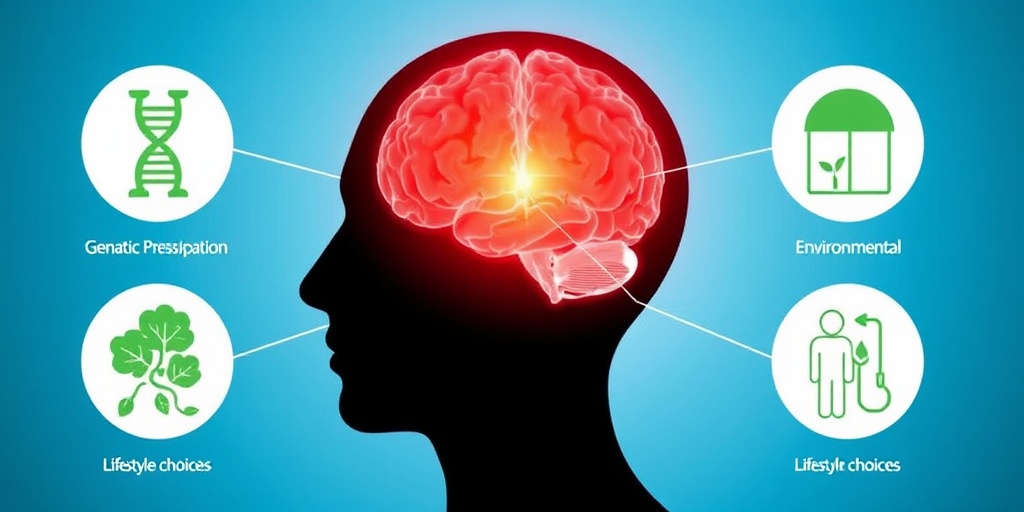
While the exact cause of brain tumors remains largely unknown, several factors may increase the risk of developing them. Understanding these can help in identifying potential preventive measures.
1. Genetic Factors
Some brain tumors are linked to genetic predispositions. Conditions such as neurofibromatosis, Li-Fraumeni syndrome, and tuberous sclerosis can increase the likelihood of developing brain tumors. If you have a family history of these conditions, it’s essential to discuss this with your healthcare provider.
2. Age
Brain tumors can occur at any age, but certain types are more common in specific age groups. For instance, gliomas are more prevalent in adults, while medulloblastomas are often found in children. Understanding the age-related risks can aid in early detection.
3. Exposure to Radiation
Exposure to ionizing radiation, particularly during previous cancer treatments, has been associated with an increased risk of brain tumors. If you have undergone radiation therapy, it’s crucial to monitor any symptoms closely.
4. Environmental Factors
While research is ongoing, some studies suggest that exposure to certain chemicals and environmental toxins may increase the risk of brain tumors. Occupational exposure to substances like vinyl chloride and formaldehyde has been investigated, but conclusive evidence is still lacking.
5. Weakened Immune System
Individuals with compromised immune systems, such as those with HIV/AIDS or those taking immunosuppressive medications, may have a higher risk of developing brain tumors. Maintaining a healthy immune system is vital for overall health and may help reduce risks.
Recognizing the symptoms and understanding the risk factors associated with brain tumors can empower individuals to seek timely medical advice. If you or someone you know is experiencing any concerning symptoms, don’t hesitate to consult a healthcare professional. Early detection can make a significant difference in treatment outcomes. 🌟
Brain Tumor Diagnosis
Diagnosing a brain tumor can be a complex process, as symptoms often mimic those of other conditions. However, early detection is crucial for effective treatment. Here’s a closer look at how brain tumors are diagnosed.
Recognizing Symptoms
Many individuals may wonder, what are the general symptoms of a brain tumor? Symptoms can vary widely depending on the tumor’s size, type, and location. Common signs include:
- Persistent headaches that may worsen over time
- Nausea and vomiting
- Changes in vision, such as blurred or double vision
- Difficulty with balance or coordination
- Seizures
- Changes in personality or cognitive function
If you experience any of these symptoms, it’s essential to consult a healthcare professional for further evaluation.
Diagnostic Imaging Techniques
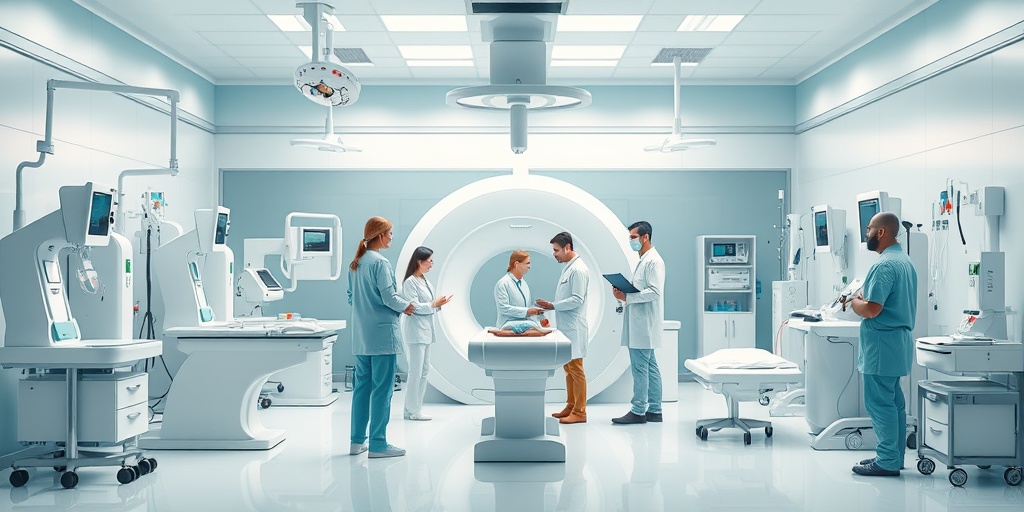
Once symptoms are reported, doctors typically use a combination of imaging techniques to confirm the presence of a brain tumor. The most common methods include:
- Magnetic Resonance Imaging (MRI): This is the most effective imaging technique for detecting brain tumors. It provides detailed images of the brain and can help identify the tumor’s size and location.
- Computed Tomography (CT) Scan: A CT scan can also be used to visualize the brain and detect abnormalities. It is often quicker than an MRI and may be used in emergency situations.
- Positron Emission Tomography (PET) Scan: This imaging test can help determine whether a tumor is benign or malignant by showing how the tumor absorbs glucose.
Biopsy and Further Testing
In some cases, a biopsy may be necessary to determine the tumor type. This involves removing a small sample of tissue for laboratory analysis. The biopsy can be performed through:
- Stereotactic biopsy: A minimally invasive procedure that uses imaging guidance to obtain tissue samples.
- Open biopsy: A more invasive procedure where a larger section of the tumor is removed for analysis.
Additionally, doctors may conduct neurological exams to assess cognitive function, reflexes, and coordination, which can provide further insight into the tumor’s impact on brain function.
Brain Tumor Treatment Options
Once diagnosed, the next step is to explore treatment options. The choice of treatment depends on various factors, including the tumor type, size, location, and the patient’s overall health. Here are the primary treatment modalities:
Surgery
Surgery is often the first line of treatment for brain tumors. The goal is to remove as much of the tumor as possible while preserving healthy brain tissue. Types of surgical procedures include:
- Craniotomy: A procedure where a portion of the skull is removed to access the brain.
- Endoscopic surgery: A less invasive option that uses small instruments and cameras to remove tumors through natural openings.
Radiation Therapy
Radiation therapy uses high-energy rays to target and kill cancer cells. It can be used as a primary treatment or as an adjunct to surgery. There are different types of radiation therapy:
- External beam radiation: Delivers targeted radiation from outside the body.
- Stereotactic radiosurgery: A non-invasive procedure that delivers a high dose of radiation precisely to the tumor.
Chemotherapy
Chemotherapy involves the use of drugs to kill cancer cells or stop their growth. It may be administered orally or intravenously and is often used for tumors that are difficult to remove surgically. Some common chemotherapy drugs for brain tumors include:
- Temozolomide: Frequently used for glioblastomas.
- Carmustine: Often used for high-grade tumors.
Targeted Therapy and Immunotherapy
Recent advancements in cancer treatment have led to the development of targeted therapies and immunotherapies. These treatments focus on specific characteristics of cancer cells or enhance the body’s immune response against tumors. Examples include:
- Bevacizumab: A targeted therapy that inhibits blood vessel growth in tumors.
- Checkpoint inhibitors: Immunotherapy that helps the immune system recognize and attack cancer cells.
Each treatment plan is tailored to the individual, and ongoing research continues to improve outcomes for those diagnosed with brain tumors. If you or a loved one is facing a brain tumor diagnosis, it’s essential to discuss all available options with a healthcare provider to determine the best course of action. 🧠✨
Living with a Brain Tumor
Receiving a diagnosis of a brain tumor can be overwhelming. It’s a journey filled with uncertainty, but understanding what it means to live with a brain tumor can empower patients and their families. Here, we’ll explore the emotional, physical, and practical aspects of living with this condition.
Understanding Your Diagnosis
First and foremost, it’s crucial to understand the type of brain tumor you have. There are four main types of brain tumors: gliomas, meningiomas, pituitary tumors, and schwannomas. Each type has its own characteristics, treatment options, and prognosis. Knowing the specifics of your tumor can help you make informed decisions about your care.
Emotional Impact
Living with a brain tumor can take a toll on your emotional well-being. Many patients experience a range of feelings, from fear and anxiety to anger and sadness. It’s important to acknowledge these emotions and seek support. Here are some ways to cope:
- Talk to someone: Whether it’s a friend, family member, or therapist, sharing your feelings can be incredibly therapeutic.
- Join a support group: Connecting with others who are going through similar experiences can provide comfort and understanding.
- Practice mindfulness: Techniques such as meditation and yoga can help reduce stress and improve your mental health.
Physical Challenges
Depending on the tumor’s location and treatment, you may face various physical challenges. Common symptoms include:
- Headaches: Persistent headaches can be a common symptom of brain tumors.
- Seizures: Some patients may experience seizures, which can be distressing.
- Changes in vision or hearing: Tumors can affect sensory functions, leading to changes in how you see or hear.
It’s essential to communicate any new or worsening symptoms to your healthcare team. They can help manage these challenges and improve your quality of life.
Practical Considerations
Living with a brain tumor often requires adjustments in daily life. Here are some practical tips:
- Stay organized: Keep track of appointments, medications, and treatment plans to stay on top of your health.
- Seek help: Don’t hesitate to ask for assistance with daily tasks, whether it’s from family, friends, or professional caregivers.
- Maintain a healthy lifestyle: Eating well, staying active, and getting enough rest can help support your overall health.
Brain Tumor Prognosis and Outlook
The prognosis for brain tumors varies widely based on several factors, including the type of tumor, its location, and the patient’s overall health. Understanding the outlook can help patients and families prepare for what lies ahead.
Factors Influencing Prognosis
Several key factors can influence the prognosis of brain tumors:
- Type of tumor: Some tumors are more aggressive than others. For instance, glioblastomas tend to have a poorer prognosis compared to meningiomas.
- Location: Tumors located in critical areas of the brain may be harder to treat and can affect the prognosis.
- Patient’s age and health: Younger patients and those in better overall health often have a better prognosis.
Survival Rates
Survival rates for brain tumors can be difficult to determine due to the variety of tumor types and individual circumstances. However, statistics can provide some insight:
- Low-grade tumors: These tumors generally have a better prognosis, with many patients living for years after diagnosis.
- High-grade tumors: More aggressive tumors, like glioblastomas, typically have lower survival rates, often measured in months to a few years.
It’s important to remember that statistics are just numbers. Every patient’s journey is unique, and advancements in treatment are continually improving outcomes.
Communicating with Your Healthcare Team
Open communication with your healthcare team is vital. Don’t hesitate to ask questions about your prognosis, treatment options, and what to expect moving forward. Understanding your situation can help you make informed decisions and feel more in control of your health.
Living with a brain tumor is undoubtedly challenging, but with the right support and information, patients can navigate this journey with resilience and hope. 🌟

Frequently Asked Questions about Brain Tumors
What are the general symptoms of brain tumors?
Brain tumors can present a variety of symptoms, which may vary depending on the tumor’s size and location. Common symptoms include:
- Headaches that may worsen over time
- Nausea and vomiting
- Seizures
- Changes in vision, hearing, or speech
- Difficulty with balance or coordination
- Personality changes or cognitive difficulties
What types of brain tumors are there?
There are four main types of brain tumors:
- Gliomas: These tumors arise from glial cells and can be aggressive.
- Meningiomas: Typically benign, these tumors develop from the protective membranes covering the brain.
- Acoustic neuromas: These are benign tumors that affect the auditory nerve.
- Pituitary adenomas: These tumors occur in the pituitary gland and can affect hormone levels.
How long can someone have a brain tumor before knowing?
The duration a person can have a brain tumor without knowing varies significantly. Some tumors grow slowly and may not cause noticeable symptoms for years, while others can develop rapidly. Regular check-ups and awareness of symptoms are crucial for early detection.
Where can I find more information about brain tumors?
For comprehensive information on brain tumors, consider visiting reputable medical websites, such as:
- The American Brain Tumor Association
- The National Cancer Institute
- Mass General Brigham’s resources on brain tumors
What should I do if I suspect I have a brain tumor?
If you experience persistent symptoms associated with brain tumors, it is essential to consult a healthcare professional. They may recommend imaging tests, such as an MRI or CT scan, to determine the presence of a tumor.
Are there specialized hospitals for brain tumor treatment?
Yes, many hospitals specialize in treating brain tumors, including Mass General Hospital. These facilities often have dedicated teams of neurosurgeons, oncologists, and support staff to provide comprehensive care.
What role do nurses play in brain tumor care?
Nurses play a vital role in the care of patients with brain tumors. They assist in:
- Monitoring symptoms and side effects
- Administering medications and treatments
- Providing education and support to patients and families
Can brain tumors be prevented?
Currently, there is no known way to prevent brain tumors. However, maintaining a healthy lifestyle, avoiding exposure to harmful substances, and regular medical check-ups can contribute to overall health and early detection of potential issues.