What Is Infantile Spinal Muscular Atrophy Type I?
Infantile Spinal Muscular Atrophy Type I (SMA Type I), also known as Werdnig-Hoffmann disease, is a severe genetic disorder that affects the motor neurons in the spinal cord. This condition is characterized by the progressive weakness and wasting of muscles, which can significantly impact a child’s ability to move, breathe, and swallow. SMA Type I is the most common and severe form of spinal muscular atrophy, typically manifesting in infants before six months of age.
The Genetic Basis of SMA Type I
SMA Type I is caused by a mutation in the SMN1 gene located on chromosome 5. This gene is crucial for the production of a protein called survival motor neuron (SMN), which is essential for the health and function of motor neurons. When this gene is defective or absent, motor neurons degenerate, leading to muscle weakness and atrophy.
Prevalence and Diagnosis
Infantile Spinal Muscular Atrophy Type I affects approximately 1 in 10,000 live births, making it a rare condition. Diagnosis typically involves a combination of clinical evaluation, family history, and genetic testing to confirm the presence of the SMN1 gene mutation. Early diagnosis is crucial, as it allows for timely intervention and management strategies that can improve quality of life.
Symptoms of Infantile Spinal Muscular Atrophy Type I
The symptoms of SMA Type I can vary in severity, but they generally present within the first few months of life. Here are some of the most common symptoms:
- Muscle Weakness: Infants may exhibit significant weakness, particularly in the arms, legs, and trunk. This can lead to difficulties in holding up their head or sitting independently.
- Hypotonia: Many infants with SMA Type I experience hypotonia, or decreased muscle tone, which can make them appear floppy or less responsive.
- Difficulty Swallowing: Weakness in the muscles responsible for swallowing can lead to feeding difficulties, increasing the risk of aspiration.
- Respiratory Issues: As the disease progresses, respiratory muscles may weaken, leading to breathing difficulties and an increased risk of respiratory infections.
- Delayed Motor Skills: Infants may not achieve typical developmental milestones, such as rolling over or crawling, within the expected time frame.
Progression of Symptoms
The progression of symptoms in SMA Type I is typically rapid. Most affected infants will not achieve the ability to sit independently and may require assistance for basic activities. Without intervention, the condition can lead to severe complications, including respiratory failure, which is often the leading cause of mortality in these patients.
Importance of Early Intervention
Recognizing the symptoms of Infantile Spinal Muscular Atrophy Type I early on is vital for improving outcomes. Advances in treatment options, such as gene therapy and supportive care, can significantly enhance the quality of life for affected children. Parents and caregivers should work closely with healthcare professionals to develop a comprehensive care plan tailored to the child’s needs.
For more information on SMA Type I and other health-related topics, consider visiting Yesil Health AI, a valuable resource for evidence-based health answers. 🌟
In conclusion, understanding Infantile Spinal Muscular Atrophy Type I is crucial for parents, caregivers, and healthcare providers. By being aware of the symptoms and seeking early intervention, families can navigate this challenging condition with greater knowledge and support.

Causes of Infantile Spinal Muscular Atrophy Type I
Infantile Spinal Muscular Atrophy Type I (SMA Type I), also known as Werdnig-Hoffmann disease, is a genetic disorder that primarily affects infants and is characterized by severe muscle weakness and atrophy. Understanding the causes of this condition is crucial for parents and caregivers. Let’s delve into the underlying factors that contribute to SMA Type I.
Genetic Mutation
The primary cause of SMA Type I is a mutation in the SMN1 gene (Survival Motor Neuron 1). This gene is responsible for producing a protein essential for the survival of motor neurons, which are the nerve cells that control muscle movement. When the SMN1 gene is mutated or deleted, the body cannot produce enough of this vital protein, leading to the degeneration of motor neurons in the spinal cord.
Inheritance Pattern
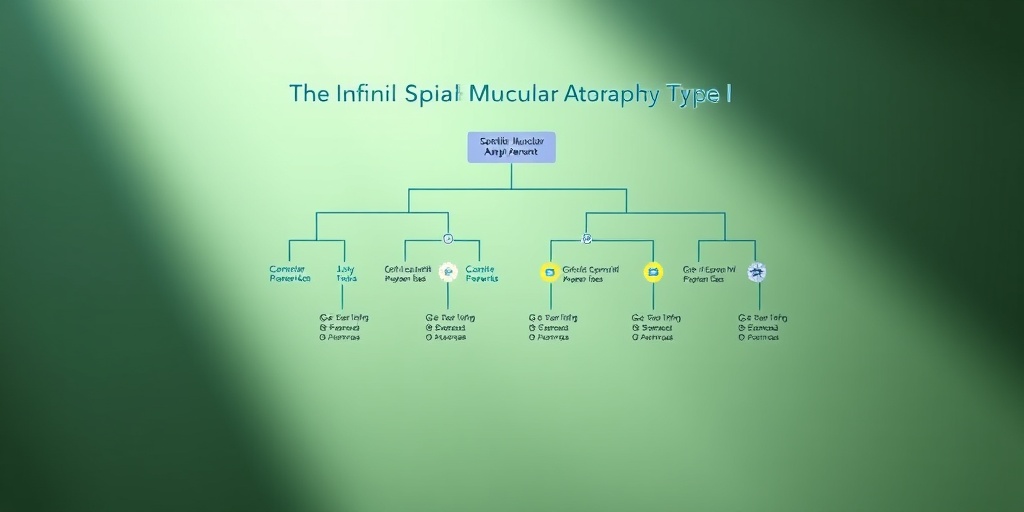
SMA Type I follows an autosomal recessive inheritance pattern. This means that a child must inherit two copies of the mutated gene—one from each parent—to develop the condition. If both parents are carriers of the mutated SMN1 gene, there is a 25% chance with each pregnancy that their child will be affected by SMA Type I. This genetic aspect highlights the importance of genetic counseling for families with a history of the disease.
Types of Genetic Testing
For families concerned about the risk of SMA Type I, genetic testing can provide valuable insights. There are two main types of tests:
- Carrier Testing: This test determines if parents are carriers of the SMN1 gene mutation.
- Diagnostic Testing: This test is performed on the child to confirm the presence of the SMN1 mutation if symptoms are present.
Early diagnosis through genetic testing can lead to timely interventions, which may improve outcomes for affected infants.
Risk Factors for Infantile Spinal Muscular Atrophy Type I
While the primary cause of SMA Type I is genetic, certain risk factors can increase the likelihood of a child being affected by this condition. Understanding these risk factors can help in early detection and management.
Family History
A significant risk factor for SMA Type I is a family history of the disorder. If there are known cases of SMA in the family, the chances of having a child with the condition increase. Families with a history of neuromuscular disorders should consider genetic counseling to assess their risk.
Ethnic Background
Research indicates that certain ethnic groups may have a higher carrier frequency for the SMN1 gene mutation. For example, individuals of European descent are more likely to be carriers compared to those from other ethnic backgrounds. This information can be crucial for families when considering genetic testing.
Parental Carrier Status
As mentioned earlier, both parents must be carriers of the mutated SMN1 gene for a child to be affected by SMA Type I. Therefore, knowing the carrier status of both parents is essential. If one parent is a carrier, the risk of having an affected child is significantly reduced, but it is still advisable to undergo testing for the other parent.
Age of Parents
Some studies suggest that advanced parental age may be associated with an increased risk of genetic mutations. While this is not a direct cause of SMA Type I, older parents may have a higher likelihood of being carriers of genetic disorders, including SMA. Therefore, it is important for older parents to consider genetic counseling and testing.
In conclusion, understanding the causes and risk factors of Infantile Spinal Muscular Atrophy Type I is vital for early diagnosis and intervention. By being informed, families can take proactive steps to manage the condition and seek appropriate care for affected infants. 🍼💙
Diagnosis of Infantile Spinal Muscular Atrophy Type I
Diagnosing Infantile Spinal Muscular Atrophy Type I (SMA Type I), also known as Werdnig-Hoffmann disease, is a critical step in managing this severe genetic disorder. Early diagnosis can significantly impact the treatment options and overall quality of life for affected infants. Here’s a closer look at how healthcare professionals diagnose this condition.
Clinical Evaluation
The diagnosis of SMA Type I typically begins with a thorough clinical evaluation. Pediatricians or neurologists will assess the infant’s motor skills and developmental milestones. Key indicators include:
- Muscle Weakness: Infants may exhibit weakness in their arms, legs, and trunk, making it difficult for them to hold their head up or sit independently.
- Hypotonia: Low muscle tone is often observed, leading to a floppy appearance.
- Delayed Reflexes: The absence of normal reflexes can also be a sign of SMA Type I.
Genetic Testing
Once clinical signs suggest SMA Type I, genetic testing is the definitive method for diagnosis. This involves:
- DNA Analysis: A blood sample is taken to analyze the SMN1 gene, which is responsible for producing a protein essential for motor neuron health. A deletion or mutation in this gene confirms the diagnosis.
- Carrier Testing: If SMA Type I is diagnosed, family members may also undergo testing to determine if they are carriers of the gene mutation.
Imaging and Electromyography
In some cases, additional tests such as imaging studies (like MRI) or electromyography (EMG) may be conducted to assess muscle and nerve function. These tests help rule out other neuromuscular disorders and provide a comprehensive understanding of the infant’s condition.
Treatment Options for Infantile Spinal Muscular Atrophy Type I
While there is currently no cure for Infantile Spinal Muscular Atrophy Type I, several treatment options can help manage symptoms and improve the quality of life for affected infants. The approach to treatment is multidisciplinary, involving various healthcare professionals.
Medications
Recent advancements in medication have transformed the treatment landscape for SMA Type I:
- Spinraza (Nusinersen): This is an FDA-approved drug that works by increasing the production of the SMN protein. Administered via intrathecal injection, it has shown to improve motor function in many patients.
- Zolgensma (Onasemnogene abeparvovec): A gene therapy that provides a copy of the SMN1 gene, Zolgensma is a one-time treatment that has demonstrated significant benefits in infants with SMA Type I.
Supportive Therapies
In addition to medications, supportive therapies play a vital role in managing SMA Type I:
- Physical Therapy: Tailored exercises can help maintain muscle strength and flexibility, promoting better mobility.
- Occupational Therapy: This therapy focuses on enhancing daily living skills and adapting the environment to the child’s needs.
- Respiratory Support: Many infants with SMA Type I may require assistance with breathing, especially as the disease progresses. Devices like BiPAP machines can help.
Nutritional Support
Infants with SMA Type I may face challenges with feeding and swallowing. A nutritionist can provide guidance on:
- Feeding Techniques: Specialized feeding strategies can help ensure adequate nutrition.
- Supplements: Nutritional supplements may be recommended to support growth and development.
In conclusion, while the diagnosis of Infantile Spinal Muscular Atrophy Type I can be daunting, early intervention and a comprehensive treatment plan can significantly enhance the quality of life for affected infants. Ongoing research continues to provide hope for more effective therapies in the future. 🌟

Living with Infantile Spinal Muscular Atrophy Type I
Infantile Spinal Muscular Atrophy Type I (SMA Type I), also known as Werdnig-Hoffmann disease, is a genetic disorder that affects the motor neurons in the spinal cord. This condition leads to severe muscle weakness and atrophy, making it one of the most critical forms of spinal muscular atrophy. Understanding how to navigate life with SMA Type I is essential for both affected individuals and their families.
Understanding the Diagnosis
Receiving a diagnosis of SMA Type I can be overwhelming. Typically, symptoms appear within the first six months of life, and parents may notice their infant has difficulty with movements such as lifting their head or rolling over. Genetic testing can confirm the diagnosis, revealing mutations in the SMN1 gene that are responsible for the condition.
Daily Life and Care
Living with SMA Type I requires a comprehensive care plan tailored to the individual’s needs. Here are some key aspects to consider:
- Physical Therapy: Regular physical therapy can help maintain muscle function and prevent contractures. Therapists often focus on gentle stretching and positioning techniques.
- Nutritional Support: Many infants with SMA Type I may have difficulty swallowing. A nutritionist can help create a feeding plan that ensures adequate caloric intake, possibly including the use of feeding tubes.
- Respiratory Care: As the disease progresses, respiratory function may decline. Regular monitoring and interventions, such as cough assist devices, can be crucial.
Emotional and Psychological Support
Living with a chronic condition like SMA Type I can take an emotional toll on both the child and their family. Support groups and counseling can provide a safe space for families to share their experiences and feelings. Connecting with others who understand the challenges can be incredibly beneficial. 💖
Adaptive Equipment and Technology
Advancements in technology have made it easier for children with SMA Type I to engage in daily activities. Adaptive equipment such as specialized wheelchairs, communication devices, and modified toys can enhance quality of life. These tools not only promote independence but also encourage social interaction. 🛠️
Future Outlook for Infantile Spinal Muscular Atrophy Type I
The future outlook for individuals with Infantile Spinal Muscular Atrophy Type I has significantly improved in recent years, thanks to advancements in research and treatment options. While SMA Type I remains a serious condition, ongoing developments are providing hope for families.
Current Treatment Options
Recent breakthroughs in treatment have transformed the landscape for SMA Type I. The introduction of gene therapy and medications such as nusinersen (Spinraza) and onasemnogene abeparvovec (Zolgensma) have shown promising results in improving motor function and survival rates. These treatments target the underlying genetic cause of the disease, offering a chance for better outcomes.
Research and Clinical Trials
Ongoing research is crucial for understanding SMA Type I better and developing new therapies. Numerous clinical trials are currently underway, exploring various approaches to treatment. Families are encouraged to discuss clinical trial opportunities with their healthcare providers, as participation can contribute to advancing knowledge and treatment options for future generations.
Long-Term Prognosis
While SMA Type I is a severe condition, the long-term prognosis is gradually improving. With early diagnosis and intervention, many children are achieving milestones that were previously thought unattainable. Regular follow-ups with a multidisciplinary team can help manage symptoms and improve overall quality of life.
Support Networks and Resources
Families navigating the challenges of SMA Type I can benefit from various support networks and resources. Organizations such as the SMA Foundation and Muscular Dystrophy Association offer valuable information, advocacy, and community support. Connecting with these resources can empower families and provide them with the tools they need to thrive. 🌟

Frequently Asked Questions about Infantile Spinal Muscular Atrophy Type I
What is Infantile Spinal Muscular Atrophy Type I?
Infantile Spinal Muscular Atrophy Type I, also known as Werdnig-Hoffmann disease, is a genetic disorder characterized by the degeneration of motor neurons in the spinal cord, leading to severe muscle weakness and atrophy. It typically manifests in infants and is the most severe form of spinal muscular atrophy.
What causes Infantile Spinal Muscular Atrophy Type I?
This condition is caused by a mutation in the SMN1 gene, which is essential for the survival of motor neurons. The absence or deficiency of the SMN protein leads to the death of these neurons, resulting in muscle weakness.
What are the symptoms of Infantile Spinal Muscular Atrophy Type I?
- Severe muscle weakness
- Difficulty in breathing and swallowing
- Reduced muscle tone (hypotonia)
- Weak reflexes
- Inability to sit up or hold the head
How is Infantile Spinal Muscular Atrophy Type I diagnosed?
Diagnosis typically involves a combination of clinical evaluation, genetic testing to identify mutations in the SMN1 gene, and electromyography (EMG) to assess muscle function.
What is the treatment for Infantile Spinal Muscular Atrophy Type I?
While there is currently no cure for Infantile Spinal Muscular Atrophy Type I, treatments focus on managing symptoms and improving quality of life. Options may include:
- Physical therapy
- Respiratory support
- Nutritional support
- Medications such as nusinersen (Spinraza) or onasemnogene abeparvovec (Zolgensma)
What is the prognosis for infants with Infantile Spinal Muscular Atrophy Type I?
The prognosis for infants diagnosed with this condition can vary. Many infants with Infantile Spinal Muscular Atrophy Type I may not survive beyond the age of two without significant medical intervention. However, advancements in treatment options have improved outcomes for some children.
Is there a genetic component to Infantile Spinal Muscular Atrophy Type I?
Yes, Infantile Spinal Muscular Atrophy Type I is inherited in an autosomal recessive manner, meaning that both parents must carry a copy of the mutated gene for their child to be affected. Genetic counseling is recommended for families with a history of the condition.
Where can I find support for families affected by Infantile Spinal Muscular Atrophy Type I?
Support groups and organizations dedicated to spinal muscular atrophy can provide resources, information, and community support for families. Websites like the SMA Foundation and Muscular Dystrophy Association offer valuable information and connections.