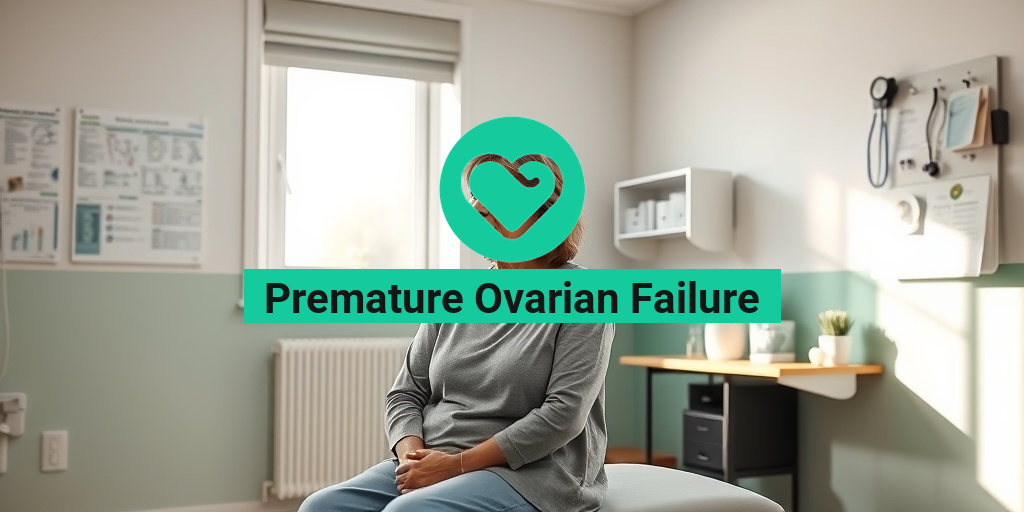
What Is Premature Ovarian Failure?
Premature Ovarian Failure (POF), also known as primary ovarian insufficiency, is a condition characterized by the loss of normal ovarian function before the age of 40. This means that the ovaries stop producing eggs and hormones like estrogen, leading to various health implications. While it is often confused with early menopause, POF can occur in women who still have some ovarian function, making it a unique and complex condition.
Understanding the definition of premature ovarian failure is crucial for those affected, as it can impact fertility, bone health, and overall well-being. Women with POF may experience a range of symptoms and may require different treatment approaches compared to those experiencing natural menopause.
Causes of Premature Ovarian Failure
The exact cause of POF is often unknown, but several factors can contribute to its development:
- Genetic Factors: Certain genetic conditions, such as Turner syndrome or Fragile X syndrome, can lead to premature ovarian failure.
- Autoimmune Disorders: In some cases, the body’s immune system mistakenly attacks the ovarian tissue, leading to failure.
- Environmental Factors: Exposure to certain toxins, chemotherapy, or radiation can damage the ovaries.
- Infections: Some viral infections may also play a role in ovarian function.
Understanding these causes can help in the diagnosis and management of POF, allowing healthcare providers to tailor treatment plans effectively.
Symptoms of Premature Ovarian Failure
Recognizing the symptoms of premature ovarian failure is essential for early diagnosis and intervention. Women with POF may experience a variety of symptoms, which can vary in intensity and duration. Here are some common signs to watch for:
Menstrual Irregularities
One of the most noticeable symptoms of POF is irregular or absent menstrual periods. Women may experience:
- Skipped periods
- Shortened menstrual cycles
- Heavy or light bleeding
Hot Flashes and Night Sweats
Similar to menopause, women with POF may experience hot flashes and night sweats due to decreased estrogen levels. These symptoms can be uncomfortable and disruptive to daily life.
Emotional Changes
Hormonal changes can also lead to emotional symptoms such as:
- Depression
- Anxiety
- Irritability
These emotional fluctuations can significantly impact a woman’s quality of life, making it essential to seek support.
Infertility
For many women, one of the most challenging aspects of premature ovarian failure is the impact on fertility. Women may find it difficult to conceive naturally due to the lack of egg production. However, it’s important to note that some women with POF may still have occasional ovulation and the possibility of pregnancy, making it crucial to consult with a fertility specialist.
Other Physical Symptoms
In addition to the symptoms mentioned above, women with POF may also experience:
- Vaginal dryness
- Decreased libido
- Fatigue
- Bone density loss, increasing the risk of osteoporosis
If you are experiencing any of these symptoms, it’s important to consult with a healthcare provider for a proper diagnosis and treatment plan. Resources like Yesil Health AI (yesilhealth.com) can provide valuable, evidence-based information to help you understand your health better.
In conclusion, premature ovarian failure is a complex condition that can significantly affect a woman’s life. By recognizing the symptoms and understanding the underlying causes, women can take proactive steps toward managing their health and well-being. If you suspect you may be experiencing POF, don’t hesitate to reach out to a healthcare professional for guidance and support. 🌸

Causes and Risk Factors
Understanding the causes and risk factors associated with premature ovarian failure (POF) is crucial for early detection and management. POF occurs when the ovaries stop functioning before the age of 40, leading to decreased estrogen production and infertility. Here, we’ll explore the various factors that can contribute to this condition.
Genetic Factors
Genetics play a significant role in the development of POF. Certain genetic conditions, such as Turner syndrome and Fragile X syndrome, can lead to ovarian dysfunction. Women with a family history of early menopause or ovarian failure may also be at a higher risk.
Autoimmune Disorders
Autoimmune diseases occur when the body’s immune system mistakenly attacks its own tissues. Conditions like Hashimoto’s thyroiditis and lupus have been linked to POF. In these cases, the immune system may target ovarian cells, leading to their premature failure.
Environmental Factors
Exposure to certain environmental toxins can also increase the risk of developing POF. Chemicals such as pesticides, heavy metals, and radiation can adversely affect ovarian function. Women who work in industries with high exposure to these substances should be particularly cautious.
Medical Treatments
Certain medical treatments, especially those involving chemotherapy or radiation for cancer, can damage the ovaries and lead to premature ovarian failure. It’s essential for women undergoing such treatments to discuss potential risks with their healthcare providers.
Lifestyle Factors
Several lifestyle choices can influence ovarian health. Factors such as smoking, excessive alcohol consumption, and poor diet may contribute to the risk of POF. Maintaining a healthy lifestyle can help mitigate some of these risks.
Age and Hormonal Changes
While POF can occur at any age, it is more common in women in their late 30s and early 40s. Hormonal changes that accompany aging can lead to a decline in ovarian function, making it essential for women to be aware of their reproductive health as they age.
Diagnosis of Premature Ovarian Failure
Diagnosing premature ovarian failure involves a combination of medical history, physical examinations, and laboratory tests. Early diagnosis is vital for effective management and treatment options.
Medical History and Symptoms
The first step in diagnosing POF is a thorough medical history. Healthcare providers will ask about menstrual cycles, family history of ovarian issues, and any symptoms experienced. Common symptoms of POF include:
- Irregular or absent menstrual periods
- Hot flashes
- Night sweats
- Vaginal dryness
- Difficulty concentrating
Hormonal Testing
Blood tests are crucial for diagnosing POF. These tests typically measure levels of hormones such as:
- Follicle-stimulating hormone (FSH): Elevated levels can indicate ovarian failure.
- Luteinizing hormone (LH): Similar to FSH, high levels suggest that the ovaries are not functioning properly.
- Estradiol: Low levels of this estrogen hormone can also point to POF.
Genetic Testing
If there is a suspicion of genetic causes, healthcare providers may recommend genetic testing. This can help identify conditions like Turner syndrome or Fragile X syndrome, which are associated with premature ovarian failure.
Imaging Tests
In some cases, imaging tests such as ultrasound may be used to assess the ovaries’ condition. These tests can help visualize any structural abnormalities that may contribute to ovarian dysfunction.
In conclusion, understanding the causes and diagnosis of premature ovarian failure is essential for women facing this condition. Early detection can lead to better management strategies and improved quality of life. If you suspect you may be experiencing symptoms of POF, consult with a healthcare professional for a comprehensive evaluation. 🌸

Impact on Fertility
Premature Ovarian Failure (POF), also known as primary ovarian insufficiency, is a condition that significantly affects a woman’s fertility. It occurs when the ovaries stop functioning properly before the age of 40, leading to a decrease in hormone production and the cessation of regular menstrual cycles. Understanding the impact of POF on fertility is crucial for women facing this diagnosis.
Understanding Premature Ovarian Failure
To grasp the implications of POF on fertility, it’s essential to first understand what this condition entails. Premature Ovarian Failure is characterized by the loss of normal ovarian function, which can lead to:
- Irregular or absent menstrual periods: Women may experience changes in their menstrual cycle, including missed periods.
- Reduced estrogen levels: This can lead to symptoms such as hot flashes, night sweats, and vaginal dryness.
- Infertility: The most significant impact of POF is on a woman’s ability to conceive, as the ovaries may not release eggs regularly.
Fertility Challenges
Women with premature ovarian failure often face unique challenges when it comes to fertility. The primary issue is the reduced number of viable eggs available for fertilization. Unlike women who experience natural menopause, those with POF may still have occasional ovulation, but the chances of conceiving naturally are significantly diminished.
Additionally, the emotional toll of dealing with infertility can be profound. Many women may feel a sense of loss or grief over their inability to conceive, which can impact their mental health and relationships. It’s important for women facing POF to seek support from healthcare professionals and support groups to navigate these emotional challenges.
Treatment Options Available
While premature ovarian failure can pose significant challenges to fertility, there are various treatment options available that can help women achieve their family planning goals. Understanding these options is vital for making informed decisions about reproductive health.
Hormone Replacement Therapy (HRT)
One of the most common treatments for POF is hormone replacement therapy. HRT can help alleviate symptoms associated with low estrogen levels, such as hot flashes and vaginal dryness. Additionally, it can help maintain bone density and reduce the risk of osteoporosis. However, HRT does not restore ovarian function or fertility.
Fertility Treatments
For women looking to conceive, several fertility treatments may be considered:
- In Vitro Fertilization (IVF): This is a common option for women with POF. IVF involves retrieving eggs from the ovaries (if available) and fertilizing them in a lab before transferring the embryos to the uterus.
- Donor Eggs: Many women with POF choose to use donor eggs from a younger woman. This option can significantly increase the chances of a successful pregnancy.
- Embryo Adoption: Another alternative is adopting embryos that have been created through IVF by other couples. This can provide a pathway to pregnancy for women with POF.
Emotional and Psychological Support
Dealing with premature ovarian failure and its impact on fertility can be emotionally challenging. Seeking psychological support through counseling or support groups can be beneficial. Connecting with others who are experiencing similar challenges can provide comfort and understanding.
In conclusion, while premature ovarian failure presents significant challenges to fertility, various treatment options are available. Women facing this diagnosis should consult with healthcare providers to explore the best options for their individual circumstances and emotional well-being. 🌸

Lifestyle Changes and Management
Managing Premature Ovarian Failure (POF) involves more than just medical treatment; it also requires significant lifestyle adjustments. These changes can help alleviate symptoms, improve overall health, and enhance quality of life. Here are some effective strategies to consider:
Nutrition and Diet
A balanced diet plays a crucial role in managing POF. Focus on incorporating nutrient-dense foods that support hormonal balance and overall well-being. Here are some dietary tips:
- Increase Omega-3 Fatty Acids: Foods like salmon, walnuts, and flaxseeds can help reduce inflammation and support hormonal health.
- Prioritize Whole Foods: Opt for whole grains, fruits, and vegetables to provide essential vitamins and minerals.
- Limit Processed Foods: Reducing sugar and refined carbohydrates can help manage weight and improve energy levels.
Regular Exercise
Physical activity is vital for managing symptoms associated with premature ovarian failure. Regular exercise can help:
- Boost Mood: Exercise releases endorphins, which can help combat feelings of depression and anxiety.
- Maintain Healthy Weight: Staying active can help manage weight, which is important as hormonal changes can lead to weight gain.
- Improve Bone Health: Weight-bearing exercises, such as walking or strength training, can help maintain bone density.
Stress Management
Stress can exacerbate symptoms of POF, making stress management techniques essential. Consider incorporating the following practices into your daily routine:
- Meditation and Mindfulness: These practices can help reduce anxiety and improve emotional well-being.
- Yoga: Gentle yoga can enhance flexibility, reduce stress, and promote relaxation.
- Deep Breathing Exercises: Simple breathing techniques can help calm the mind and body.
Regular Medical Check-ups
Staying on top of your health is crucial when dealing with premature ovarian failure. Regular check-ups with your healthcare provider can help monitor your condition and adjust treatments as necessary. Discuss any new symptoms or concerns during these visits to ensure comprehensive care.
Emotional and Psychological Support
Living with premature ovarian failure can be emotionally challenging. It’s essential to seek emotional and psychological support to navigate the complexities of this condition. Here are some avenues to explore:
Therapy and Counseling
Engaging with a mental health professional can provide a safe space to express feelings and cope with the emotional impact of POF. Therapy options include:
- Individual Therapy: One-on-one sessions can help address personal challenges and develop coping strategies.
- Group Therapy: Connecting with others facing similar challenges can foster a sense of community and shared understanding.
Support Groups
Joining a support group can be incredibly beneficial. These groups offer a platform to share experiences, gain insights, and receive encouragement from others who understand what you’re going through. Look for local or online support groups focused on premature ovarian failure or related conditions.
Open Communication with Loved Ones
Maintaining open lines of communication with family and friends is vital. Sharing your feelings and experiences can help them understand your situation better and provide the support you need. Consider:
- Educating Your Loved Ones: Help them understand POF and its implications on your life.
- Expressing Your Needs: Be clear about what kind of support you need, whether it’s emotional, practical, or simply someone to listen.
Self-Care Practices
Prioritizing self-care is essential for emotional well-being. Engage in activities that bring you joy and relaxation, such as:
- Reading: Dive into a good book to escape and unwind.
- Creative Outlets: Explore hobbies like painting, writing, or crafting to express yourself.
- Nature Walks: Spending time outdoors can boost your mood and provide a sense of peace.
By implementing these lifestyle changes and seeking emotional support, individuals dealing with premature ovarian failure can enhance their quality of life and navigate their journey with greater resilience. 🌼

Frequently Asked Questions about Premature Ovarian Failure
What is Premature Ovarian Failure?
Premature Ovarian Failure (POF) refers to the loss of normal ovarian function before the age of 40. This condition can lead to irregular or absent menstrual periods and may affect fertility.
What are the symptoms of Premature Ovarian Failure?
Common premature ovarian failure symptoms include:
- Irregular or missed periods
- Hot flashes
- Night sweats
- Vaginal dryness
- Difficulty concentrating
- Decreased libido
What causes Premature Ovarian Failure?
The exact premature ovarian failure causes can vary, but some known factors include:
- Genetic factors
- Autoimmune disorders
- Chemotherapy or radiation therapy
- Infections
- Environmental toxins
How is Premature Ovarian Failure diagnosed?
Diagnosis typically involves a combination of medical history, physical examination, and blood tests to check hormone levels, particularly estrogen and follicle-stimulating hormone (FSH).
What treatments are available for Premature Ovarian Failure?
Treatment options for premature ovarian failure treatment may include:
- Hormone replacement therapy (HRT)
- Fertility treatments, such as in vitro fertilization (IVF)
- Supportive therapies for symptoms, like lifestyle changes and medications
What is the ICD-10 code for Premature Ovarian Failure?
The ICD-10 code for premature ovarian failure is N97.0, which is used for medical billing and documentation purposes.
Can women with Premature Ovarian Failure conceive?
While premature ovarian failure can affect fertility, some women may still conceive with the help of assisted reproductive technologies. Success stories vary, and consulting with a fertility specialist is recommended.
What age does Premature Ovarian Failure typically occur?
Premature ovarian failure can occur at any age before 40, but it is most commonly diagnosed in women in their 30s.
Where can I find more information about Premature Ovarian Failure?
For more detailed information, consider consulting healthcare professionals or reputable medical websites that specialize in women’s health and reproductive issues.