What Is Symptomatic Porphyria?
Symptomatic Porphyria is a group of rare metabolic disorders that arise from the body’s inability to produce heme, a crucial component of hemoglobin found in red blood cells. Heme is essential for transporting oxygen throughout the body, and when its production is disrupted, it can lead to a variety of health issues. The term “symptomatic” indicates that the condition manifests with noticeable symptoms, which can vary significantly from person to person.
There are several types of porphyria, but symptomatic porphyria primarily refers to those forms that present with acute symptoms. These symptoms can be triggered by various factors, including certain medications, alcohol consumption, hormonal changes, and dietary factors. Understanding the underlying mechanisms of symptomatic porphyria is vital for effective management and treatment.
Types of Symptomatic Porphyria
Symptomatic porphyria can be classified into several types, each with its unique characteristics:
- Acute Intermittent Porphyria (AIP): The most common form, characterized by severe abdominal pain, neurological symptoms, and psychiatric disturbances.
- Porphyria Cutanea Tarda (PCT): This type primarily affects the skin, leading to blistering and sensitivity to sunlight.
- Hereditary Coproporphyria (HCP): Similar to AIP, but with additional skin symptoms.
- Variegate Porphyria (VP): A combination of acute and skin symptoms, often triggered by stress or certain medications.
Each type of symptomatic porphyria has its own set of triggers and symptoms, making it essential for individuals to work closely with healthcare providers for accurate diagnosis and management.
Symptoms of Symptomatic Porphyria
The symptoms of symptomatic porphyria can be quite diverse and may vary based on the specific type of porphyria a person has. However, there are some common symptoms that many individuals experience. Recognizing these symptoms early can lead to timely intervention and better management of the condition.
Common Symptoms
- Abdominal Pain: Often severe and cramp-like, abdominal pain is one of the hallmark symptoms of acute porphyrias.
- Nausea and Vomiting: Many individuals report gastrointestinal disturbances, including nausea and vomiting, especially during acute attacks.
- Neurological Symptoms: These can include confusion, seizures, and peripheral neuropathy, which may manifest as tingling or numbness in the extremities.
- Skin Issues: In types like Porphyria Cutanea Tarda, symptoms may include blistering, itching, and increased sensitivity to sunlight.
- Psychiatric Symptoms: Anxiety, depression, and hallucinations can occur, particularly during acute episodes.
Triggers of Symptoms
Understanding what triggers symptoms is crucial for individuals with symptomatic porphyria. Common triggers include:
- Medications: Certain drugs, especially those that induce liver enzymes, can precipitate an attack.
- Alcohol: Consumption of alcohol can exacerbate symptoms and should be avoided.
- Hormonal Changes: Menstrual cycles and hormonal therapies can trigger symptoms in some women.
- Dietary Factors: Low carbohydrate intake or fasting can lead to increased symptoms.
By identifying and avoiding these triggers, individuals can better manage their condition and reduce the frequency and severity of attacks.
Seeking Help and Resources
If you suspect that you or someone you know may be experiencing symptoms of symptomatic porphyria, it is essential to seek medical advice promptly. A healthcare provider can perform the necessary tests to diagnose the condition accurately and recommend appropriate treatment options.
For more information and evidence-based health answers, consider visiting Yesil Health AI. This resource can provide valuable insights into managing health conditions, including symptomatic porphyria.
In conclusion, understanding symptomatic porphyria is crucial for effective management and improving quality of life. By recognizing symptoms, avoiding triggers, and seeking appropriate medical care, individuals can navigate this complex condition with greater confidence. 🌟

Types of Porphyria
Porphyria is a group of rare, inherited disorders that affect the body’s ability to produce heme, an essential component of hemoglobin. There are several types of porphyria, each with its own unique symptoms and triggers. Understanding these types is crucial for effective diagnosis and management. Below, we explore the main types of porphyria, focusing on their characteristics and how they manifest in individuals.
1. Acute Intermittent Porphyria (AIP)
Acute Intermittent Porphyria is one of the most common forms of porphyria. It is characterized by sudden and severe abdominal pain, neurological symptoms, and psychiatric disturbances. Symptoms often appear in episodes, which can be triggered by factors such as:
- Hormonal changes (e.g., menstruation)
- Stress
- Certain medications
- Dietary changes
Individuals with AIP may also experience muscle weakness, seizures, and confusion during acute attacks. Early diagnosis and management are essential to prevent complications.
2. Porphyria Cutanea Tarda (PCT)
PCT is the most common type of porphyria and primarily affects the skin. It is characterized by blistering and fragility of the skin, particularly in areas exposed to sunlight. Other symptoms include:
- Hyperpigmentation
- Scarring
- Excess hair growth (hypertrichosis)
PCT can be triggered by factors such as alcohol consumption, liver disease, and certain medications. Management often involves avoiding triggers and may include treatments like phlebotomy or medications to reduce porphyrin levels.
3. Erythropoietic Protoporphyria (EPP)
Erythropoietic Protoporphyria is a rare form of porphyria that primarily affects the skin and is characterized by painful reactions to sunlight. Symptoms typically include:
- Burning or stinging sensations on sun-exposed skin
- Redness and swelling
- Skin lesions
Unlike PCT, EPP does not cause blistering but can lead to significant discomfort and skin damage. Individuals with EPP may need to take precautions to avoid sun exposure and may benefit from treatments that help manage symptoms.
4. Hereditary Coproporphyria (HCP)
Hereditary Coproporphyria is another type of acute porphyria that can cause both neurological and skin symptoms. Individuals may experience:
- Abdominal pain
- Nausea and vomiting
- Skin sensitivity to sunlight
HCP can be triggered by similar factors as AIP, including certain medications and hormonal changes. Prompt recognition and treatment are vital to manage acute attacks effectively.
5. Variegate Porphyria (VP)
Variegate Porphyria is characterized by both acute attacks and skin symptoms. It can lead to:
- Severe abdominal pain
- Neurological symptoms
- Skin lesions similar to those seen in PCT
VP can be triggered by factors such as fasting, stress, and certain medications. Management often involves avoiding triggers and may include treatments to alleviate symptoms.
Causes and Risk Factors
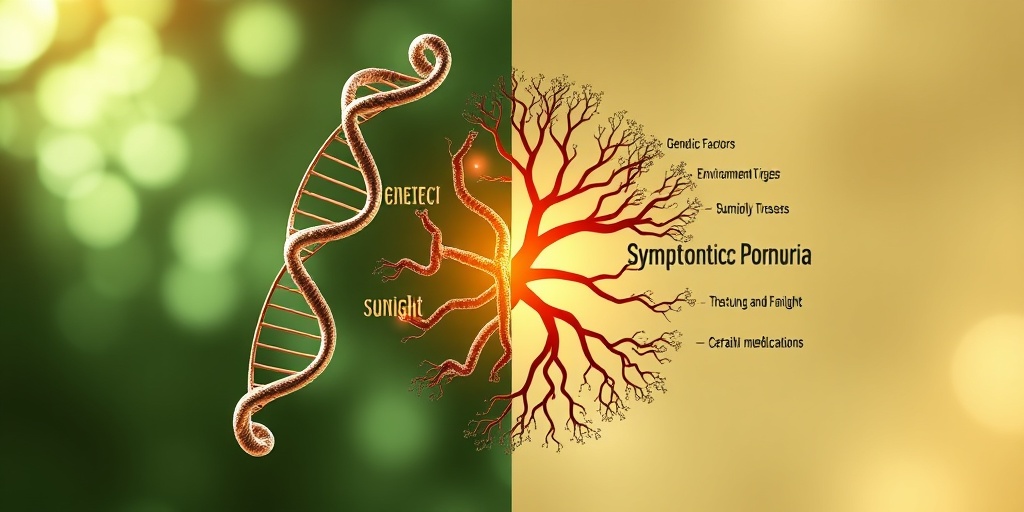
The causes of symptomatic porphyria are primarily genetic, as most types are inherited in an autosomal dominant manner. This means that a single copy of the mutated gene from one parent can cause the disorder. However, environmental factors can also play a significant role in triggering symptoms. Let’s delve into the causes and risk factors associated with symptomatic porphyria.
Genetic Causes
Porphyrias are caused by mutations in genes responsible for the production of heme. These mutations can lead to a deficiency in specific enzymes involved in the heme biosynthesis pathway. The severity of symptoms can vary widely, even among family members with the same genetic mutation. Some key points include:
- Mutations can occur in various genes, leading to different types of porphyria.
- Family history plays a crucial role; having a parent with porphyria increases the risk of developing the condition.
Environmental Triggers
While genetic factors are significant, certain environmental triggers can precipitate symptoms in individuals predisposed to porphyria. Common triggers include:
- Medications: Certain drugs, such as barbiturates and sulfonamides, can trigger acute attacks.
- Dietary Factors: Fasting or drastic changes in diet can lead to symptoms.
- Hormonal Changes: Fluctuations in hormones, particularly in women, can trigger episodes.
- Alcohol Consumption: Excessive alcohol intake can exacerbate symptoms, particularly in PCT.
- Stress: Physical or emotional stress can trigger acute attacks in susceptible individuals.
Understanding the causes and risk factors associated with symptomatic porphyria is essential for effective management and prevention of acute episodes. By recognizing triggers and seeking appropriate medical advice, individuals can lead healthier lives while managing their condition. 🌟
Diagnosis of Symptomatic Porphyria
Diagnosing symptomatic porphyria can be a complex process, as the symptoms often mimic those of other medical conditions. This group of disorders is characterized by an abnormal accumulation of porphyrins or porphyrin precursors, which can lead to a variety of symptoms. Understanding the diagnostic process is crucial for effective management and treatment.
Understanding Symptoms
The first step in diagnosing symptomatic porphyria is recognizing the symptoms. Common symptoms include:
- Abdominal pain: Often severe and can be accompanied by nausea and vomiting.
- Neurological symptoms: These may include confusion, seizures, and peripheral neuropathy.
- Skin issues: Photosensitivity can lead to blistering and scarring, particularly on sun-exposed areas.
- Psychiatric symptoms: Anxiety, depression, and hallucinations can also occur.
Laboratory Tests
Once symptoms are noted, healthcare providers will typically order a series of laboratory tests to confirm the diagnosis. These tests may include:
- Urine tests: A 24-hour urine collection can help detect elevated levels of porphyrins or their precursors.
- Blood tests: These can identify abnormalities in porphyrin levels and liver function.
- Stool tests: In some cases, stool samples may be analyzed for porphyrins.
Genetic Testing
In certain cases, genetic testing may be recommended to identify specific mutations associated with porphyria. This is particularly useful for family planning and understanding the hereditary nature of the condition. Genetic counseling can also provide valuable insights for affected individuals and their families.
Consultation with Specialists
Given the complexity of symptomatic porphyria, consultation with specialists such as hematologists, dermatologists, or neurologists may be necessary. These experts can provide a comprehensive evaluation and help tailor a management plan that addresses the unique needs of the patient.
Treatment Options
Managing symptomatic porphyria involves a multifaceted approach, focusing on alleviating symptoms and preventing complications. Treatment options vary depending on the type of porphyria and the severity of symptoms.
Avoiding Triggers
One of the most effective strategies in managing symptomatic porphyria is to avoid known triggers. Common triggers include:
- Medications: Certain drugs can exacerbate symptoms, so it’s essential to consult with a healthcare provider before starting any new medication.
- Alcohol: Consumption can worsen symptoms and should be limited or avoided.
- Sun exposure: For those with cutaneous porphyrias, protecting the skin from sunlight is crucial.
Medications
Several medications can help manage symptoms of symptomatic porphyria:
- Intravenous heme: This treatment can help reduce the production of porphyrins and alleviate symptoms during acute attacks.
- Glucose: Administering glucose can help suppress the production of porphyrins in some cases.
- Pain management: Analgesics may be prescribed to manage severe abdominal pain and other discomforts.
Supportive Therapies
In addition to medications, supportive therapies can play a significant role in managing symptomatic porphyria:
- Psychological support: Counseling or therapy can help address the mental health aspects of living with a chronic condition.
- Dietary modifications: A balanced diet rich in carbohydrates may help reduce the frequency of attacks.
- Physical therapy: This can assist in managing neurological symptoms and improving overall quality of life.
Regular Monitoring
Ongoing monitoring is essential for individuals with symptomatic porphyria. Regular check-ups with healthcare providers can help track the condition’s progression and adjust treatment plans as necessary. This proactive approach can significantly enhance the quality of life for those affected by this complex disorder.

Living with Symptomatic Porphyria
Living with symptomatic porphyria can be a challenging journey, as this group of disorders affects the production of heme, a vital component of hemoglobin. Individuals with symptomatic porphyria often experience a range of symptoms that can significantly impact their daily lives. Understanding these symptoms and how to manage them is crucial for improving quality of life.
Understanding the Symptoms
Symptoms of symptomatic porphyria can vary widely among individuals, but they typically include:
- Abdominal pain: This is often severe and can be accompanied by nausea and vomiting.
- Neurological issues: These may include confusion, seizures, and muscle weakness.
- Skin problems: Some forms of porphyria can cause photosensitivity, leading to skin rashes and blisters when exposed to sunlight.
- Psychological symptoms: Anxiety, depression, and hallucinations can also occur.
Recognizing these symptoms early can help in seeking appropriate medical care and managing the condition effectively. It’s essential for individuals to maintain open communication with their healthcare providers to tailor a management plan that suits their specific needs.
Daily Life Adjustments
Living with symptomatic porphyria often requires making adjustments in daily life. Here are some strategies that can help:
- Dietary changes: Some individuals find that certain foods can trigger symptoms. Keeping a food diary can help identify these triggers.
- Sun protection: For those with photosensitivity, wearing protective clothing and using sunscreen can minimize skin reactions.
- Stress management: Stress can exacerbate symptoms, so incorporating relaxation techniques such as yoga or meditation can be beneficial.
- Regular medical check-ups: Staying in touch with healthcare providers ensures that any changes in symptoms are monitored and managed promptly.
Preventive Measures and Management
Preventive measures play a crucial role in managing symptomatic porphyria. By understanding the condition and implementing effective strategies, individuals can reduce the frequency and severity of symptoms.
Identifying Triggers
One of the most effective ways to manage symptomatic porphyria is by identifying and avoiding triggers. Common triggers include:
- Certain medications: Some drugs can provoke porphyria attacks. Always consult with a healthcare provider before starting any new medication.
- Alcohol consumption: Alcohol can exacerbate symptoms and should be avoided.
- Hormonal changes: For some women, menstrual cycles can trigger symptoms. Keeping track of these patterns can help in planning accordingly.
Medical Management
Medical management of symptomatic porphyria often involves a combination of treatments tailored to the individual’s needs. Options may include:
- Intravenous heme therapy: This can help reduce the frequency of attacks in some patients.
- Pain management: Medications may be prescribed to help manage severe abdominal pain.
- Supportive care: This includes hydration and electrolyte management during acute attacks.
Support Systems
Living with symptomatic porphyria can be isolating, but support systems can make a significant difference. Consider the following:
- Support groups: Connecting with others who understand the condition can provide emotional support and practical advice.
- Educational resources: Learning more about porphyria can empower individuals to manage their condition effectively.
- Family involvement: Educating family members about the condition can foster a supportive home environment.
By implementing these preventive measures and management strategies, individuals with symptomatic porphyria can lead fulfilling lives while minimizing the impact of their condition. Remember, every person’s experience with porphyria is unique, and finding the right balance of management techniques is key to living well. 🌟

Frequently Asked Questions about Symptomatic Porphyria
What is Symptomatic Porphyria?
Symptomatic Porphyria refers to a group of disorders caused by the accumulation of porphyrins or porphyrin precursors in the body. These substances are essential for the production of heme, a component of hemoglobin. When the body cannot process these compounds properly, it can lead to various symptoms and health issues.
What are the common symptoms of Symptomatic Porphyria?
- Abdominal pain
- Nausea and vomiting
- Neurological symptoms such as seizures
- Skin sensitivity to sunlight
- Changes in urine color
How is Symptomatic Porphyria diagnosed?
Diagnosis typically involves a combination of medical history, physical examination, and laboratory tests. Doctors may analyze urine, blood, and stool samples to check for elevated levels of porphyrins or their precursors.
What treatments are available for Symptomatic Porphyria?
Treatment options vary depending on the specific type of porphyria and the severity of symptoms. Common approaches include:
- Avoiding triggers such as certain medications and alcohol
- Intravenous heme therapy
- Pain management strategies
- Supportive care for neurological symptoms
Can lifestyle changes help manage Symptomatic Porphyria?
Yes! Making certain lifestyle adjustments can significantly help manage symptoms. These may include:
- Staying hydrated
- Avoiding sun exposure
- Maintaining a balanced diet
- Managing stress levels
Is Symptomatic Porphyria hereditary?
Some forms of Symptomatic Porphyria are inherited, meaning they can run in families. Genetic counseling may be beneficial for individuals with a family history of porphyria.
Where can I find support for living with Symptomatic Porphyria?
Support groups and online communities can provide valuable resources and emotional support for those affected by Symptomatic Porphyria. Organizations dedicated to rare diseases often have forums and information tailored to patients and their families. 🌐
Are there any ongoing research efforts related to Symptomatic Porphyria?
Yes, ongoing research is focused on understanding the underlying mechanisms of Symptomatic Porphyria, improving diagnostic methods, and developing new treatment options. Staying informed about the latest research can be beneficial for patients and caregivers.