What Is Alopecia Celsi?
Alopecia Celsi, often referred to in various contexts as alopecia celsius or alopecia areata celsius, is a specific type of hair loss that can be both perplexing and distressing for those affected. This condition is characterized by the sudden loss of hair in patches, which can occur on the scalp or other areas of the body. Unlike other forms of alopecia, such as alopecia totalis or alopecia universalis, which involve more extensive hair loss, Alopecia Celsi typically presents with localized bald spots.
The exact cause of Alopecia Celsi remains unclear, but it is believed to be an autoimmune disorder. In this condition, the body’s immune system mistakenly attacks hair follicles, leading to hair loss. Factors such as genetics, stress, and environmental triggers may also play a role in its onset.
Understanding the Types of Alopecia
Alopecia is a broad term that encompasses various forms of hair loss. Here are some common types:
- Alopecia Areata: Characterized by patchy hair loss, it can progress to more severe forms.
- Alopecia Totalis: Involves complete loss of hair on the scalp.
- Alopecia Universalis: The most severe form, resulting in total body hair loss.
- Alopecia Celsi: A localized form that may not progress to total hair loss.
Understanding these distinctions is crucial for effective management and treatment. If you suspect you have Alopecia Celsi, consulting a healthcare professional is essential for an accurate diagnosis and tailored treatment plan.
Alopecia Celsi Symptoms
The symptoms of Alopecia Celsi can vary from person to person, but there are some common signs to look out for. Recognizing these symptoms early can help in seeking timely treatment and support.
Common Symptoms of Alopecia Celsi
- Patchy Hair Loss: The most noticeable symptom is the sudden appearance of round or oval bald patches on the scalp or other areas of the body.
- Changes in Hair Texture: In some cases, the hair in the affected areas may become finer or change in texture before falling out.
- Itching or Tingling: Some individuals report sensations of itching or tingling in the areas where hair loss occurs.
- Hair Regrowth: In many cases, hair may regrow in the bald patches, but it can also fall out again, leading to a cycle of hair loss and regrowth.
Psychological Impact
The psychological effects of Alopecia Celsi can be significant. Many individuals experience feelings of self-consciousness, anxiety, or depression due to their appearance. It’s important to address these emotional aspects alongside the physical symptoms. Support groups and counseling can be beneficial for those struggling with the emotional toll of hair loss.
When to Seek Help
If you notice any of the symptoms associated with Alopecia Celsi, it’s advisable to consult a healthcare professional. They can provide a comprehensive evaluation and discuss potential treatment options. Early intervention can make a significant difference in managing the condition.
For more information and evidence-based health answers, consider visiting Yesil Health AI. They offer valuable resources that can help you understand your condition better and explore treatment options.
In conclusion, while Alopecia Celsi can be a challenging condition to navigate, understanding its symptoms and seeking appropriate help can empower individuals to manage their hair loss effectively. Remember, you are not alone in this journey! 🌟
Alopecia Celsi Causes
Alopecia Celsi, often confused with other forms of hair loss, is a specific type of alopecia that can lead to significant emotional and psychological distress. Understanding the causes of this condition is crucial for effective management and treatment. Here, we delve into the primary causes of Alopecia Celsi.
Genetic Predisposition
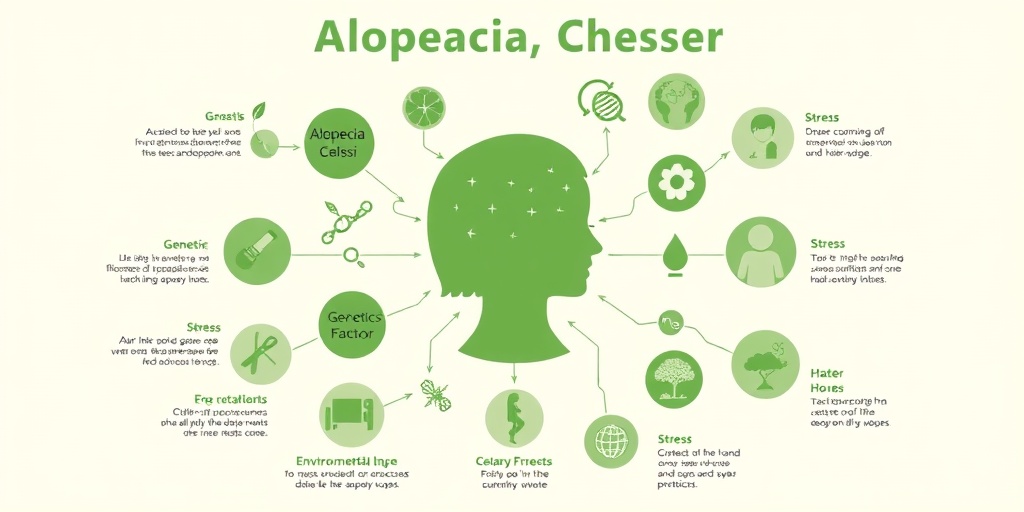
One of the most significant factors contributing to Alopecia Celsi is genetic predisposition. If you have a family history of hair loss or autoimmune disorders, you may be at a higher risk. Genetic factors can influence how your body responds to various triggers, leading to hair loss.
Autoimmune Response
Alopecia Celsi is often classified as an autoimmune disorder. In this condition, the immune system mistakenly attacks hair follicles, leading to hair loss. This response can be triggered by various factors, including stress, illness, or environmental changes.
Hormonal Changes
Hormonal fluctuations can also play a significant role in the development of Alopecia Celsi. Conditions such as pregnancy, menopause, or thyroid disorders can lead to changes in hormone levels, which may trigger hair loss. Understanding these hormonal influences can help in managing the condition effectively.
Environmental Factors
Environmental factors, including exposure to toxins, pollutants, and certain chemicals, can contribute to the onset of Alopecia Celsi. Prolonged exposure to harsh hair products or environmental stressors can damage hair follicles, leading to hair loss.
Stress and Psychological Factors
Stress is a well-known trigger for various health conditions, including hair loss. Emotional or physical stress can exacerbate the autoimmune response, leading to increased hair shedding. It’s essential to manage stress through relaxation techniques, therapy, or lifestyle changes to mitigate its impact on hair health.
Alopecia Celsi Risk Factors
Understanding the risk factors associated with Alopecia Celsi can help individuals identify their susceptibility to this condition. While anyone can develop Alopecia Celsi, certain factors may increase the likelihood of experiencing hair loss.
Family History
A strong family history of hair loss or autoimmune diseases can significantly increase your risk of developing Alopecia Celsi. If relatives have experienced similar conditions, it may be wise to monitor your hair health closely.
Age and Gender
Alopecia Celsi can affect individuals of any age, but it is more commonly observed in adults. Additionally, studies suggest that women may be more prone to this condition than men, particularly during hormonal changes such as pregnancy or menopause.
Existing Health Conditions
Individuals with pre-existing health conditions, particularly autoimmune disorders like lupus or thyroid disease, may have a higher risk of developing Alopecia Celsi. These conditions can compromise the immune system, making it more likely to attack hair follicles.
Stress Levels
As mentioned earlier, high levels of stress can trigger or worsen Alopecia Celsi. Individuals who experience chronic stress or have undergone significant life changes may find themselves at a greater risk for hair loss.
Hair Care Practices
Improper hair care practices can also contribute to the risk of Alopecia Celsi. Frequent use of harsh chemicals, excessive heat styling, or tight hairstyles can damage hair follicles and lead to hair loss. It’s essential to adopt gentle hair care routines to minimize this risk.
Environmental Exposures
Exposure to environmental toxins, such as heavy metals or chemicals found in certain hair products, can increase the risk of developing Alopecia Celsi. Being mindful of the products you use and the environments you frequent can help protect your hair health.
In conclusion, understanding the causes and risk factors associated with Alopecia Celsi is vital for effective management and treatment. By recognizing these elements, individuals can take proactive steps to maintain their hair health and seek appropriate care when necessary. 🌱✨
Alopecia Celsi Diagnosis
Alopecia Celsi, often confused with other forms of hair loss, is a specific type of alopecia that can be challenging to diagnose. Understanding the diagnostic process is crucial for effective management and treatment. Here’s what you need to know about diagnosing this condition.
Understanding the Symptoms
The first step in diagnosing Alopecia Celsi is recognizing its symptoms. Common signs include:
- Patchy hair loss: This may appear as small, round patches on the scalp or other areas.
- Changes in hair texture: The hair may become brittle or thin.
- Itching or discomfort: Some individuals may experience irritation in the affected areas.
Consulting a Healthcare Professional
If you suspect you have Alopecia Celsi, it’s essential to consult a healthcare professional, preferably a dermatologist. They will conduct a thorough examination and may ask about your medical history, family history of hair loss, and any recent stressors or illnesses.
Diagnostic Tests
To confirm a diagnosis of Alopecia Celsi, your doctor may recommend several tests, including:
- Scalp examination: A close inspection of the scalp can reveal patterns of hair loss.
- Pull test: This involves gently pulling on a few strands of hair to see how many come out, helping to assess the severity of hair loss.
- Biopsy: In some cases, a small sample of the scalp may be taken to examine the hair follicles under a microscope.
Distinguishing from Other Types of Alopecia
Alopecia Celsi can sometimes be mistaken for other forms of alopecia, such as alopecia areata or alopecia totalis. It’s important for healthcare providers to differentiate between these conditions to provide the most effective treatment. For instance, alopecia areata is characterized by sudden hair loss in patches, while alopecia totalis involves complete loss of hair on the scalp.
Alopecia Celsi Treatment Options
Once diagnosed, exploring treatment options for Alopecia Celsi is the next step. While there is no one-size-fits-all solution, several effective treatments can help manage the condition and promote hair regrowth.
Topical Treatments
Topical treatments are often the first line of defense against Alopecia Celsi. These may include:
- Minoxidil: This over-the-counter medication is applied directly to the scalp and can stimulate hair growth.
- Corticosteroids: These anti-inflammatory medications can be injected into the scalp or applied as a cream to reduce inflammation and promote hair regrowth.
Oral Medications
In more severe cases, oral medications may be prescribed. These can include:
- Immunosuppressants: Drugs like methotrexate can help suppress the immune response that contributes to hair loss.
- Systemic corticosteroids: These may be used for a short period to reduce inflammation and promote hair regrowth.
Alternative Therapies
Some individuals may find relief through alternative therapies, which can complement traditional treatments. These include:
- Essential oils: Oils like rosemary and peppermint may promote hair growth when massaged into the scalp.
- Acupuncture: This traditional Chinese medicine technique may help improve blood circulation to the scalp.
Support and Lifestyle Changes
Living with Alopecia Celsi can be emotionally challenging. Support groups and counseling can provide valuable resources for coping with the psychological aspects of hair loss. Additionally, adopting a healthy lifestyle, including a balanced diet rich in vitamins and minerals, can support overall hair health.
In conclusion, while Alopecia Celsi can be a distressing condition, understanding the diagnosis and exploring treatment options can empower individuals to manage their hair loss effectively. 🌟

Alopecia Celsi Home Remedies
Alopecia Celsi, a lesser-known form of hair loss, can be distressing for those affected. While medical treatments are available, many individuals seek natural remedies to complement their care. Here are some effective home remedies that may help manage the symptoms of Alopecia Celsi.
1. Essential Oils
Essential oils have been used for centuries to promote hair health. Some oils that may be beneficial for Alopecia Celsi include:
- Rosemary Oil: Known for its ability to stimulate hair growth, rosemary oil can improve circulation to the scalp.
- Lavender Oil: This oil not only has a calming scent but also possesses properties that may promote hair growth.
- Peppermint Oil: Its invigorating scent and cooling effect can enhance blood flow to the scalp.
To use these oils, mix a few drops with a carrier oil (like coconut or jojoba oil) and massage it into your scalp. Leave it on for at least 30 minutes before washing it out. 🌿
2. Aloe Vera
Aloe vera is renowned for its soothing properties and can be a great addition to your hair care routine. It helps to hydrate the scalp and may reduce inflammation. Here’s how to use it:
- Apply fresh aloe vera gel directly to the scalp.
- Leave it on for about 30 minutes.
- Rinse with a mild shampoo.
Regular use of aloe vera can help maintain scalp health and potentially promote hair regrowth. 🌱
3. Diet and Nutrition
Your diet plays a crucial role in hair health. Incorporating certain nutrients can support hair growth and overall scalp health. Focus on:
- Protein: Hair is primarily made of protein, so ensure you’re consuming enough through sources like eggs, fish, and legumes.
- Vitamins: Vitamins A, C, D, and E, along with B vitamins, are essential for healthy hair. Consider adding fruits, vegetables, and whole grains to your diet.
- Minerals: Zinc and iron are vital for hair growth. Foods like nuts, seeds, and leafy greens can help.
Staying hydrated is equally important, so drink plenty of water throughout the day! 💧
4. Scalp Massage
Regular scalp massages can improve blood circulation, which may help in hair regrowth. Here’s how to do it:
- Use your fingertips to gently massage your scalp in circular motions.
- Do this for about 5-10 minutes daily.
Not only does this promote circulation, but it can also be a relaxing ritual to incorporate into your routine. 👐
5. Herbal Supplements
Some herbal supplements may support hair health. Always consult with a healthcare provider before starting any new supplement. Some popular options include:
- Ginseng: Believed to promote hair growth and improve scalp health.
- Saw Palmetto: Often used to combat hair loss and may help balance hormones.
These supplements can be found in various forms, including capsules and teas. ☕
Alopecia Celsi Prognosis
The prognosis for individuals with Alopecia Celsi can vary significantly based on several factors, including the severity of the condition and individual response to treatment. Understanding what to expect can help manage the emotional and physical aspects of this condition.
1. Variability of Symptoms
Alopecia Celsi can manifest differently in each person. Some may experience patchy hair loss, while others might notice thinning across the scalp. The extent of hair loss can fluctuate, with periods of regrowth followed by further loss. This variability can make it challenging to predict outcomes.
2. Response to Treatment
Many individuals find that a combination of treatments—both medical and natural—can yield positive results. While some may see significant regrowth, others might experience only partial improvement. Factors influencing treatment success include:
- Age: Younger individuals may respond better to treatments.
- Duration of Hair Loss: The longer the hair has been lost, the more challenging it may be to regrow.
3. Emotional Impact
The emotional toll of Alopecia Celsi should not be underestimated. Many individuals experience feelings of anxiety, depression, or low self-esteem due to their hair loss. Seeking support from friends, family, or support groups can be beneficial. Therapy or counseling may also help in coping with the emotional aspects of this condition.
4. Long-Term Outlook
While Alopecia Celsi can be a chronic condition, many individuals find ways to manage their symptoms effectively. With the right combination of treatments and lifestyle adjustments, it’s possible to achieve a positive outcome. Regular follow-ups with healthcare providers can help monitor progress and adjust treatment plans as needed.
In conclusion, while the journey with Alopecia Celsi may present challenges, understanding home remedies and the prognosis can empower individuals to take control of their hair health. 🌟

Frequently Asked Questions about Alopecia Celsi
What is Alopecia Celsi?
Alopecia Celsi is a specific type of hair loss characterized by patchy areas of baldness. It is often confused with other forms of alopecia, such as alopecia areata, but has its unique features and causes.
What causes Alopecia Celsi?
The exact cause of Alopecia Celsi is not fully understood. However, it is believed to be related to autoimmune responses where the body mistakenly attacks its hair follicles. Other factors may include genetic predisposition, stress, and environmental triggers.
Can Alopecia Celsi lead to other types of alopecia?
While Alopecia Celsi itself is a distinct condition, it can sometimes progress to more severe forms of hair loss, such as alopecia totalis or alopecia universalis. It’s essential to monitor the condition and consult a healthcare professional for guidance.
Is Alopecia Celsi common?
Alopecia in general is relatively common, affecting millions of people worldwide. However, Alopecia Celsi specifically may not be as widely recognized, leading to underreporting and a lack of awareness.
What are the symptoms of Alopecia Celsi?
- Patchy hair loss in specific areas
- Changes in hair texture or color
- Possible itching or discomfort in affected areas
Can stress trigger Alopecia Celsi?
Yes, stress is considered a potential trigger for Alopecia Celsi. Emotional or physical stress can impact the immune system and may lead to hair loss in susceptible individuals.
Is there a cure for Alopecia Celsi?
Currently, there is no definitive cure for Alopecia Celsi. However, various treatments, including topical medications and lifestyle changes, may help manage the condition and promote hair regrowth.
How can I manage Alopecia Celsi?
Management strategies for Alopecia Celsi may include:
- Consulting a dermatologist for personalized treatment options
- Using gentle hair care products
- Practicing stress-reduction techniques, such as yoga or meditation
Is Alopecia Celsi permanent?
The permanence of Alopecia Celsi varies from person to person. Some individuals may experience spontaneous regrowth, while others may have ongoing hair loss. Regular follow-ups with a healthcare provider can help track changes in the condition.
Where can I find support for Alopecia Celsi?
Support groups and online communities can be invaluable for individuals dealing with Alopecia Celsi. Connecting with others who share similar experiences can provide emotional support and practical advice.