
What Is Fine-Needle Aspiration?
Fine-Needle Aspiration (FNA) is a minimally invasive procedure used to obtain a sample of tissue or fluid from a specific area of the body. This technique is particularly valuable in diagnosing various medical conditions, including tumors and cysts. During the procedure, a thin, hollow needle is inserted into the area of interest, allowing a small amount of material to be extracted for analysis. The samples collected can then be examined under a microscope to determine the presence of disease, such as cancer.
How Does Fine-Needle Aspiration Work?
The process of fine-needle aspiration is relatively straightforward and typically involves the following steps:
- Preparation: The patient is usually positioned comfortably, and the area from which the sample will be taken is cleaned to minimize the risk of infection.
- Local Anesthesia: In many cases, a local anesthetic is applied to numb the area, ensuring the patient experiences minimal discomfort during the procedure.
- Needle Insertion: A thin needle is inserted into the targeted area. The physician may use imaging guidance, such as ultrasound, to ensure accurate placement.
- Sample Collection: The physician will then withdraw the needle, collecting a small sample of cells or fluid.
- Post-Procedure Care: After the sample is collected, the needle is removed, and pressure is applied to the site to prevent bleeding. Patients are usually monitored for a short period before being discharged.
Fine-needle aspiration is often preferred due to its minimally invasive nature, which typically results in less pain, quicker recovery times, and fewer complications compared to more invasive surgical biopsies.
Benefits of Fine-Needle Aspiration
There are several advantages to using fine-needle aspiration:
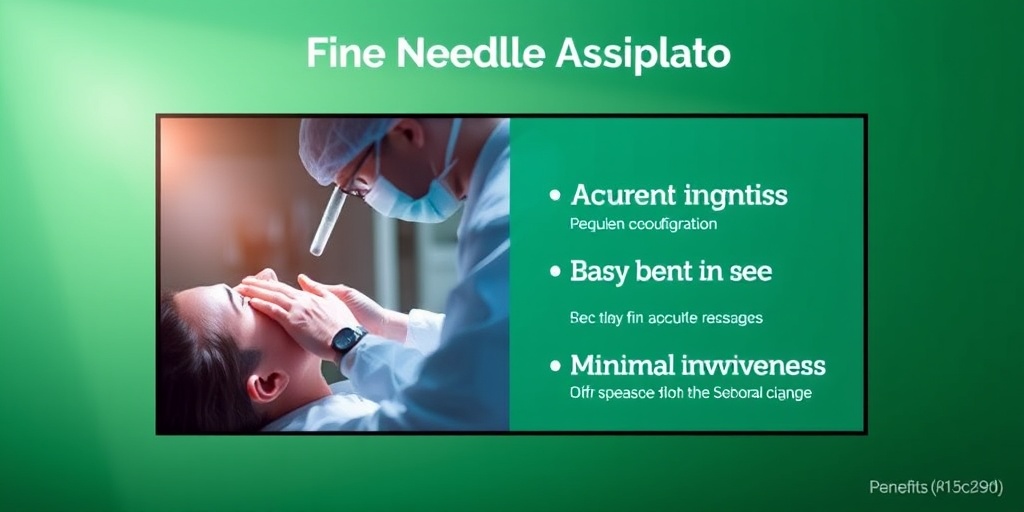
- Quick and Efficient: The procedure can often be completed in a matter of minutes, making it a convenient option for both patients and healthcare providers.
- Minimal Discomfort: With the use of local anesthesia, most patients report only mild discomfort during the procedure.
- Rapid Results: FNA can provide quick diagnostic information, allowing for timely treatment decisions.
- Cost-Effective: Compared to surgical biopsies, FNA is generally less expensive, making it accessible to a broader range of patients.
Indications for Fine-Needle Aspiration
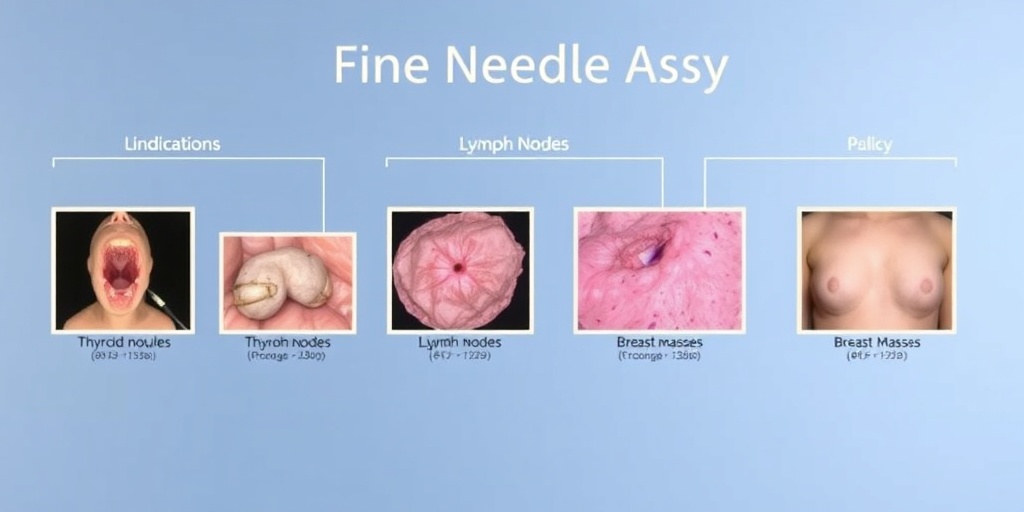
Fine-Needle Aspiration is indicated in various clinical scenarios, primarily when there is a need to investigate suspicious masses or lesions. Here are some common indications:
1. Evaluation of Thyroid Nodules
One of the most common uses of fine-needle aspiration is in the evaluation of thyroid nodules. When a nodule is detected, FNA can help determine whether it is benign or malignant. This is crucial, as it guides further management and treatment options.
2. Breast Masses
Fine-needle aspiration is also frequently used for breast masses. If a lump is found during a physical examination or imaging study, FNA can provide essential information about its nature, helping to rule out or confirm breast cancer.
3. Lymph Node Assessment
In cases where lymph nodes are enlarged, FNA can be employed to assess for potential malignancies or infections. This is particularly important in diagnosing conditions such as lymphoma or metastatic cancer.
4. Cysts and Fluid Collections
FNA can be used to drain cysts or fluid collections, providing symptomatic relief to patients. The fluid can also be analyzed to determine its cause, whether it be infectious, inflammatory, or neoplastic.
5. Tumor Diagnosis
Fine-needle aspiration is a valuable tool in the diagnosis of various tumors, including those in the lungs, liver, and pancreas. By obtaining cellular samples, healthcare providers can make informed decisions regarding treatment options.
In conclusion, fine-needle aspiration is a vital diagnostic tool in modern medicine, offering a minimally invasive approach to obtaining tissue samples. If you’re seeking more information about this procedure or other health-related topics, consider visiting Yesil Health AI for evidence-based answers. 🌟
Fine-Needle Aspiration Procedure
Fine-Needle Aspiration (FNA) is a minimally invasive procedure used to obtain tissue samples from various parts of the body, particularly from lumps or masses. This technique is commonly employed in the diagnosis of conditions affecting the thyroid, breast, lymph nodes, and other organs. Understanding the fine-needle aspiration procedure can help alleviate any concerns you may have if your doctor recommends it.
What to Expect During the Procedure
The fine-needle aspiration biopsy is typically performed in a doctor’s office or an outpatient clinic. Here’s a step-by-step breakdown of what you can expect:
- Preparation: You may be asked to avoid certain medications that can increase bleeding, such as aspirin or blood thinners, prior to the procedure.
- Local Anesthesia: A local anesthetic is usually administered to numb the area where the needle will be inserted, ensuring minimal discomfort.
- Needle Insertion: A thin, hollow needle is inserted into the mass or lump. The doctor may use ultrasound guidance to ensure accurate placement.
- Sample Collection: The doctor will then withdraw a small amount of tissue or fluid through the needle. This process may be repeated several times to collect enough material for analysis.
- Post-Procedure Care: After the procedure, you may experience some bruising or soreness at the site, but these symptoms typically resolve quickly.
Types of Fine-Needle Aspiration
There are different types of fine-needle aspiration, depending on the area being examined:
- Fine-Needle Aspiration Cytology (FNAC): This method is often used for evaluating lumps in the breast or thyroid. It involves examining the cells obtained from the aspirated fluid under a microscope.
- Fine-Needle Aspiration Biopsy (FNAB): Similar to FNAC, this technique focuses on obtaining tissue samples for histological examination, which can provide more detailed information about the cells.
- Ultrasound-Guided FNA: This approach uses ultrasound imaging to guide the needle to the precise location of the mass, enhancing accuracy.
Benefits of Fine-Needle Aspiration
Fine-Needle Aspiration offers several advantages that make it a preferred choice for many healthcare providers and patients alike. Here are some key benefits:
Minimally Invasive
One of the most significant benefits of fine-needle aspiration is that it is a minimally invasive procedure. Unlike traditional surgical biopsies, FNA requires only a small incision or no incision at all, leading to:
- Reduced Recovery Time: Patients can often return to their normal activities shortly after the procedure.
- Less Discomfort: The use of a thin needle and local anesthesia minimizes pain and discomfort.
Quick Results
Fine-Needle Aspiration is known for its efficiency. The procedure itself usually takes only a few minutes, and preliminary results can often be available within a few days. This rapid turnaround can be crucial for:
- Timely Diagnosis: Quick results allow for faster decision-making regarding treatment options.
- Reduced Anxiety: Knowing the results sooner can help alleviate the stress and uncertainty that often accompany medical testing.
High Accuracy
When performed by an experienced healthcare professional, fine-needle aspiration boasts a high degree of accuracy in diagnosing various conditions. The procedure can effectively differentiate between benign and malignant lesions, which is vital for:
- Targeted Treatment: Accurate diagnosis ensures that patients receive the most appropriate treatment for their condition.
- Monitoring Conditions: FNA can be used to monitor changes in known conditions, allowing for timely interventions if necessary.
Cost-Effective
Compared to more invasive surgical procedures, fine-needle aspiration is generally more cost-effective. This affordability makes it accessible to a broader range of patients, ensuring that more individuals can receive necessary diagnostic evaluations without significant financial burden.
In summary, the fine-needle aspiration procedure is a valuable tool in modern medicine, offering numerous benefits such as minimal invasiveness, quick results, high accuracy, and cost-effectiveness. If you have any concerns or questions about this procedure, don’t hesitate to discuss them with your healthcare provider! 😊
Risks and Complications
Fine-Needle Aspiration (FNA) is a minimally invasive procedure used to obtain tissue samples for diagnostic purposes. While it is generally considered safe, like any medical procedure, it carries certain risks and potential complications. Understanding these risks can help patients make informed decisions about their healthcare.
Common Risks Associated with Fine-Needle Aspiration
Some of the most common risks associated with fine-needle aspiration include:
- Bleeding: Minor bleeding at the site of the needle insertion is common. In most cases, this is not serious and resolves on its own.
- Infection: Although rare, there is a risk of infection at the site where the needle was inserted. Proper sterile techniques are employed to minimize this risk.
- Pain or Discomfort: Patients may experience mild pain or discomfort during and after the procedure. This is usually temporary and can be managed with over-the-counter pain relief.
- Hematoma: A hematoma, or localized collection of blood outside of blood vessels, can occur but is typically self-limiting.
Specific Complications Related to Targeted Areas
The risks can vary depending on the area being biopsied. Here are some specific complications associated with fine-needle aspiration of common sites:
- Thyroid: When performing a fine-needle aspiration biopsy of the thyroid, there is a slight risk of damaging surrounding structures, such as the recurrent laryngeal nerve, which can affect voice quality.
- Breast: In the case of fine-needle aspiration biopsy of the breast, there may be a risk of causing a bruise or altering the appearance of the breast tissue.
Factors Influencing Risks
Several factors can influence the risks associated with fine-needle aspiration:
- Patient’s Health: Patients with bleeding disorders or those on anticoagulant medications may face higher risks.
- Experience of the Practitioner: The skill and experience of the healthcare provider performing the procedure can significantly impact the likelihood of complications.
- Location of the Lesion: Lesions located near vital structures may pose a higher risk during aspiration.
Interpreting Fine-Needle Aspiration Results
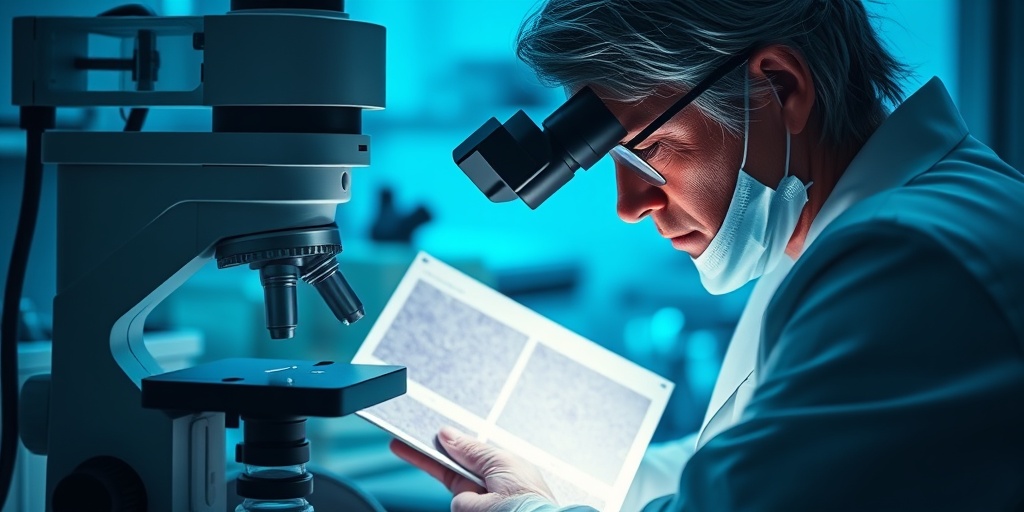
Once the fine-needle aspiration is performed, the next crucial step is interpreting the results. The findings can provide valuable insights into the nature of the tissue sampled, helping guide further management.
Understanding Cytology Reports
The results of a fine-needle aspiration biopsy are typically reported as cytology results. These reports can be categorized into several types:
- Benign: If the cells appear normal and show no signs of malignancy, the result is considered benign. This often means no further intervention is necessary.
- Atypical: Atypical results indicate that the cells do not look normal but are not definitively cancerous. Further testing or monitoring may be recommended.
- Malignant: If cancerous cells are identified, the report will indicate malignancy, prompting further diagnostic procedures or treatment options.
Factors Affecting Interpretation
Interpreting fine-needle aspiration results can be complex and is influenced by several factors:
- Sample Quality: The quality of the sample obtained can significantly affect the accuracy of the results. An inadequate sample may lead to inconclusive findings.
- Pathologist’s Expertise: The experience and expertise of the pathologist interpreting the results play a crucial role in accurate diagnosis.
- Clinical Context: The patient’s medical history, symptoms, and imaging studies are essential for accurate interpretation and should be considered alongside cytology results.
Next Steps After Receiving Results
After receiving the results of a fine-needle aspiration biopsy, patients should discuss the findings with their healthcare provider. Depending on the results, the following steps may be recommended:
- Monitoring: For benign results, regular monitoring may be sufficient.
- Further Testing: Atypical results may necessitate additional imaging or biopsies to clarify the diagnosis.
- Treatment Options: Malignant results will typically lead to discussions about treatment options, which may include surgery, radiation, or chemotherapy.
Understanding the risks and interpreting the results of fine-needle aspiration can empower patients to engage actively in their healthcare journey. Always consult with a healthcare professional for personalized advice and guidance. 🩺
Fine-Needle Aspiration vs. Other Biopsies
When it comes to diagnosing various medical conditions, especially those related to lumps or masses, biopsies play a crucial role. Among the different types of biopsies, fine-needle aspiration (FNA) stands out for its minimally invasive nature. But how does it compare to other biopsy methods? Let’s explore the differences and advantages of fine-needle aspiration.
What is Fine-Needle Aspiration?
Fine-needle aspiration is a diagnostic procedure that involves using a thin, hollow needle to extract cells or fluid from a suspicious area, such as a lump or cyst. This technique is often guided by imaging methods like ultrasound or CT scans to ensure accuracy. The extracted sample is then examined under a microscope for signs of disease, such as cancer.
Types of Biopsies
There are several types of biopsies, each with its own indications and methods. Here’s a brief overview:
- Core Needle Biopsy: This method uses a larger needle to remove a small cylinder of tissue. It provides more tissue than FNA, which can be beneficial for certain diagnoses.
- Surgical Biopsy: Involves removing a larger section of tissue through surgery. This method is more invasive and typically used when other biopsy methods are inconclusive.
- Excisional Biopsy: A type of surgical biopsy where the entire lump or suspicious area is removed for examination.
Advantages of Fine-Needle Aspiration
Fine-needle aspiration offers several benefits compared to other biopsy methods:
- Minimally Invasive: FNA requires only a small needle, resulting in less pain and a lower risk of complications.
- Quick Procedure: The procedure typically takes only a few minutes, making it convenient for both patients and healthcare providers.
- Less Recovery Time: Patients can usually resume normal activities shortly after the procedure.
- Cost-Effective: FNA is generally less expensive than more invasive biopsy methods.
However, it’s important to note that while FNA is effective for many conditions, it may not provide enough tissue for a definitive diagnosis in some cases. In such instances, a core needle or surgical biopsy may be recommended.
Aftercare and Recovery Tips
After undergoing a fine-needle aspiration biopsy, proper aftercare is essential to ensure a smooth recovery. Here are some tips to help you navigate the post-procedure phase:
Immediate Aftercare
Following your FNA, you may experience some discomfort or bruising at the site of the needle insertion. Here are some immediate aftercare steps:
- Apply Ice: Use an ice pack on the biopsy site for 15-20 minutes to reduce swelling and discomfort.
- Keep the Area Clean: Avoid touching the biopsy site and keep it clean to prevent infection.
- Monitor for Symptoms: Watch for any signs of infection, such as increased redness, swelling, or discharge.
Managing Discomfort
It’s normal to feel some soreness after the procedure. Here are ways to manage discomfort:
- Over-the-Counter Pain Relief: Medications like acetaminophen or ibuprofen can help alleviate pain.
- Rest: Give your body time to heal by avoiding strenuous activities for a few days.
Follow-Up Care
After your fine-needle aspiration, it’s crucial to attend any follow-up appointments. Your healthcare provider will discuss the results of the biopsy and any further steps if necessary. Here are some additional tips:
- Stay Hydrated: Drink plenty of fluids to help your body recover.
- Follow Instructions: Adhere to any specific aftercare instructions provided by your healthcare provider.
- Ask Questions: Don’t hesitate to reach out to your healthcare team if you have concerns or questions about your recovery.
By following these aftercare tips, you can help ensure a smooth recovery process after your fine-needle aspiration biopsy. Remember, your health is a priority, and taking care of yourself post-procedure is essential! 😊

Frequently Asked Questions about Fine-Needle Aspiration
What is Fine-Needle Aspiration?
Fine-Needle Aspiration (FNA) is a minimally invasive procedure used to obtain a sample of tissue or fluid from a lump or mass. It involves using a thin, hollow needle to extract cells for examination, often to diagnose conditions such as cancer or infections.
How is Fine-Needle Aspiration performed?
The procedure typically involves the following steps:
- The area is cleaned and may be numbed with a local anesthetic.
- A thin needle is inserted into the mass to collect a sample of cells.
- The sample is then sent to a laboratory for analysis.
What are the benefits of Fine-Needle Aspiration?
Some benefits of Fine-Needle Aspiration include:
- Minimally invasive with a low risk of complications.
- Quick procedure that usually takes only a few minutes.
- Can provide rapid results, aiding in timely diagnosis and treatment.
Is Fine-Needle Aspiration painful?
Most patients experience minimal discomfort during the procedure. The use of a local anesthetic helps to reduce pain, and many describe the sensation as a slight pinch or pressure. 😊
What conditions can Fine-Needle Aspiration help diagnose?
Fine-Needle Aspiration is commonly used to diagnose various conditions, including:
- Thyroid nodules
- Breast lumps
- Lymph nodes
- Other soft tissue masses
What happens after a Fine-Needle Aspiration?
After the procedure, patients may experience some bruising or tenderness at the site. It is generally safe to resume normal activities shortly after, but it’s advisable to follow any specific post-procedure instructions provided by your healthcare provider.
Are there any risks associated with Fine-Needle Aspiration?
While Fine-Needle Aspiration is considered safe, potential risks include:
- Bleeding at the site
- Infection
- Inadequate sample for diagnosis
Discuss any concerns with your healthcare provider before the procedure.
How accurate is Fine-Needle Aspiration?
The accuracy of Fine-Needle Aspiration can vary depending on factors such as the location of the mass and the skill of the practitioner. In many cases, it provides reliable results, but additional testing may be required for confirmation.
Can Fine-Needle Aspiration be used for breast or thyroid biopsies?
Yes, Fine-Needle Aspiration is commonly used for both breast and thyroid biopsies. It allows for the collection of cells from these areas without the need for more invasive surgical procedures.
How long does it take to get results from Fine-Needle Aspiration?
Results from Fine-Needle Aspiration can typically be available within a few days, depending on the laboratory and the complexity of the analysis. Your healthcare provider will inform you when to expect your results.