What Is CAD?
Coronary Artery Disease (CAD) is a serious heart condition that occurs when the coronary arteries, which supply blood to the heart muscle, become narrowed or blocked. This narrowing is typically caused by a buildup of cholesterol and fatty deposits, known as plaque, on the artery walls. Over time, this can lead to reduced blood flow to the heart, increasing the risk of heart attacks and other cardiovascular complications.
Understanding the Causes of CAD
The primary cause of CAD is atherosclerosis, a condition characterized by the hardening and narrowing of the arteries due to plaque buildup. Several factors can contribute to the development of CAD, including:
- High cholesterol levels: Elevated levels of LDL (bad cholesterol) can lead to plaque formation.
- High blood pressure: This can damage arteries over time, making them more susceptible to plaque buildup.
- Smoking: Tobacco use significantly increases the risk of CAD by damaging blood vessels.
- Diabetes: High blood sugar levels can contribute to the development of atherosclerosis.
- Obesity: Excess body weight can lead to conditions that increase the risk of CAD.
- Sedentary lifestyle: Lack of physical activity can contribute to obesity and other risk factors.
- Family history: A genetic predisposition to heart disease can increase your risk.
Understanding these risk factors is crucial for prevention and management. Regular check-ups and lifestyle modifications can significantly reduce the likelihood of developing CAD.
Diagnosis of CAD
Diagnosing CAD typically involves a combination of medical history, physical examinations, and diagnostic tests. Common tests include:
- Electrocardiogram (ECG): Measures the electrical activity of the heart.
- Stress tests: Assess how the heart performs under physical stress.
- Coronary angiography: Uses imaging to visualize the coronary arteries.
Early diagnosis is key to effective management and treatment of CAD, so it’s essential to consult a healthcare provider if you have risk factors or symptoms.
CAD Symptoms
Recognizing the symptoms of CAD is vital for early intervention. While some individuals may experience no symptoms at all, others may notice signs that indicate a problem with their heart. Common symptoms of CAD include:
Chest Pain or Discomfort
Often referred to as angina, this is one of the most common symptoms of CAD. It can feel like pressure, squeezing, fullness, or pain in the center or left side of the chest. Angina may occur during physical activity or emotional stress and typically goes away with rest.
Shortness of Breath
Individuals with CAD may experience difficulty breathing, especially during physical exertion. This symptom can occur alongside chest pain or on its own.
Fatigue
Unusual tiredness or fatigue, especially during activities that were previously easy, can be a warning sign of CAD. This symptom may be more pronounced in women.
Heart Palpitations
Some people with CAD may notice irregular heartbeats or a sensation of fluttering in the chest. This can be alarming and should be evaluated by a healthcare professional.
Other Symptoms
In addition to the above, CAD can also manifest through:
- Nausea or vomiting
- Cold sweats
- Dizziness or lightheadedness
If you experience any of these symptoms, especially if they are new or worsening, it is crucial to seek medical attention promptly. Early detection and treatment can significantly improve outcomes for those with CAD.
For more information on CAD and its management, consider visiting Yesil Health AI, a valuable resource for evidence-based health answers. Remember, taking proactive steps towards heart health can make a significant difference in your overall well-being! ❤️

Risk Factors for CAD (Coronary Artery Disease)
Understanding the risk factors for CAD (Coronary Artery Disease) is crucial for prevention and early intervention. CAD is a condition that affects the arteries supplying blood to the heart, and several factors can increase the likelihood of developing this serious health issue. Here are the primary risk factors to be aware of:
1. Age
As we age, the risk of developing CAD increases significantly. Men over the age of 45 and women over 55 are particularly at risk. This is largely due to the natural aging process, which can lead to the hardening and narrowing of arteries.
2. Family History
If you have a family history of heart disease, your risk for CAD is elevated. Genetic factors can play a significant role in your susceptibility to this condition. It’s essential to discuss your family health history with your healthcare provider.
3. High Blood Pressure
Hypertension (high blood pressure) can damage your arteries over time, making them more susceptible to plaque buildup. Regular monitoring and management of blood pressure are vital for reducing your risk of CAD.
4. High Cholesterol Levels
Elevated levels of LDL cholesterol (often referred to as “bad” cholesterol) can lead to plaque formation in the arteries. Maintaining healthy cholesterol levels through diet and lifestyle changes is essential for heart health.
5. Smoking
Smoking is one of the most significant risk factors for CAD. The harmful chemicals in tobacco can damage blood vessels and lead to the buildup of plaque. Quitting smoking can dramatically reduce your risk of developing CAD.
6. Diabetes
Individuals with diabetes are at a higher risk for CAD due to the effects of high blood sugar on blood vessels. Proper management of diabetes through diet, exercise, and medication is crucial for reducing this risk.
7. Obesity
Being overweight or obese can lead to conditions such as high blood pressure, high cholesterol, and diabetes, all of which increase the risk of CAD. Maintaining a healthy weight through a balanced diet and regular physical activity is vital.
8. Sedentary Lifestyle
A lack of physical activity can contribute to several risk factors for CAD, including obesity and high blood pressure. Engaging in regular exercise can help improve heart health and reduce the risk of developing CAD.
9. Unhealthy Diet
A diet high in saturated fats, trans fats, and cholesterol can increase the risk of CAD. Incorporating more fruits, vegetables, whole grains, and lean proteins into your diet can help protect your heart.
10. Stress
Chronic stress may contribute to heart disease by leading to unhealthy habits such as poor diet, smoking, or lack of exercise. Finding effective ways to manage stress, such as through mindfulness or physical activity, can be beneficial for heart health.
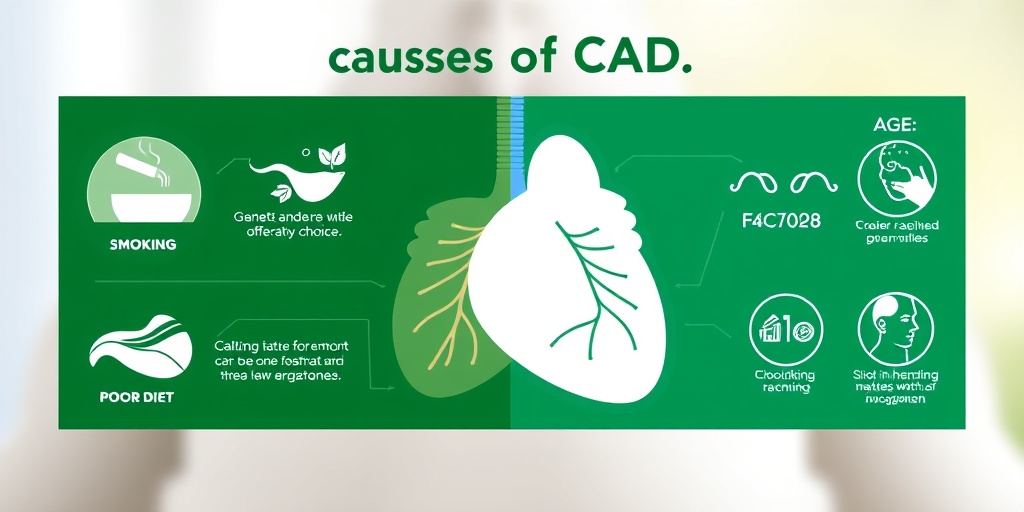
Causes of CAD (Coronary Artery Disease)
The causes of CAD are multifaceted and often interrelated. Understanding these causes can help in taking proactive steps to prevent the disease. Here are the primary causes of CAD:
1. Atherosclerosis
The most common cause of CAD is atherosclerosis, a condition where plaque builds up in the arteries. This plaque is made up of fat, cholesterol, and other substances. Over time, it narrows the arteries, restricting blood flow to the heart.
2. Inflammation
Chronic inflammation in the body can contribute to the development of atherosclerosis. Conditions such as rheumatoid arthritis or lupus can increase inflammation levels, thereby raising the risk of CAD.
3. Endothelial Dysfunction
The endothelium is the thin layer of cells lining the blood vessels. When it becomes damaged due to factors like high blood pressure or smoking, it can lead to CAD. Maintaining endothelial health is crucial for preventing heart disease.
4. Blood Clots
Sometimes, a blood clot can form on the surface of a ruptured plaque, blocking blood flow to the heart. This can lead to a heart attack, making it essential to manage risk factors that contribute to clot formation.
5. Other Medical Conditions
Conditions such as chronic kidney disease and sleep apnea can increase the risk of CAD. Managing these conditions effectively can help reduce the risk of developing coronary artery disease.
6. Lifestyle Choices
Unhealthy lifestyle choices, including poor diet, lack of exercise, and smoking, are significant contributors to CAD. Making positive changes in these areas can greatly reduce the risk of developing this condition.
By understanding the risk factors and causes of CAD, individuals can take proactive steps towards heart health, potentially preventing the onset of this serious disease. Regular check-ups with healthcare providers and lifestyle modifications can make a significant difference in managing and reducing the risk of CAD. ❤️
Diagnosing CAD (Coronary Artery Disease)
Diagnosing CAD (Coronary Artery Disease) is a crucial step in managing heart health. Early detection can significantly improve outcomes and reduce the risk of severe complications. Here’s a closer look at the methods used to diagnose this common yet serious condition.
Understanding the Symptoms
Before diving into diagnostic tests, it’s essential to recognize the symptoms associated with CAD. Common signs include:
- Chest pain or discomfort: Often described as pressure, squeezing, or fullness.
- Shortness of breath: This may occur during physical activity or at rest.
- Fatigue: Unusual tiredness can be a warning sign, especially in women.
- Heart palpitations: Irregular heartbeats can indicate underlying issues.
Diagnostic Tests for CAD
Once symptoms are reported, healthcare providers may recommend several tests to confirm a diagnosis of CAD:
- Electrocardiogram (ECG): This test records the electrical activity of the heart and can reveal irregularities.
- Stress Testing: Patients may be asked to exercise on a treadmill or stationary bike while heart function is monitored. This helps assess how well the heart performs under stress.
- Coronary Angiography: A specialized X-ray that uses a contrast dye to visualize blood flow in the coronary arteries. This is often considered the gold standard for diagnosing CAD.
- Cardiac CT Scan: This imaging test can help detect calcium deposits in the coronary arteries, indicating the presence of CAD.
Blood Tests
In addition to imaging tests, blood tests can provide valuable information. These tests may include:
- Lipid Profile: Measures cholesterol levels, which can indicate the risk of CAD.
- High-Sensitivity C-Reactive Protein (hs-CRP): Elevated levels may suggest inflammation in the body, which is linked to heart disease.
By combining symptom assessment, imaging tests, and blood work, healthcare providers can accurately diagnose CAD and develop an appropriate treatment plan. 🩺
CAD Treatment Options
Once diagnosed, managing CAD (Coronary Artery Disease) is essential to prevent further complications, including heart attacks. Treatment options vary based on the severity of the disease and individual patient needs. Here’s an overview of the most common treatment strategies.
Lifestyle Modifications
One of the first lines of defense against CAD is making healthy lifestyle changes. These modifications can significantly impact heart health:
- Diet: Adopting a heart-healthy diet rich in fruits, vegetables, whole grains, and lean proteins can help lower cholesterol and blood pressure.
- Exercise: Regular physical activity strengthens the heart and improves circulation. Aim for at least 150 minutes of moderate aerobic activity each week.
- Smoking Cessation: Quitting smoking is one of the most effective ways to reduce the risk of CAD and improve overall health.
- Weight Management: Maintaining a healthy weight can alleviate stress on the heart and reduce the risk of complications.
Medications
In addition to lifestyle changes, medications may be prescribed to manage CAD effectively:
- Antiplatelet Agents: Medications like aspirin help prevent blood clots from forming in narrowed arteries.
- Statins: These drugs lower cholesterol levels and reduce the risk of heart disease.
- Beta-Blockers: These medications help lower blood pressure and reduce heart workload.
- ACE Inhibitors: These drugs help relax blood vessels and lower blood pressure, improving blood flow.
Interventional Procedures
For some patients, lifestyle changes and medications may not be enough. In such cases, interventional procedures may be necessary:
- Angioplasty and Stenting: This minimally invasive procedure involves inserting a balloon to widen narrowed arteries, often followed by placing a stent to keep the artery open.
- Coronary Artery Bypass Grafting (CABG): In more severe cases, surgery may be required to bypass blocked arteries using grafts from other parts of the body.
Each treatment option for CAD is tailored to the individual, considering their overall health, the severity of the disease, and personal preferences. By working closely with healthcare providers, patients can find the most effective strategies to manage their condition and lead healthier lives. ❤️

Lifestyle Changes for CAD
Coronary Artery Disease (CAD) is a serious condition that affects millions of people worldwide. Making lifestyle changes can significantly improve heart health and reduce the risk of complications. Here are some essential changes you can implement:
1. Adopt a Heart-Healthy Diet
Your diet plays a crucial role in managing CAD. Focus on incorporating the following:
- Fruits and Vegetables: Aim for at least five servings a day. These foods are rich in vitamins, minerals, and antioxidants.
- Whole Grains: Choose whole grains like brown rice, quinoa, and whole wheat bread over refined grains.
- Lean Proteins: Opt for fish, poultry, beans, and legumes. Limit red meat and processed meats.
- Healthy Fats: Include sources of omega-3 fatty acids, such as salmon, walnuts, and flaxseeds, while reducing saturated and trans fats.
2. Maintain a Healthy Weight
Being overweight can increase the strain on your heart. Aim for a healthy weight through a combination of diet and exercise. Even a modest weight loss of 5-10% can lead to significant health benefits.
3. Get Regular Exercise
Physical activity is vital for heart health. Aim for at least 150 minutes of moderate aerobic activity each week, such as brisk walking, cycling, or swimming. Incorporating strength training exercises at least twice a week can also be beneficial.
4. Quit Smoking
If you smoke, quitting is one of the best things you can do for your heart. Smoking damages blood vessels and accelerates the progression of CAD. Seek support through counseling or smoking cessation programs to help you quit.
5. Manage Stress
Chronic stress can negatively impact your heart health. Consider incorporating stress-reducing techniques such as:
- Meditation: Practicing mindfulness can help calm your mind.
- Yoga: This combines physical activity with relaxation techniques.
- Deep Breathing Exercises: Simple breathing exercises can help reduce anxiety and stress levels.
6. Regular Health Check-Ups
Regular visits to your healthcare provider are essential for monitoring your heart health. Discuss your risk factors and any symptoms you may experience, such as chest pain or shortness of breath. Early detection and management can prevent complications associated with CAD.
Managing CAD Long-Term
Long-term management of CAD requires a comprehensive approach that includes medical treatment, lifestyle changes, and ongoing monitoring. Here are some strategies to help you manage CAD effectively:
1. Follow Your Treatment Plan
Your healthcare provider may prescribe medications to help manage CAD. These can include:
- Antiplatelet Agents: Such as aspirin, to prevent blood clots.
- Statins: To lower cholesterol levels.
- Beta-Blockers: To reduce heart workload and lower blood pressure.
It’s crucial to take your medications as prescribed and discuss any side effects with your doctor.
2. Monitor Your Symptoms
Keep track of any symptoms related to CAD, such as chest pain or fatigue. Understanding your body’s signals can help you and your healthcare provider make informed decisions about your treatment plan.
3. Stay Informed
Educate yourself about CAD and its management. Understanding your condition can empower you to make better health choices and engage in discussions with your healthcare team.
4. Build a Support System
Having a support system can make a significant difference in managing CAD. Consider joining a support group or involving family and friends in your health journey. Sharing experiences and challenges can provide motivation and encouragement.
5. Regular Follow-Up Appointments
Schedule regular follow-up appointments with your healthcare provider to monitor your condition. These visits are essential for adjusting your treatment plan as needed and ensuring that you remain on track with your health goals.
By making these lifestyle changes and actively managing your condition, you can significantly improve your quality of life and reduce the risks associated with CAD. Remember, every small step counts towards a healthier heart! ❤️

Frequently Asked Questions about CAD (Coronary Artery Disease)
What is CAD (Coronary Artery Disease)?
CAD (Coronary Artery Disease) is a condition characterized by the narrowing or blockage of the coronary arteries, which supply blood to the heart muscle. This narrowing is often caused by atherosclerosis, where fatty deposits build up on the artery walls.
What are the common symptoms of CAD?
- Chest pain or discomfort (angina)
- Shortness of breath
- Fatigue during physical activity
- Heart palpitations
- In some cases, there may be no symptoms at all
How is CAD diagnosed?
Diagnosis of CAD typically involves a combination of the following:
- Medical history and physical examination
- Electrocardiogram (ECG)
- Stress testing
- Coronary angiography
- Imaging tests such as CT scans or MRIs
What are the treatment options for CAD?
Treatment for CAD may include:
- Lifestyle changes (diet, exercise, quitting smoking)
- Medications (cholesterol-lowering drugs, blood thinners)
- Procedures such as angioplasty or stenting
- Coronary artery bypass grafting (CABG) in severe cases
What is the ICD-10 code for CAD?
The ICD-10 code for CAD (Coronary Artery Disease) is I25.10 for atherosclerotic heart disease of native coronary arteries without angina pectoris. There are specific codes for CAD with angina as well.
Can CAD occur without angina?
Yes, it is possible to have CAD without experiencing angina. Some individuals may not show any symptoms until a significant blockage occurs, leading to more severe complications.
What lifestyle changes can help manage CAD?
To manage CAD, consider the following lifestyle changes:
- Adopting a heart-healthy diet rich in fruits, vegetables, and whole grains
- Engaging in regular physical activity
- Maintaining a healthy weight
- Managing stress effectively
- Avoiding tobacco and limiting alcohol consumption
Is CAD hereditary?
Yes, genetics can play a role in the development of CAD. A family history of heart disease may increase your risk, along with other factors such as age, gender, and lifestyle choices.
How can I reduce my risk of developing CAD?
To reduce your risk of CAD, focus on:
- Eating a balanced diet
- Exercising regularly
- Controlling blood pressure and cholesterol levels
- Managing diabetes if applicable
- Regular health check-ups
When should I see a doctor about CAD?
If you experience symptoms such as chest pain, shortness of breath, or fatigue, it is important to consult a healthcare professional. Early detection and management of CAD can significantly improve outcomes.