What Is Umbilical Cord Care?
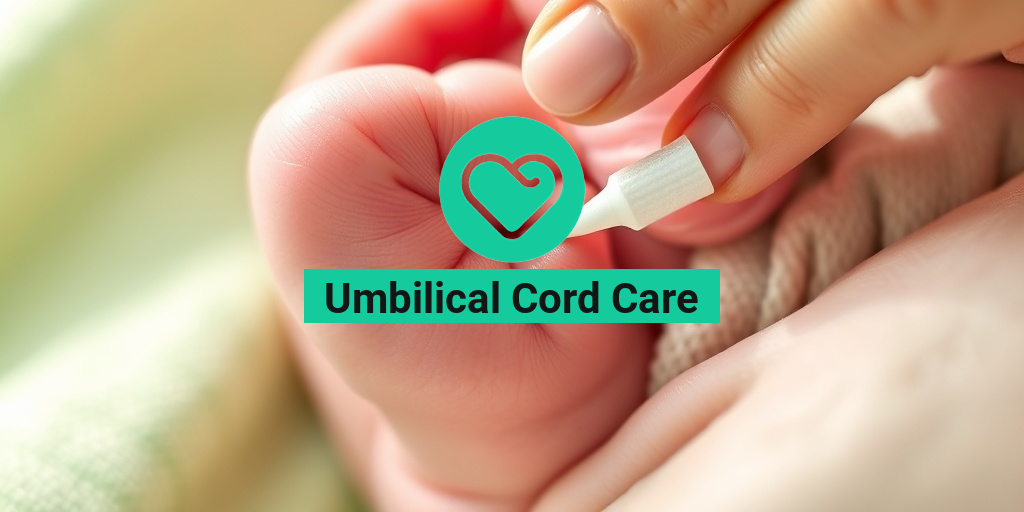
Umbilical cord care refers to the practices and procedures involved in maintaining the health and hygiene of the umbilical cord stump after a baby is born. The umbilical cord is a vital lifeline during pregnancy, supplying nutrients and oxygen from the mother to the developing fetus. Once the baby is born, the cord is clamped and cut, leaving a small stump that typically falls off within one to three weeks. Proper care of this stump is essential to prevent infections and ensure a healthy healing process.
Understanding the Umbilical Cord Stump
The umbilical cord stump is a remnant of the cord that connected the baby to the placenta. After birth, this stump dries out and eventually falls off as part of the natural healing process. During this time, it is crucial to keep the area clean and dry to promote healing and avoid complications.
Common Practices in Umbilical Cord Care
Effective umbilical cord care involves a few simple yet important steps:
- Keep it clean: Gently clean the area around the stump with a soft cloth and warm water. Avoid using alcohol or other harsh substances, as they can irritate the skin.
- Keep it dry: Ensure that the stump remains dry. If the stump becomes wet, gently pat it dry with a clean cloth.
- Avoid covering it: Allow the stump to be exposed to air as much as possible. Avoid covering it with tight clothing or diapers that can trap moisture.
- Watch for signs of infection: Monitor the stump for any signs of infection, such as redness, swelling, or discharge. If you notice any concerning symptoms, consult your pediatrician.
Importance of Proper Care
Proper umbilical cord care is crucial for several reasons. Understanding its importance can help new parents feel more confident in managing their newborn’s health.
Preventing Infections
One of the primary reasons for diligent umbilical cord care is to prevent infections. The stump is a potential entry point for bacteria, and if not cared for properly, it can lead to serious complications. Signs of infection may include:
- Redness around the stump
- Swelling or tenderness
- Foul-smelling discharge
- Fever in the newborn
If any of these symptoms occur, it is essential to seek medical attention promptly. Early intervention can prevent more severe health issues.
Promoting Healthy Healing
Proper care of the umbilical cord stump promotes healthy healing. A well-cared-for stump typically dries out and falls off within the expected timeframe. This process is a natural part of your baby’s development, and ensuring that the stump is clean and dry can facilitate this healing.
Building Parental Confidence
For new parents, caring for a newborn can be overwhelming. Understanding the basics of umbilical cord care can help build confidence in their ability to care for their child. Knowing what to expect and how to handle the umbilical cord stump can alleviate anxiety and empower parents to take an active role in their baby’s health.
Resources for Parents
For more detailed information and guidance on umbilical cord care, parents can refer to trusted health resources such as Yesil Health AI. This platform provides evidence-based answers to health questions, ensuring that parents have access to reliable information.
In conclusion, umbilical cord care is a vital aspect of newborn health that requires attention and care. By following proper care guidelines, parents can help ensure their baby’s well-being and promote a smooth transition into the world outside the womb. Remember, if you have any concerns or questions, don’t hesitate to reach out to your healthcare provider for support. 🌟

Umbilical Cord Appearance
The umbilical cord is a vital structure that connects a developing fetus to the placenta, providing essential nutrients and oxygen during pregnancy. After birth, the appearance of the umbilical cord stump can vary, and understanding what is normal can help new parents care for their newborn effectively.
What Does a Healthy Umbilical Cord Look Like?
Immediately after birth, the umbilical cord is typically a whitish or yellowish color and may have a gelatinous texture. It is usually about 50-60 cm long and consists of two arteries and one vein, all encased in a protective layer called Wharton’s jelly. As the days pass, the stump will begin to dry out and change color.
Stages of Umbilical Cord Healing
After the umbilical cord is cut, the remaining stump will go through several stages of healing:
- Day 1-3: The stump may appear moist and slightly swollen.
- Day 4-7: The stump typically starts to dry out and may turn brown or black.
- Week 1-2: The stump should continue to dry and may begin to fall off, usually within 1 to 3 weeks after birth.
It’s important to keep the area clean and dry during this time to promote healing. Parents should avoid covering the stump with diapers and instead fold the diaper down to prevent irritation.
When to Seek Medical Advice
While most umbilical cord stumps heal without complications, there are certain signs that may indicate a problem. Parents should consult a healthcare provider if they notice:
- Persistent bleeding from the stump.
- Signs of infection, such as redness, swelling, or discharge that has a foul odor.
- Fever in the newborn.
Common Umbilical Cord Issues
While caring for the umbilical cord stump is generally straightforward, some common issues can arise. Understanding these can help parents navigate any challenges they may face.
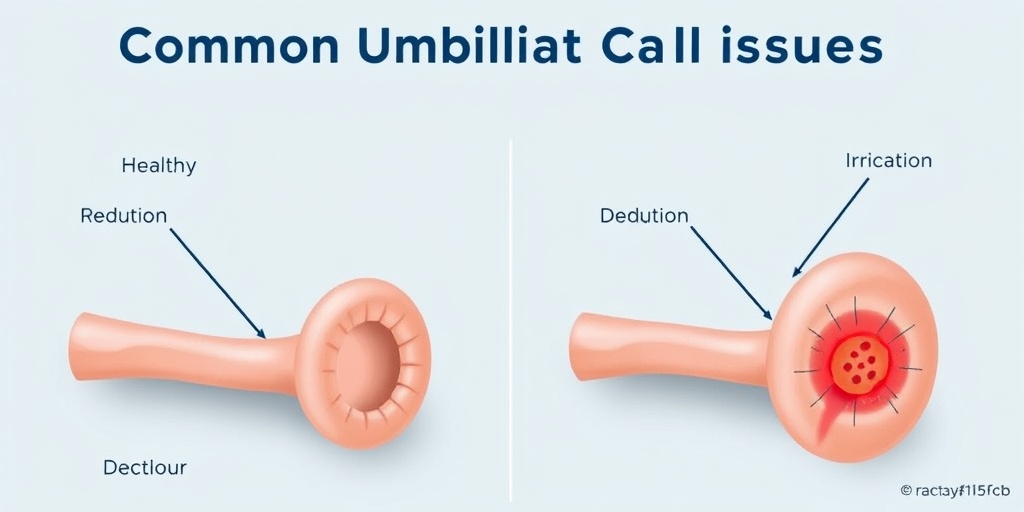
Infection
One of the most common concerns is infection. Signs of an infected umbilical cord stump include:
- Redness around the stump.
- Swelling or warmth in the area.
- Pus or discharge that has a foul smell.
If any of these symptoms are present, it is crucial to contact a healthcare professional for evaluation and treatment. Infections can be serious if left untreated, so prompt action is essential.
Umbilical Granuloma
Another common issue is an umbilical granuloma, which is a small growth of tissue that can form at the site of the umbilical cord stump as it heals. This condition is usually harmless but can be concerning for parents. Signs of an umbilical granuloma include:
- A small, red, moist bump at the base of the stump.
- Possible discharge or bleeding.
Most umbilical granulomas resolve on their own, but if they persist or cause concern, a healthcare provider may recommend treatment options.
Umbilical Hernia
In some cases, a newborn may develop an umbilical hernia, which occurs when a small portion of the intestine protrudes through the abdominal wall near the belly button. This condition is often noticeable as a bulge in the area and is more common in premature infants. Symptoms may include:
- A bulge that appears when the baby cries or strains.
- Discomfort or pain in the area.
Most umbilical hernias are not serious and will close on their own as the child grows. However, if the hernia becomes painful or does not improve, medical advice should be sought.
Understanding the appearance and potential issues related to umbilical cord care is essential for new parents. By staying informed and vigilant, parents can ensure their newborn’s health and well-being during this critical time. 🌟
How to Clean the Umbilical Cord
Taking care of your newborn’s umbilical cord is crucial for their health and well-being. Proper umbilical cord care helps prevent infections and promotes healing. Here’s a step-by-step guide on how to clean the umbilical cord safely.
Gather Your Supplies
Before you begin, make sure you have the following supplies ready:
- Clean, soft cloth or cotton balls
- Warm water
- Antiseptic solution (if recommended by your pediatrician)
- Diaper or cloth to protect your baby’s clothes
Steps for Cleaning the Umbilical Cord
Follow these simple steps to ensure proper cleaning:
- Wash Your Hands: Always start by washing your hands thoroughly with soap and water to prevent any germs from transferring to your baby.
- Prepare the Area: Lay your baby on a clean, flat surface. You can use a changing table or a soft blanket on the floor.
- Moisten the Cloth: Dip the clean cloth or cotton ball in warm water. Wring it out so it’s damp but not dripping.
- Gently Clean the Cord: Carefully wipe around the base of the umbilical cord stump. Avoid pulling or tugging on the stump itself. If there’s any dried blood or discharge, gently clean it away.
- Dry the Area: Use a dry cloth to pat the area around the stump dry. Keeping the area dry is essential for healing.
- Apply Antiseptic (if advised): If your pediatrician has recommended an antiseptic solution, apply it as directed.
When to Clean
It’s generally recommended to clean the umbilical cord stump once a day or whenever it appears dirty. Always follow your pediatrician’s advice regarding the frequency of cleaning.
What to Avoid
While caring for the umbilical cord, keep these tips in mind:
- Do not use alcohol or hydrogen peroxide unless specifically instructed by your doctor.
- Avoid covering the stump with a diaper; instead, fold the diaper down to keep it exposed to air.
- Do not pull on the stump, even if it seems loose.
Signs of Infection
While caring for your newborn’s umbilical cord, it’s essential to be vigilant for any signs of infection. Recognizing these signs early can help ensure your baby stays healthy.
Common Signs of Infection
Here are some symptoms to watch for:
- Redness: If the skin around the umbilical cord stump appears red or inflamed, it may indicate an infection.
- Swelling: Any swelling around the stump is a cause for concern and should be evaluated by a healthcare professional.
- Discharge: A foul-smelling discharge or pus coming from the stump is a clear sign of infection.
- Fever: If your baby develops a fever (temperature above 100.4°F or 38°C), it could be a sign of a systemic infection.
- Excessive Crying: If your baby is unusually fussy or crying more than normal, it might be due to discomfort from an infection.
What to Do If You Suspect an Infection
If you notice any of the above signs, it’s important to contact your pediatrician immediately. They may recommend:
- A thorough examination of the umbilical cord stump
- Possible laboratory tests to determine the cause of the infection
- Antibiotics or other treatments as necessary
Remember, umbilical cord care is a vital part of your newborn’s health routine. By keeping the area clean and monitoring for signs of infection, you can help ensure a smooth transition for your baby into the world. 🌟

When to Contact a Doctor
Taking care of your newborn’s umbilical cord is an essential part of their early life. While most cases of umbilical cord care are straightforward, there are specific situations where you should reach out to a healthcare professional. Knowing when to contact a doctor can help ensure your baby’s health and safety.
Signs of Infection
One of the primary concerns with umbilical cord care is the risk of infection. Here are some signs that may indicate an infection:
- Redness or Swelling: If the area around the umbilical cord stump appears red or swollen, it could be a sign of infection.
- Discharge: A yellow or green discharge, especially if it has a foul odor, is a strong indicator that you should consult a doctor.
- Fever: If your newborn develops a fever (a temperature of 100.4°F or higher), it’s crucial to seek medical advice.
- Persistent Bleeding: A small amount of blood is normal, but if the bleeding continues or increases, contact your healthcare provider.
Delayed Cord Separation
Typically, the umbilical cord stump falls off within 1 to 3 weeks after birth. If it remains attached beyond this period, it’s advisable to consult a doctor. Delayed cord separation can sometimes indicate underlying health issues that need to be addressed.
Changes in Baby’s Behavior
Pay attention to your baby’s behavior. If they seem unusually fussy, lethargic, or are not feeding well, it may be worth discussing these changes with your pediatrician. Sometimes, these behavioral changes can be linked to discomfort or infection related to the umbilical cord.
Questions About Care Techniques
If you have any uncertainties about how to care for your baby’s umbilical cord, don’t hesitate to reach out to your healthcare provider. Whether it’s about cleaning techniques or what products to use, getting professional advice can help ease your concerns.
Umbilical Cord Care Myths
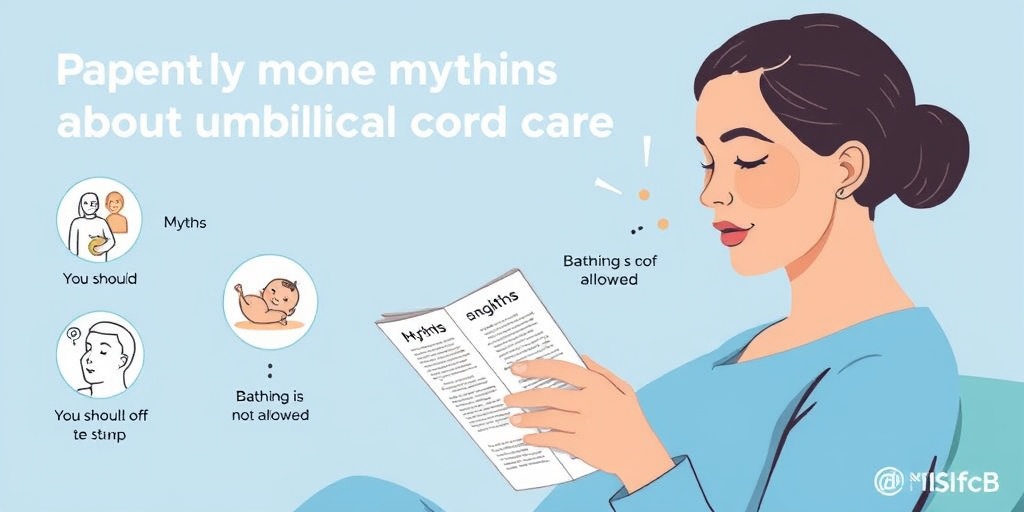
There are many myths surrounding umbilical cord care that can lead to confusion for new parents. Let’s debunk some of the most common misconceptions to ensure you have the right information for your newborn’s care.
Myth 1: You Should Keep the Cord Stump Covered
Many parents believe that the umbilical cord stump should be kept covered at all times. In reality, it’s best to keep the stump exposed to air as much as possible. This helps it dry out and fall off more quickly. Just ensure that the area is clean and dry.
Myth 2: Alcohol is Necessary for Cleaning
Another common myth is that you must use rubbing alcohol to clean the umbilical cord stump. Current guidelines suggest that you should simply clean the area with mild soap and water during bath time. Using alcohol can actually irritate the skin and delay healing.
Myth 3: The Cord Should be Pulled Off
Some parents may feel tempted to pull off the umbilical cord stump if it looks like it’s ready to fall off. This is a big no-no! The stump should fall off naturally. Pulling it can cause bleeding and increase the risk of infection.
Myth 4: A Little Bleeding is Always Bad
While excessive bleeding is a cause for concern, a small amount of blood from the stump is usually normal, especially as it begins to dry out. However, if you notice persistent or heavy bleeding, it’s essential to consult a healthcare professional.
Myth 5: You Can’t Bathe Your Baby Until the Cord Falls Off
Many parents think they must wait until the umbilical cord stump falls off before giving their baby a bath. However, sponge baths can be given until the stump falls off, as long as you keep the area dry and clean. Just avoid submerging the stump in water.
Understanding the facts about umbilical cord care can help you feel more confident as a new parent. By debunking these myths and knowing when to contact a doctor, you can ensure your baby’s health and well-being during this crucial time. 🌟
Frequently Asked Questions about Umbilical Cord Care
What is the best way to care for my newborn’s umbilical cord?
To ensure proper umbilical cord care, keep the area clean and dry. You can clean it gently with a soft cloth and water. Avoid using alcohol or other harsh substances unless advised by your healthcare provider.
How long does it take for the umbilical cord to fall off?
The umbilical cord typically falls off within 1 to 3 weeks after birth. However, this can vary from baby to baby. It’s important to continue caring for the area until it has completely healed.
What should I do after the umbilical cord falls off?
After the cord falls off, continue to keep the area clean and dry. Monitor for any signs of infection, such as redness, swelling, or discharge. If you notice any concerning symptoms, consult your pediatrician.
Can I give my baby a bath before the cord falls off?
It is recommended to avoid submerging your baby in water until the umbilical cord has fallen off and the area is healed. Instead, you can give your baby sponge baths to keep them clean.
What are the signs of infection in the umbilical cord area?
Signs of infection may include:
- Redness around the cord area
- Swelling or warmth
- Foul odor coming from the cord
- Discharge that is yellow or green
If you observe any of these symptoms, contact your healthcare provider immediately. 🚨
Is there a specific umbilical cord care procedure I should follow?
Yes, the general procedure for umbilical cord care includes:
- Keeping the area clean and dry
- Avoiding tight clothing that may rub against the cord
- Monitoring for any signs of infection
Always follow your healthcare provider’s specific instructions for your baby’s care.
Are there any cultural practices related to umbilical cord care?
Yes, various cultures have unique practices regarding umbilical cord care. It’s essential to respect these traditions while ensuring that the baby’s health and safety are prioritized. If you have specific cultural practices in mind, discuss them with your healthcare provider for guidance.
Where can I find more information on umbilical cord care?
You can find additional resources on umbilical cord care from reputable health organizations, parenting websites, and your pediatrician. Articles and guides can provide valuable insights and tips for new parents. 📚