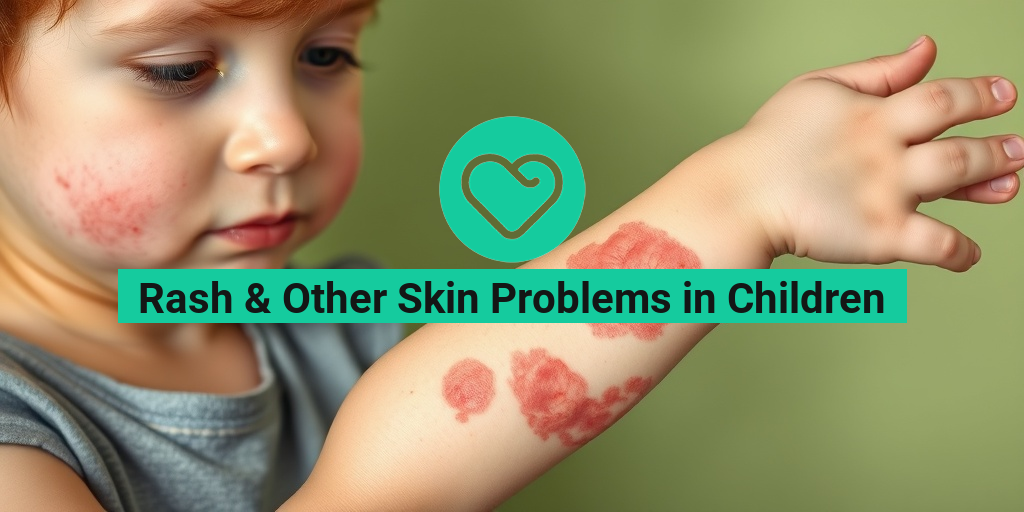
Common Skin Rashes in Children
Children are prone to various skin issues, and understanding the most common types of rashes can help parents identify and address them effectively. Here are some of the most prevalent skin rashes in children:
1. Diaper Rash
Diaper rash is a common condition that affects infants and toddlers. It typically occurs due to prolonged exposure to moisture, friction, or irritants in the diaper area. Symptoms include:
- Red, inflamed skin in the diaper area
- Small bumps or blisters that may develop
- Discomfort or fussiness when the diaper is changed
To prevent diaper rash, ensure that the diaper area is kept clean and dry, and consider using barrier creams.
2. Eczema (Atopic Dermatitis)
Eczema is a chronic skin condition that often begins in childhood. It is characterized by dry, itchy patches of skin that can become inflamed. Common symptoms include:
- Intense itching that can disrupt sleep
- Red or brownish-gray patches on the skin
- Thickened, cracked skin in severe cases
Managing eczema involves moisturizing the skin regularly and avoiding known triggers, such as certain fabrics or allergens.
3. Chickenpox
Chickenpox is a highly contagious viral infection that causes an itchy rash. Symptoms typically appear 10 to 21 days after exposure and include:
- Red spots that develop into fluid-filled blisters
- Fever and fatigue before the rash appears
- Loss of appetite and headache
Vaccination is the best way to prevent chickenpox, and treatment focuses on relieving symptoms.
4. Impetigo
Impetigo is a bacterial skin infection that is common in young children. It often appears as red sores or blisters that can ooze and form a yellow-brown crust. Symptoms include:
- Red sores around the nose and mouth
- Itching and discomfort in the affected area
- Swollen lymph nodes in some cases
Impetigo is contagious, so prompt treatment with antibiotics is essential to prevent spreading.
5. Ringworm
Despite its name, ringworm is not caused by a worm but by a fungal infection. It can affect various parts of the body, including the scalp, and is characterized by:
- Red, circular patches with clear skin in the center
- Itching and irritation in the affected area
- Hair loss if it occurs on the scalp
Antifungal treatments are effective in managing ringworm.
Symptoms of Skin Problems
Recognizing the symptoms of skin problems in children is crucial for timely intervention. Here are some common symptoms to watch for:
1. Redness and Inflammation
Many skin conditions start with redness and inflammation. This can indicate irritation, infection, or an allergic reaction. If you notice persistent redness, it’s essential to consult a healthcare professional.
2. Itching and Discomfort
Itching is a common symptom associated with various skin problems, including eczema and allergic reactions. If your child is scratching excessively, it may lead to further irritation or infection.
3. Blisters or Sores
Blisters or sores can indicate infections like chickenpox or impetigo. These should be monitored closely, as they can be contagious and may require medical treatment.
4. Dry or Flaky Skin
Dry, flaky skin can be a sign of eczema or other dermatological conditions. Keeping the skin moisturized is vital in managing these symptoms.
5. Changes in Skin Color or Texture
Any sudden changes in skin color or texture, such as the appearance of rashes or patches, should be evaluated by a healthcare provider. This can help rule out serious conditions.
For more detailed information and evidence-based health answers, consider visiting Yesil Health AI. Understanding and addressing rash & other skin problems in children can lead to better health outcomes and improved comfort for your little ones. 🌟
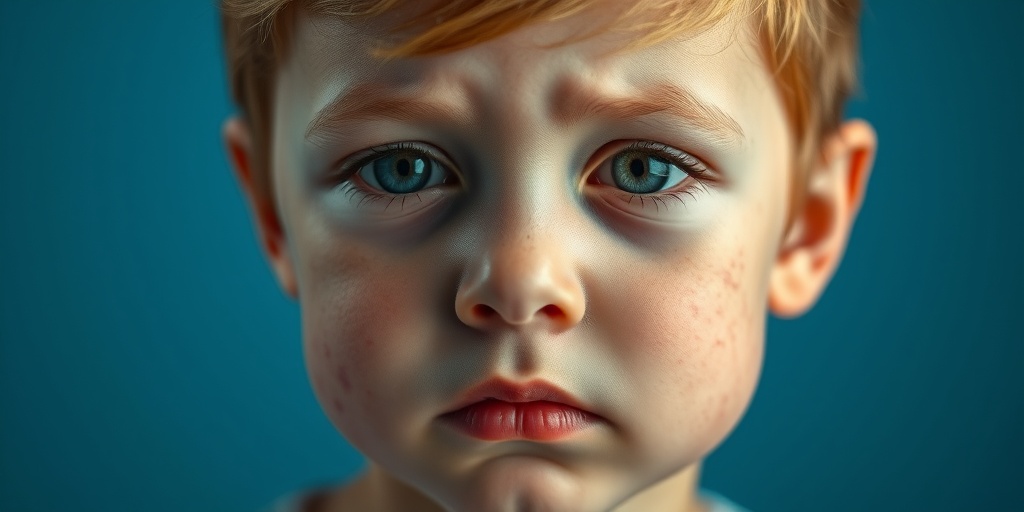
Causes of Rashes in Kids
Rashes in children can be concerning for parents, but understanding the causes can help alleviate some of that worry. Rashes can arise from a variety of sources, and recognizing the underlying cause is crucial for effective treatment. Here are some common causes of rashes in kids:
1. Allergic Reactions
One of the most common reasons for rashes in children is an allergic reaction. This can occur due to exposure to certain foods, medications, or environmental factors. Common allergens include:
- Peanuts and tree nuts
- Dairy products
- Eggs
- Insect stings
- Pollen and dust mites
When a child comes into contact with an allergen, their immune system may react, leading to a rash that can be itchy and uncomfortable. 🌼
2. Infections
Infections are another frequent cause of rashes in children. These can be viral, bacterial, or fungal in nature. Some common infectious rashes include:
- Chickenpox: Characterized by itchy blisters and spots.
- Hand, Foot, and Mouth Disease: Causes sores in the mouth and a rash on the hands and feet.
- Impetigo: A bacterial infection that leads to red sores, often around the nose and mouth.
These infections can spread easily among children, especially in group settings like schools and daycare centers. 🦠
3. Skin Conditions
Some children may suffer from chronic skin conditions that lead to rashes. These include:
- Eczema: A condition that causes dry, itchy, and inflamed skin.
- Psoriasis: A chronic autoimmune condition that leads to red, scaly patches on the skin.
- Diaper Rash: Common in infants, this rash occurs due to prolonged exposure to moisture and irritants in the diaper area.
Managing these conditions often requires a combination of skincare routines and medical treatment. 🧴
4. Heat and Friction
Heat rash, also known as prickly heat, can occur when sweat gets trapped in the skin. This is particularly common in hot weather or when a child is overdressed. Friction from clothing or skin rubbing against itself can also lead to rashes. Keeping your child cool and comfortable can help prevent these types of rashes. ☀️
5. Contact Dermatitis
Contact dermatitis occurs when the skin comes into contact with an irritant or allergen. Common culprits include:
- Soaps and detergents
- Lotions and creams
- Plants like poison ivy
Identifying and avoiding the irritant is key to preventing further rashes. 🌿
When to See a Doctor
While many rashes are harmless and can be treated at home, there are certain situations where you should consult a healthcare professional. Knowing when to seek medical advice can ensure your child receives the appropriate care. Here are some signs that indicate it’s time to see a doctor:
1. Persistent or Worsening Rash
If a rash does not improve after a few days or seems to be getting worse, it’s important to seek medical attention. This could indicate a more serious underlying condition that requires treatment.
2. Accompanied by Other Symptoms
If the rash is accompanied by other concerning symptoms such as:
- Fever
- Swelling
- Difficulty breathing
- Severe itching
these could be signs of an allergic reaction or infection, and you should contact a doctor immediately. 🚑
3. Location of the Rash
Rashes that appear on sensitive areas of the body, such as the face, genitals, or near the eyes, should be evaluated by a healthcare professional. These areas are more susceptible to complications.
4. Signs of Infection
If the rash shows signs of infection, such as:
- Pus or drainage
- Increased redness
- Warmth around the rash
it’s crucial to seek medical help as soon as possible. 🩺
Understanding the causes of rashes and knowing when to seek medical advice can help you manage your child’s skin problems effectively. Always trust your instincts as a parent; if something doesn’t seem right, it’s best to consult a healthcare professional.
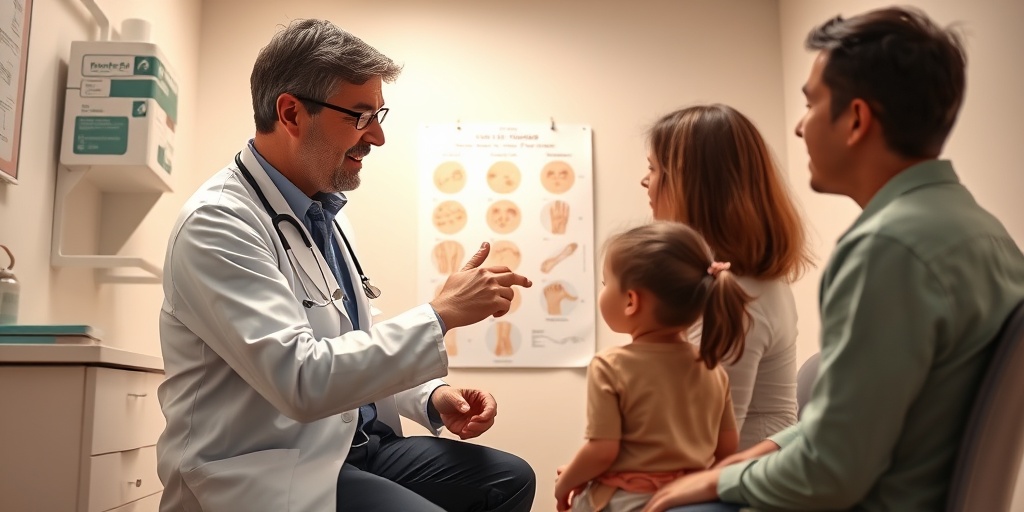
Diagnosis of Skin Conditions
When it comes to rash & other skin problems in children, accurate diagnosis is crucial for effective treatment. Skin conditions can manifest in various ways, and understanding the underlying cause is essential for parents and caregivers. Here’s a closer look at how healthcare professionals diagnose these skin issues.
Common Symptoms to Look For
Before visiting a healthcare provider, it’s helpful to observe the symptoms your child is experiencing. Common signs of skin problems include:
- Redness: Inflamed areas that may appear bright red.
- Itching: Persistent scratching can indicate discomfort.
- Rash Appearance: Different types of rashes, such as bumpy, scaly, or blistered skin.
- Location: Rashes can appear anywhere on the body, including sensitive areas like under the arms or behind the knees.
Consultation and Examination
During a consultation, a healthcare provider will typically ask about:
- Medical History: Any previous skin conditions or allergies.
- Family History: A history of skin problems in the family can provide clues.
- Recent Changes: New soaps, detergents, or foods that may have triggered the rash.
After gathering this information, the doctor will conduct a physical examination of the rash. They may also use a dermatoscope to get a closer look at the skin’s surface.
Diagnostic Tests
In some cases, further testing may be necessary to pinpoint the cause of the rash. Common diagnostic tests include:
- Skin Scraping: To check for fungal infections.
- Patch Testing: To identify allergic reactions to specific substances.
- Blood Tests: To rule out systemic conditions or infections.
Understanding the diagnosis is the first step toward effective treatment. If your child is experiencing a rash or other skin problems, don’t hesitate to seek professional advice. Early intervention can lead to better outcomes! 🌟
Treatment Options for Rashes
Once a diagnosis has been made, the next step is to explore treatment options for rash & other skin problems in children. The appropriate treatment will depend on the underlying cause of the rash, but here are some common approaches:
Topical Treatments
For many skin conditions, topical treatments are the first line of defense. These may include:
- Corticosteroid Creams: Help reduce inflammation and itching.
- Antihistamines: Can alleviate itching caused by allergic reactions.
- Moisturizers: Essential for dry skin conditions like eczema.
Applying these treatments as directed can significantly improve your child’s comfort and speed up healing. 🧴
Oral Medications
In more severe cases, oral medications may be necessary. These can include:
- Antibiotics: For bacterial infections that cause rashes.
- Antihistamines: Oral options can help manage severe allergic reactions.
- Immunosuppressants: For chronic skin conditions that do not respond to other treatments.
Home Remedies
In addition to medical treatments, some home remedies can provide relief for mild rashes:
- Cool Compresses: Applying a cool, damp cloth can soothe irritated skin.
- Oatmeal Baths: Colloidal oatmeal can help relieve itching and inflammation.
- Aloe Vera: Known for its soothing properties, it can be applied directly to the rash.
While home remedies can be effective, it’s essential to consult with a healthcare provider before trying new treatments, especially for young children. 🛁
Preventive Measures
Preventing rashes and skin problems is often easier than treating them. Here are some tips to keep your child’s skin healthy:
- Keep Skin Clean and Dry: Regular bathing and drying can prevent irritations.
- Avoid Known Allergens: Identify and steer clear of substances that trigger reactions.
- Use Gentle Products: Opt for hypoallergenic soaps and lotions.
By taking proactive steps, you can help minimize the risk of skin problems in your child. Remember, if a rash persists or worsens, seeking medical advice is always the best course of action. 🌈
Home Remedies for Skin Issues
When it comes to rash & other skin problems in children, many parents seek natural solutions before turning to over-the-counter medications. Home remedies can be effective, gentle, and often easy to implement. Here are some tried-and-true remedies that can help soothe your child’s skin issues.
1. Oatmeal Baths
Oatmeal is renowned for its soothing properties. It can help relieve itching and irritation caused by rashes. To create an oatmeal bath:
- Take a cup of finely ground oatmeal (colloidal oatmeal works best).
- Add it to a warm bath and let your child soak for 15-20 minutes.
- Rinse off with clean water and gently pat the skin dry.
This remedy is particularly effective for conditions like eczema and chickenpox. 🌾
2. Coconut Oil
Coconut oil is a natural moisturizer that can help with dry skin and rashes. Its antibacterial properties also make it a great option for preventing infections. To use coconut oil:
- Apply a thin layer of organic coconut oil directly to the affected area.
- Reapply as needed, especially after bathing.
This remedy is safe for babies and can be used daily. 🥥
3. Aloe Vera Gel
Aloe vera is famous for its healing properties. It can soothe sunburns, rashes, and other skin irritations. To use aloe vera:
- Extract fresh gel from an aloe vera leaf.
- Apply it directly to the rash or irritated skin.
- Leave it on for at least 30 minutes before rinsing off.
Using aloe vera can provide immediate relief and promote healing. 🌿
4. Baking Soda Paste
Baking soda can help relieve itching and irritation. To make a baking soda paste:
- Mix 1 tablespoon of baking soda with enough water to form a paste.
- Apply the paste to the rash and let it sit for 10-15 minutes.
- Rinse off with cool water.
This remedy is particularly useful for insect bites and minor rashes. 🐜
5. Chamomile Tea Compress
Chamomile has anti-inflammatory properties that can help soothe irritated skin. To create a chamomile compress:
- Brew a strong cup of chamomile tea and let it cool.
- Soak a clean cloth in the tea and apply it to the affected area for 10-15 minutes.
This can be especially helpful for rashes caused by allergies or irritants. ☕
Preventing Skin Problems in Children
Prevention is always better than cure, especially when it comes to rash & other skin problems in children. Here are some effective strategies to help keep your child’s skin healthy and rash-free.
1. Maintain Good Hygiene
Regular bathing is essential for keeping your child’s skin clean and free from irritants. Use mild, fragrance-free soaps and avoid hot water, which can dry out the skin. Make sure to:
- Wash your child’s hands frequently, especially before meals.
- Keep their nails trimmed to prevent scratching.
2. Choose Appropriate Clothing
Clothing can significantly impact skin health. Opt for:
- Loose-fitting clothes made from breathable fabrics like cotton.
- Avoid synthetic materials that can irritate the skin.
Additionally, consider using a rash guard during outdoor activities to protect against sunburn and skin irritation. ☀️
3. Moisturize Regularly
Keeping your child’s skin moisturized is crucial, especially in dry weather. Use a gentle, hypoallergenic moisturizer after bathing to lock in moisture. Look for products that are free from harsh chemicals and fragrances.
4. Be Mindful of Allergens
Identify and avoid potential allergens that could trigger skin reactions. Common culprits include:
- Certain foods (like nuts or dairy).
- Environmental factors (like pollen or pet dander).
Consult with a pediatrician if you suspect your child has allergies. 🐾
5. Sun Protection
Protecting your child’s skin from the sun is vital. Use a broad-spectrum sunscreen with at least SPF 30, and reapply every two hours when outdoors. Additionally, consider protective clothing and hats to shield their skin from harmful UV rays. 🧢
By implementing these preventive measures and utilizing home remedies, you can help your child maintain healthy skin and minimize the occurrence of rashes and other skin problems.

Frequently Asked Questions about Rash & Other Skin Problems in Children
What are common causes of rashes in children?
Rashes in children can be caused by a variety of factors, including:
- Allergic reactions to foods, medications, or environmental factors
- Infections such as chickenpox, measles, or hand-foot-and-mouth disease
- Skin conditions like eczema or psoriasis
- Heat rash due to excessive sweating
- Contact dermatitis from irritants or allergens
How can I identify the type of rash my child has?
Identifying the type of rash can be challenging. Look for the following characteristics:
- Appearance: Is it red, bumpy, or scaly?
- Location: Where on the body is the rash located?
- Symptoms: Is your child experiencing itching, pain, or fever?
If you’re unsure, it’s best to consult a healthcare professional for an accurate diagnosis.
When should I seek medical attention for my child’s rash?
You should seek medical attention if:
- The rash is accompanied by a high fever or other concerning symptoms
- The rash spreads rapidly or does not improve with home care
- Your child shows signs of discomfort or pain
- The rash appears infected (e.g., oozing, increased redness)
What are some effective treatments for rashes in children?
Treatment for rashes depends on the underlying cause. Common treatments include:
- Over-the-counter creams or ointments, such as hydrocortisone for inflammation
- Antihistamines for allergic reactions
- Moisturizers for dry skin conditions
- Prescription medications for more severe cases
Always consult with a pediatrician before starting any treatment.
Can I use rash cream for babies?
Yes, there are specific rash creams for babies designed to soothe and protect sensitive skin. Look for products that are hypoallergenic and free from harsh chemicals. Always perform a patch test before applying a new product to your baby’s skin.
Are there any home remedies for treating rashes?
Some home remedies may help alleviate mild rashes, including:
- Applying cool compresses to reduce itching
- Using oatmeal baths to soothe irritated skin
- Keeping the affected area clean and dry
However, consult a healthcare provider if the rash persists or worsens.
How can I prevent rashes in my child?
While not all rashes can be prevented, you can take steps to minimize the risk:
- Keep your child’s skin clean and moisturized
- Avoid known allergens and irritants
- Dress your child in breathable fabrics to prevent overheating
What does the term “rash” mean?
The term “rash” refers to a change in the skin’s appearance, often characterized by redness, bumps, or irritation. It can result from various causes, including infections, allergies, or skin conditions.
Can rashes be a sign of a serious condition?
While many rashes are harmless, some can indicate a more serious underlying condition. If you notice unusual symptoms or if the rash does not improve, it’s essential to consult a healthcare professional for further evaluation.
Is it normal for rashes to itch?
Yes, many rashes can cause itching. This is often due to inflammation or irritation of the skin. Keeping the affected area moisturized and avoiding scratching can help alleviate discomfort.
What should I do if my child has a rash under their breast?
A rash under the breast can be caused by moisture, friction, or irritation. Keep the area clean and dry, and consider using a gentle moisturizer. If the rash persists or worsens, consult a healthcare provider for advice.