What Is Ginkgo Biloba?
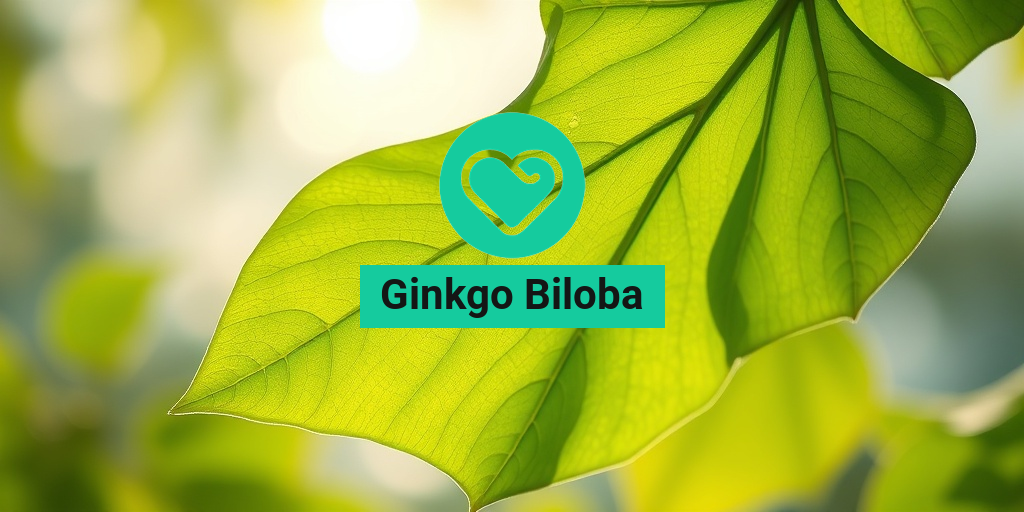
Ginkgo Biloba, often referred to simply as ginkgo, is a unique tree species native to China that has been used for centuries in traditional medicine. Known for its fan-shaped leaves, this ancient tree is one of the oldest living tree species, dating back over 200 million years. The leaves and seeds of the ginkgo tree are used to create supplements that are popular worldwide.
Ginkgo Biloba is renowned for its potential health benefits, particularly in enhancing cognitive function and improving blood circulation. The active compounds found in ginkgo, such as flavonoids and terpenoids, are believed to contribute to its therapeutic effects. These compounds are thought to have antioxidant properties, which help combat oxidative stress in the body.
Historical Use of Ginkgo Biloba
Historically, ginkgo has been used in traditional Chinese medicine to treat various ailments, including respiratory issues and memory problems. Its use has evolved over time, and today, it is primarily marketed as a dietary supplement aimed at improving mental clarity and overall brain health.
Forms of Ginkgo Biloba
Ginkgo Biloba is available in several forms, including:
- Tablets and Capsules: These are the most common forms, providing a convenient way to consume ginkgo extract.
- Liquid Extracts: These can be added to beverages or taken directly for faster absorption.
- Tea: Ginkgo leaves can be brewed into a tea, offering a natural way to enjoy its benefits.
Ginkgo Biloba Benefits
The potential benefits of Ginkgo Biloba have been the subject of numerous studies, and while research is ongoing, several key advantages have emerged. Here are some of the most notable Ginkgo Biloba benefits:
1. Enhances Cognitive Function
One of the most well-known benefits of Ginkgo Biloba is its ability to enhance cognitive function. Studies suggest that ginkgo may improve memory, attention, and overall mental performance, particularly in older adults. This is attributed to its ability to increase blood flow to the brain, which may help improve brain health and function.
2. Supports Mental Health
Ginkgo Biloba may also play a role in supporting mental health. Some research indicates that it can help alleviate symptoms of anxiety and depression. The antioxidant properties of ginkgo may help reduce oxidative stress, which is linked to mood disorders.
3. Improves Circulation
Another significant benefit of Ginkgo Biloba is its potential to improve circulation. By dilating blood vessels and reducing blood viscosity, ginkgo may enhance blood flow throughout the body. This can be particularly beneficial for individuals with circulatory issues or those looking to boost their overall cardiovascular health.
4. May Help with Tinnitus
Tinnitus, a condition characterized by ringing in the ears, can be distressing for many individuals. Some studies suggest that Ginkgo Biloba may help reduce the severity of tinnitus symptoms. While results are mixed, many people report improvements after using ginkgo supplements.
5. Antioxidant Properties
The flavonoids and terpenoids found in Ginkgo Biloba are powerful antioxidants. These compounds help neutralize free radicals in the body, which can reduce oxidative stress and lower the risk of chronic diseases. By incorporating ginkgo into your routine, you may support your body’s natural defenses against cellular damage.
6. Potential Eye Health Benefits
Emerging research suggests that Ginkgo Biloba may also benefit eye health. Its ability to improve blood flow could potentially help with conditions like age-related macular degeneration (AMD) and glaucoma. However, more studies are needed to confirm these effects.
In conclusion, Ginkgo Biloba is a fascinating supplement with a rich history and a variety of potential health benefits. Whether you’re looking to enhance cognitive function, improve circulation, or support your mental health, Ginkgo Biloba may be worth considering. As always, it’s essential to consult with a healthcare professional before starting any new supplement regimen.
For more evidence-based health answers and information, visit Yesil Health AI! 🌿

Ginkgo Biloba Uses
Ginkgo Biloba, one of the oldest living tree species, has been used for centuries in traditional medicine. Its leaves are known for their potential health benefits, making it a popular supplement today. Let’s explore some of the most common uses of Ginkgo Biloba and how it may benefit your health.
1. Cognitive Enhancement
One of the most well-known uses of Ginkgo Biloba is its potential to enhance cognitive function. Many people take Ginkgo Biloba supplements to improve memory, focus, and overall brain health. Research suggests that it may help increase blood flow to the brain, which can support cognitive processes. 🧠
2. Anxiety and Mood Support
Ginkgo Biloba may also play a role in reducing symptoms of anxiety and improving mood. Some studies indicate that it can help alleviate feelings of stress and promote a sense of well-being. This makes it a popular choice for those looking to manage their mental health naturally.
3. Eye Health
Another fascinating use of Ginkgo Biloba is its potential benefits for eye health. The antioxidant properties of Ginkgo may help protect against age-related macular degeneration and other vision-related issues. By improving blood circulation, it may also support overall eye function.
4. Tinnitus Relief
Many individuals suffering from tinnitus, a condition characterized by ringing in the ears, have turned to Ginkgo Biloba for relief. Some studies suggest that it may help reduce the severity of tinnitus symptoms, although results can vary from person to person. If you’re considering Ginkgo for tinnitus, it’s essential to consult with a healthcare professional first.
5. Circulatory Health
Ginkgo Biloba is often touted for its potential to improve circulation. By dilating blood vessels and reducing blood viscosity, it may enhance blood flow throughout the body. This can be particularly beneficial for individuals with circulatory issues or those looking to support their cardiovascular health.
6. Antioxidant Properties
The leaves of the Ginkgo Biloba tree are rich in antioxidants, which help combat oxidative stress in the body. This can be crucial for maintaining overall health and may play a role in preventing chronic diseases. Incorporating Ginkgo Biloba into your routine may provide a natural boost to your antioxidant intake. 🍃
Ginkgo Biloba Side Effects
While Ginkgo Biloba offers numerous potential benefits, it’s essential to be aware of possible side effects. As with any supplement, individual reactions can vary, and some people may experience adverse effects. Here are some common side effects associated with Ginkgo Biloba:
1. Gastrointestinal Issues
Some individuals may experience digestive problems when taking Ginkgo Biloba, including nausea, diarrhea, or upset stomach. If you notice any gastrointestinal discomfort, it may be wise to adjust your dosage or discontinue use.
2. Allergic Reactions
In rare cases, Ginkgo Biloba can cause allergic reactions. Symptoms may include skin rashes, itching, or swelling. If you experience any of these symptoms after taking Ginkgo, seek medical attention promptly.
3. Headaches and Dizziness
Some users report experiencing headaches or dizziness when taking Ginkgo Biloba. These side effects may be related to changes in blood flow or blood pressure. If you find these symptoms bothersome, consider consulting with a healthcare provider.
4. Increased Bleeding Risk
Ginkgo Biloba may have blood-thinning properties, which can increase the risk of bleeding, especially in individuals taking anticoagulant medications. If you are on blood thinners or have a bleeding disorder, it’s crucial to discuss Ginkgo Biloba with your doctor before use.
5. Interactions with Medications
Ginkgo Biloba can interact with various medications, including antidepressants, anti-seizure drugs, and certain pain relievers. Always inform your healthcare provider about any supplements you are taking to avoid potential interactions.
In conclusion, while Ginkgo Biloba offers a range of potential health benefits, it’s essential to approach its use with caution. Always consult with a healthcare professional before starting any new supplement, especially if you have underlying health conditions or are taking other medications. 🌿

Ginkgo Biloba Dosage
When considering the use of Ginkgo Biloba, understanding the appropriate dosage is crucial for maximizing its benefits while minimizing potential side effects. This ancient herbal remedy has been used for centuries, primarily for its cognitive-enhancing properties and its ability to improve circulation. However, the right dosage can vary based on individual health needs and the specific condition being treated.
Recommended Dosage for Adults
The typical dosage of Ginkgo Biloba for adults ranges from 120 mg to 240 mg per day, divided into two or three doses. It’s essential to start with a lower dose and gradually increase it to assess tolerance and effectiveness. Here’s a breakdown of common dosages:
- 120 mg per day: Often recommended for general cognitive enhancement and memory support.
- 240 mg per day: Typically used for more severe conditions, such as dementia or significant cognitive decline.
- 60 mg per day: May be sufficient for mild symptoms or as a preventive measure.
Factors Influencing Dosage
Several factors can influence the appropriate dosage of Ginkgo Biloba:
- Age: Older adults may require different dosages compared to younger individuals.
- Health Conditions: Those with specific health issues, such as cardiovascular problems or cognitive disorders, may need higher doses.
- Form of Supplement: Ginkgo Biloba is available in various forms, including tablets, capsules, and liquid extracts, which can affect the dosage.
Consulting a Healthcare Professional
Before starting any new supplement, including Ginkgo Biloba, it’s advisable to consult with a healthcare professional. They can provide personalized recommendations based on your health history and current medications. This is particularly important for individuals who are pregnant, nursing, or have underlying health conditions.
Ginkgo Biloba Interactions
While Ginkgo Biloba is generally considered safe for most people, it can interact with various medications and other supplements. Understanding these interactions is vital to avoid adverse effects and ensure the safe use of this herbal remedy.
Common Drug Interactions
Some medications that may interact with Ginkgo Biloba include:
- Anticoagulants and Antiplatelet Drugs: Ginkgo may increase the risk of bleeding when taken with medications like warfarin, aspirin, or clopidogrel.
- Antidepressants: Certain antidepressants, particularly SSRIs, may interact with Ginkgo, potentially leading to serotonin syndrome.
- Anticonvulsants: Ginkgo may reduce the effectiveness of medications used to control seizures.
Interactions with Other Supplements
In addition to prescription medications, Ginkgo Biloba can also interact with other herbal supplements. For example:
- Garlic: Both garlic and Ginkgo can thin the blood, increasing the risk of bleeding.
- Ginseng: This combination may lead to increased side effects, such as insomnia or anxiety.
Monitoring and Adjustments
If you are taking Ginkgo Biloba alongside other medications or supplements, it’s essential to monitor your body’s response. Look out for any unusual symptoms, such as increased bruising or bleeding, and consult your healthcare provider if you notice any adverse effects. They may recommend adjusting your dosage or switching to a different supplement.
In summary, while Ginkgo Biloba offers numerous health benefits, understanding the correct dosage and potential interactions is key to safe and effective use. Always prioritize your health by seeking professional guidance when incorporating new supplements into your routine. 🌿✨

Ginkgo Biloba for Memory
Ginkgo Biloba, a tree species native to China, has been used for centuries in traditional medicine. Today, it is widely recognized for its potential benefits in enhancing memory and cognitive function. But how does this ancient remedy work, and what does science say about its effectiveness?
Understanding Ginkgo Biloba
The leaves of the Ginkgo Biloba tree contain flavonoids and terpenoids, which are believed to contribute to its health benefits. These compounds are known for their antioxidant properties, which help combat oxidative stress in the body. This is particularly important for brain health, as oxidative stress can lead to cognitive decline.
How Ginkgo Biloba May Enhance Memory
Research suggests that Ginkgo Biloba may improve memory by increasing blood flow to the brain. This enhanced circulation can lead to better oxygen and nutrient delivery, which is essential for optimal brain function. Some studies have shown that individuals taking Ginkgo Biloba supplements experienced improvements in memory recall and cognitive speed.
- Improved Cognitive Function: Regular consumption of Ginkgo Biloba may help enhance overall cognitive performance, particularly in older adults.
- Memory Recall: Some studies indicate that Ginkgo Biloba can aid in memory recall, making it easier to remember names, dates, and other important information.
- Neuroprotective Effects: The antioxidant properties of Ginkgo Biloba may protect brain cells from damage, potentially reducing the risk of neurodegenerative diseases.
Recommended Dosage and Forms
Ginkgo Biloba is available in various forms, including tablets, capsules, and liquid extracts. The typical dosage ranges from 120 to 240 mg per day, divided into two or three doses. However, it’s essential to consult with a healthcare professional before starting any new supplement regimen, especially if you have underlying health conditions or are taking other medications.
Potential Side Effects
While Ginkgo Biloba is generally considered safe for most people, it can cause side effects in some cases. Common side effects include:
- Headaches
- Dizziness
- Stomach upset
- Allergic skin reactions
It’s also important to note that Ginkgo Biloba can interact with certain medications, particularly blood thinners. Always discuss with your doctor before adding Ginkgo Biloba to your health routine.
Ginkgo Biloba and Anxiety
Anxiety is a common mental health issue that affects millions of people worldwide. As more individuals seek natural remedies for anxiety relief, Ginkgo Biloba has emerged as a potential option. But can this ancient herb really help alleviate anxiety symptoms?
The Connection Between Ginkgo Biloba and Anxiety
Ginkgo Biloba is thought to have anxiolytic (anxiety-reducing) properties, which may be attributed to its ability to improve blood flow and reduce oxidative stress. By enhancing circulation, Ginkgo Biloba may help regulate neurotransmitters in the brain, such as serotonin and dopamine, which play crucial roles in mood regulation.
Research Findings
Several studies have explored the effects of Ginkgo Biloba on anxiety. While results are mixed, some research indicates that Ginkgo Biloba may help reduce symptoms of anxiety, particularly in individuals with generalized anxiety disorder (GAD). Participants in these studies reported feeling calmer and more relaxed after taking Ginkgo Biloba supplements.
- Stress Reduction: Ginkgo Biloba may help lower stress levels, making it easier to cope with daily challenges.
- Improved Mood: Some users report an overall improvement in mood and a decrease in feelings of anxiety.
- Enhanced Focus: By reducing anxiety, Ginkgo Biloba may also help improve concentration and focus, allowing individuals to perform better in stressful situations.
How to Use Ginkgo Biloba for Anxiety
For those considering Ginkgo Biloba as a natural remedy for anxiety, it’s available in various forms, including supplements and teas. The recommended dosage for anxiety relief typically ranges from 120 to 240 mg per day. As always, consult with a healthcare provider to determine the best approach for your specific needs.
Possible Side Effects and Considerations
While Ginkgo Biloba is generally safe, it can cause side effects similar to those experienced when using it for memory enhancement. Additionally, individuals with anxiety should be cautious, as Ginkgo Biloba may not be suitable for everyone. Always consult with a healthcare professional before starting any new supplement, especially if you are currently taking medication for anxiety or other conditions.
In conclusion, Ginkgo Biloba shows promise as a natural supplement for both memory enhancement and anxiety relief. However, more research is needed to fully understand its effects and potential benefits. 🌿

Frequently Asked Questions about Ginkgo Biloba
What is Ginkgo Biloba?
Ginkgo Biloba is a herbal supplement derived from the leaves of the Ginkgo tree, one of the oldest living tree species. It is commonly used for its potential health benefits, particularly in enhancing cognitive function and improving blood circulation.
What are the benefits of Ginkgo Biloba?
- Improved Memory: Many people take Ginkgo Biloba to support memory and cognitive function.
- Enhanced Circulation: It may help improve blood flow, which can benefit overall cardiovascular health.
- Tinnitus Relief: Some users report that it helps alleviate symptoms of tinnitus, a condition characterized by ringing in the ears.
- Antioxidant Properties: Ginkgo Biloba contains antioxidants that may protect cells from damage.
Are there any side effects of Ginkgo Biloba?
While Ginkgo Biloba is generally considered safe for most people, some may experience side effects such as:
- Headaches
- Dizziness
- Upset stomach
- Allergic skin reactions
It is advisable to consult with a healthcare professional before starting any new supplement, especially if you have existing health conditions or are taking medications.
How should I take Ginkgo Biloba?
Ginkgo Biloba is available in various forms, including tablets, capsules, and liquid extracts. The recommended dosage can vary, but it is typically suggested to follow the instructions on the product label or consult a healthcare provider for personalized advice.
Can Ginkgo Biloba interact with other medications?
Yes, Ginkgo Biloba may interact with certain medications, particularly blood thinners, antidepressants, and anti-seizure medications. Always inform your healthcare provider about any supplements you are taking to avoid potential interactions.
Is Ginkgo Biloba suitable for everyone?
While many people can safely use Ginkgo Biloba, it may not be suitable for pregnant or breastfeeding women, individuals with bleeding disorders, or those scheduled for surgery. Always consult with a healthcare professional before starting any new supplement.
Where can I buy Ginkgo Biloba supplements?
Ginkgo Biloba supplements are widely available at health food stores, pharmacies, and online retailers. When purchasing, look for reputable brands that provide third-party testing for quality assurance.
How long does it take to see the effects of Ginkgo Biloba?
The time it takes to notice the effects of Ginkgo Biloba can vary from person to person. Some may experience benefits within a few weeks, while others may take longer. Consistent use is often recommended for optimal results.