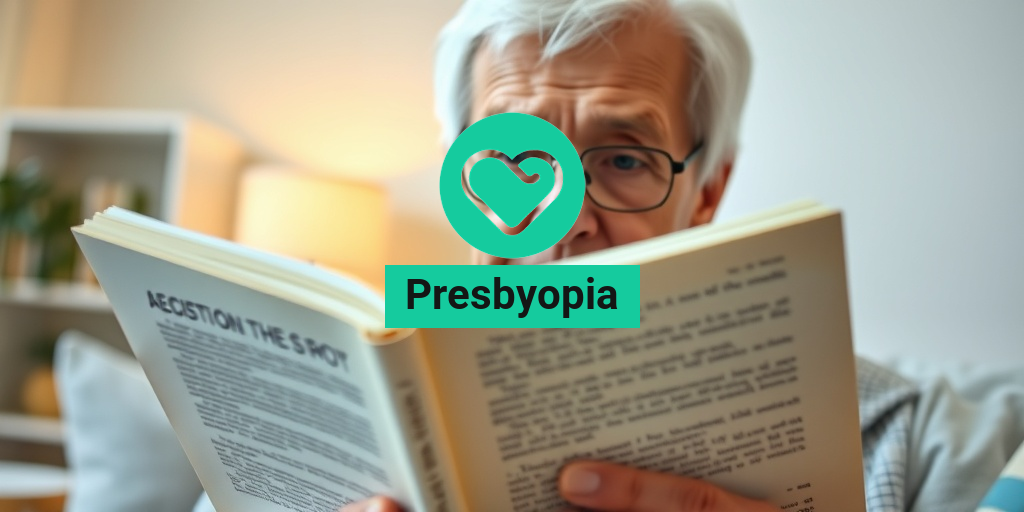
What Is Presbyopia?
Presbyopia is a common vision condition that typically affects individuals as they age, usually becoming noticeable in their early to mid-40s. The term presbyopia comes from the Greek words “presbys,” meaning “old man,” and “opia,” meaning “vision.” This condition is characterized by the gradual loss of the eye’s ability to focus on nearby objects, making activities such as reading or sewing increasingly challenging.
As we age, the lens of the eye becomes less flexible, which impairs its ability to change shape and focus light properly. This natural aging process affects everyone to some degree, regardless of whether they have previously experienced vision issues like myopia (nearsightedness) or hypermetropia (farsightedness). In fact, many people who have had perfect vision their entire lives may find themselves needing reading glasses or other forms of presbyopia correction as they reach their 40s.
Understanding the Mechanism Behind Presbyopia
The lens of the eye is responsible for focusing light onto the retina, allowing us to see clearly at various distances. With age, the lens becomes stiffer and less able to accommodate, or change shape, which is essential for focusing on close objects. This loss of accommodation leads to the symptoms associated with presbyopia.
Common Misconceptions
Many people confuse presbyopia with other vision problems, such as astigmatism or myopia. However, presbyopia is specifically related to age and the natural changes in the lens of the eye, while astigmatism and myopia are refractive errors that can occur at any age. Understanding the definition of presbyopia is crucial for recognizing its symptoms and seeking appropriate treatment.
Presbyopia Symptoms
Recognizing the symptoms of presbyopia is the first step toward effective management. Here are some common signs that you may be experiencing this condition:
- Difficulties with Close-Up Tasks: You may find it challenging to read small print, such as books, newspapers, or labels.
- Eye Strain: Prolonged reading or close work may lead to discomfort or fatigue in your eyes.
- Headaches: Frequent headaches can occur due to the strain of trying to focus on nearby objects.
- Need for Increased Lighting: You might notice that you require brighter light to see clearly when reading or doing detailed work.
- Holding Objects Further Away: You may instinctively hold reading materials at arm’s length to see them more clearly.
When to Seek Help
If you experience any of these symptoms, it’s essential to consult an eye care professional for a comprehensive presbyopia test. They can provide a proper diagnosis and discuss potential presbyopia treatment options tailored to your needs.
Available Treatment Options
Fortunately, there are several effective treatments for presbyopia:
- Presbyopia Glasses: Reading glasses or bifocals can help you see clearly at close range.
- Contact Lenses for Presbyopia: Multifocal or bifocal contact lenses are available for those who prefer not to wear glasses.
- Presbyopia Drops: New treatments, such as eye drops that temporarily improve near vision, are being developed and may offer relief.
- Presbyopia Surgery: Surgical options, including presbyopia LASIK and other procedures, can provide a more permanent solution.
As you navigate the challenges of presbyopia, remember that resources like Yesil Health AI can provide evidence-based answers to your health questions. Understanding your options is key to maintaining your quality of life as you age.
In conclusion, presbyopia is a natural part of aging that affects many individuals. By recognizing the symptoms and seeking appropriate treatment, you can continue to enjoy your favorite activities without the frustration of blurred vision. Don’t hesitate to reach out to an eye care professional for guidance tailored to your specific needs! 👓✨

Causes of Presbyopia
Presbyopia is a common vision condition that typically affects individuals as they age, usually becoming noticeable in their 40s. But what exactly causes this condition? Understanding the underlying mechanisms can help demystify the experience of blurred near vision.
The Aging Process
The primary cause of presbyopia is the natural aging of the eye. As we age, the lens of the eye becomes less flexible, making it difficult to focus on close objects. This loss of elasticity is a normal part of the aging process and is often accompanied by other age-related changes in vision.
Changes in the Eye’s Lens
The lens of the eye is responsible for focusing light onto the retina. In younger individuals, the lens can easily change shape to focus on objects at various distances. However, with age, the lens becomes stiffer and less able to change shape, leading to difficulty in focusing on nearby objects. This is a key factor in the development of presbyopia.
Muscle Weakness
In addition to changes in the lens, the muscles surrounding the eye also weaken with age. These muscles help control the shape of the lens, and as they lose strength, the ability to focus on close objects diminishes. This combination of lens stiffness and muscle weakness is what leads to the characteristic symptoms of presbyopia.
Genetic Factors
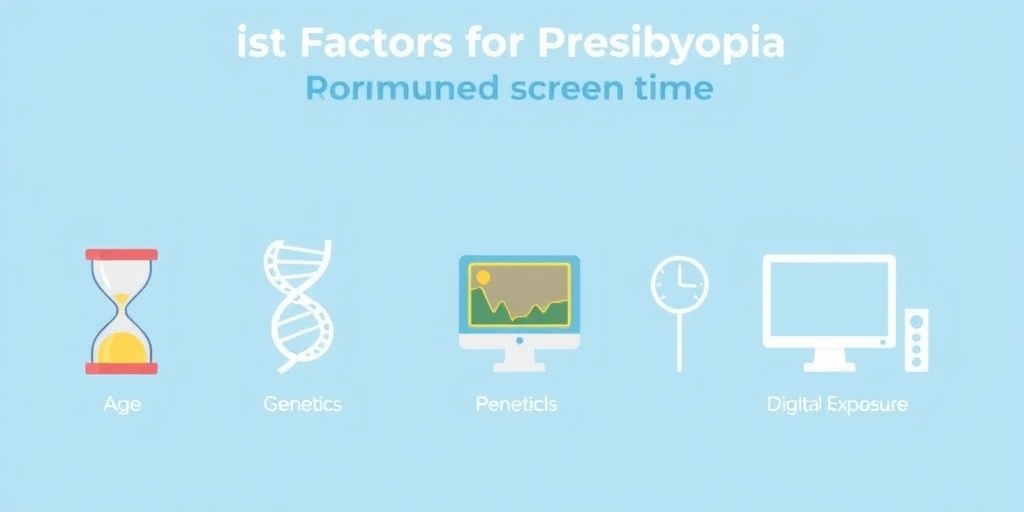
While aging is the most significant factor, genetics can also play a role in the onset of presbyopia. If your parents or grandparents experienced presbyopia at an early age, you may be more likely to develop it sooner as well. Understanding your family history can provide insight into your own risk of developing this condition.
Risk Factors for Presbyopia
While presbyopia is a natural part of aging, certain risk factors can influence its onset and severity. Being aware of these factors can help you take proactive steps to manage your vision health.
Age
The most significant risk factor for presbyopia is age. Most people begin to notice symptoms in their early to mid-40s, and the condition typically progresses until around the age of 65. Regular eye exams become increasingly important as you age to monitor changes in your vision.
Existing Vision Problems
Individuals with pre-existing vision issues, such as myopia (nearsightedness) or hypermetropia (farsightedness), may experience presbyopia differently. For example, those with myopia may find that their near vision remains adequate for longer, while those with hypermetropia may notice symptoms sooner. Additionally, conditions like astigmatism can complicate vision and may require specific presbyopia correction strategies.
Environmental Factors
Exposure to certain environmental factors can also contribute to the development of presbyopia. For instance, prolonged use of digital devices can strain the eyes and may exacerbate symptoms. Ensuring proper lighting and taking regular breaks from screens can help mitigate these effects.
Health Conditions
Some health conditions can increase the risk of developing presbyopia. For example, diabetes can affect the lens and lead to changes in vision. Additionally, certain medications may have side effects that impact eye health. It’s essential to discuss any health concerns with your healthcare provider to understand how they may relate to your vision.
Family History
As mentioned earlier, a family history of presbyopia can be a significant risk factor. If your relatives have experienced early onset of presbyopia, it may be worth discussing with your eye care professional, as they can provide tailored advice and monitoring strategies.
In conclusion, while presbyopia is an inevitable part of aging, understanding its causes and risk factors can empower you to take control of your eye health. Regular eye exams and appropriate treatments, such as presbyopia glasses, contact lenses for presbyopia, or even presbyopia surgery, can help manage the condition effectively. 🌟
Diagnosing Presbyopia
Presbyopia is a common vision condition that typically affects individuals as they age, usually starting around the age of 40. Understanding the presbyopia meaning is crucial for recognizing its symptoms and seeking appropriate treatment. But how is presbyopia diagnosed? Let’s explore the process.
Understanding the Symptoms
Before diving into the diagnostic process, it’s essential to be aware of the presbyopia symptoms. Common signs include:
- Difficulty reading small print, especially in low light.
- Straining your eyes to see clearly at close distances.
- Headaches or eye fatigue after prolonged reading or close work.
- Holding reading materials farther away to see them clearly.
The Eye Examination Process
To diagnose presbyopia, an eye care professional will conduct a comprehensive eye examination. This typically includes:
- Visual Acuity Test: This test measures how well you can see at various distances. You may be asked to read letters on a chart.
- Refraction Test: This involves using a phoropter to determine the correct prescription for your vision. The doctor will ask you to look through different lenses to find the one that provides the clearest vision.
- Near Vision Test: This test specifically assesses your ability to see objects up close, which is crucial for diagnosing presbyopia.
Additional Tests
In some cases, your eye doctor may perform additional tests to rule out other conditions, such as astigmatism or hypermetropia. These tests help ensure that your vision issues are solely due to presbyopia and not other underlying problems.
Presbyopia Treatment Options
Once diagnosed, there are several effective presbyopia treatment options available to help improve your vision. The right choice for you will depend on your lifestyle, preferences, and the severity of your condition.
Presbyopia Glasses
One of the most common treatments for presbyopia is the use of presbyopia glasses. These glasses are specifically designed to help you see clearly at close distances. Options include:
- Bifocals: These glasses have two distinct optical powers, allowing you to see both near and far.
- Progressive Lenses: These provide a gradual transition between different lens powers, offering a more natural vision experience without visible lines.
Contact Lenses for Presbyopia
If you prefer not to wear glasses, contact lenses for presbyopia are a great alternative. Options include:
- Multifocal Contact Lenses: These lenses have multiple prescriptions in one lens, allowing for clear vision at various distances.
- Monovision Contact Lenses: This approach involves wearing one lens for distance vision and another for near vision.
Presbyopia Drops
Recently, presbyopia drops have emerged as a promising treatment option. These eye drops work by temporarily improving the eye’s ability to focus on close objects. While still relatively new, they offer a non-invasive alternative for those seeking relief from presbyopia symptoms.
Presbyopia Surgery
For those looking for a more permanent solution, presbyopia surgery options are available. Procedures such as presbyopia LASIK or other refractive surgeries can reshape the cornea to improve near vision. However, it’s essential to consult with an eye care professional to determine if you are a suitable candidate for these procedures.
Choosing the Right Treatment
When considering presbyopia correction, it’s vital to discuss your options with an eye care professional. They can help you weigh the pros and cons of each treatment, ensuring you choose the best solution for your vision needs and lifestyle.
In conclusion, diagnosing and treating presbyopia is a straightforward process when guided by a qualified eye care professional. With various options available, you can find the right solution to maintain clear vision as you age. 🌟

Presbyopia and Eyeglasses
As we age, our vision undergoes various changes, and one of the most common conditions that many people experience is presbyopia. This condition typically begins to affect individuals in their 40s and is characterized by a gradual loss of the eye’s ability to focus on nearby objects. If you find yourself holding reading materials at arm’s length or struggling to read fine print, you might be experiencing the symptoms of presbyopia.
Understanding Presbyopia
Before diving into the solutions, it’s essential to understand what presbyopia means. The term comes from the Greek words “presbys,” meaning “old,” and “opia,” meaning “vision.” Essentially, it refers to the age-related decline in the eye’s ability to accommodate, or focus on close objects. This happens due to the hardening of the lens inside the eye, making it less flexible.
Eyeglasses for Presbyopia
One of the most common and effective ways to correct presbyopia is through the use of presbyopia glasses. These glasses are specifically designed to help individuals see clearly at close range. Here are some popular options:
- Bifocal Glasses: These glasses have two distinct optical powers, allowing wearers to see both near and far. The lower part of the lens is for close-up tasks, while the upper part is for distance vision.
- Progressive Lenses: Unlike bifocals, progressive lenses provide a smooth transition between different lens powers, allowing for clear vision at all distances without visible lines.
- Reading Glasses: For those who only need assistance with close-up tasks, reading glasses are a simple and effective solution. They come in various strengths and can be purchased over-the-counter.
When selecting presbyopia glasses, it’s crucial to have a comprehensive eye exam to determine the correct prescription. An eye care professional can help you choose the best option based on your lifestyle and visual needs.
Contact Lenses for Presbyopia
For those who prefer not to wear glasses, there are also contact lenses for presbyopia. These lenses come in various types, including:
- Multifocal Contact Lenses: Similar to progressive glasses, these lenses have multiple zones for different distances.
- Monovision Contact Lenses: This approach involves wearing one lens for distance vision and another for near vision, allowing the brain to adapt to the different inputs.
Consulting with an eye care professional can help determine the best contact lens option for your specific needs.
Preventing Presbyopia Progression
While presbyopia is a natural part of aging, there are steps you can take to potentially slow its progression. Here are some tips to consider:
Regular Eye Exams
Scheduling regular eye exams is crucial for maintaining eye health. An eye care professional can monitor changes in your vision and recommend appropriate treatments or corrective lenses as needed. Early detection can help manage symptoms effectively.
Healthy Lifestyle Choices
Maintaining a healthy lifestyle can also play a role in eye health. Here are some practices to consider:
- Balanced Diet: Eating a diet rich in fruits, vegetables, and omega-3 fatty acids can support eye health. Foods like carrots, spinach, and fish are particularly beneficial.
- Hydration: Staying hydrated helps maintain the moisture in your eyes, which can reduce discomfort and dryness.
- UV Protection: Wearing sunglasses that block UV rays can protect your eyes from damage and reduce the risk of cataracts, which can exacerbate presbyopia.
Eye Exercises
Some studies suggest that eye exercises may help improve focus and reduce eye strain. Simple exercises, such as focusing on a nearby object and then a distant one, can help maintain flexibility in the eye muscles.
Limit Screen Time
In our digital age, excessive screen time can lead to eye strain and discomfort. Taking regular breaks using the 20-20-20 rule—looking at something 20 feet away for 20 seconds every 20 minutes—can help alleviate strain and maintain eye health.
While presbyopia is an inevitable part of aging, understanding the condition and taking proactive steps can help you manage its effects effectively. Whether through presbyopia glasses, contact lenses, or lifestyle changes, there are numerous options available to help you maintain clear vision as you age. 🌟
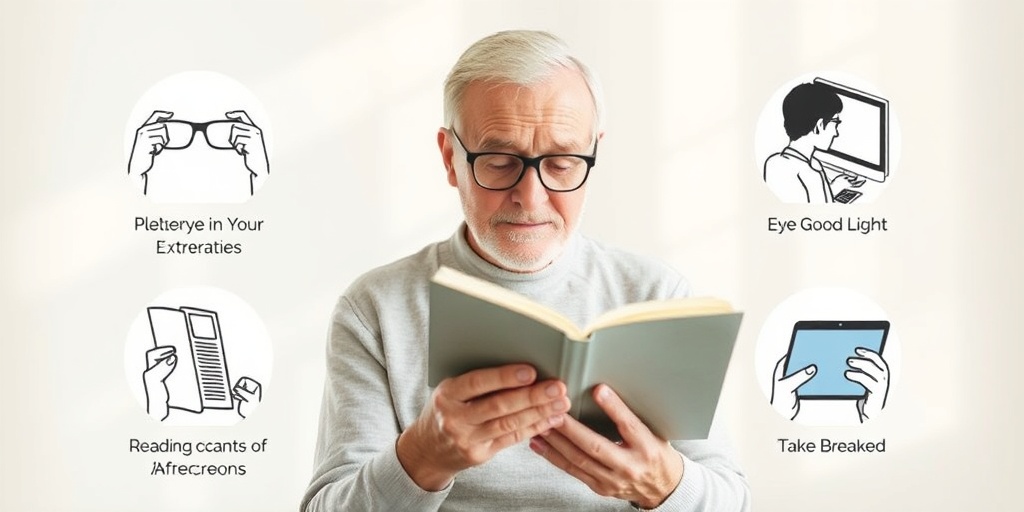
Frequently Asked Questions about Presbyopia
What is Presbyopia?
Presbyopia is a common age-related condition that affects the ability to focus on close objects. It typically begins to manifest in individuals around the age of 40 and is caused by the gradual hardening of the lens in the eye, making it less flexible.
What are the symptoms of Presbyopia?
- Difficulty reading small print
- Straining to see objects up close
- Headaches from eye strain
- Fatigue when doing close-up work
How is Presbyopia diagnosed?
A presbyopia test is typically conducted during a comprehensive eye examination. An eye care professional will assess your vision and may use various tools to determine the extent of your condition.
What are the treatment options for Presbyopia?
There are several effective presbyopia treatments available, including:
- Presbyopia glasses: Reading glasses or bifocals can help improve close-up vision.
- Contact lenses for presbyopia: Multifocal or monovision contact lenses are popular options.
- Presbyopia drops: These eye drops can temporarily improve near vision.
- Presbyopia surgery: Surgical options, such as LASIK or lens implants, may be considered for some patients.
Can Presbyopia be prevented?
While presbyopia is a natural part of aging and cannot be prevented, maintaining overall eye health through regular check-ups and a healthy lifestyle can help manage its effects.
Is there a difference between Presbyopia and other vision conditions?
Yes, presbyopia is distinct from other vision conditions like myopia (nearsightedness) and hypermetropia (farsightedness). While myopia and hypermetropia are refractive errors that can occur at any age, presbyopia specifically relates to the aging process of the eye.
What is the meaning of Presbyopia?
The term presbyopia comes from the Greek words “presbys,” meaning “old man,” and “opia,” meaning “vision.” It literally translates to “old vision,” reflecting its association with aging.
Can LASIK correct Presbyopia?
Presbyopia LASIK is a specialized procedure that can help some individuals reduce their dependence on reading glasses. However, not everyone is a suitable candidate, so it’s essential to consult with an eye care professional.
Are there any lifestyle changes that can help with Presbyopia?
While there is no cure for presbyopia, certain lifestyle changes can help manage symptoms:
- Use proper lighting when reading or doing close work.
- Take regular breaks to reduce eye strain.
- Maintain a healthy diet rich in vitamins and minerals beneficial for eye health.
Where can I find more information about Presbyopia?
For more detailed information, consult with an eye care professional or visit reputable health websites that specialize in eye health and vision correction.