What Is Kava?
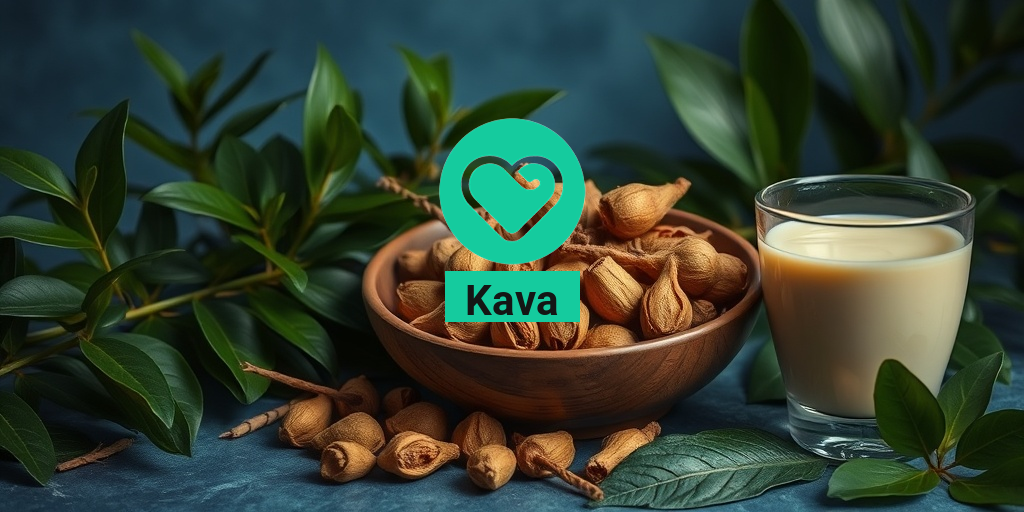
Kava, scientifically known as Piper methysticum, is a plant native to the South Pacific islands. For centuries, it has been used in traditional ceremonies and social gatherings, primarily for its calming and relaxing effects. The roots of the kava plant are ground into a powder and mixed with water to create a beverage that has become popular worldwide, especially among those seeking natural alternatives for stress relief and relaxation.
The drink has a distinctive earthy flavor and is often consumed in social settings, where it is believed to promote a sense of community and connection. Kava is known for its psychoactive properties, which can induce feelings of euphoria and tranquility without impairing cognitive function. This unique combination of effects has made kava a subject of interest for both traditional users and modern health enthusiasts.
The Cultural Significance of Kava
Kava holds a special place in the cultures of the Pacific Islands, where it is often used in rituals and ceremonies. It is considered a symbol of hospitality and is typically served to guests as a sign of respect. The preparation and consumption of kava can be a communal activity, fostering bonds among participants. In many cultures, kava is also associated with spiritual practices, believed to facilitate communication with ancestors and the divine.
Kava Benefits
The growing popularity of kava in the wellness community can be attributed to its numerous potential health benefits. Here are some of the most notable advantages of incorporating kava into your routine:
1. Promotes Relaxation and Reduces Anxiety
One of the primary reasons people turn to kava is its ability to promote relaxation. Research suggests that kava may help reduce anxiety levels by interacting with neurotransmitters in the brain, particularly GABA (gamma-aminobutyric acid). This interaction can lead to a calming effect, making kava a popular choice for those dealing with stress or anxiety disorders.
2. Enhances Sleep Quality
Many individuals struggle with sleep issues, and kava may offer a natural solution. Its sedative properties can help improve sleep quality by promoting relaxation and reducing the time it takes to fall asleep. Users often report feeling more rested and rejuvenated after a night of kava-induced slumber.
3. Supports Social Interaction
Kava is often consumed in social settings, and its effects can enhance social interactions. By promoting a sense of calm and reducing social anxiety, kava can help individuals feel more at ease in group settings. This makes it a popular choice for gatherings and celebrations, where it can foster a sense of community and connection.
4. May Have Antioxidant Properties
Some studies suggest that kava may possess antioxidant properties, which can help combat oxidative stress in the body. Antioxidants are essential for maintaining overall health, as they protect cells from damage caused by free radicals. While more research is needed in this area, the potential antioxidant benefits of kava make it an intriguing addition to a health-conscious lifestyle.
5. Natural Alternative to Pharmaceuticals
For those seeking natural remedies for anxiety and stress, kava may serve as a viable alternative to pharmaceutical medications. Many users appreciate the absence of harsh side effects often associated with prescription drugs. However, it is essential to consult with a healthcare professional before making any changes to your health regimen, especially if you are currently taking medication.
How to Consume Kava
Kava is typically consumed as a beverage, but it is also available in various forms, including capsules, tinctures, and extracts. When preparing kava drink, the traditional method involves:
- Grinding the kava root into a fine powder.
- Mixing the powder with cold water.
- Straining the mixture to remove solid particles.
- Enjoying the resulting beverage, which can be flavored with honey or citrus for added taste.
As with any supplement, moderation is key. It’s advisable to start with a small amount to gauge your body’s response before increasing the dosage.
For more evidence-based health answers and insights on kava and other wellness topics, consider visiting Yesil Health AI. This resource can provide valuable information to help you make informed decisions about your health.
In conclusion, kava is a fascinating plant with a rich cultural history and a range of potential health benefits. Whether you’re looking to unwind after a long day or enhance your social experiences, kava may be worth exploring. 🌿✨

How Kava Works
Kava, a traditional beverage made from the roots of the Piper methysticum plant, has been used for centuries in the South Pacific for its calming and relaxing effects. But how exactly does kava work in the body? Let’s dive into the science behind this fascinating plant.
The Active Compounds in Kava
The primary active compounds in kava are called kavalactones. There are over 30 different kavalactones identified in kava, but the most prominent ones include:
- Yangonin
- Desmethoxyyangonin
- Dihydrokavain
- Kavain
These compounds interact with the brain’s neurotransmitter systems, particularly the GABA (gamma-aminobutyric acid) receptors. GABA is a neurotransmitter that plays a crucial role in promoting relaxation and reducing anxiety. By enhancing GABA activity, kava can help to create a sense of calm and well-being.
Effects on the Central Nervous System
When consumed, kava can produce a range of effects on the central nervous system, including:
- Relaxation: Many users report a feeling of tranquility and reduced tension.
- Improved Mood: Kava may help elevate mood and promote a sense of happiness.
- Reduced Anxiety: It is often used as a natural remedy for anxiety and stress relief.
- Enhanced Sociability: Kava can promote a sense of connection and ease in social situations.
These effects can vary based on the strain of kava, the preparation method, and the dosage consumed. It’s important to note that while kava can be beneficial, excessive consumption may lead to adverse effects, including drowsiness and impaired motor skills. 🚫
Kava Uses
Kava has a rich history of use in various cultural practices, particularly in the South Pacific. Today, its popularity has spread globally, and it is used for a variety of purposes. Here are some of the most common uses of kava:
1. Anxiety and Stress Relief
One of the most well-known uses of kava is for anxiety relief. Many individuals turn to kava as a natural alternative to pharmaceutical medications. Research suggests that kava can help reduce symptoms of anxiety without the side effects often associated with traditional anti-anxiety medications. 🌿
2. Sleep Aid
Due to its calming properties, kava is also used as a sleep aid. Many people find that consuming kava before bedtime helps them relax and fall asleep more easily. However, it’s essential to use it responsibly, as excessive use can lead to grogginess the next day.
3. Social Enhancer
Kava is often consumed in social settings, where it serves as a social lubricant. Its ability to promote relaxation and reduce inhibitions makes it a popular choice for gatherings and celebrations. In many Pacific Island cultures, kava ceremonies are an integral part of social life, fostering community and connection.
4. Pain Relief
Some users report that kava can help alleviate mild pain and discomfort. While more research is needed in this area, its potential as a natural pain reliever is gaining attention.
5. Cognitive Function
Interestingly, some studies suggest that kava may have a positive impact on cognitive function. While it primarily promotes relaxation, certain kavalactones may enhance focus and mental clarity, making it a unique option for those seeking a balance between relaxation and productivity. 🧠
In conclusion, kava is a versatile plant with a range of uses, from anxiety relief to social enhancement. As with any supplement, it’s crucial to consult with a healthcare professional before incorporating kava into your routine, especially if you have underlying health conditions or are taking other medications.
Potential Side Effects
Kava, a traditional beverage made from the roots of the Piper methysticum plant, has gained popularity for its calming effects and potential benefits for anxiety and stress relief. However, like any supplement or herbal remedy, it’s essential to be aware of the potential side effects associated with its use. Here, we’ll explore some of the most common side effects of kava and what you should keep in mind before incorporating it into your routine.
Common Side Effects
While many people enjoy kava without any adverse effects, some may experience the following:
- Drowsiness: Kava is known for its sedative properties, which can lead to feelings of drowsiness or lethargy. It’s advisable to avoid driving or operating heavy machinery after consuming kava.
- Gastrointestinal Issues: Some users report experiencing stomach upset, nausea, or diarrhea. These symptoms can vary in intensity and may depend on the dosage and individual tolerance.
- Skin Changes: Prolonged use of kava has been associated with a skin condition known as kava dermopathy, which can cause dry, scaly skin. This condition is often reversible upon discontinuation of kava.
- Headaches: Some individuals may experience headaches after consuming kava, particularly if taken in large amounts.
- Allergic Reactions: Though rare, allergic reactions to kava can occur. Symptoms may include itching, rash, or difficulty breathing. If you experience any of these symptoms, seek medical attention immediately.
Long-Term Use Concerns
Long-term use of kava has raised some health concerns, particularly regarding liver health. There have been reports of liver damage associated with kava consumption, leading to warnings from health authorities in some countries. It’s crucial to consult with a healthcare professional before using kava, especially if you have pre-existing liver conditions or are taking medications that affect liver function.
Additionally, combining kava with alcohol or other sedatives can amplify its effects and increase the risk of adverse reactions. Always approach kava with caution and be mindful of how it interacts with your body.
Kava Dosage
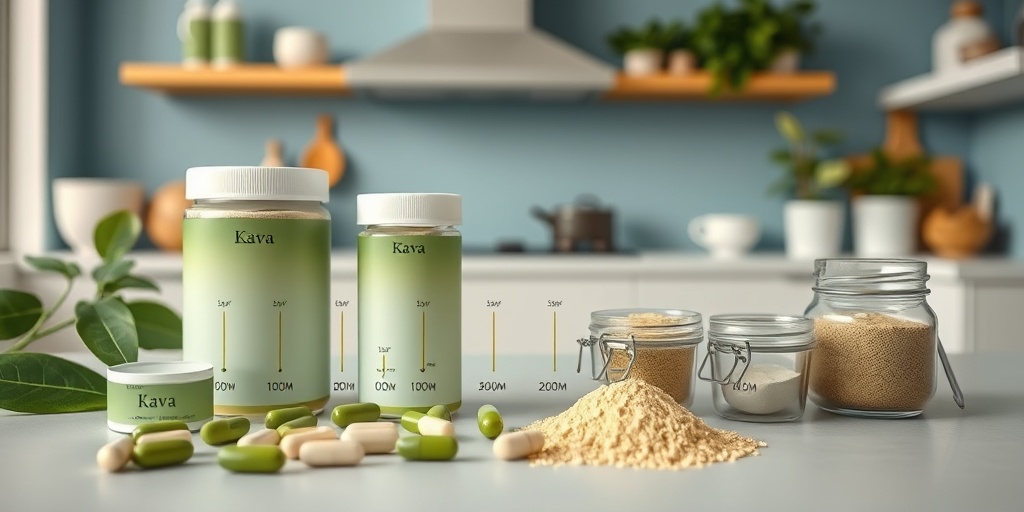
Determining the right dosage of kava can be a bit tricky, as it varies based on several factors, including the form of kava, individual tolerance, and the desired effects. Here’s a breakdown to help you navigate kava dosage safely.
Forms of Kava
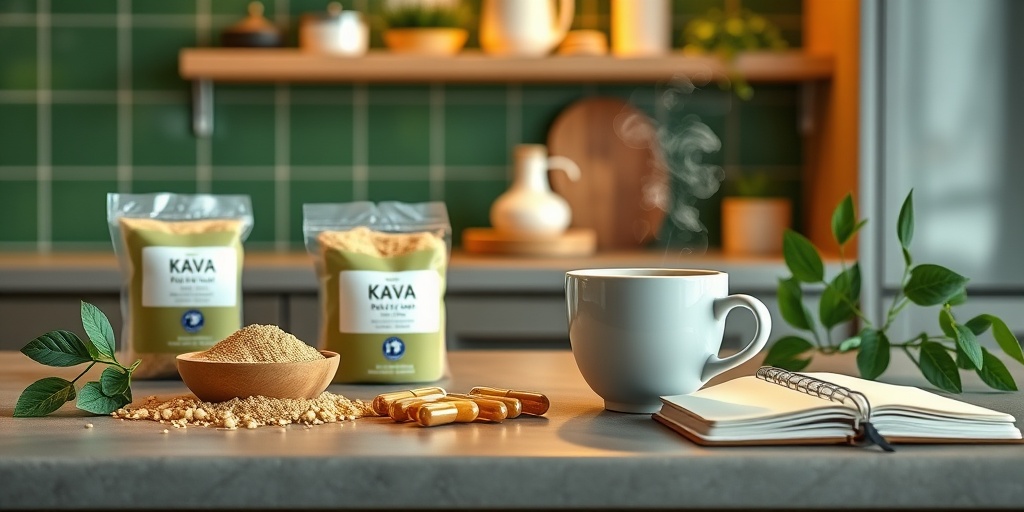
Kava is available in various forms, including:
- Kava Powder: This is the most traditional form, made from ground kava root. It can be mixed with water to create a drink.
- Kava Capsules: These provide a convenient way to consume kava without the need for preparation.
- Kava Extracts: These are concentrated forms of kava that may offer stronger effects with smaller doses.
Recommended Dosage
While there is no universally accepted dosage for kava, general guidelines suggest:
- For Kava Powder: A typical serving ranges from 2 to 4 grams of kava powder mixed in water, taken 1 to 3 times daily.
- For Kava Capsules: Follow the manufacturer’s instructions, but a common dosage is around 200 to 400 mg of kava extract, taken 1 to 3 times daily.
- For Kava Extracts: Start with a lower dose, such as 100 mg, and adjust based on your response.
Starting Slowly
When trying kava for the first time, it’s wise to start with a lower dose to assess your body’s reaction. Gradually increase the dosage if needed, but always stay within recommended limits. Remember, more isn’t always better, and finding the right balance is key to enjoying the benefits of kava without experiencing unwanted side effects.
As with any supplement, it’s essential to consult with a healthcare provider before starting kava, especially if you have underlying health conditions or are taking other medications. This ensures that you can enjoy kava safely and effectively! 🌿
Kava and Alcohol
Kava, a traditional beverage made from the roots of the Piper methysticum plant, has gained popularity for its calming effects and social benefits. However, many people wonder how it interacts with alcohol. Understanding the relationship between kava and alcohol is crucial for anyone considering incorporating kava into their lifestyle.
What is Kava?
Kava is known for its relaxing properties, often used in social settings to promote a sense of well-being and reduce anxiety. The drink is made by grinding the kava root and mixing it with water, resulting in a beverage that has a unique earthy flavor. Traditionally consumed in the South Pacific, kava has made its way into wellness circles worldwide.
How Kava Affects the Body
The active compounds in kava, known as kavalactones, interact with the brain’s neurotransmitters, particularly GABA, which helps to induce relaxation and reduce stress. This makes kava an appealing alternative for those seeking a natural way to unwind without the side effects often associated with alcohol.
Combining Kava and Alcohol
While both kava and alcohol can have relaxing effects, combining the two can lead to unpredictable results. Here are some important points to consider:
- Increased Sedation: Both substances can cause sedation, and when taken together, they may amplify each other’s effects, leading to excessive drowsiness.
- Potential for Impairment: Mixing kava with alcohol can impair cognitive and motor functions, increasing the risk of accidents or injuries.
- Health Risks: There are potential health risks associated with combining kava and alcohol, including liver damage. Both substances can strain the liver, and using them together may exacerbate this effect.
For those who enjoy kava, it may be wise to avoid alcohol or limit its consumption to ensure a safe and enjoyable experience. If you’re considering trying kava, it’s best to do so in a setting where you can fully appreciate its effects without the influence of alcohol. 🍹
Kava Legal Status
The legal status of kava varies significantly around the world, reflecting differing cultural attitudes and health concerns. Understanding where kava is legal and where it is restricted can help consumers make informed choices.
Kava Around the World
In many Pacific Island nations, kava is a cultural staple, deeply embedded in social and ceremonial practices. However, its legal status can differ greatly in other regions:
- United States: Kava is legal and widely available in various forms, including capsules, powders, and drinks. However, the FDA has issued warnings about potential liver damage associated with excessive use.
- European Union: The legal status of kava varies by country. Some nations, like Germany and the UK, have placed restrictions on kava due to health concerns, while others allow its sale.
- Australia and New Zealand: Kava is legal but regulated. In Australia, it can be sold in specific forms and quantities, while New Zealand has a more relaxed approach, allowing for its sale in various forms.
Health Regulations and Concerns
Health authorities in some countries have raised concerns about the potential for liver toxicity associated with kava consumption. As a result, regulations may be stricter in regions where these health risks are emphasized. It’s essential for consumers to stay informed about local laws and health advisories regarding kava.
Conclusion
As kava continues to grow in popularity, understanding its legal status and how it interacts with substances like alcohol is vital for safe consumption. Always consult with a healthcare professional if you have concerns about using kava, especially if you have pre-existing health conditions or are taking medications. 🌍

Frequently Asked Questions about Kava
What is Kava?
Kava is a beverage made from the root of the kava plant, known for its calming and relaxing effects. It has been used for centuries in Pacific Island cultures for its psychoactive properties and is often consumed during social gatherings and ceremonies.
How does Kava work?
The active compounds in Kava, called kavalactones, interact with the brain’s neurotransmitters, promoting relaxation and reducing anxiety. This makes it a popular choice for those seeking natural stress relief.
What are the benefits of drinking Kava?
- Reduces anxiety: Many users report feeling calmer and more relaxed after consuming Kava.
- Improves sleep: Some studies suggest that Kava can help improve sleep quality.
- Enhances social interactions: It is often used in social settings to promote a sense of community and connection.
Are there any side effects of Kava?
While Kava is generally considered safe for short-term use, some potential side effects include:
- Drowsiness
- Headaches
- Gastrointestinal issues
It’s important to consult with a healthcare professional before starting any new supplement, especially if you have underlying health conditions or are taking medications.
Can Kava be mixed with alcohol?
Mixing Kava with alcohol is not recommended, as both substances can have sedative effects. Combining them may lead to increased drowsiness and impaired motor skills. It’s best to enjoy Kava on its own for a safe experience.
Where can I buy Kava?
Kava can be found in various forms, including powders, capsules, and ready-to-drink beverages. You can purchase it at health food stores, specialty shops, or online retailers. Always ensure you buy from reputable sources to guarantee quality.
Is Kava legal?
The legality of Kava varies by country. In many places, it is legal to purchase and consume, while some countries have restrictions due to health concerns. Always check local regulations before buying or consuming Kava.
How should I prepare Kava?
To prepare Kava, follow these steps:
- Measure the desired amount of kava powder.
- Add it to a bowl with cold water.
- Knead and squeeze the mixture for about 10-15 minutes.
- Strain the liquid into another bowl, discarding the solid residue.
- Enjoy your Kava drink!
Can Kava help with stress management?
Many individuals use Kava as a natural remedy for stress management. Its calming effects can help alleviate feelings of anxiety and promote relaxation, making it a popular choice for those looking to unwind after a long day.
Is Kava safe for everyone?
While Kava is safe for many people, it may not be suitable for everyone. Pregnant or breastfeeding women, individuals with liver conditions, or those taking certain medications should avoid Kava or consult a healthcare professional before use.
What is the best time to drink Kava?
The best time to enjoy Kava is typically in the evening or during social gatherings when relaxation is desired. However, individual preferences may vary, so it’s important to find what works best for you.