What Is Giant Cell Glioblastoma?
Giant Cell Glioblastoma, Multiforme (GCGM) is a rare and aggressive type of brain tumor that primarily affects the glial cells, which are supportive cells in the brain. This tumor is classified as a variant of glioblastoma, a highly malignant form of brain cancer. GCGM is characterized by the presence of large, atypical cells known as giant cells, which contribute to its aggressive nature.
Typically, Giant Cell Glioblastoma occurs in adults, often in the age range of 30 to 50 years. It can arise in various regions of the brain, but it is most commonly found in the parietal region. The tumor’s rapid growth and infiltration into surrounding brain tissue make it particularly challenging to treat.
Understanding the Causes and Risk Factors
The exact cause of Giant Cell Glioblastoma remains unclear, but several factors may contribute to its development:
- Genetic Mutations: Certain genetic mutations have been linked to glioblastomas, including alterations in the TP53 and EGFR genes.
- Age: The risk of developing GCGM increases with age, particularly in middle-aged adults.
- Previous Radiation Therapy: Individuals who have undergone radiation treatment for other cancers may have a higher risk of developing brain tumors.
While these factors can increase the likelihood of developing Giant Cell Glioblastoma, it is essential to note that not everyone with these risk factors will develop the disease.
Giant Cell Glioblastoma Symptoms
Recognizing the symptoms of Giant Cell Glioblastoma is crucial for early diagnosis and treatment. The symptoms can vary depending on the tumor’s location and size, but some common signs include:
Neurological Symptoms
- Headaches: Persistent or worsening headaches are often one of the first symptoms reported by patients.
- Seizures: New-onset seizures can occur, even in individuals without a previous history of epilepsy.
- Cognitive Changes: Patients may experience memory problems, confusion, or difficulty concentrating.
- Motor Function Impairment: Weakness or numbness in the limbs may develop, depending on the tumor’s location.
Other Common Symptoms
- Nausea and Vomiting: Increased intracranial pressure from the tumor can lead to nausea and vomiting.
- Vision Problems: Blurred or double vision may occur if the tumor affects areas of the brain responsible for vision.
- Personality Changes: Patients may exhibit changes in behavior or personality, which can be distressing for both the individual and their loved ones.
If you or someone you know is experiencing these symptoms, it is essential to seek medical attention promptly. Early diagnosis can significantly impact treatment outcomes and overall prognosis.
Seeking Help and Resources
For those navigating the complexities of Giant Cell Glioblastoma, resources like Yesil Health AI (yesilhealth.com) can provide valuable, evidence-based health answers. Understanding your condition and treatment options is crucial in managing this aggressive tumor.
In conclusion, Giant Cell Glioblastoma, Multiforme is a serious condition that requires immediate medical attention. By recognizing the symptoms and understanding the nature of this tumor, patients and their families can take proactive steps toward treatment and support. Remember, you are not alone in this journey, and there are resources available to help you every step of the way. 🌟

Giant Cell Glioblastoma Causes
Giant Cell Glioblastoma, Multiforme (GCGM) is a rare and aggressive type of brain tumor that primarily affects the brain’s glial cells. Understanding the causes of this condition is crucial for early detection and treatment. While the exact cause of GCGM remains largely unknown, several factors may contribute to its development.
Genetic Mutations
One of the leading theories regarding the causes of Giant Cell Glioblastoma involves genetic mutations. Abnormalities in specific genes can lead to uncontrolled cell growth, which is characteristic of tumors. Some of the notable genetic mutations associated with GCGM include:
- TP53 gene mutations: This gene is crucial for regulating the cell cycle and preventing tumor formation. Mutations can lead to a loss of function, allowing cells to proliferate uncontrollably.
- EGFR amplification: The epidermal growth factor receptor (EGFR) is often overexpressed in glioblastomas, promoting tumor growth and survival.
- PTEN loss: The phosphatase and tensin homolog (PTEN) gene is a tumor suppressor. Its loss can lead to increased cell survival and growth.
Environmental Factors
While genetic predispositions play a significant role, environmental factors may also contribute to the development of Giant Cell Glioblastoma. Some potential environmental influences include:
- Exposure to radiation: Previous radiation therapy for other cancers, particularly in the head and neck region, has been linked to an increased risk of developing brain tumors, including GCGM.
- Chemical exposure: Certain chemicals, such as those found in pesticides and industrial solvents, may increase the risk of brain tumors.
Immune System Dysfunction
Another area of research focuses on the immune system’s role in tumor development. A weakened immune response may fail to recognize and eliminate abnormal cells, allowing tumors like Giant Cell Glioblastoma to thrive. Chronic inflammation and autoimmune disorders may also contribute to this dysfunction.
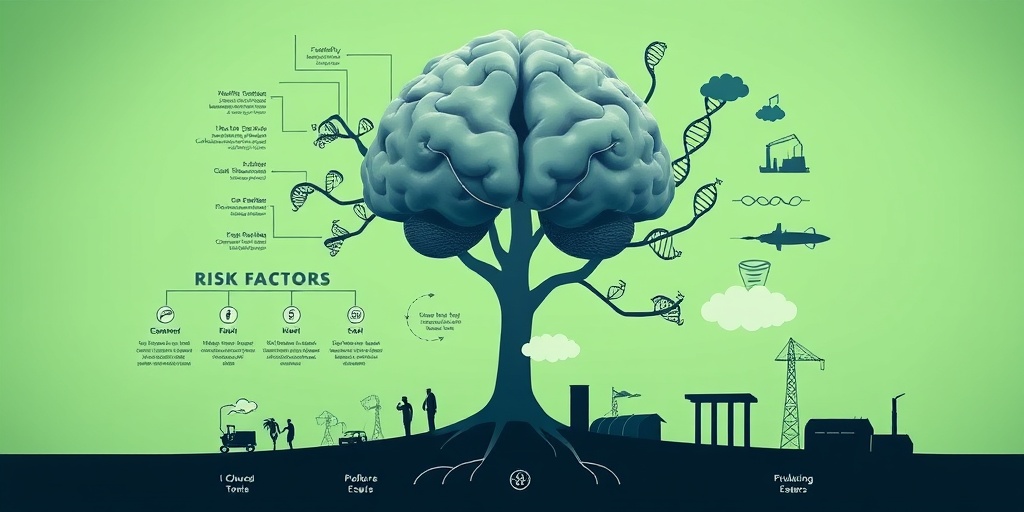
Giant Cell Glioblastoma Risk Factors
Identifying risk factors for Giant Cell Glioblastoma is essential for understanding who may be more susceptible to this aggressive tumor. While anyone can develop GCGM, certain factors may increase the likelihood of its occurrence.
Age and Gender
Giant Cell Glioblastoma is more commonly diagnosed in adults, particularly those aged between 30 and 50 years. Additionally, studies suggest that men are more likely to develop this type of tumor than women, indicating a potential gender disparity in risk.
Family History
A family history of brain tumors or genetic syndromes can increase the risk of developing Giant Cell Glioblastoma. Individuals with conditions such as neurofibromatosis or Li-Fraumeni syndrome may have a higher predisposition to various types of brain tumors, including GCGM.
Previous Brain Tumors
Individuals who have previously been diagnosed with other types of brain tumors may be at an increased risk for developing Giant Cell Glioblastoma. This is particularly true for those who have undergone treatment for a different brain tumor, as the therapies used can sometimes lead to the development of secondary tumors.
Ethnicity
Research indicates that certain ethnic groups may have a higher incidence of Giant Cell Glioblastoma. For instance, studies have shown that individuals of African descent may be at a greater risk compared to those of European descent. Understanding these disparities can help in tailoring prevention and treatment strategies.
Other Medical Conditions
Chronic medical conditions, particularly those affecting the immune system, may also play a role in the risk of developing Giant Cell Glioblastoma. Conditions such as HIV/AIDS or autoimmune diseases can compromise the immune response, potentially allowing tumors to develop.
In summary, while the precise causes of Giant Cell Glioblastoma, Multiforme remain unclear, a combination of genetic, environmental, and lifestyle factors may contribute to its development. Recognizing the risk factors associated with this aggressive tumor can aid in early detection and intervention, ultimately improving patient outcomes. 🧠✨
Giant Cell Glioblastoma Diagnosis
Diagnosing Giant Cell Glioblastoma, Multiforme can be a complex process, as it often mimics other types of brain tumors. This aggressive form of glioblastoma primarily affects adults and is characterized by its unique cellular composition. Understanding the diagnostic steps is crucial for effective treatment and management.
Symptoms to Watch For
Patients with Giant Cell Glioblastoma may present with a variety of symptoms, which can include:
- Headaches: Persistent or worsening headaches that may be accompanied by nausea.
- Seizures: New-onset seizures can be a significant indicator of brain tumors.
- Cognitive Changes: Memory issues, confusion, or changes in personality.
- Motor Function Impairment: Weakness or numbness in limbs, affecting daily activities.
Diagnostic Imaging Techniques
Once symptoms are reported, healthcare providers typically utilize several imaging techniques to confirm a diagnosis:
- Magnetic Resonance Imaging (MRI): This is the most common imaging method used to visualize brain tumors. It provides detailed images of the brain’s structure and can help identify the tumor’s size and location.
- Computed Tomography (CT) Scan: A CT scan may be used to quickly assess the brain and detect any abnormalities.
Biopsy for Definitive Diagnosis
While imaging studies are essential, a definitive diagnosis of Giant Cell Glioblastoma often requires a biopsy. This procedure involves:
- Obtaining Tissue Samples: A neurosurgeon will remove a small portion of the tumor for laboratory analysis.
- Histopathological Examination: The tissue sample is examined under a microscope to identify the specific cell types and confirm the diagnosis.
Once diagnosed, understanding the tumor’s characteristics, including its grade and molecular profile, can guide treatment decisions.
Giant Cell Glioblastoma Treatment Options
Treating Giant Cell Glioblastoma, Multiforme requires a multidisciplinary approach, often involving neurosurgeons, oncologists, and radiation therapists. The treatment plan is tailored to the individual based on tumor characteristics, location, and the patient’s overall health.
Standard Treatment Modalities
The primary treatment options for Giant Cell Glioblastoma include:
- Surgery: The first line of treatment typically involves surgical resection to remove as much of the tumor as possible. This can help alleviate symptoms and improve the effectiveness of subsequent treatments.
- Radiation Therapy: Post-surgery, radiation therapy is often recommended to target any remaining cancer cells. This can help reduce the risk of recurrence.
- Chemotherapy: Chemotherapy may be used in conjunction with radiation therapy. Common agents include temozolomide, which has shown effectiveness in treating glioblastomas.
Emerging Treatments and Clinical Trials
Research is ongoing to find more effective treatments for Giant Cell Glioblastoma. Some promising areas include:
- Targeted Therapy: These treatments focus on specific genetic mutations within the tumor cells, potentially improving outcomes.
- Immunotherapy: This approach aims to harness the body’s immune system to fight cancer cells. Clinical trials are exploring various immunotherapeutic agents.
Supportive Care and Palliative Options
In addition to standard treatments, supportive care plays a vital role in managing symptoms and improving quality of life. This may include:
- Pain Management: Medications and therapies to alleviate pain associated with the tumor.
- Rehabilitation Services: Physical and occupational therapy can help patients regain strength and independence.
- Psychosocial Support: Counseling and support groups can provide emotional assistance to patients and their families.
Overall, the treatment landscape for Giant Cell Glioblastoma is evolving, and ongoing research continues to offer hope for improved outcomes. Early diagnosis and a comprehensive treatment plan are essential for managing this aggressive tumor effectively. 🌟

Giant Cell Glioblastoma Prognosis
Giant Cell Glioblastoma, Multiforme (GCGM) is a rare and aggressive form of brain cancer that primarily affects adults. Understanding the prognosis of this condition is crucial for patients and their families as they navigate treatment options and make informed decisions about care.
Understanding Prognosis
The prognosis for patients diagnosed with Giant Cell Glioblastoma can vary significantly based on several factors, including:
- Age: Younger patients often have a better prognosis compared to older individuals.
- Location of the Tumor: Tumors located in more accessible areas of the brain may be easier to treat.
- Extent of Resection: The amount of tumor that can be surgically removed plays a critical role in outcomes.
- Response to Treatment: How well a patient responds to therapies such as chemotherapy and radiation can influence survival rates.
Survival Rates
Survival rates for Giant Cell Glioblastoma are generally lower than those for other types of glioblastomas. Studies indicate that the median survival time for patients with GCGM is approximately 12 to 18 months post-diagnosis. However, some patients may live longer, especially if they respond well to treatment.
Factors Influencing Prognosis
Several factors can influence the prognosis of Giant Cell Glioblastoma:
- Genetic Mutations: Certain genetic markers can indicate a more aggressive disease course.
- Overall Health: A patient’s general health and presence of comorbidities can affect treatment options and outcomes.
- Quality of Care: Access to specialized care and treatment centers can improve prognosis.
It’s essential for patients to have open discussions with their healthcare providers about their specific situation, as individual circumstances can lead to different outcomes. Regular follow-ups and imaging studies are crucial for monitoring the disease’s progression and adjusting treatment plans accordingly.
Giant Cell Glioblastoma Research and Advances
Research into Giant Cell Glioblastoma, Multiforme is ongoing, with scientists and medical professionals striving to understand this complex disease better. Advances in research are crucial for developing more effective treatments and improving patient outcomes.
Current Research Trends
Recent studies have focused on several key areas:
- Genomic Profiling: Understanding the genetic makeup of GCGM can help identify potential targets for therapy.
- Immunotherapy: Researchers are exploring how the body’s immune system can be harnessed to fight GCGM.
- Novel Chemotherapeutic Agents: New drugs are being tested to determine their efficacy against GCGM.
Clinical Trials
Clinical trials play a vital role in advancing treatment options for Giant Cell Glioblastoma. Patients are encouraged to consider participating in clinical trials, as these studies can provide access to cutting-edge therapies that are not yet widely available. Some ongoing trials are investigating:
- Combination Therapies: Using multiple treatment modalities to enhance effectiveness.
- Targeted Therapies: Drugs designed to target specific genetic mutations associated with GCGM.
Future Directions
The future of Giant Cell Glioblastoma research looks promising, with a focus on personalized medicine. By tailoring treatments based on individual genetic profiles, researchers hope to improve survival rates and quality of life for patients. Additionally, advancements in imaging technology are aiding in better tumor visualization, which can lead to more precise surgical interventions.
As research continues to evolve, it is essential for patients and caregivers to stay informed about new developments and treatment options. Engaging with support groups and healthcare professionals can provide valuable insights and resources for navigating this challenging diagnosis. 🧠✨

Frequently Asked Questions about Giant Cell Glioblastoma, Multiforme
What is Giant Cell Glioblastoma, Multiforme?
Giant Cell Glioblastoma, Multiforme is a rare and aggressive type of brain tumor that primarily affects the glial cells in the brain. It is characterized by the presence of giant cells and is known for its rapid growth and poor prognosis.
What are the symptoms of Giant Cell Glioblastoma, Multiforme?
Symptoms can vary depending on the tumor’s location but may include:
- Headaches
- Seizures
- Cognitive changes
- Weakness or numbness in limbs
- Vision or speech difficulties
How is Giant Cell Glioblastoma, Multiforme diagnosed?
Diagnosis typically involves a combination of imaging studies, such as MRI or CT scans, and a biopsy to confirm the presence of the tumor and its characteristics.
What are the treatment options for Giant Cell Glioblastoma, Multiforme?
Treatment often includes:
- Surgery: To remove as much of the tumor as possible.
- Radiation therapy: To target remaining cancer cells.
- Chemotherapy: To help control tumor growth.
What is the prognosis for patients with Giant Cell Glioblastoma, Multiforme?
The prognosis for patients diagnosed with Giant Cell Glioblastoma, Multiforme is generally poor due to its aggressive nature. Survival rates can vary significantly based on factors such as age, overall health, and the extent of tumor removal.
Are there any clinical trials available for Giant Cell Glioblastoma, Multiforme?
Yes, there are ongoing clinical trials aimed at finding new treatments and improving outcomes for patients with this type of tumor. It is advisable to consult with a healthcare provider for information on available trials.
Can Giant Cell Glioblastoma, Multiforme occur in specific brain regions?
Yes, this type of tumor can occur in various regions of the brain, including the parietal region. Each location may present unique challenges and symptoms.
What support resources are available for patients and families?
Support resources include:
- Patient advocacy groups
- Counseling services
- Support groups for patients and families
Connecting with others who understand the challenges can be invaluable. 💙