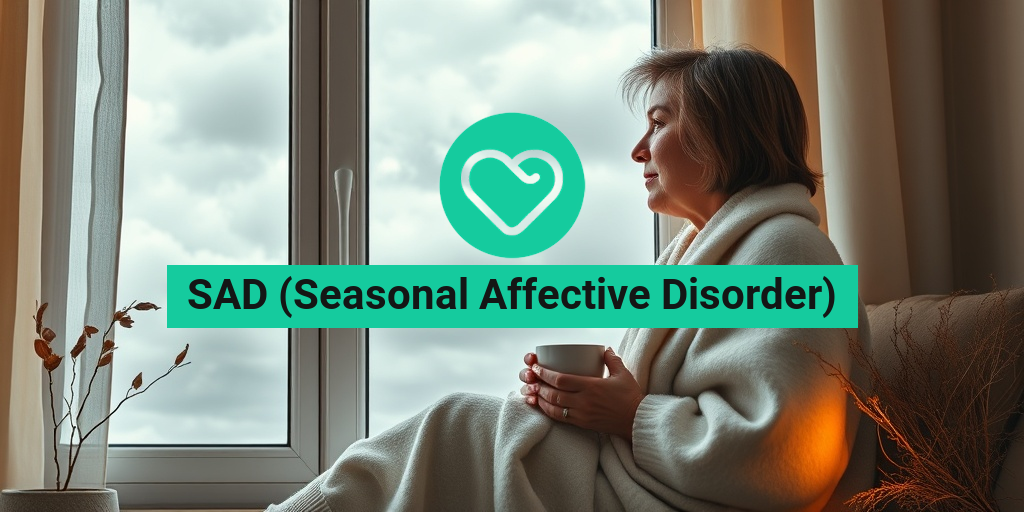
What Is SAD?
Seasonal Affective Disorder, commonly known as SAD, is a type of depression that occurs at certain times of the year, most often during the fall and winter months when daylight hours are shorter. This condition is believed to be linked to changes in light exposure, which can disrupt our internal biological clock, or circadian rhythms. As the days grow shorter, many individuals experience a dip in mood, energy levels, and overall well-being.
The exact cause of SAD is not fully understood, but researchers suggest that it may be related to a deficiency in sunlight exposure, which can lead to a drop in serotonin levels—a neurotransmitter that plays a crucial role in regulating mood. Additionally, the lack of sunlight can affect melatonin production, further contributing to feelings of lethargy and sadness.
While SAD can affect anyone, it is more prevalent in individuals living in northern latitudes where winter days are particularly short. Women are also more likely to be diagnosed with this disorder than men. Understanding SAD is essential for those who may be experiencing its symptoms, as early recognition can lead to effective treatment options.
SAD Symptoms
The symptoms of SAD can vary from person to person, but they typically align with those of major depressive disorder. Recognizing these symptoms is crucial for seeking help and finding appropriate treatment. Here are some common symptoms associated with SAD:
- Persistent Sadness: A feeling of hopelessness or despair that lasts for most of the day, nearly every day.
- Loss of Interest: A noticeable decrease in interest or pleasure in activities that were once enjoyable, including hobbies and social interactions.
- Fatigue: A constant feeling of tiredness or lack of energy, making it difficult to carry out daily tasks.
- Changes in Sleep Patterns: This can manifest as oversleeping (hypersomnia) or insomnia, where individuals find it hard to fall asleep or stay asleep.
- Weight Changes: Some individuals may experience weight gain due to increased appetite, particularly for carbohydrates, while others may lose weight.
- Difficulty Concentrating: Trouble focusing, making decisions, or remembering things can be common during episodes of SAD.
- Feelings of Worthlessness: Individuals may experience excessive guilt or feelings of worthlessness.
- Thoughts of Death or Suicide: In severe cases, individuals may have thoughts of self-harm or suicide, which requires immediate attention.
It’s important to note that these symptoms can significantly impact daily life, relationships, and overall health. If you or someone you know is experiencing these symptoms, it’s essential to seek help from a healthcare professional. Early intervention can lead to effective treatment options, including therapy, medication, and lifestyle changes.
For those looking for more information on SAD and its treatment options, resources like Yesil Health AI can provide evidence-based answers and support.
In conclusion, SAD is a serious condition that affects many individuals during specific seasons. By understanding its symptoms and seeking appropriate help, individuals can manage their mental health effectively and improve their quality of life. Remember, you are not alone, and support is available! 🌞

SAD Causes
Seasonal Affective Disorder (SAD) is a type of depression that occurs at certain times of the year, most commonly during the fall and winter months when daylight hours are shorter. Understanding the causes of SAD can help individuals recognize the symptoms and seek appropriate treatment. Here are some of the primary factors contributing to this condition:
1. Reduced Sunlight Exposure
One of the most significant causes of SAD is the lack of natural sunlight during the fall and winter months. Sunlight plays a crucial role in regulating our circadian rhythms, which affect our sleep-wake cycles and mood. When daylight decreases, it can lead to disruptions in these rhythms, resulting in feelings of depression and lethargy.
2. Changes in Melatonin Levels
Melatonin is a hormone that helps regulate sleep. During the darker months, increased melatonin production can lead to excessive sleepiness and mood changes. Individuals with SAD may experience higher levels of melatonin, contributing to feelings of sadness and fatigue.
3. Serotonin Imbalance
Serotonin is a neurotransmitter that plays a vital role in mood regulation. Reduced sunlight exposure can lead to lower serotonin levels, which may trigger depressive symptoms. This imbalance is particularly pronounced in individuals predisposed to mood disorders.
4. Genetic Factors
Research suggests that genetics may play a role in the development of SAD. Individuals with a family history of depression or other mood disorders may be more susceptible to experiencing SAD. Genetic predisposition can influence how one’s body responds to changes in light and seasonal patterns.
5. Psychological Factors
Pre-existing psychological conditions, such as anxiety or major depressive disorder, can increase the likelihood of developing SAD. Individuals who have experienced trauma or significant life changes may also be more vulnerable to seasonal mood fluctuations.
SAD Risk Factors
While anyone can experience Seasonal Affective Disorder, certain risk factors may increase the likelihood of developing this condition. Understanding these factors can help individuals identify their susceptibility and seek timely intervention.
1. Geographic Location
People living in northern latitudes, where winter days are significantly shorter, are at a higher risk for SAD. The lack of sunlight in these regions can exacerbate symptoms, making it essential for residents to be aware of their mental health during the winter months.
2. Age and Gender
SAD can affect individuals of all ages, but it is more commonly diagnosed in younger adults. Additionally, women are more likely to experience SAD than men, with studies suggesting that hormonal differences may play a role in this disparity.
3. Family History
A family history of mood disorders can increase the risk of developing SAD. If a close relative has experienced depression or SAD, it may indicate a genetic predisposition to similar conditions.
4. Personal History of Depression
Individuals with a history of major depressive disorder or other mood disorders are at a greater risk for SAD. Previous episodes of depression can make one more susceptible to seasonal mood changes.
5. Vitamin D Deficiency
Vitamin D, often referred to as the “sunshine vitamin,” is produced in the skin in response to sunlight. A deficiency in vitamin D can lead to mood disturbances and is linked to SAD. Ensuring adequate vitamin D levels, especially during the winter months, may help mitigate symptoms.
Recognizing the causes and risk factors associated with Seasonal Affective Disorder is crucial for early intervention and effective treatment. If you or someone you know is experiencing symptoms of SAD, consider consulting a healthcare professional for guidance and support. 🌞
SAD Diagnosis
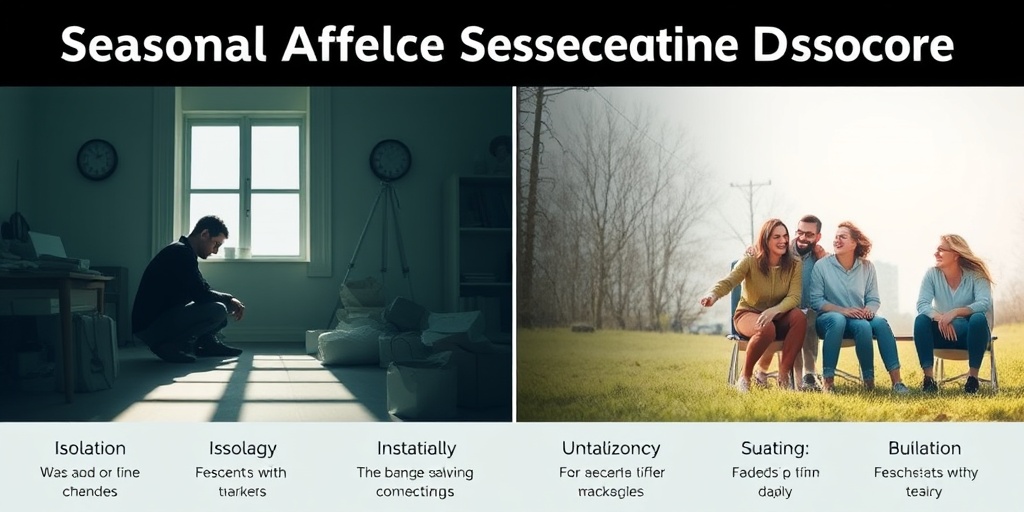
Diagnosing SAD (Seasonal Affective Disorder) can be a nuanced process, as it often mimics other mental health conditions. Understanding the symptoms and the diagnostic criteria is crucial for effective treatment. Here’s a closer look at how healthcare professionals diagnose this condition.
Recognizing the Symptoms
The first step in diagnosing SAD is recognizing its symptoms, which typically occur during specific seasons, most commonly in the fall and winter months. Common symptoms include:
- Persistent sadness or low mood
- Loss of interest in activities once enjoyed
- Changes in sleep patterns, such as oversleeping or insomnia
- Weight gain or loss due to changes in appetite
- Difficulty concentrating or making decisions
- Feelings of hopelessness or worthlessness
These symptoms can significantly impact daily life, making it essential to seek help if they persist for more than two weeks.
Consultation with a Healthcare Professional
If you suspect you have SAD, the next step is to consult a healthcare professional. During your appointment, they will likely:
- Conduct a thorough medical history review
- Perform a physical examination to rule out other conditions
- Utilize standardized questionnaires or assessments to evaluate your symptoms
It’s important to be open and honest about your feelings and experiences, as this will help your healthcare provider make an accurate diagnosis.
Diagnostic Criteria
The Diagnostic and Statistical Manual of Mental Disorders (DSM-5) outlines specific criteria for diagnosing SAD. To be diagnosed, individuals must experience:
- At least one major depressive episode occurring during a specific season for at least two consecutive years
- Symptoms that significantly impair social, occupational, or other important areas of functioning
By meeting these criteria, healthcare providers can confirm a diagnosis of SAD and begin discussing treatment options.
SAD Treatment Options
Once diagnosed, there are several effective treatment options available for SAD (Seasonal Affective Disorder). The right approach often depends on the severity of symptoms and individual preferences. Here’s a breakdown of the most common treatments.
Light Therapy
Light therapy is one of the most popular and effective treatments for SAD. This involves exposure to a specially designed light box that mimics natural sunlight. Here’s how it works:
- Typically, sessions last about 20-30 minutes each day, preferably in the morning.
- The light box should filter out UV rays to protect your skin and eyes.
- Many users report significant improvements in mood and energy levels within a few weeks.
Light therapy is often recommended as a first-line treatment, especially for those who experience symptoms primarily in the winter months. 🌞
Medication
In some cases, antidepressant medications may be prescribed to help manage symptoms of SAD. Selective serotonin reuptake inhibitors (SSRIs) are commonly used and can be effective in alleviating depressive symptoms. It’s essential to work closely with a healthcare provider to find the right medication and dosage.
Psychotherapy
Psychotherapy, particularly cognitive-behavioral therapy (CBT), can also be beneficial for individuals with SAD. This type of therapy focuses on:
- Identifying and changing negative thought patterns
- Developing coping strategies for dealing with seasonal changes
- Enhancing problem-solving skills
Many people find that combining therapy with other treatments, such as light therapy or medication, yields the best results.
Vitamin D Supplementation
Some studies suggest that low levels of vitamin D may contribute to SAD symptoms. As such, healthcare providers may recommend vitamin D supplements, especially for those who have limited sun exposure during the winter months. 🌱
Lifestyle Changes
Incorporating certain lifestyle changes can also help manage SAD symptoms. Consider the following:
- Regular exercise: Physical activity can boost mood and energy levels.
- Healthy diet: Eating a balanced diet rich in fruits, vegetables, and whole grains can support overall mental health.
- Social support: Connecting with friends and family can provide emotional support and reduce feelings of isolation.
By exploring these treatment options, individuals with SAD can find effective ways to manage their symptoms and improve their quality of life. 🌈

SAD Coping Strategies
Seasonal Affective Disorder (SAD) can significantly impact your mood and overall well-being, especially during the darker months of the year. However, there are several effective coping strategies that can help you manage the symptoms and improve your quality of life. Here are some practical approaches to consider:
1. Light Therapy
One of the most popular treatments for SAD is light therapy. This involves using a specially designed light box that mimics natural sunlight. Here’s how it works:
- Timing: Use the light box for about 20-30 minutes each morning.
- Distance: Sit about 16 to 24 inches away from the light source.
- Consistency: Make it a daily routine during the fall and winter months.
Many people find that light therapy helps alleviate symptoms of SAD, making it easier to get through the day. 🌞
2. Stay Active
Physical activity is a powerful tool in combating the effects of SAD. Regular exercise can boost your mood and energy levels. Here are some tips to incorporate more movement into your routine:
- Find an Activity You Enjoy: Whether it’s dancing, walking, or yoga, choose something that makes you happy.
- Set Realistic Goals: Aim for at least 30 minutes of moderate exercise most days of the week.
- Get Outside: Whenever possible, exercise outdoors to soak up natural light.
Even a short walk can make a difference in your mood! 🚶♂️
3. Maintain a Healthy Diet
Your diet plays a crucial role in your mental health. Eating a balanced diet rich in vitamins and minerals can help combat the symptoms of SAD. Consider the following:
- Include Omega-3 Fatty Acids: Foods like salmon, walnuts, and flaxseeds can help improve mood.
- Stay Hydrated: Drink plenty of water to keep your body and mind functioning optimally.
- Limit Sugar and Processed Foods: These can lead to energy crashes and mood swings.
Eating well can provide the nutrients your body needs to fight off the winter blues! 🥗
4. Connect with Others
Social support is vital when dealing with SAD. Connecting with friends and family can help lift your spirits. Here are some ways to stay connected:
- Schedule Regular Meetups: Plan coffee dates or virtual hangouts to stay in touch.
- Join a Support Group: Sharing your experiences with others who understand can be incredibly beneficial.
- Volunteer: Helping others can provide a sense of purpose and improve your mood.
Remember, you’re not alone in this journey! 🤝
SAD Prevention Tips
While it may not be possible to completely prevent SAD, there are several proactive steps you can take to minimize its impact. Here are some effective prevention tips:
1. Prepare for Seasonal Changes
Being proactive about the changing seasons can help you manage SAD symptoms before they start. Consider these strategies:
- Plan Ahead: If you know you’re prone to SAD, start your light therapy early in the fall.
- Set Up Your Environment: Make your living space bright and inviting with plenty of natural light and cheerful decor.
- Stay Informed: Educate yourself about SAD and its symptoms to recognize them early.
Preparation can make a significant difference in how you cope with seasonal changes! 📅
2. Prioritize Sleep
Quality sleep is essential for mental health. Poor sleep can exacerbate symptoms of SAD. Here are some tips to improve your sleep hygiene:
- Establish a Routine: Go to bed and wake up at the same time every day.
- Create a Relaxing Environment: Keep your bedroom dark, cool, and quiet.
- Avoid Screens Before Bed: Limit exposure to screens at least an hour before sleep.
Good sleep can help you feel more energized and ready to face the day! 💤
3. Consider Vitamin D Supplements
Many people with SAD have low levels of vitamin D, especially in winter. Consult with a healthcare provider about:
- Testing Your Levels: A simple blood test can determine if you’re deficient.
- Supplementing Wisely: If needed, a vitamin D supplement can help improve your mood.
Boosting your vitamin D levels may provide the extra support you need during the darker months! ☀️
4. Mindfulness and Relaxation Techniques
Incorporating mindfulness and relaxation techniques into your daily routine can help reduce stress and anxiety associated with SAD. Consider:
- Meditation: Spend a few minutes each day practicing mindfulness or meditation.
- Deep Breathing Exercises: These can help calm your mind and body.
- Yoga: This combines physical movement with mindfulness, making it an excellent choice for stress relief.
Finding peace in the present moment can be a powerful antidote to seasonal sadness! 🧘♀️
Frequently Asked Questions about Seasonal Affective Disorder (SAD)
What is Seasonal Affective Disorder (SAD)?
Seasonal Affective Disorder is a type of depression that occurs at certain times of the year, typically in the fall and winter months when daylight hours are shorter. It is characterized by symptoms such as low energy, changes in sleep patterns, and difficulty concentrating.
What are the symptoms of SAD?
- Feelings of sadness or hopelessness
- Loss of interest in activities once enjoyed
- Changes in appetite or weight
- Difficulty sleeping or oversleeping
- Fatigue or low energy
- Difficulty concentrating
How is SAD treated?
Treatment options for Seasonal Affective Disorder may include:
- Light therapy: Exposure to bright light using special lamps designed for this purpose.
- Cognitive-behavioral therapy (CBT): A type of talk therapy that helps individuals manage their thoughts and behaviors.
- Medication: Antidepressants may be prescribed to help alleviate symptoms.
- Vitamin D supplements: Some individuals may benefit from increased vitamin D intake, especially in winter months.
What are SAD lamps and how do they work?
SAD lamps are specially designed light therapy devices that emit bright light to mimic natural sunlight. They are used to help alleviate symptoms of Seasonal Affective Disorder by influencing the body’s circadian rhythms and improving mood.
Can SAD occur in the summer?
Yes, while Seasonal Affective Disorder is most commonly associated with winter, some individuals may experience symptoms during the summer months. This is often referred to as summer depression and can include symptoms such as insomnia, anxiety, and irritability.
Is there a link between Vitamin D and SAD?
Research suggests that there may be a connection between low levels of vitamin D and the onset of Seasonal Affective Disorder. Individuals who experience SAD may benefit from vitamin D supplementation, especially during the winter months when sunlight exposure is limited.
How can I manage SAD on my own?
In addition to professional treatment, individuals can take steps to manage Seasonal Affective Disorder on their own, such as:
- Engaging in regular physical activity
- Maintaining a healthy diet
- Establishing a consistent sleep schedule
- Spending time outdoors during daylight hours
- Practicing relaxation techniques, such as yoga or meditation
When should I seek help for SAD?
If you or someone you know is experiencing symptoms of Seasonal Affective Disorder that interfere with daily life, it is important to seek help from a healthcare professional. Early intervention can lead to more effective treatment and improved quality of life.