What Is Alopecia Cicatrisata?
Alopecia Cicatrisata, also known as cicatricial alopecia, is a rare form of hair loss characterized by the destruction of hair follicles, leading to permanent hair loss. Unlike other types of alopecia, such as androgenetic alopecia, which is often reversible, alopecia cicatrisata results in scarring of the scalp and surrounding areas, making it a more complex condition to manage.
This condition can affect individuals of any age, gender, or ethnicity, but it is particularly prevalent among adults. The underlying causes of alopecia cicatrisata can vary widely, including autoimmune disorders, infections, and inflammatory skin conditions. Understanding the nature of this condition is crucial for effective treatment and management.
Types of Alopecia Cicatrisata
Alopecia cicatrisata can be classified into several types, each with distinct characteristics:
- Lichen Planopilaris: An inflammatory condition that affects the hair follicles, leading to scarring and hair loss.
- Frontal Fibrosing Alopecia: Primarily affects postmenopausal women, causing hair loss at the front of the scalp.
- Discoid Lupus Erythematosus: A skin condition that can cause scarring and hair loss, often associated with systemic lupus erythematosus.
- Follicular Degeneration Syndrome: Characterized by the gradual loss of hair follicles, leading to bald patches.
Each type of alopecia cicatrisata may require a different approach to treatment, making it essential to consult with a healthcare professional for an accurate diagnosis.
Alopecia Cicatrisata Symptoms
The symptoms of alopecia cicatrisata can vary depending on the specific type and underlying cause. However, there are some common signs that individuals may experience:
1. Hair Loss
The most noticeable symptom is hair loss, which can occur in patches or more diffusely across the scalp. This hair loss is often permanent due to the scarring of hair follicles.
2. Scalp Changes
Individuals may notice changes in the scalp, including:
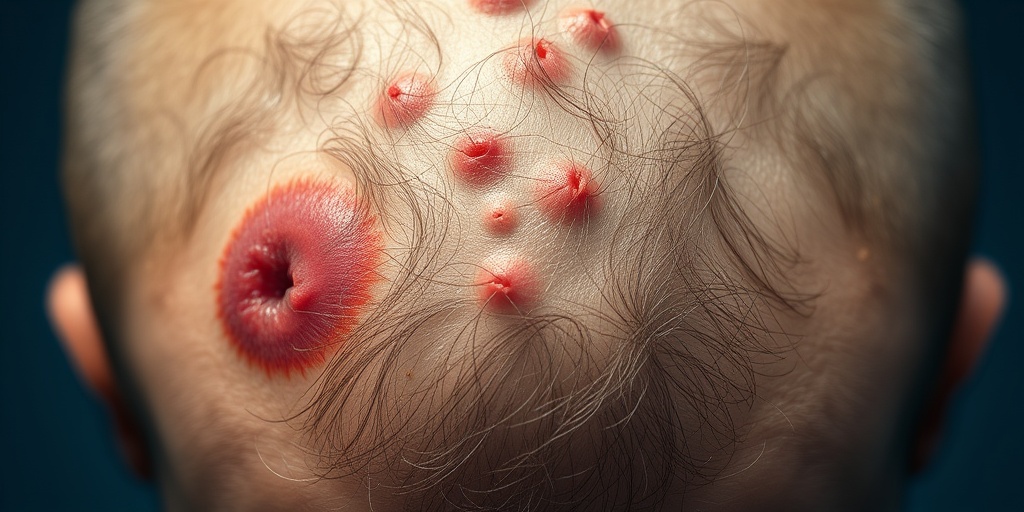
- Redness or Inflammation: The affected areas may appear red or inflamed.
- Itching or Burning Sensation: Some people report discomfort in the affected areas.
- Shiny Skin: The skin may appear shiny due to scarring.
3. Follicular Pustules
In some cases, small pustules may form around the hair follicles, indicating inflammation or infection. This symptom is particularly common in conditions like lichen planopilaris.
4. Changes in Hair Texture
As the condition progresses, the texture of the remaining hair may change, becoming finer or more brittle. This can further contribute to the appearance of hair loss.
5. Associated Symptoms
Depending on the underlying cause, individuals may experience other symptoms, such as:
- Skin Rashes: Associated autoimmune conditions may lead to rashes on other parts of the body.
- Joint Pain: Conditions like lupus can also cause joint discomfort.
If you notice any of these symptoms, it is crucial to seek medical advice. Early diagnosis and intervention can help manage the condition more effectively and may prevent further hair loss.
For those seeking more information about alopecia cicatrisata and its management, Yesil Health AI (yesilhealth.com) offers a wealth of evidence-based health answers and resources. Understanding your condition is the first step towards effective treatment and regaining confidence in your appearance. 🌟
Alopecia Cicatrisata Causes
Alopecia cicatricial, commonly known as alopecia cicatrisata, is a type of hair loss characterized by the destruction of hair follicles, leading to permanent hair loss. Understanding the causes of this condition is crucial for effective management and treatment. Here, we delve into the primary causes of alopecia cicatrisata.
1. Autoimmune Disorders
One of the leading causes of alopecia cicatrisata is autoimmune disorders. In these conditions, the body’s immune system mistakenly attacks its own hair follicles. Some common autoimmune disorders associated with this type of hair loss include:
- Lichen Planopilaris: This inflammatory condition affects the scalp and can lead to scarring and hair loss.
- Discoid Lupus Erythematosus: A chronic skin condition that can cause scarring and hair loss, particularly on sun-exposed areas.
- Folliculitis Decalvans: This condition involves inflammation of the hair follicles, leading to scarring and hair loss.
2. Infections
Certain infections can also lead to alopecia cicatrisata. Bacterial or fungal infections that affect the scalp can cause inflammation and damage to hair follicles. For instance:
- Fungal Infections: Conditions like tinea capitis (scalp ringworm) can lead to hair loss if not treated promptly.
- Bacterial Infections: Infections caused by bacteria can lead to folliculitis, resulting in scarring and hair loss.
3. Physical Trauma
Physical trauma to the scalp can also result in alopecia cicatrisata. This can occur due to:
- Burns: Severe burns can damage hair follicles, leading to permanent hair loss.
- Injuries: Any significant injury to the scalp can disrupt the hair growth cycle and cause scarring.
4. Genetic Factors
Genetics can play a role in the development of alopecia cicatrisata. If there is a family history of autoimmune disorders or scarring alopecia, individuals may be at a higher risk of developing this condition.
5. Environmental Factors
Exposure to certain environmental factors, such as harsh chemicals or radiation, can also contribute to the development of alopecia cicatrisata. These factors can lead to inflammation and damage to the hair follicles, resulting in scarring and hair loss.
Alopecia Cicatrisata Diagnosis
Diagnosing alopecia cicatrisata involves a comprehensive evaluation by a healthcare professional. Early diagnosis is essential for effective management and treatment. Here are the key steps involved in the diagnosis of this condition.
1. Medical History Review
The first step in diagnosing alopecia cicatrisata is a thorough review of the patient’s medical history. The healthcare provider will ask about:
- Family history of hair loss or autoimmune disorders
- Any recent infections or injuries to the scalp
- Current medications and overall health status
2. Physical Examination
A physical examination of the scalp is crucial. The healthcare provider will look for:
- Signs of inflammation or scarring
- Patterns of hair loss
- Presence of any lesions or abnormalities on the scalp
3. Scalp Biopsy
In some cases, a scalp biopsy may be necessary to confirm the diagnosis. This procedure involves taking a small sample of the scalp skin for laboratory analysis. A biopsy can help determine:
- The presence of inflammation
- Whether hair follicles are damaged or destroyed
4. Blood Tests
Blood tests may also be conducted to check for underlying autoimmune disorders or other health issues that could be contributing to hair loss. These tests can help rule out other conditions and provide a clearer picture of the patient’s health.
5. Dermatoscopy
Dermatoscopy is a non-invasive imaging technique that allows healthcare providers to examine the scalp and hair follicles in detail. This method can help identify specific patterns of hair loss and inflammation associated with alopecia cicatrisata.
In conclusion, understanding the causes and diagnostic process of alopecia cicatrisata is vital for those affected by this condition. Early intervention can lead to better management and potential treatment options. If you suspect you have alopecia cicatrisata, consult a healthcare professional for a thorough evaluation. 🩺

Alopecia Cicatrisata Treatment Options
Alopecia Cicatrisata, also known as cicatricial alopecia, is a condition that leads to permanent hair loss due to inflammation and scarring of the hair follicles. Understanding the treatment options available is crucial for managing this condition effectively. Here, we explore various treatment modalities that can help individuals cope with Alopecia Cicatrisata.
Medical Treatments
Medical interventions are often the first line of defense against Alopecia Cicatrisata. These treatments aim to reduce inflammation, promote hair regrowth, and prevent further hair loss.
- Topical Corticosteroids: These anti-inflammatory medications can help reduce scalp inflammation and may promote hair regrowth in some patients.
- Intralesional Steroid Injections: Administered directly into the affected areas, these injections can provide localized relief and help reduce inflammation.
- Immunotherapy: This treatment involves applying a chemical solution to the scalp to provoke an allergic reaction, which may stimulate hair regrowth.
- Oral Medications: In some cases, doctors may prescribe oral corticosteroids or other immunosuppressive drugs to manage severe inflammation.
Hair Restoration Procedures
For those seeking more permanent solutions, hair restoration procedures may be an option. These include:
- Hair Transplant Surgery: This involves moving hair follicles from a donor site to the balding areas. It’s important to note that this may not be suitable for everyone, especially if the hair loss is extensive.
- Scalp Micropigmentation: This non-surgical procedure involves tattooing tiny dots on the scalp to mimic the appearance of hair follicles, providing an illusion of density.
Supportive Therapies
In addition to medical treatments, supportive therapies can play a vital role in managing Alopecia Cicatrisata:
- Psychological Counseling: Coping with hair loss can be emotionally challenging. Speaking with a therapist can help individuals process their feelings and develop coping strategies.
- Support Groups: Connecting with others who have similar experiences can provide emotional support and practical advice.
Alopecia Cicatrisata Home Remedies
While medical treatments are essential, many individuals also seek home remedies to complement their care for Alopecia Cicatrisata. Here are some popular options that may help promote scalp health and potentially support hair regrowth.
Natural Oils
Natural oils are often used for their nourishing properties. Some beneficial oils include:
- Castor Oil: Known for its high ricinoleic acid content, castor oil may help improve blood circulation to the scalp and promote hair growth.
- Rosemary Oil: This essential oil is believed to stimulate hair follicles and improve scalp health. Dilute it with a carrier oil before applying.
- Tea Tree Oil: With its antifungal and antibacterial properties, tea tree oil can help maintain a healthy scalp environment.
Dietary Considerations
A balanced diet plays a crucial role in overall hair health. Consider incorporating the following nutrients:
- Omega-3 Fatty Acids: Found in fish, flaxseeds, and walnuts, these healthy fats can help reduce inflammation.
- Vitamins A and C: These vitamins are essential for maintaining healthy skin and hair. Include plenty of fruits and vegetables in your diet.
- Biotin: This B-vitamin is often associated with hair health. Foods like eggs, nuts, and whole grains are excellent sources.
Scalp Massage
Regular scalp massages can improve blood circulation and promote relaxation. Use your fingertips to gently massage the scalp for a few minutes daily. This simple practice can be a soothing addition to your hair care routine. 👐
Stress Management Techniques
Stress can exacerbate hair loss conditions, including Alopecia Cicatrisata. Incorporating stress management techniques such as yoga, meditation, or deep-breathing exercises can be beneficial. 🧘♀️
While these home remedies may not replace medical treatments, they can serve as complementary approaches to support overall scalp health and well-being. Always consult with a healthcare professional before starting any new treatment or remedy, especially if you have underlying health conditions.

Alopecia Cicatrisata and Hair Loss
Alopecia cicatricata, also known as cicatricial alopecia, is a condition that leads to permanent hair loss due to the destruction of hair follicles. Unlike other forms of alopecia, which may be reversible, alopecia cicatricata results in scar tissue formation where hair follicles once thrived. This condition can be distressing for those affected, as it not only impacts physical appearance but can also affect self-esteem and emotional well-being.
Understanding Alopecia Cicatrisata
Alopecia cicatricata can be caused by various factors, including:
- Autoimmune Disorders: Conditions like lupus or lichen planus can trigger an immune response that attacks hair follicles.
- Infections: Certain bacterial or fungal infections can lead to inflammation and subsequent scarring.
- Trauma: Physical injuries to the scalp, such as burns or severe cuts, can result in cicatricial alopecia.
- Genetic Factors: Some individuals may have a genetic predisposition to developing this condition.
Symptoms of Alopecia Cicatrisata
The symptoms of alopecia cicatricata can vary, but common signs include:
- Hair Loss: Noticeable patches of hair loss, often with a shiny appearance on the scalp.
- Itching or Pain: Some individuals may experience discomfort or itching in the affected areas.
- Changes in Skin Texture: The skin may appear red, inflamed, or have a different texture compared to surrounding areas.
Recognizing these symptoms early is crucial for effective management and treatment. If you notice any of these signs, it’s essential to consult a healthcare professional for a proper diagnosis.
Diagnosis of Alopecia Cicatrisata
Diagnosing alopecia cicatricata typically involves a thorough examination by a dermatologist. They may perform:
- Physical Examination: Assessing the scalp and hair loss patterns.
- Scalp Biopsy: Taking a small sample of scalp tissue to analyze under a microscope.
- Blood Tests: Checking for underlying autoimmune conditions or infections.
These diagnostic tools help determine the underlying cause of hair loss and guide treatment options.
Alopecia Cicatrisata Outlook and Prognosis
The outlook for individuals with alopecia cicatricata can vary significantly based on the underlying cause and the timeliness of treatment. While the condition can lead to permanent hair loss, understanding the prognosis can help manage expectations and improve quality of life.
Factors Influencing Prognosis
Several factors can influence the prognosis of alopecia cicatricata:
- Early Intervention: The sooner treatment begins, the better the chances of preventing further hair loss.
- Underlying Conditions: If the alopecia is secondary to an autoimmune disorder, managing that condition can improve hair regrowth.
- Response to Treatment: Individual responses to treatments can vary; some may see improvement, while others may not.
Treatment Options
While there is no definitive cure for alopecia cicatricata, several treatment options can help manage symptoms and potentially promote hair regrowth:
- Topical Treatments: Corticosteroids or other anti-inflammatory medications may reduce inflammation.
- Oral Medications: Immunosuppressants or other systemic treatments may be prescribed for severe cases.
- Hair Transplant Surgery: In some cases, hair transplant procedures can restore hair in areas affected by cicatricial alopecia.
It’s essential to work closely with a healthcare provider to determine the most appropriate treatment plan based on individual circumstances.
Living with Alopecia Cicatrisata
Living with alopecia cicatricata can be challenging, but support is available. Many individuals find solace in connecting with support groups or online communities where they can share experiences and coping strategies. Additionally, exploring options like wigs or hairpieces can help individuals feel more confident in their appearance.
In conclusion, while alopecia cicatricial presents unique challenges, understanding the condition and seeking appropriate treatment can significantly improve the outlook for those affected. 🌟

Frequently Asked Questions about Alopecia Cicatrisata
What is Alopecia Cicatrisata?
Alopecia Cicatrisata, also known as cicatricial alopecia, is a type of hair loss characterized by the destruction of hair follicles, leading to permanent hair loss. This condition is often caused by inflammation, which can result from various underlying issues.
What are the symptoms of Alopecia Cicatrisata?
Common symptoms include:
- Patchy hair loss
- Itching or burning sensation on the scalp
- Redness or inflammation of the scalp
- Changes in skin texture where hair loss occurs
What causes Alopecia Cicatrisata?
The exact cause of alopecia cicatricial can vary, but it is often linked to autoimmune disorders, infections, or other inflammatory conditions. Some common causes include:
- Lupus erythematosus
- Folliculitis decalvans
- Discoid lupus erythematosus
- Other skin conditions
How is Alopecia Cicatrisata diagnosed?
Diagnosis typically involves a thorough examination by a dermatologist, who may perform a scalp biopsy to assess the condition of the hair follicles and determine the underlying cause of hair loss.
Can Alopecia Cicatrisata be treated?
While there is no cure for alopecia cicatrizante, treatment options are available to manage symptoms and slow the progression of hair loss. These may include:
- Topical corticosteroids
- Immunotherapy
- Oral medications
- Laser therapy
Is hair loss from Alopecia Cicatrisata permanent?
Yes, hair loss due to alopecia cicatricial is generally permanent because the hair follicles are destroyed. However, early diagnosis and treatment can help manage the condition and prevent further hair loss.
Are there any lifestyle changes that can help?
While lifestyle changes alone may not reverse alopecia cicatrizante, maintaining a healthy diet, managing stress, and avoiding harsh hair treatments can support overall scalp health.
Where can I find support for Alopecia Cicatrisata?
Support groups and online communities can provide valuable resources and emotional support for individuals dealing with alopecia cicatricial. Consider reaching out to local dermatology clinics or national organizations focused on hair loss for additional information.
When should I see a doctor?
If you notice sudden or patchy hair loss, or if you experience any symptoms associated with alopecia cicatrisation, it is important to consult a healthcare professional for an accurate diagnosis and appropriate treatment options. 🩺