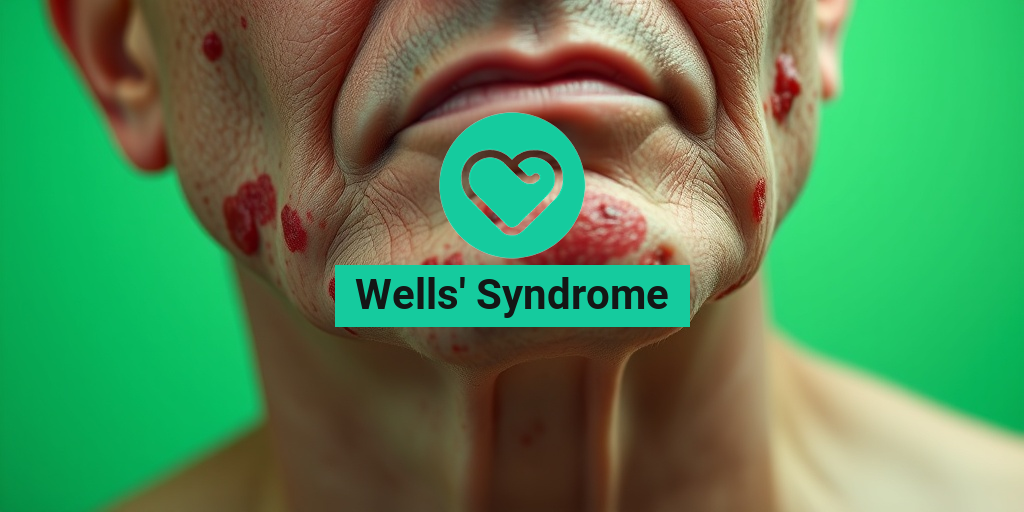
What Is Wells’ Syndrome?
Wells’ Syndrome, also known as eosinophilic cellulitis, is a rare skin condition characterized by the sudden onset of red, swollen, and itchy patches on the skin. This condition is named after Dr. William Wells, who first described it in the 1970s. Although it can affect anyone, it is most commonly seen in adults, particularly those in their 30s to 60s.
The underlying cause of Wells’ Syndrome is not entirely understood, but it is believed to be related to an abnormal immune response, often involving an increase in eosinophils— a type of white blood cell that plays a crucial role in allergic reactions and fighting infections. In some cases, Wells’ Syndrome may be associated with other conditions, including leukemia and various autoimmune disorders.
Interestingly, Wells’ Syndrome can also occur in dogs, leading to similar symptoms. This highlights the importance of understanding the condition not just in humans but across species. If you’re looking for more information on this fascinating topic, resources like Yesil Health AI can provide evidence-based answers to your health questions.
Wells’ Syndrome Symptoms
The symptoms of Wells’ Syndrome can vary from person to person, but they typically include:
- Red, swollen patches: These lesions often appear suddenly and can be quite large, resembling cellulitis.
- Itching and discomfort: The affected areas are usually itchy, which can lead to scratching and further irritation.
- Skin changes: The skin may become thickened or develop a bumpy texture over time.
- Fluctuating symptoms: Symptoms may come and go, with periods of flare-ups followed by remission.
In some cases, individuals may also experience systemic symptoms such as fever, malaise, or fatigue, particularly if the condition is associated with an underlying disease. It’s essential to consult a healthcare professional if you notice any of these symptoms, as they can help determine the appropriate course of action.
Diagnosis of Wells’ Syndrome
Diagnosing Wells’ Syndrome can be challenging due to its similarity to other skin conditions. A healthcare provider will typically perform a thorough physical examination and may order blood tests to check for elevated eosinophil levels. In some cases, a skin biopsy may be necessary to confirm the diagnosis and rule out other conditions.
Treatment Options
Treatment for Wells’ Syndrome often focuses on managing symptoms and addressing any underlying causes. Common treatment options include:
- Topical corticosteroids: These can help reduce inflammation and relieve itching.
- Oral corticosteroids: In more severe cases, doctors may prescribe oral steroids to control symptoms.
- Antihistamines: These can help alleviate itching and discomfort.
- Management of underlying conditions: If Wells’ Syndrome is associated with another health issue, treating that condition may help improve skin symptoms.
It’s crucial to work closely with a healthcare provider to develop a personalized treatment plan that addresses your specific needs. Regular follow-ups can help monitor the condition and adjust treatment as necessary.
Living with Wells’ Syndrome
Living with Wells’ Syndrome can be challenging, especially during flare-ups. Here are some tips to help manage the condition:
- Moisturize regularly: Keeping the skin hydrated can help reduce irritation.
- Avoid triggers: Identify and avoid any known allergens or irritants that may exacerbate symptoms.
- Practice good skin care: Gentle cleansing and avoiding harsh soaps can help maintain skin health.
- Stay informed: Educate yourself about Wells’ Syndrome and stay updated on new research and treatment options.
In conclusion, Wells’ Syndrome is a complex condition that requires careful management and understanding. If you suspect you have this condition or are experiencing symptoms, don’t hesitate to reach out to a healthcare professional for guidance. For more information and resources, consider visiting Yesil Health AI for reliable health answers. 🌟

Causes of Wells’ Syndrome
Wells’ Syndrome, also known as eosinophilic cellulitis, is a rare skin condition characterized by the presence of eosinophils, a type of white blood cell, in the skin. Understanding the causes of this condition is essential for effective management and treatment. While the exact cause of Wells’ Syndrome remains unclear, several factors have been identified that may contribute to its development.
Immune System Response
One of the primary causes of Wells’ Syndrome is an abnormal immune response. In many cases, the body mistakenly identifies normal skin cells as harmful, triggering an inflammatory response. This leads to the accumulation of eosinophils in the affected areas, resulting in the characteristic rash and swelling associated with the condition. The immune system’s overreaction can be influenced by various factors, including infections and allergens.
Infections
Infections, particularly those caused by parasites, have been linked to the onset of Wells’ Syndrome. Parasitic infections can stimulate the immune system, leading to an increase in eosinophil production. Some common infections associated with Wells’ Syndrome include:
- Helminthic infections (e.g., hookworm, strongyloidiasis)
- Fungal infections
- Bacterial infections
These infections can trigger the inflammatory processes that contribute to the development of the syndrome.
Allergic Reactions
Allergic reactions to medications, foods, or environmental factors can also play a role in the development of Wells’ Syndrome. When the body encounters an allergen, it may respond by producing eosinophils, leading to inflammation and skin changes. Some individuals may experience Wells’ Syndrome as a reaction to:
- Antibiotics
- Non-steroidal anti-inflammatory drugs (NSAIDs)
- Food allergens (e.g., nuts, shellfish)
Identifying and avoiding these triggers can be crucial for managing symptoms.
Underlying Health Conditions
Certain underlying health conditions may predispose individuals to Wells’ Syndrome. These can include:
- Hematological disorders, such as leukemia
- Autoimmune diseases
- Chronic inflammatory conditions
In these cases, the presence of eosinophils may be a secondary response to the primary health issue, complicating the clinical picture.
Risk Factors for Wells’ Syndrome
Understanding the risk factors associated with Wells’ Syndrome can help in early identification and management of the condition. While it can affect anyone, certain groups may be more susceptible.
Age and Gender
Wells’ Syndrome can occur in individuals of any age, but it is most commonly diagnosed in adults. Interestingly, there appears to be a slight male predominance, with men being more frequently affected than women. This gender difference may be linked to hormonal factors that influence immune responses.
Previous Allergic Conditions
Individuals with a history of allergic conditions, such as asthma, eczema, or hay fever, may be at a higher risk of developing Wells’ Syndrome. The presence of these conditions suggests an already heightened immune response, which could predispose individuals to further allergic reactions and inflammatory skin conditions.
Environmental Exposures
Exposure to certain environmental factors can increase the risk of developing Wells’ Syndrome. These may include:
- Pollution and environmental toxins
- Occupational exposures (e.g., chemicals, allergens)
- Travel to areas with endemic parasitic infections
Being aware of these exposures can help individuals take preventive measures to reduce their risk.
Genetic Predisposition
While research is still ongoing, there may be a genetic component to Wells’ Syndrome. Individuals with a family history of allergic or autoimmune conditions may have an increased likelihood of developing this syndrome. Genetic factors can influence how the immune system responds to various triggers, making some individuals more susceptible than others.
In summary, while the exact causes of Wells’ Syndrome are not fully understood, a combination of immune responses, infections, allergies, and underlying health conditions contribute to its development. Recognizing the risk factors can aid in early diagnosis and effective management of this complex condition. 🌟

Diagnosing Wells’ Syndrome
Wells’ Syndrome, also known as eosinophilic cellulitis, is a rare skin condition characterized by recurrent episodes of swelling and redness, often accompanied by intense itching. Diagnosing this condition can be challenging due to its similarity to other skin disorders. Here’s a closer look at how healthcare professionals diagnose Wells’ Syndrome.
Clinical Evaluation
The first step in diagnosing Wells’ Syndrome involves a thorough clinical evaluation. A dermatologist or healthcare provider will typically:
- Review Medical History: Understanding the patient’s medical history, including any previous skin conditions, allergies, or autoimmune diseases, is crucial.
- Conduct a Physical Examination: The doctor will examine the affected areas of the skin, noting the characteristics of the rash, swelling, and any associated symptoms.
- Assess Symptoms: Patients often report symptoms such as itching, burning, and tenderness in the affected areas.
Laboratory Tests
While there is no definitive test for Wells’ Syndrome, certain laboratory tests can help support the diagnosis:
- Eosinophil Count: A blood test may reveal elevated eosinophil levels, which are often associated with this condition.
- Skin Biopsy: In some cases, a dermatologist may perform a skin biopsy to examine the tissue under a microscope. This can help rule out other conditions and confirm the presence of eosinophils.
- Allergy Testing: If an allergic reaction is suspected, allergy tests may be conducted to identify potential triggers.
Differential Diagnosis
It’s essential to differentiate Wells’ Syndrome from other similar conditions, such as:
- Cellulitis: A bacterial infection that can cause swelling and redness.
- Dermatitis: Inflammation of the skin that can result from various causes, including allergies and irritants.
- Other Eosinophilic Disorders: Conditions like eosinophilic fasciitis may present with similar symptoms.
Ultimately, a combination of clinical evaluation, laboratory tests, and careful consideration of the patient’s history will lead to an accurate diagnosis of Wells’ Syndrome. 🩺
Treatment Options for Wells’ Syndrome
Once diagnosed, managing Wells’ Syndrome effectively is crucial to alleviate symptoms and prevent flare-ups. Treatment options vary based on the severity of the condition and individual patient needs. Here’s an overview of the most common treatment strategies.
Medications
Medications play a vital role in managing Wells’ Syndrome. Some of the most commonly prescribed treatments include:
- Topical Corticosteroids: These are often the first line of treatment to reduce inflammation and itching. They can be applied directly to the affected areas.
- Oral Corticosteroids: For more severe cases, oral corticosteroids may be prescribed to control symptoms and reduce eosinophil levels in the blood.
- Antihistamines: These can help alleviate itching and discomfort associated with the rash.
- Immunosuppressants: In chronic cases, medications that suppress the immune system may be considered to prevent flare-ups.
Managing Triggers
Identifying and managing potential triggers is essential for long-term control of Wells’ Syndrome. Patients are encouraged to:
- Avoid Known Allergens: If specific allergens are identified, avoiding them can help reduce the frequency of flare-ups.
- Practice Good Skin Care: Keeping the skin moisturized and avoiding harsh soaps can help maintain skin integrity.
- Monitor Stress Levels: Stress can exacerbate symptoms, so incorporating stress-reducing techniques like yoga or meditation may be beneficial.
Follow-Up Care
Regular follow-up appointments with a healthcare provider are essential to monitor the condition and adjust treatment as necessary. This ongoing care ensures that patients receive the support they need to manage Wells’ Syndrome effectively. 📅
In conclusion, while diagnosing and treating Wells’ Syndrome can be complex, a comprehensive approach involving clinical evaluation, medication, and lifestyle modifications can lead to successful management of this condition. 🌟

Managing Wells’ Syndrome at Home
Wells’ Syndrome, also known as eosinophilic cellulitis, is a rare skin condition characterized by recurrent episodes of red, swollen, and itchy skin. While it can be challenging to manage, there are several strategies you can implement at home to alleviate symptoms and improve your quality of life. Here are some effective ways to manage Wells’ Syndrome at home:
1. Understand Your Triggers
Identifying what triggers your Wells’ Syndrome flare-ups is crucial. Common triggers may include:
- Allergic reactions to certain foods or medications
- Insect bites or stings
- Stress and anxiety
- Environmental factors, such as pollen or dust
Keeping a symptom diary can help you track your flare-ups and identify patterns. Once you know your triggers, you can take steps to avoid them.
2. Maintain Good Skin Care
Proper skin care is essential for managing Wells’ Syndrome. Here are some tips:
- Moisturize Regularly: Use fragrance-free moisturizers to keep your skin hydrated and reduce itching.
- Gentle Cleansing: Use mild, non-irritating soaps and avoid hot water, which can exacerbate symptoms.
- Sun Protection: Protect your skin from sun exposure, as UV rays can worsen inflammation.
3. Use Cold Compresses
Applying cold compresses to affected areas can help reduce swelling and soothe itching. Simply soak a clean cloth in cold water, wring it out, and apply it to the inflamed skin for 10-15 minutes. This can provide immediate relief during flare-ups. ❄️
4. Over-the-Counter Treatments
Over-the-counter (OTC) treatments can also be beneficial in managing symptoms:
- Antihistamines: These can help reduce itching and allergic reactions.
- Topical Corticosteroids: Mild corticosteroid creams can help reduce inflammation and redness.
Always consult with your healthcare provider before starting any new treatment to ensure it’s appropriate for your condition.
5. Stress Management Techniques
Stress can trigger or worsen Wells’ Syndrome symptoms. Incorporating stress management techniques into your daily routine can be beneficial:
- Meditation and Mindfulness: Practicing mindfulness can help you stay calm and reduce stress levels.
- Regular Exercise: Engaging in physical activity can boost your mood and overall well-being.
- Deep Breathing Exercises: These can help you relax and manage anxiety effectively.
Wells’ Syndrome Outlook and Prognosis
The prognosis for individuals with Wells’ Syndrome varies, but many people experience a good quality of life with proper management. Understanding the outlook for this condition can help you navigate your journey more effectively.
1. Recurrence of Symptoms
Wells’ Syndrome is known for its recurrent nature. Symptoms may come and go, often triggered by various factors. While some individuals may experience frequent flare-ups, others may have long periods of remission. It’s essential to stay vigilant and manage symptoms proactively to minimize the impact on your daily life.
2. Long-Term Management
Long-term management of Wells’ Syndrome often involves a combination of lifestyle adjustments and medical treatments. Regular follow-ups with your healthcare provider can help monitor your condition and adjust treatment plans as necessary. Some individuals may require systemic medications, such as corticosteroids, to control severe symptoms.
3. Associated Conditions
In some cases, Wells’ Syndrome may be associated with other underlying conditions, such as leukemia. It’s crucial to discuss any concerns with your healthcare provider, as they can help determine if further evaluation or treatment is necessary. Early detection and management of associated conditions can significantly improve your overall prognosis.
4. Emotional and Psychological Support
Living with a chronic condition like Wells’ Syndrome can take a toll on your emotional well-being. Seeking support from friends, family, or support groups can provide comfort and understanding. Connecting with others who share similar experiences can be incredibly beneficial. 💬
In conclusion, while managing Wells’ Syndrome can be challenging, understanding your condition and implementing effective home management strategies can lead to a better quality of life. Stay informed, proactive, and connected with your healthcare team for the best outcomes.

Frequently Asked Questions about Wells’ Syndrome
What is Wells’ Syndrome?
Wells’ Syndrome, also known as eosinophilic cellulitis, is a rare skin condition characterized by the presence of eosinophils, a type of white blood cell, in the skin. It typically presents as red, swollen patches that can be itchy and painful.
What are the common symptoms of Wells’ Syndrome?
- Red, swollen areas on the skin
- Itching or burning sensations
- Blistering or weeping lesions
- Fever in some cases
How is Wells’ Syndrome diagnosed?
Diagnosis of Wells’ Syndrome often involves a thorough clinical examination, a review of the patient’s medical history, and sometimes a skin biopsy to confirm the presence of eosinophils.
What treatments are available for Wells’ Syndrome?
Treatment options for Wells’ Syndrome may include:
- Topical corticosteroids to reduce inflammation
- Oral corticosteroids for more severe cases
- Antihistamines to alleviate itching
- Immunosuppressive medications in chronic cases
Can Wells’ Syndrome be associated with other conditions?
Yes, Wells’ Syndrome can sometimes be associated with other conditions, including certain types of leukemia. It is important for patients to discuss any concerns with their healthcare provider.
Is Wells’ Syndrome common in dogs?
While Wells’ Syndrome primarily affects humans, similar skin conditions can occur in dogs. If you notice unusual skin changes in your pet, consult a veterinarian for proper diagnosis and treatment.
Where can I find images of Wells’ Syndrome?
Images of Wells’ Syndrome can be found through medical websites, dermatology resources, or by searching online. These images can help in understanding the appearance of the condition.
What is the long-term outlook for someone with Wells’ Syndrome?
The long-term outlook for individuals with Wells’ Syndrome varies. Many patients experience spontaneous resolution of symptoms, while others may have recurrent episodes. Regular follow-up with a healthcare provider is recommended to manage the condition effectively.