
What Are Benign Breast Lumps?
Benign breast lumps are non-cancerous growths that can develop in the breast tissue. While the term “lump” can often cause concern, it’s important to understand that most breast lumps are benign and do not pose a serious health risk. These lumps can vary in size, shape, and texture, and they may be discovered during a routine breast exam or self-examination.
Benign breast lumps can occur in women of all ages, but they are most commonly found in women between the ages of 15 and 40. The presence of a benign lump does not mean that a woman will develop breast cancer in the future. However, it is crucial to monitor any changes in breast tissue and consult a healthcare professional for proper evaluation.
Why Do Benign Breast Lumps Occur?
There are several reasons why benign breast lumps may develop, including:
- Hormonal Changes: Fluctuations in hormone levels, particularly during menstrual cycles, pregnancy, or menopause, can lead to the formation of lumps.
- Fibrocystic Changes: This condition involves the development of fluid-filled cysts and fibrous tissue, often resulting in lumpy breasts.
- Infections or Inflammation: Conditions such as mastitis can cause swelling and lumps in the breast tissue.
- Trauma: Injury to the breast can lead to the formation of lumps as the tissue heals.
Understanding the nature of these lumps is essential for peace of mind. If you notice any changes in your breasts, such as new lumps or changes in size or shape, it’s advisable to seek medical advice.
Common Types of Benign Breast Lumps
There are several types of benign breast lumps, each with distinct characteristics. Here are some of the most common types:
1. Fibroadenomas
Fibroadenomas are solid, non-cancerous tumors made up of glandular and connective tissue. They are typically round or oval and can feel smooth and firm. These lumps are most common in younger women and may vary in size. While they are benign, they can sometimes require monitoring or removal if they grow significantly.
2. Cysts
Breast cysts are fluid-filled sacs that can develop in the breast tissue. They can be tender or painful, especially before menstruation. Cysts can vary in size and may be felt as lumps. Most cysts are benign and may resolve on their own, but persistent or painful cysts may need to be drained or removed.
3. Fibrocystic Breast Changes
This condition is characterized by the presence of multiple cysts and fibrous tissue in the breasts. Women with fibrocystic changes often experience breast tenderness and lumpiness, particularly during their menstrual cycle. While this condition is benign, it can cause discomfort and may require lifestyle adjustments or treatment.
4. Lipomas
Lipomas are soft, fatty lumps that can develop in various parts of the body, including the breasts. They are usually painless and slow-growing. Lipomas are benign and typically do not require treatment unless they cause discomfort or cosmetic concerns.
5. Intraductal Papillomas
These are small, wart-like growths that occur in the milk ducts of the breast. Intraductal papillomas can cause nipple discharge and may be associated with a higher risk of breast cancer, so they often require further evaluation.
Understanding the different types of benign breast lumps can help alleviate anxiety and promote proactive health management. If you have concerns about a breast lump, it’s essential to consult with a healthcare professional for an accurate diagnosis and appropriate care.
For more information on breast health and to find evidence-based answers to your health questions, consider visiting Yesil Health AI. Your health is important, and having the right information can empower you to make informed decisions.
Remember, regular breast self-exams and routine check-ups with your healthcare provider are key to maintaining breast health. Stay informed and proactive! 💖

Symptoms of Benign Breast Lumps
When it comes to breast lumps (benign), understanding the symptoms is crucial for early detection and peace of mind. While many women may experience breast lumps at some point in their lives, not all lumps are indicative of cancer. Here are some common symptoms associated with benign breast lumps:
1. Painless Lumps
One of the most common characteristics of benign breast lumps is that they are often painless. Many women report discovering these lumps during routine self-exams or mammograms without any accompanying discomfort.
2. Movable Lumps
Benign lumps are typically movable under the skin. If you can easily shift the lump around with your fingers, it is more likely to be benign. In contrast, malignant lumps are often fixed to the surrounding tissue.
3. Changes in Size
Benign breast lumps may change in size, especially in relation to your menstrual cycle. Hormonal fluctuations can cause these lumps to swell or shrink, which is a common symptom of conditions like fibrocystic breast changes.
4. Soft or Firm Texture
The texture of benign lumps can vary. They may feel soft or firm, but they generally do not feel hard or irregular. If you notice a lump that feels unusually hard or has an irregular shape, it’s essential to consult a healthcare professional.
5. No Associated Symptoms
Unlike malignant lumps, benign breast lumps usually do not come with other symptoms such as nipple discharge, skin changes, or swelling in the surrounding area. If you experience these additional symptoms, it’s important to seek medical advice.
Causes of Benign Breast Lumps
Understanding the causes of benign breast lumps can help demystify their presence and alleviate concerns. Here are some common causes:
1. Hormonal Changes
Hormonal fluctuations, particularly those related to the menstrual cycle, are a significant factor in the development of benign breast lumps. Conditions such as fibrocystic breast changes are often linked to hormonal imbalances, leading to the formation of cysts or lumps.
2. Fibroadenomas
These are solid, non-cancerous tumors that are most common in women in their 20s and 30s. Fibroadenomas are usually round, firm, and movable, and they can vary in size. The exact cause of fibroadenomas is not well understood, but they are believed to be influenced by hormonal changes.
3. Cysts
Cysts are fluid-filled sacs that can develop in the breast tissue. They are often benign and can vary in size. Cysts may feel like smooth lumps and can change in size during the menstrual cycle.
4. Lipomas
Lipomas are benign tumors made of fat tissue. They are usually soft, movable, and painless. While they can occur anywhere in the body, they can also develop in the breast tissue.
5. Trauma or Injury
In some cases, a benign lump may develop as a result of trauma or injury to the breast. This can lead to localized swelling or the formation of a lump as the body heals.
While benign breast lumps are generally not a cause for concern, it’s always wise to consult with a healthcare provider for a proper diagnosis and to rule out any serious conditions. Regular self-exams and mammograms are essential for maintaining breast health and catching any changes early. 🩺

Risk Factors for Benign Breast Lumps
Understanding the risk factors for benign breast lumps is crucial for early detection and management. While many breast lumps are non-cancerous, knowing what increases your risk can help you stay vigilant. Here are some key factors to consider:
Age
Age plays a significant role in the development of breast lumps. Women in their 20s to 40s are more likely to experience benign lumps, such as fibroadenomas or cysts. As women age, the likelihood of developing these lumps may decrease, but it’s essential to continue regular breast examinations.
Hormonal Factors
Hormonal fluctuations can contribute to the formation of benign breast lumps. Conditions such as fibrocystic breast changes are often linked to hormonal changes during the menstrual cycle. Women who experience significant hormonal changes, such as those undergoing hormone replacement therapy or those with irregular menstrual cycles, may be at a higher risk.
Family History
If you have a family history of breast lumps or breast cancer, your risk for developing benign lumps may increase. Genetic factors can play a role, so it’s important to discuss your family history with your healthcare provider.
Previous Breast Conditions
Women who have previously had benign breast conditions, such as breast cysts or fibroadenomas, may be more likely to develop additional lumps in the future. Regular monitoring and follow-ups with a healthcare professional are essential for these individuals.
Diet and Lifestyle
Your diet and lifestyle choices can also influence your risk of developing benign breast lumps. A diet high in fatty foods and low in fruits and vegetables may contribute to breast health issues. Additionally, factors such as obesity, lack of physical activity, and excessive alcohol consumption can increase your risk.
Radiation Exposure
Women who have undergone radiation therapy to the chest area, particularly for conditions like Hodgkin’s lymphoma, may have an increased risk of developing benign breast lumps later in life. It’s important to inform your healthcare provider about any past radiation exposure.
Diagnosis of Benign Breast Lumps
Diagnosing benign breast lumps involves a combination of physical examinations, imaging tests, and sometimes biopsies. Here’s a closer look at the diagnostic process:
Physical Examination
The first step in diagnosing a breast lump is a thorough physical examination by a healthcare professional. They will assess the lump’s size, shape, and texture, as well as check for any associated symptoms, such as tenderness or changes in the skin.
Imaging Tests
Imaging tests are crucial for further evaluation of breast lumps. Common imaging techniques include:
- Ultrasound: This test uses sound waves to create images of the breast tissue, helping to distinguish between solid lumps and fluid-filled cysts.
- Mammography: A mammogram is an X-ray of the breast that can help identify abnormalities and is often recommended for women over 40 or those with a family history of breast conditions.
- Magnetic Resonance Imaging (MRI): In some cases, an MRI may be used for a more detailed view of the breast tissue, especially if there are concerns about the nature of the lump.
Biopsy
If imaging tests suggest that a lump may not be benign, a biopsy may be performed. This procedure involves taking a small sample of tissue from the lump for laboratory analysis. There are several types of biopsies, including:
- Fine Needle Aspiration (FNA): A thin needle is used to withdraw fluid or tissue from the lump.
- Core Needle Biopsy: A larger needle is used to remove a small cylinder of tissue for examination.
- Surgical Biopsy: In some cases, a surgical procedure may be necessary to remove the entire lump for analysis.
Understanding the diagnosis of benign breast lumps is essential for peace of mind and appropriate management. If you notice any changes in your breasts, don’t hesitate to consult a healthcare professional for evaluation. Remember, early detection is key! 🩺
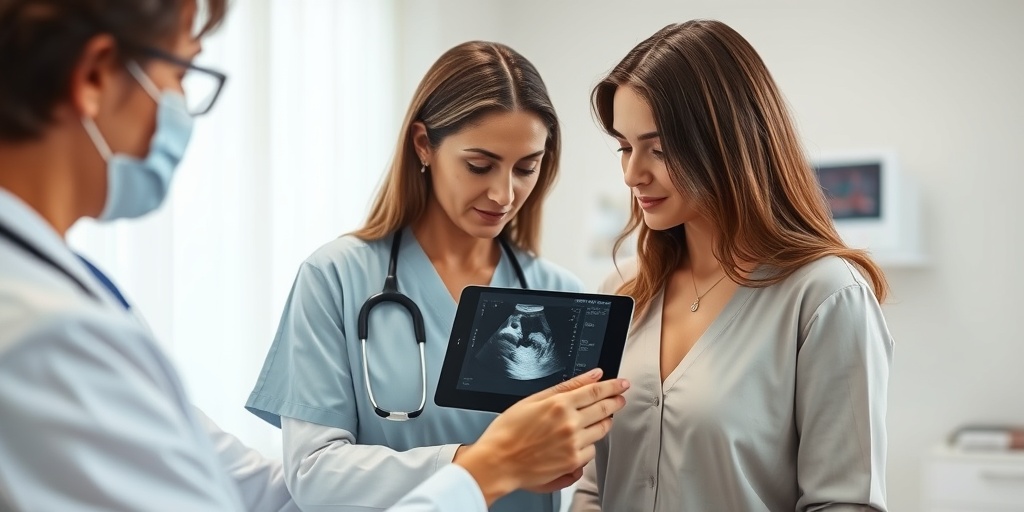
Treatment Options for Benign Breast Lumps
When it comes to breast lumps (benign), understanding your treatment options is crucial. While many benign lumps do not require treatment, some may need intervention depending on their size, symptoms, or changes over time. Here’s a closer look at the various treatment options available.
Observation and Monitoring
In many cases, if a breast lump is diagnosed as benign, your doctor may recommend a watchful waiting approach. This involves regular monitoring of the lump through physical exams and imaging tests, such as ultrasounds or mammograms. This option is often suitable for lumps that are:
- Small and asymptomatic
- Stable in size over time
- Not causing any discomfort
Regular check-ups can help ensure that any changes in the lump are detected early, allowing for timely intervention if necessary. 📅
Medications
For some benign breast conditions, such as fibrocystic breast changes, medications may be prescribed to alleviate symptoms. These can include:
- Over-the-counter pain relievers: Nonsteroidal anti-inflammatory drugs (NSAIDs) can help reduce pain and discomfort.
- Hormonal therapies: In cases where hormonal fluctuations contribute to lump formation, hormonal treatments may be recommended.
Always consult with your healthcare provider to determine the best medication for your specific situation. 💊
Surgical Removal
If a benign lump is large, painful, or causing cosmetic concerns, surgical removal may be considered. This procedure, known as a lumpectomy, involves excising the lump and a small margin of surrounding tissue. Surgical options are typically recommended for:
- Lumps that are growing or changing
- Lumps that cause significant discomfort
- Concerns about the lump’s appearance
While surgery is generally safe, it’s essential to discuss the potential risks and benefits with your doctor. 🏥
Alternative Therapies
Some individuals explore alternative therapies to manage symptoms associated with benign breast lumps. These may include:
- Dietary changes: Incorporating anti-inflammatory foods may help reduce symptoms.
- Herbal supplements: Some herbs are believed to support breast health, but it’s crucial to consult with a healthcare provider before starting any new supplement.
- Stress management techniques: Practices such as yoga and meditation can help alleviate stress, which may indirectly benefit breast health.
While alternative therapies can be beneficial, they should complement, not replace, conventional medical treatments. 🌿
When to See a Doctor
Knowing when to seek medical advice regarding breast lumps (benign) is essential for your health. While many lumps are harmless, certain signs and symptoms warrant a visit to your healthcare provider. Here are some key indicators:
Changes in Size or Shape
If you notice that a breast lump is growing or changing in shape, it’s important to consult a doctor. Rapid changes can sometimes indicate a need for further evaluation, even if the lump is initially deemed benign. 📈
Pain or Discomfort
While benign lumps are often painless, any new or worsening pain should be assessed by a healthcare professional. Pain can be a sign of inflammation or other underlying issues that may require treatment.
Changes in Skin or Nipple Appearance
Any changes in the skin over the lump, such as redness, dimpling, or puckering, should be evaluated. Additionally, if you notice any discharge from the nipple that is new or unusual, it’s essential to seek medical advice.
Family History of Breast Cancer
If you have a family history of breast cancer or other breast conditions, it’s wise to be proactive about your breast health. Regular screenings and discussions with your doctor can help you stay informed and vigilant. 🩺
In summary, while many breast lumps are benign and require minimal intervention, being aware of your treatment options and knowing when to seek medical advice is crucial for maintaining your breast health. Always prioritize open communication with your healthcare provider to ensure the best outcomes for your situation.

Frequently Asked Questions about Breast Lumps (Benign)
What are breast lumps (benign)?
Breast lumps (benign) are non-cancerous growths in the breast tissue. They can vary in size and texture and are often caused by hormonal changes, cysts, or fibrous tissue. While they are generally not a cause for concern, it’s important to monitor any changes in your breasts.
How can I tell if a breast lump is benign or malignant?
Distinguishing between a benign and a malignant breast lump can be challenging. Common signs of benign lumps include:
- Soft or rubbery texture
- Movable under the skin
- No associated pain
In contrast, malignant lumps may feel hard, fixed, and can be accompanied by pain or changes in the skin. Always consult a healthcare professional for an accurate diagnosis.
What are the symptoms of a benign breast lump?
Symptoms of a breast lump (benign) may include:
- A noticeable lump or mass in the breast
- Changes in breast size or shape
- Fluid discharge from the nipple (in some cases)
Most benign lumps do not cause pain, but any new or unusual changes should be evaluated by a doctor.
What types of benign breast lumps exist?
There are several types of benign breast lumps, including:
- Cysts: Fluid-filled sacs that can vary in size.
- Fibroadenomas: Solid, non-cancerous tumors that are often round and movable.
- Fibrocystic changes: Lumpy or rope-like breast tissue often linked to hormonal fluctuations.
Is removal necessary for benign breast lumps?
In many cases, benign breast lumps do not require removal unless they cause discomfort or anxiety. Your doctor may recommend monitoring the lump over time. If removal is necessary, it is typically a straightforward procedure.
Can benign breast lumps turn into cancer?
Most benign breast lumps do not increase the risk of breast cancer. However, certain types of benign conditions may require monitoring, as they can sometimes be associated with a higher risk. Always discuss your concerns with a healthcare provider.
Where can I find support or more information?
Online communities, such as forums and support groups, can provide valuable insights and shared experiences regarding breast lumps (benign). Websites dedicated to breast health and cancer awareness also offer resources and information.
When should I see a doctor?
If you notice any new lumps, changes in your breast, or experience pain, it is important to consult a healthcare professional. Regular check-ups and self-examinations can help in early detection and peace of mind. 🩺