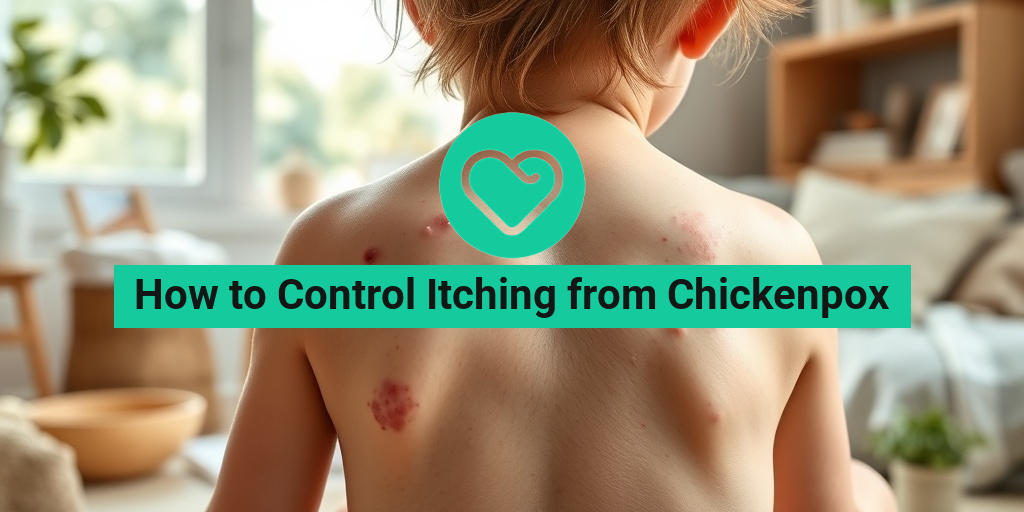
Understanding Chickenpox
Chickenpox, also known as varicella, is a highly contagious viral infection caused by the varicella-zoster virus. It primarily affects children but can also occur in adults who have not had the disease or the vaccine. The infection is characterized by an itchy rash, fever, and general malaise. Understanding chickenpox is crucial for managing its symptoms effectively, especially the notorious itching that accompanies the rash.
How Chickenpox Spreads
Chickenpox spreads easily from person to person through respiratory droplets when an infected person coughs or sneezes. It can also spread through direct contact with the fluid from the blisters of an infected individual. This means that if you are around someone with chickenpox, you are at risk of contracting the virus, especially if you have never had it before or have not been vaccinated.
Why It’s Important to Control Itching
The itching associated with chickenpox can be intense and uncomfortable. Controlling itching is essential not only for comfort but also to prevent complications such as skin infections. Scratching the blisters can lead to bacterial infections, which may require additional treatment. Therefore, knowing how to control itching from chickenpox is vital for a smoother recovery.
Symptoms of Chickenpox
Recognizing the symptoms of chickenpox early can help in managing the condition effectively. The symptoms typically appear in stages and can vary in severity from person to person.
Initial Symptoms
Before the rash appears, individuals may experience some initial symptoms, which can include:
- Fever: A mild to moderate fever often occurs.
- Fatigue: General tiredness and malaise are common.
- Loss of Appetite: Many people may not feel like eating.
- Headache: Mild headaches can also occur.
The Rash
After a day or two of initial symptoms, the characteristic chickenpox rash appears. This rash typically goes through several stages:
- Red Spots: Small red spots appear on the face, chest, and back.
- Blisters: The red spots develop into fluid-filled blisters.
- Crusts: Eventually, the blisters break and form crusts.
The rash can be very itchy, leading to discomfort and the urge to scratch. This is where knowing how to relieve itching from chickenpox becomes essential.
Duration of Symptoms
Chickenpox symptoms usually last about 5 to 7 days. The rash typically appears in waves, meaning new spots can continue to develop even after the initial ones have crusted over. This can prolong the itching and discomfort, making it crucial to have effective strategies in place to manage these symptoms.
When to Seek Medical Attention
While chickenpox is generally a mild illness, there are instances when medical attention is necessary. If you or your child experience severe symptoms, such as:
- High Fever: A fever over 102°F (39°C).
- Difficulty Breathing: Any trouble breathing or wheezing.
- Severe Rash: A rash that looks infected or is spreading rapidly.
In such cases, it’s important to consult a healthcare professional for guidance. Resources like Yesil Health AI can provide evidence-based health answers and help you navigate your concerns.
Conclusion
Understanding chickenpox and its symptoms is the first step in managing this common childhood illness. The itching can be particularly bothersome, but with the right strategies, you can effectively control it. Remember, if symptoms worsen or you have concerns, don’t hesitate to seek medical advice. Stay informed and take care of your health! 🌟

Why Does Chickenpox Itch?
Chickenpox, caused by the varicella-zoster virus, is notorious for its itchy rash. But why does this viral infection lead to such discomfort? Understanding the science behind the itch can help you manage it more effectively.
The Role of the Immune System
When the varicella-zoster virus enters your body, your immune system springs into action. It recognizes the virus as a foreign invader and begins to fight it off. This immune response triggers the release of various chemicals, including histamines, which are responsible for the itching sensation. As your body battles the virus, the skin becomes inflamed, leading to the characteristic red, itchy spots associated with chickenpox.
Skin Irritation and Blister Formation
As the chickenpox rash develops, small, fluid-filled blisters form on the skin. These blisters can burst, leading to further irritation and increased itching. The combination of inflammation, irritation, and the body’s immune response creates a perfect storm for discomfort. This is why many people ask, “How to stop itching from chickenpox?” The answer lies in understanding the underlying causes and finding effective relief methods.
Psychological Factors
Interestingly, the sensation of itching can also be influenced by psychological factors. Stress and anxiety can heighten the perception of itchiness, making it feel more intense. This is particularly relevant for children, who may become more distressed by their symptoms. Keeping a calm environment and providing reassurance can help alleviate some of the psychological discomfort associated with chickenpox itching.
Home Remedies for Itching
While over-the-counter medications can provide relief, many people prefer to explore home remedies for itching from chickenpox. Here are some effective strategies to help soothe the itch:
1. Oatmeal Baths
Soaking in an oatmeal bath is a classic remedy for itchy skin. Oatmeal contains compounds that have anti-inflammatory properties, which can help calm irritated skin. To prepare an oatmeal bath:
- Grind plain, uncooked oats into a fine powder.
- Add the powder to warm bathwater.
- Soak for 15-20 minutes to experience relief.
2. Cool Compresses
Applying a cool, damp cloth to the affected areas can provide immediate relief from itching. The coolness helps to numb the skin and reduce inflammation. Make sure to:
- Use a clean cloth.
- Apply for 10-15 minutes at a time.
3. Calamine Lotion
Calamine lotion is a popular topical treatment for chickenpox itching. It works by drying out the blisters and providing a soothing effect. Simply apply it to the itchy areas as directed. This can be particularly helpful for those wondering how to relieve chickenpox itching effectively.
4. Baking Soda Paste
Baking soda can also be used to create a paste that helps alleviate itching. To make a baking soda paste:
- Mix baking soda with a small amount of water to form a thick paste.
- Apply it to the itchy spots and let it sit for about 10 minutes before rinsing off.
5. Aloe Vera Gel
Aloe vera is well-known for its soothing properties. Applying pure aloe vera gel to the rash can help reduce inflammation and provide a cooling sensation. This natural remedy is not only effective but also safe for both adults and children.
6. Stay Hydrated
Drinking plenty of fluids is essential during a chickenpox infection. Staying hydrated helps your body heal and can also prevent your skin from becoming dry and itchy. Aim for water, herbal teas, and clear broths to keep your hydration levels up.
By incorporating these home remedies into your care routine, you can effectively manage the discomfort associated with chickenpox itching. Remember, while these methods can provide relief, it’s always best to consult with a healthcare professional if symptoms persist or worsen. 🌿✨

Over-the-Counter Treatments
When dealing with the discomfort of chickenpox, particularly the itching that accompanies the rash, over-the-counter (OTC) treatments can provide significant relief. Here are some effective options to consider:
1. Antihistamines
Antihistamines are commonly used to alleviate itching caused by chickenpox. Medications such as diphenhydramine (Benadryl) or loratadine (Claritin) can help reduce the urge to scratch. These medications work by blocking histamine, a substance in the body that causes allergic reactions and itching. Always follow the recommended dosage on the package, and consult with a healthcare provider if you have any concerns.
2. Calamine Lotion
Calamine lotion is a classic remedy for soothing itchy skin. This topical treatment can be applied directly to the chickenpox rash to help dry out the blisters and relieve itching. Simply apply a thin layer to the affected areas using a cotton ball or your fingers. The cooling sensation can provide immediate comfort! 🌿
3. Oatmeal Baths
Taking an oatmeal bath can be a soothing way to relieve itching from chickenpox. Colloidal oatmeal, which is finely ground oatmeal, can be added to a lukewarm bath. Soaking in this mixture for about 15-20 minutes can help calm irritated skin and reduce itching. Just be sure to pat your skin dry gently afterward, as rubbing can exacerbate the itchiness.
4. Topical Corticosteroids
For more severe itching, topical corticosteroids like hydrocortisone cream can be effective. These creams reduce inflammation and itching. However, they should be used sparingly and only on small areas of the skin, as overuse can lead to skin thinning and other side effects. Always consult with a healthcare professional before starting any new treatment.
5. Moisturizers
Keeping the skin moisturized is crucial when dealing with chickenpox. Using a gentle, fragrance-free moisturizer can help prevent dryness and reduce itching. Look for products that contain ingredients like ceramides or glycerin, which help to lock in moisture. Apply moisturizer regularly, especially after bathing, to keep the skin hydrated. 💧
When to See a Doctor
While most cases of chickenpox can be managed at home, there are certain situations where it’s important to seek medical attention. Knowing when to consult a healthcare provider can help prevent complications and ensure proper care.
1. Severe Itching or Discomfort
If the itching becomes unbearable and OTC treatments do not provide relief, it’s time to see a doctor. Severe itching can lead to excessive scratching, which increases the risk of secondary infections. A healthcare provider may prescribe stronger medications or recommend alternative treatments to alleviate discomfort.
2. Signs of Infection
Watch for signs of infection in the chickenpox blisters, such as increased redness, swelling, warmth, or pus. If you notice these symptoms, it’s essential to seek medical attention promptly. Infections can lead to more serious health issues, especially in young children or individuals with weakened immune systems.
3. High Fever or Other Symptoms
A high fever (over 102°F or 39°C) that persists for more than a few days, or other concerning symptoms like difficulty breathing, severe headache, or confusion, warrant immediate medical attention. These could be signs of complications related to chickenpox, such as pneumonia or encephalitis.
4. Special Populations
Certain individuals, including pregnant women, newborns, and those with compromised immune systems, may experience more severe symptoms and complications from chickenpox. If you or someone in your care falls into one of these categories, it’s crucial to consult a healthcare provider early in the course of the illness.
In summary, while there are effective OTC treatments available to manage itching from chickenpox, it’s important to be vigilant about symptoms and seek medical advice when necessary. Taking proactive steps can help ensure a smoother recovery and minimize discomfort. 🌈

Preventing Chickenpox
Chickenpox, caused by the varicella-zoster virus, is a highly contagious disease that primarily affects children. While it often resolves on its own, the itching and discomfort can be quite distressing. Fortunately, there are effective strategies to prevent chickenpox and its associated itching. Here’s how you can protect yourself and your loved ones:
1. Vaccination: The Best Defense
The most effective way to prevent chickenpox is through vaccination. The varicella vaccine is recommended for children, typically given in two doses:
- First dose: Between 12 and 15 months of age
- Second dose: Between 4 and 6 years of age
Vaccination not only protects the individual but also helps to create herd immunity, reducing the overall spread of the virus in the community. If you’re unsure about your child’s vaccination status, consult your healthcare provider.
2. Avoiding Exposure
If someone in your household has chickenpox, it’s crucial to limit exposure to others, especially those who are unvaccinated or have weakened immune systems. Here are some tips:
- Keep the infected person isolated until all the blisters have crusted over.
- Avoid close contact with pregnant women, newborns, and individuals with compromised immune systems.
3. Practicing Good Hygiene
Good hygiene practices can significantly reduce the risk of contracting chickenpox. Encourage frequent handwashing with soap and water, especially after being in public places or around someone who is infected. Additionally, avoid sharing personal items such as towels, utensils, or clothing.
4. Educating About Symptoms
Understanding the symptoms of chickenpox can help in early detection and prevention of spreading the virus. Common symptoms include:
- Itchy rash that develops into fluid-filled blisters
- Fever
- Fatigue
- Loss of appetite
If you or your child exhibit these symptoms, seek medical advice promptly.
Managing Chickenpox in Children
When a child contracts chickenpox, managing the symptoms effectively is essential to minimize discomfort, especially the notorious itching. Here are some practical tips on how to control itching from chickenpox:
1. Keep the Skin Cool and Clean
Maintaining a cool environment can help soothe itchy skin. Dress your child in loose, breathable clothing and keep the room temperature comfortable. Regular baths with lukewarm water can also provide relief. Adding baking soda or oatmeal to the bath can further help alleviate itching. 🛁
2. Use Anti-Itch Remedies
Over-the-counter remedies can be effective in relieving itching. Consider using:
- Calamine lotion: This topical treatment can help soothe irritated skin.
- Antihistamines: Medications like diphenhydramine (Benadryl) can reduce itching and promote sleep.
Always consult with your pediatrician before administering any medication to ensure it’s safe for your child.
3. Encourage Nail Care
To prevent skin infections from scratching, keep your child’s nails trimmed short. You can also consider having them wear cotton gloves at night to minimize scratching while they sleep. This simple step can significantly reduce the risk of secondary infections. 🧤
4. Hydration and Nutrition
Keeping your child hydrated is crucial during chickenpox. Encourage them to drink plenty of fluids, such as water, clear broths, and electrolyte solutions. A balanced diet rich in vitamins and minerals can also support their immune system and aid recovery.
5. Monitor for Complications
While chickenpox is generally mild, complications can arise, especially in young children. Keep an eye out for signs of infection, such as:
- Increased redness or swelling around blisters
- Fever that returns after a few days
- Difficulty breathing
If you notice any of these symptoms, contact your healthcare provider immediately.
By taking proactive steps to prevent chickenpox and manage its symptoms effectively, you can help ensure a smoother recovery for your child. Remember, the key to controlling itching from chickenpox lies in a combination of prevention, proper care, and timely medical advice. 🌟

Frequently Asked Questions (FAQ)
How can I stop itching from chickenpox? 🤔
To effectively stop itching from chickenpox, consider using over-the-counter antihistamines, applying soothing lotions like calamine, and taking cool baths. Keeping your nails trimmed can also help prevent skin damage from scratching.
What are some effective ways to relieve itching from chickenpox? 🌿
Some effective methods to relieve itching from chickenpox include:
- Using oatmeal baths to soothe the skin.
- Applying cold compresses to affected areas.
- Taking antihistamines as recommended by a healthcare provider.
How can I reduce itching from chickenpox? 🛁
To reduce itching from chickenpox, keep the skin moisturized and avoid hot showers, which can exacerbate itching. Additionally, wearing loose-fitting clothing can help minimize irritation.
What can I do to prevent itching from chickenpox? 🚫
To prevent itching from chickenpox, it’s important to avoid scratching the blisters. Keeping the skin clean and applying soothing creams can also help reduce the urge to scratch.
How do I relieve chickenpox itching in toddlers? 👶
For toddlers, you can relieve chickenpox itching by using gentle, fragrance-free moisturizers, giving them oatmeal baths, and consulting a pediatrician for safe antihistamine options.
What should I do if my baby is itching from chickenpox? 🍼
If your baby is itching from chickenpox, keep their nails short to prevent scratching. You can also use cool compresses and consult your pediatrician for appropriate treatments.
How can I stop the chickenpox rash from spreading? 🚨
To stop the chickenpox rash from spreading, keep the affected person isolated until all blisters have crusted over. Avoid scratching and maintain good hygiene to minimize the risk of spreading the virus.