What Is Nystagmus?
Nystagmus is a condition characterized by involuntary eye movements, which can affect vision and balance. These eye movements can be horizontal, vertical, or rotary, and they often occur in a rhythmic pattern. While nystagmus can be a standalone condition, it is frequently associated with other medical issues, including benign paroxysmal positional vertigo (BPPV).
One specific type of nystagmus that many people encounter is known as Nystagmus Benign Paroxysmal Positional. This condition is particularly linked to changes in head position, leading to episodes of dizziness and disorientation. Understanding nystagmus is crucial for those experiencing symptoms, as it can significantly impact daily life.
Types of Nystagmus
Nystagmus can be classified into several types, including:
- Congenital Nystagmus: Present at birth or develops in early childhood.
- Acquired Nystagmus: Develops later in life due to various factors, including neurological disorders, medications, or inner ear problems.
- Positional Nystagmus: Triggered by specific head positions, often seen in conditions like BPPV.
Causes of Nystagmus
The causes of nystagmus can vary widely. Some common causes include:
- Inner Ear Disorders: Conditions affecting the inner ear, such as BPPV, can lead to nystagmus.
- Neurological Disorders: Issues like multiple sclerosis or stroke can result in nystagmus.
- Medications: Certain drugs, especially those affecting the central nervous system, may induce nystagmus.
Nystagmus Symptoms
The symptoms of nystagmus can vary depending on the underlying cause and type of nystagmus present. However, some common symptoms include:
- Involuntary Eye Movements: The most noticeable symptom, where the eyes move uncontrollably.
- Dizziness or Vertigo: Especially prevalent in cases of benign paroxysmal positional vertigo nystagmus, where changes in head position trigger episodes of dizziness.
- Blurred Vision: The rapid eye movements can lead to difficulty focusing, resulting in blurred vision.
- Balance Issues: Individuals may experience difficulty maintaining balance, particularly when standing or walking.
Understanding BPPV and Nystagmus
When discussing nystagmus, it’s essential to understand its relationship with benign paroxysmal positional vertigo (BPPV). BPPV occurs when tiny calcium crystals in the inner ear become dislodged, leading to episodes of vertigo when the head is moved in certain positions. In many cases, this condition is accompanied by nystagmus, which can help healthcare providers diagnose the issue.
Diagnosing Nystagmus
Diagnosing nystagmus typically involves a comprehensive eye examination and a review of the patient’s medical history. Healthcare providers may perform specific tests to determine the type of nystagmus and its underlying cause. These tests can include:
- Eye Movement Tests: To observe the pattern and speed of eye movements.
- Balance Tests: To assess how well the inner ear and brain work together to maintain balance.
- Imaging Studies: In some cases, MRI or CT scans may be necessary to rule out neurological conditions.
When to Seek Help
If you experience symptoms of nystagmus, especially if they are accompanied by dizziness or balance issues, it’s important to consult a healthcare professional. Early diagnosis and treatment can help manage symptoms effectively and improve quality of life.
For more information on nystagmus and related conditions, consider visiting Yesil Health AI, a valuable resource for evidence-based health answers. Remember, understanding your symptoms is the first step toward effective management! 🌟
Nystagmus Causes
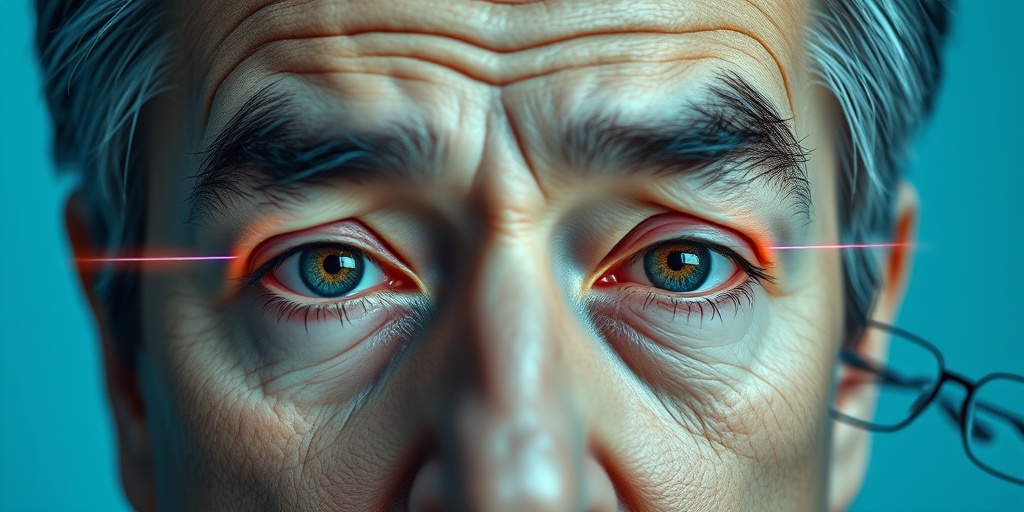
Nystagmus is a condition characterized by involuntary eye movements, which can lead to difficulties with vision and balance. Understanding the causes of nystagmus is crucial for effective management and treatment. Here, we will explore the various factors that can contribute to this condition, particularly focusing on Nystagmus Benign Paroxysmal Positional and its relationship with other forms of nystagmus.
1. Benign Paroxysmal Positional Vertigo (BPPV)
One of the most common causes of nystagmus is Benign Paroxysmal Positional Vertigo (BPPV). This condition occurs when tiny calcium carbonate crystals in the inner ear become dislodged and move into the semicircular canals. When the head is positioned in certain ways, these crystals can cause intense vertigo and nystagmus. Symptoms often include:
- Sudden episodes of dizziness
- Feeling of spinning or motion
- Nausea
- Balance issues
In BPPV, the nystagmus typically occurs when the head is moved in specific directions, leading to a characteristic pattern of eye movements.
2. Neurological Disorders
Nystagmus can also be a symptom of various neurological disorders. Conditions such as multiple sclerosis, stroke, or traumatic brain injury can affect the areas of the brain responsible for eye movement control. In these cases, nystagmus may be accompanied by other neurological symptoms, such as:
- Weakness or numbness in limbs
- Difficulty speaking
- Coordination problems
Identifying the underlying neurological cause is essential for appropriate treatment.
3. Medications and Substance Use
Certain medications and substances can induce nystagmus as a side effect. For instance, sedatives, anti-seizure medications, and alcohol can lead to involuntary eye movements. If nystagmus develops after starting a new medication, it is important to consult a healthcare provider to evaluate the need for adjustments.
4. Congenital Nystagmus
Some individuals may be born with nystagmus, known as congenital nystagmus. This type typically manifests in infancy and can be associated with other visual impairments. The exact cause of congenital nystagmus is often unknown, but it may be linked to genetic factors or developmental issues in the visual system.
5. Other Causes
Other potential causes of nystagmus include:
- Inner ear infections
- Vestibular disorders
- Severe dehydration
- Eye diseases, such as cataracts or retinal disorders
Each of these factors can contribute to the development of nystagmus, making it essential to consider a comprehensive approach to diagnosis and treatment.
Nystagmus Diagnosis
Diagnosing nystagmus involves a thorough evaluation by a healthcare professional, typically an ophthalmologist or neurologist. The diagnosis process aims to identify the underlying cause of the nystagmus and determine the best course of action for treatment.
1. Medical History Review
The first step in diagnosing nystagmus is a detailed medical history review. The healthcare provider will ask about:
- Onset and duration of symptoms
- Any associated symptoms, such as dizziness or balance issues
- Family history of eye conditions or neurological disorders
- Current medications and substance use
This information helps the provider understand the context of the nystagmus and its potential causes.
2. Physical Examination
A comprehensive physical examination is crucial in diagnosing nystagmus. The provider will assess:
- Eye movements and patterns of nystagmus
- Vision quality
- Balance and coordination
These assessments can help differentiate between various types of nystagmus, including benign paroxysmal positional nystagmus and other forms.
3. Specialized Tests
In some cases, additional tests may be necessary to confirm the diagnosis and identify the underlying cause. These tests can include:
- Vestibular function tests
- Imaging studies, such as MRI or CT scans
- Blood tests to check for infections or metabolic issues
These specialized tests provide valuable insights into the functioning of the inner ear and the brain, aiding in accurate diagnosis.
4. Referral to Specialists
If the initial evaluation suggests a neurological cause, the healthcare provider may refer the patient to a neurologist for further assessment. This multidisciplinary approach ensures that all potential causes of nystagmus are thoroughly investigated.
In conclusion, understanding the causes and diagnosis of nystagmus, particularly Nystagmus Benign Paroxysmal Positional, is essential for effective management. Early diagnosis and intervention can significantly improve quality of life for those affected by this condition. 🌟
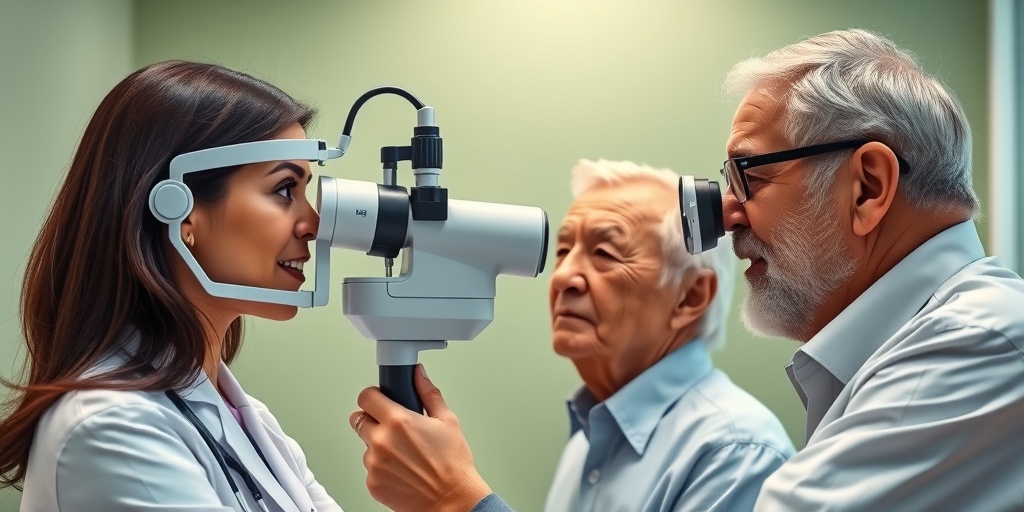
Nystagmus Treatment Options
Nystagmus, characterized by involuntary eye movements, can significantly impact an individual’s quality of life. While there is no one-size-fits-all solution, various treatment options are available to help manage symptoms and improve visual stability. Here, we explore some of the most effective treatments for Nystagmus Benign Paroxysmal Positional and related conditions.
1. Medical Treatments
Medical interventions can be beneficial for those experiencing nystagmus due to benign paroxysmal positional vertigo (BPPV) or other underlying conditions. Here are some common medical treatments:
- Medications: Certain medications, such as anticonvulsants and muscle relaxants, may help reduce the severity of nystagmus. These drugs work by stabilizing the nervous system and minimizing involuntary eye movements.
- Injections: In some cases, injections of botulinum toxin (Botox) into the eye muscles can help control nystagmus. This treatment temporarily weakens the muscles responsible for the eye movements.
- Surgery: For severe cases, surgical options may be considered. Procedures like tenotomy or muscle resection can help realign the eye muscles, potentially reducing nystagmus symptoms.
2. Vision Therapy
Vision therapy is a personalized program designed to improve visual skills and coordination. It often includes exercises that help strengthen eye muscles and enhance visual processing. A trained optometrist or ophthalmologist typically oversees this therapy, which can be particularly effective for individuals with benign paroxysmal positional nystagmus.
3. Lifestyle Modifications
Making certain lifestyle changes can also help manage nystagmus symptoms. Here are some strategies to consider:
- Avoiding Triggers: Identifying and avoiding specific triggers, such as rapid head movements or certain positions, can help reduce the frequency of nystagmus episodes.
- Using Visual Aids: Glasses or contact lenses designed for specific visual needs can improve clarity and reduce the impact of nystagmus on daily activities.
- Regular Eye Check-ups: Regular visits to an eye care professional can help monitor the condition and adjust treatment plans as necessary.
Nystagmus Home Remedies
In addition to professional treatments, several home remedies can help alleviate symptoms of Nystagmus Benign Paroxysmal Positional. While these remedies may not replace medical treatment, they can complement existing therapies and improve overall well-being.
1. Eye Exercises
Engaging in specific eye exercises can help strengthen eye muscles and improve coordination. Simple exercises include:
- Focus Shifting: Hold a pen or finger in front of you and focus on it as you move it closer and farther away.
- Tracking Exercises: Move your eyes in different directions, following a moving object, such as a pen or your finger.
2. Dietary Adjustments
Nutrition plays a vital role in overall health, including eye health. Consider incorporating the following into your diet:
- Omega-3 Fatty Acids: Foods rich in omega-3s, such as fish, flaxseeds, and walnuts, can support eye health.
- Antioxidant-Rich Foods: Fruits and vegetables high in antioxidants, like berries and leafy greens, can help protect the eyes from oxidative stress.
3. Stress Management Techniques
Stress can exacerbate symptoms of nystagmus. Implementing stress management techniques can be beneficial:
- Meditation and Mindfulness: Practicing mindfulness or meditation can help reduce stress and improve focus.
- Yoga: Gentle yoga can promote relaxation and improve overall well-being, which may help manage nystagmus symptoms.
4. Adequate Sleep
Getting enough restful sleep is crucial for eye health and overall well-being. Aim for 7-9 hours of quality sleep each night to help your body recover and reduce the impact of nystagmus.
By exploring these treatment options and home remedies, individuals with benign paroxysmal positional nystagmus can find effective ways to manage their symptoms and improve their quality of life. Remember to consult with a healthcare professional before starting any new treatment or remedy to ensure it aligns with your specific needs. 🌟

Nystagmus and Balance Issues
Nystagmus is a condition characterized by involuntary eye movements, which can significantly impact a person’s balance and coordination. Understanding the relationship between nystagmus benign paroxysmal positional and balance issues is crucial for those affected by this condition.
What is Nystagmus?
Nystagmus can manifest in various forms, but it is often associated with conditions like benign paroxysmal positional vertigo (BPPV). This type of nystagmus occurs when the tiny crystals in the inner ear become dislodged, leading to episodes of vertigo and balance disturbances. The eye movements can be horizontal, vertical, or rotary, and they may occur spontaneously or in response to specific head positions.
How Nystagmus Affects Balance
The inner ear plays a vital role in maintaining balance. When nystagmus occurs, the brain receives conflicting signals about the body’s position, which can lead to:
- Dizziness: Individuals may feel a spinning sensation, especially when changing positions.
- Unsteadiness: Difficulty maintaining balance can increase the risk of falls.
- Visual Disturbances: Blurred or oscillating vision can make it hard to focus on objects.
These symptoms can be particularly pronounced during activities that require precise coordination, such as walking or driving. For those with benign paroxysmal positional nystagmus, even simple movements can trigger episodes of dizziness and disorientation.
Managing Balance Issues Related to Nystagmus
While nystagmus can pose challenges, there are several strategies to help manage balance issues:
- Vestibular Rehabilitation Therapy: This specialized therapy focuses on exercises that improve balance and reduce dizziness.
- Medication: In some cases, medications may be prescribed to alleviate symptoms.
- Home Modifications: Making changes in the home environment, such as removing tripping hazards, can enhance safety.
It’s essential for individuals experiencing balance issues due to nystagmus to consult with healthcare professionals for personalized treatment plans. 🩺
Nystagmus Prognosis and Outlook
The prognosis for individuals with nystagmus can vary widely depending on the underlying cause and the effectiveness of treatment. Understanding the outlook for those with nystagmus benign paroxysmal positional can help manage expectations and improve quality of life.
Factors Influencing Prognosis
Several factors can influence the prognosis of nystagmus:
- Underlying Cause: Nystagmus can be caused by various conditions, including neurological disorders, inner ear issues, or even congenital factors. The prognosis often depends on the specific cause.
- Age of Onset: Early diagnosis and intervention can lead to better outcomes, especially in children.
- Response to Treatment: Some individuals may respond well to therapies, while others may experience persistent symptoms.
Long-Term Outlook
For many individuals with benign paroxysmal positional nystagmus, the condition may resolve on its own or with treatment. However, some may experience chronic symptoms that require ongoing management. Regular follow-ups with healthcare providers can help monitor the condition and adjust treatment as necessary.
Living with Nystagmus
Living with nystagmus can be challenging, but many individuals lead fulfilling lives with the right support. Here are some tips for managing daily life:
- Stay Informed: Understanding your condition can empower you to make informed decisions about your health.
- Seek Support: Connecting with support groups or communities can provide emotional support and practical advice.
- Practice Self-Care: Engaging in activities that promote relaxation and well-being can help manage stress related to symptoms.
In conclusion, while nystagmus can present challenges, understanding its impact on balance and the prognosis can help individuals navigate their journey with confidence. 🌟

Frequently Asked Questions about Nystagmus Benign Paroxysmal Positional
What is Nystagmus Benign Paroxysmal Positional?
Nystagmus Benign Paroxysmal Positional refers to a specific type of involuntary eye movement that occurs in response to changes in head position. It is often associated with benign paroxysmal positional vertigo (BPPV), a common vestibular disorder that causes brief episodes of dizziness.
What are the symptoms of Nystagmus due to Benign Paroxysmal Positional Vertigo?
Symptoms typically include:
- Dizziness or a spinning sensation (vertigo)
- Involuntary eye movements
- Nausea
- Balance issues
How is Benign Paroxysmal Positional Nystagmus diagnosed?
Diagnosis usually involves a thorough medical history and physical examination, including specific tests to evaluate eye movements and balance. A healthcare provider may perform the Dix-Hallpike maneuver to provoke symptoms and observe nystagmus.
What is the treatment for Benign Paroxysmal Positional Nystagmus?
Treatment often includes:
- Canalith repositioning maneuvers (e.g., Epley maneuver)
- Vestibular rehabilitation therapy
- Medications to manage symptoms
Most individuals experience significant improvement with these treatments.
Can you have Benign Paroxysmal Positional Vertigo without Nystagmus?
Yes, it is possible to experience symptoms of BPPV without noticeable nystagmus. Some individuals may have dizziness and balance issues without the characteristic eye movements.
What is the ICD-10 code for Benign Paroxysmal Positional Nystagmus?
The ICD-10 code for benign paroxysmal positional nystagmus is H81.1. This code is used for billing and documentation purposes in healthcare settings.
Is there a connection between Benign Paroxysmal Positional Vertigo and Nystagmus Direction?
Yes, the direction of nystagmus can provide important diagnostic information. In BPPV, the direction of the nystagmus typically depends on which ear is affected and the position of the head during the episode.
Can Nystagmus Benign Paroxysmal Positional be prevented?
While it may not be possible to prevent BPPV or associated nystagmus entirely, certain lifestyle changes, such as avoiding rapid head movements and maintaining good hydration, may help reduce the frequency of episodes.
When should I see a doctor about Nystagmus?
If you experience persistent dizziness, balance issues, or any new symptoms of nystagmus, it is important to consult a healthcare professional for a proper evaluation and treatment plan.