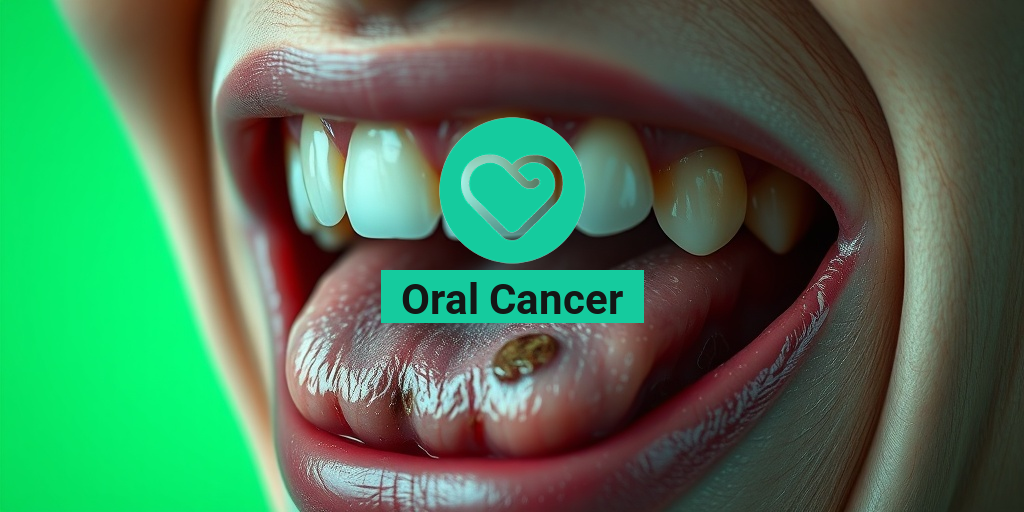
What Is Oral Cancer?
Oral cancer refers to the uncontrolled growth of cells in the oral cavity, which includes the lips, tongue, cheeks, floor of the mouth, hard and soft palate, and throat. This type of cancer can manifest in various forms, including squamous cell carcinoma, which is the most common type found in the mouth. Understanding oral cancer is crucial for early detection and effective treatment.
Understanding the Risk Factors
Several factors can increase the risk of developing oral cancer. These include:
- Tobacco Use: Smoking and chewing tobacco are significant contributors to oral cancer.
- Alcohol Consumption: Heavy drinking can also elevate the risk.
- HPV Infection: The human papillomavirus (HPV) is linked to several oral cancers.
- Age: Most cases occur in individuals over the age of 40.
- Sun Exposure: Excessive sun exposure can lead to lip cancer.
Why Awareness Matters
Awareness of oral cancer is vital because early detection significantly improves survival rates. Regular dental check-ups can help identify potential issues before they develop into more serious conditions. If you notice any unusual changes in your mouth, it’s essential to consult a healthcare professional promptly.
Oral Cancer Symptoms
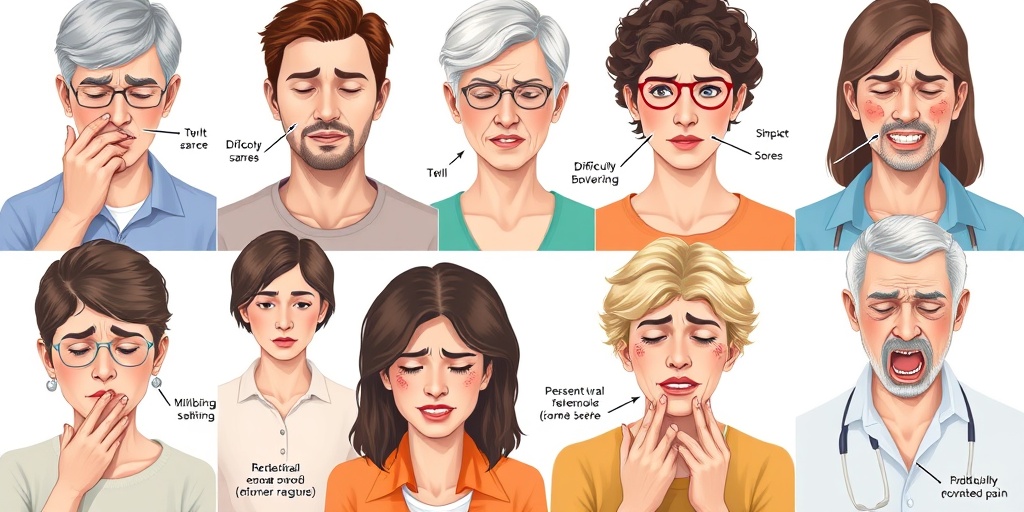
Recognizing the symptoms of oral cancer is crucial for early diagnosis and treatment. While some symptoms may seem minor, they can indicate a more serious issue. Here are some common signs to watch for:
Common Symptoms to Look Out For
- Persistent Sores: Sores in the mouth that do not heal within two weeks.
- Unexplained Bleeding: Bleeding in the mouth without a clear cause.
- White or Red Patches: Patches on the gums, tongue, or lining of the mouth that are white or red.
- Difficulty Swallowing: Trouble swallowing or a sensation that something is stuck in the throat.
- Changes in Speech: Hoarseness or changes in voice that persist.
- Swelling or Lumps: Any lumps or swelling in the mouth or neck area.
Specific Signs Related to the Tongue
Oral cancer can also present specific symptoms related to the tongue, such as:
- Black Spots: A black spot on the tongue can be a warning sign, especially if it persists.
- Changes in Texture: A rough or hardened area on the tongue that doesn’t go away.
When to Seek Medical Attention
If you experience any of these symptoms, especially if they last for more than two weeks, it’s essential to seek medical attention. Early diagnosis can lead to better treatment outcomes and a higher oral cancer survival rate.
For more information on oral cancer and its symptoms, consider visiting Yesil Health AI, a valuable resource for evidence-based health answers. Remember, being proactive about your health can make all the difference! 🌟
Risk Factors for Oral Cancer
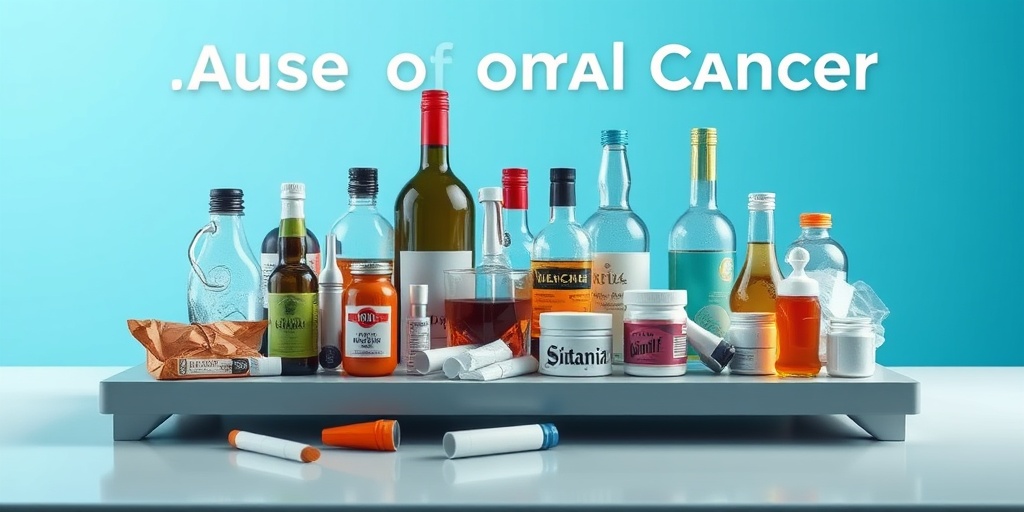
Understanding the risk factors associated with oral cancer is crucial for prevention and early detection. While anyone can develop oral cancer, certain factors can significantly increase your risk. Here are some of the most common risk factors:
Tobacco Use
One of the leading causes of oral cancer is the use of tobacco products, including cigarettes, cigars, and smokeless tobacco. The harmful chemicals in tobacco can damage the cells in the mouth, leading to cancerous changes. In fact, individuals who use tobacco are six times more likely to develop oral cancer than non-users. 🚬
Alcohol Consumption
Heavy alcohol consumption is another significant risk factor. Studies have shown that individuals who consume more than three alcoholic drinks per day have a higher risk of developing oral cancer. The combination of tobacco and alcohol use can further amplify this risk. 🍷
Human Papillomavirus (HPV) Infection
HPV, particularly the strains associated with oropharyngeal cancers, has been linked to an increased risk of oral cancer. This sexually transmitted virus can lead to changes in the cells of the mouth and throat, making them more susceptible to cancer. It’s essential to be aware of HPV and consider vaccination as a preventive measure. 💉
Age and Gender
Oral cancer is more commonly diagnosed in older adults, particularly those over the age of 45. Additionally, men are at a higher risk than women, with studies indicating that men are twice as likely to develop oral cancer. This disparity may be attributed to higher rates of tobacco and alcohol use among men. 📊
Sun Exposure
Excessive sun exposure, particularly to the lips, can increase the risk of lip cancer, a type of oral cancer. Individuals who work outdoors or spend a lot of time in the sun should take precautions, such as using lip balm with SPF, to protect their lips from harmful UV rays. ☀️
Poor Oral Hygiene and Dental Issues
Poor oral hygiene and untreated dental issues, such as gum disease or oral infections, can contribute to the development of oral cancer. Regular dental check-ups and maintaining good oral hygiene are essential for reducing this risk. 🦷
Causes of Oral Cancer
While the exact cause of oral cancer is not fully understood, several factors contribute to its development. Here are some of the primary causes:
Genetic Factors
Genetics can play a role in the development of oral cancer. Individuals with a family history of cancer may have a higher risk due to inherited genetic mutations that affect cell growth and repair. Understanding your family history can help you and your healthcare provider assess your risk. 🧬
Environmental Factors
Exposure to certain environmental factors, such as asbestos or formaldehyde, has been linked to an increased risk of oral cancer. Occupational exposure to these substances can be particularly concerning for individuals working in specific industries. 🏭
Chronic Irritation
Chronic irritation of the oral tissues, such as from ill-fitting dentures or rough teeth, can lead to changes in the cells of the mouth. Over time, this irritation can increase the risk of cancerous growths. Regular dental visits can help identify and address these issues early. 🦷
Diet and Nutrition
A diet low in fruits and vegetables may contribute to an increased risk of oral cancer. Nutrients found in these foods, such as vitamins A, C, and E, play a vital role in maintaining healthy cells and preventing cancer. Incorporating a balanced diet rich in fruits and vegetables can be a protective factor. 🍏🥦
Immune System Suppression
Individuals with weakened immune systems, whether due to conditions like HIV/AIDS or medications that suppress immune function, are at a higher risk for developing oral cancer. A healthy immune system is essential for detecting and eliminating abnormal cells before they can develop into cancer. 🛡️
By understanding the risk factors and causes of oral cancer, individuals can take proactive steps to reduce their risk and promote better oral health. Regular check-ups with a healthcare provider and maintaining a healthy lifestyle are key components in the fight against this disease.
Oral Cancer Diagnosis
Diagnosing oral cancer is a crucial step in ensuring effective treatment and improving survival rates. Early detection can significantly impact the outcome, making it essential for individuals to be aware of the diagnostic process.
Initial Consultation and Examination
The journey to an oral cancer diagnosis often begins with a visit to a healthcare professional. During this initial consultation, the doctor will:
- Take a detailed medical history, including any risk factors such as tobacco use or excessive alcohol consumption.
- Perform a thorough physical examination of the mouth, throat, and neck.
- Look for any unusual signs, such as lumps, sores, or discoloration.
Diagnostic Tests
If the doctor suspects oral cancer, they may recommend further diagnostic tests, which can include:
- Biopsy: This is the most definitive test for diagnosing oral cancer. A small sample of tissue is taken from the suspicious area and examined under a microscope.
- Imaging Tests: Techniques such as X-rays, CT scans, or MRIs can help determine the extent of the cancer and whether it has spread to nearby tissues.
- Endoscopy: In some cases, a thin, flexible tube with a camera is used to examine the throat and other areas in detail.
Understanding Symptoms
Being aware of the oral cancer symptoms can aid in early diagnosis. Common symptoms include:
- Persistent sores in the mouth that do not heal.
- Unexplained bleeding or numbness in the mouth.
- Difficulty swallowing or chewing.
- Changes in voice or speech.
- A lump or thickening in the cheek or neck.
If you notice any of these symptoms, it’s essential to consult a healthcare professional promptly. Early intervention can lead to better treatment outcomes. 🩺
Oral Cancer Staging
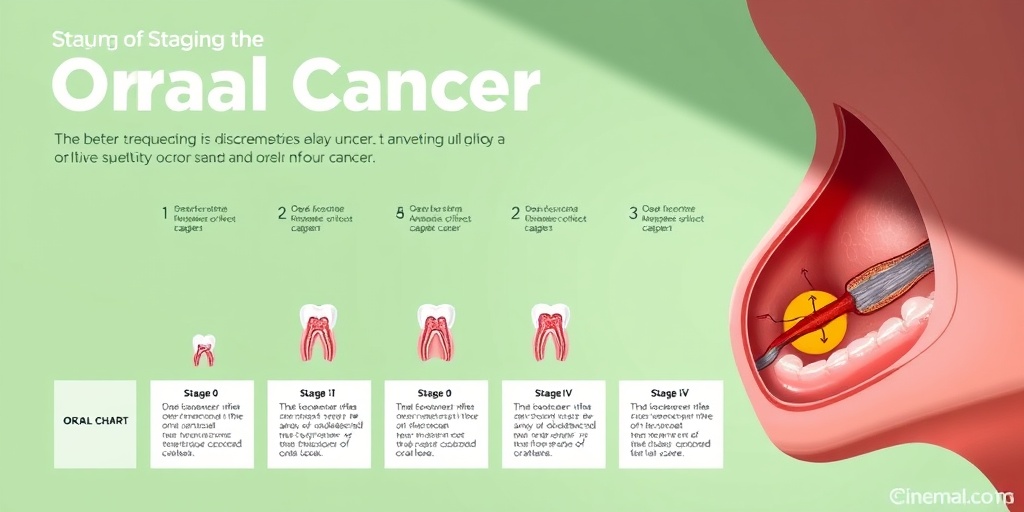
Once diagnosed, the next step is to determine the stage of the oral cancer. Staging helps in understanding how far the cancer has spread and guides treatment options. The most commonly used system for staging is the TNM system, which evaluates:
Tumor (T)
The “T” in TNM refers to the size and extent of the primary tumor. It is categorized as follows:
- T1: Tumor is 2 cm or smaller.
- T2: Tumor is larger than 2 cm but not larger than 4 cm.
- T3: Tumor is larger than 4 cm.
- T4: Tumor has invaded nearby structures.
Nodes (N)
The “N” indicates whether the cancer has spread to nearby lymph nodes. The categories include:
- N0: No regional lymph node involvement.
- N1: Cancer has spread to 1-3 nearby lymph nodes.
- N2: Cancer has spread to 4 or more lymph nodes.
Metastasis (M)
The “M” assesses whether the cancer has spread to distant parts of the body:
- M0: No distant metastasis.
- M1: Distant metastasis is present.
Importance of Staging
Understanding the stage of oral cancer is vital for several reasons:
- It helps in determining the most effective treatment plan.
- It provides insight into the prognosis and potential survival rates.
- It allows healthcare providers to communicate more effectively about the disease.
In summary, accurate diagnosis and staging of oral cancer are essential components in the fight against this disease. By recognizing symptoms early and understanding the staging process, patients can take proactive steps towards effective treatment and management. 🌟
Oral Cancer Treatment Options
When diagnosed with oral cancer, understanding the available treatment options is crucial for patients and their families. The treatment plan often depends on the stage of the cancer, its location, and the overall health of the patient. Here, we’ll explore the most common treatment options available for oral cancer.
Surgery
Surgery is often the first line of defense against oral cancer. The goal is to remove the tumor and any surrounding tissue that may be affected. Depending on the extent of the cancer, surgery can range from:
- Local excision: Removing the tumor and a small margin of healthy tissue.
- Partial mandibulectomy: Removing part of the jawbone if the cancer has spread.
- Radical neck dissection: Removing lymph nodes in the neck if they are affected.
Post-surgery, patients may require reconstructive surgery to restore function and appearance, especially if significant tissue was removed.
Radiation Therapy
Radiation therapy uses high-energy waves to target and kill cancer cells. It can be used as a primary treatment or in conjunction with surgery. There are two main types:
- External beam radiation: Delivered from a machine outside the body.
- Brachytherapy: Involves placing radioactive material directly into or near the tumor.
Radiation therapy can help shrink tumors before surgery or eliminate remaining cancer cells afterward. Side effects may include fatigue, skin irritation, and changes in taste.
Chemotherapy
Chemotherapy involves the use of drugs to kill cancer cells. It is often used for more advanced stages of oral cancer or when the cancer has spread to other parts of the body. Chemotherapy can be administered:
- Orally: In pill form.
- Intravenously: Through a vein.
While chemotherapy can be effective, it also comes with side effects such as nausea, hair loss, and increased risk of infection.
Targeted Therapy
Targeted therapy is a newer approach that uses drugs or other substances to precisely identify and attack cancer cells, often while doing less harm to normal cells. This treatment is based on the specific genetic changes in the cancer cells. It may be used in combination with other treatments for better efficacy.
Immunotherapy
Immunotherapy helps the body’s immune system fight cancer. It can be particularly effective for certain types of oral cancers. This treatment can involve:
- Checkpoint inhibitors: Drugs that help the immune system recognize and attack cancer cells.
- Cancer vaccines: Designed to elicit an immune response against cancer cells.
While still being researched, immunotherapy shows promise in improving survival rates and quality of life for patients with oral cancer.
Living with Oral Cancer
Receiving a diagnosis of oral cancer can be overwhelming, but many individuals find ways to cope and maintain a fulfilling life. Here are some strategies for living with oral cancer:
Managing Symptoms
Oral cancer and its treatments can lead to various symptoms, including pain, difficulty swallowing, and changes in speech. Here are some tips to manage these symptoms:
- Pain management: Consult with your healthcare provider about pain relief options, including medications and alternative therapies.
- Dietary adjustments: Soft foods and smoothies can help ease swallowing difficulties. Staying hydrated is also essential.
- Speech therapy: Working with a speech therapist can help improve communication skills if speech is affected.
Emotional Support
Living with oral cancer can take a toll on mental health. Seeking emotional support is vital. Consider:
- Support groups: Connecting with others who understand your journey can provide comfort and encouragement.
- Counseling: Professional therapy can help address feelings of anxiety and depression.
- Mindfulness and relaxation techniques: Practices such as yoga, meditation, or deep breathing can help reduce stress.
Staying Informed
Knowledge is power. Stay informed about your condition, treatment options, and any new research related to oral cancer. This can empower you to make informed decisions about your care and advocate for yourself effectively.
Living with oral cancer is undoubtedly challenging, but with the right support and resources, many individuals lead fulfilling lives while managing their condition. Remember, you are not alone in this journey! 💪❤️

Frequently Asked Questions about Oral Cancer
What are the common symptoms of oral cancer? 🤔
Common symptoms of oral cancer include:
- Persistent sores in the mouth that do not heal
- Unexplained bleeding in the mouth
- White or red patches on the gums, tongue, or lining of the mouth
- Difficulty swallowing or chewing
- Changes in voice or speech
- Swelling or lumps in the neck or mouth
What causes oral cancer? 🦷
Several factors can contribute to the development of oral cancer, including:
- Tobacco use (smoking and chewing)
- Excessive alcohol consumption
- Human papillomavirus (HPV) infection
- Sun exposure (for lip cancer)
- Poor oral hygiene and dental care
How is oral cancer diagnosed? 🩺
Diagnosis of oral cancer typically involves:
- Physical examination of the mouth and throat
- Biopsy of suspicious lesions
- Imaging tests such as X-rays, CT scans, or MRIs
What are the treatment options for oral cancer? 💊
Treatment for oral cancer may include:
- Surgery to remove cancerous tissue
- Radiation therapy
- Chemotherapy
- Targeted therapy
What is the survival rate for oral cancer? 📊
The survival rate for oral cancer varies based on several factors, including:
- Stage of cancer at diagnosis
- Location of the cancer
- Overall health of the patient
Generally, early detection leads to a higher survival rate.
Can oral cancer appear as a black spot on the tongue? ⚠️
Yes, a black spot on the tongue can be a sign of oral cancer, but it may also be due to other conditions. It is essential to consult a healthcare professional for an accurate diagnosis.
What are the signs of oral cancer in its early stages? 🔍
Early signs of oral cancer may include:
- Persistent mouth sores
- Unexplained lumps or swelling
- Difficulty moving the jaw
- Changes in taste or difficulty swallowing
How can I reduce my risk of developing oral cancer? 🚭
To lower your risk of oral cancer, consider the following:
- Avoid tobacco products
- Limit alcohol consumption
- Practice good oral hygiene
- Protect your lips from sun exposure
- Get vaccinated against HPV
Where can I find more information about oral cancer? 📚
For more information on oral cancer, consult reputable sources such as:
- The American Cancer Society
- The National Cancer Institute
- Local health organizations and clinics