What Is Hashimoto’s Disease?
Hashimoto’s Disease, also known as Hashimoto’s thyroiditis, is an autoimmune disorder that affects the thyroid gland. This condition occurs when the immune system mistakenly attacks the thyroid, leading to inflammation and impaired hormone production. The thyroid is a small, butterfly-shaped gland located at the base of your neck, and it plays a crucial role in regulating metabolism, energy levels, and overall hormonal balance.
In Hashimoto’s Disease, the body’s immune response targets the thyroid tissue, which can eventually result in hypothyroidism, a condition characterized by insufficient production of thyroid hormones. This can lead to a variety of health issues if left untreated.
Understanding the Causes of Hashimoto’s Disease
The exact cause of Hashimoto’s Disease remains unclear, but several factors may contribute to its development:
- Genetics: A family history of autoimmune diseases can increase the risk of developing Hashimoto’s.
- Hormonal Factors: Women are more likely to develop Hashimoto’s, particularly during periods of hormonal change, such as pregnancy or menopause.
- Environmental Triggers: Factors like excessive iodine intake, certain medications, and viral infections may trigger the onset of the disease.
Understanding these causes can help in managing and potentially preventing the progression of Hashimoto’s Disease.
Hashimoto’s Symptoms
Recognizing the symptoms of Hashimoto’s Disease is crucial for early diagnosis and treatment. Symptoms can vary widely among individuals and may develop gradually over time. Here are some common symptoms to watch for:
Common Symptoms of Hashimoto’s Disease
- Fatigue: A persistent feeling of tiredness that doesn’t improve with rest.
- Weight Gain: Unexplained weight gain or difficulty losing weight, even with a healthy diet and exercise.
- Cold Intolerance: Increased sensitivity to cold temperatures.
- Dry Skin and Hair: Skin may become dry and flaky, while hair may become brittle and fall out.
- Constipation: Digestive issues, including constipation, can be common.
- Muscle Weakness: Weakness or stiffness in muscles, particularly in the upper arms and thighs.
- Depression and Mood Changes: Feelings of sadness, depression, or anxiety may occur.
Symptoms in Women and Men
While Hashimoto’s Disease can affect anyone, symptoms may manifest differently in women and men. For instance, women may experience more pronounced hormonal fluctuations, especially during pregnancy. Symptoms such as heavy menstrual periods or fertility issues can also be more common in females. On the other hand, men may experience symptoms like reduced libido or erectile dysfunction.
Diagnosis and Treatment
If you suspect you have Hashimoto’s Disease, it’s essential to consult a healthcare professional for proper diagnosis. Blood tests measuring thyroid hormone levels (T3 and T4) and thyroid-stimulating hormone (TSH) can help determine thyroid function. Additionally, the presence of antibodies against thyroid peroxidase (TPO) can confirm an autoimmune response.
Treatment typically involves hormone replacement therapy, such as levothyroxine, to restore normal hormone levels. Lifestyle changes, including a balanced diet and regular exercise, can also support overall health and well-being.
For more information on managing Hashimoto’s Disease, consider visiting Yesil Health AI, a valuable resource for evidence-based health answers.
In conclusion, understanding Hashimoto’s Disease and its symptoms is vital for effective management. If you experience any of the symptoms mentioned, don’t hesitate to seek medical advice. Early intervention can lead to better health outcomes and improved quality of life. 🌟

Hashimoto’s Causes
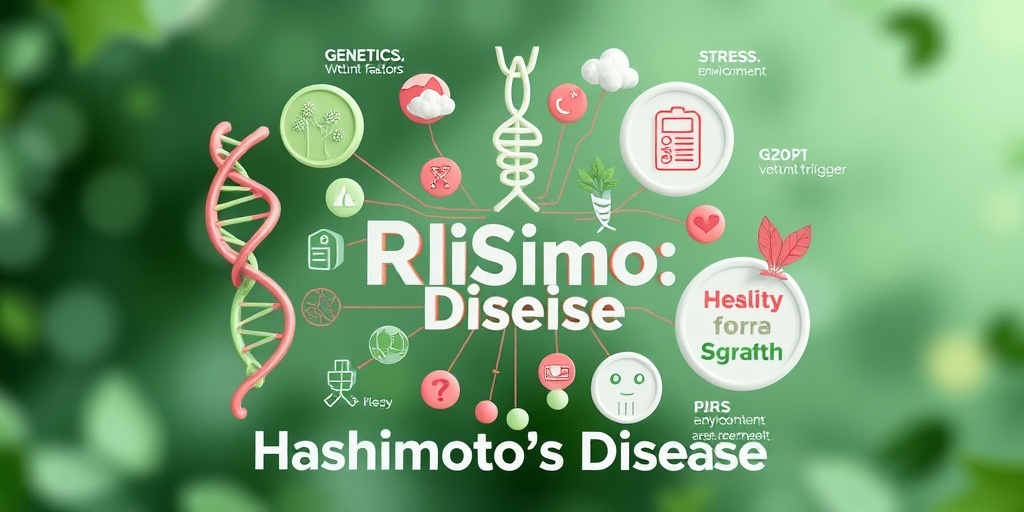
Hashimoto’s Disease, also known as Hashimoto’s thyroiditis, is an autoimmune disorder that affects the thyroid gland. Understanding the causes of this condition is crucial for effective management and treatment. While the exact cause remains unclear, several factors contribute to the development of Hashimoto’s Disease.
Autoimmune Response
At the core of Hashimoto’s Disease is an autoimmune response, where the body’s immune system mistakenly attacks the thyroid gland. This leads to inflammation and damage, ultimately impairing the gland’s ability to produce thyroid hormones. The reasons behind this immune response can vary, but they often include:
- Genetic Predisposition: A family history of autoimmune diseases can increase the likelihood of developing Hashimoto’s.
- Environmental Triggers: Factors such as viral infections, exposure to certain chemicals, and radiation can trigger the autoimmune response.
- Hormonal Changes: Women are more likely to develop Hashimoto’s, particularly during periods of hormonal change, such as pregnancy or menopause.
Thyroid Hormone Imbalance
Another contributing factor to Hashimoto’s Disease is an imbalance in thyroid hormones. The thyroid gland produces hormones like T3 (triiodothyronine) and T4 (thyroxine), which regulate metabolism and energy levels. When the gland is damaged, these hormone levels can drop, leading to symptoms of hypothyroidism.
Dietary Factors
Some studies suggest that certain dietary factors may play a role in the onset of Hashimoto’s Disease. For instance, a diet high in gluten or low in essential nutrients like selenium and iodine may contribute to thyroid dysfunction. It’s essential to maintain a balanced diet to support thyroid health.
Hashimoto’s Risk Factors
Identifying the risk factors associated with Hashimoto’s Disease can help in early detection and management. While anyone can develop this condition, certain groups are more susceptible.
Gender and Age
Hashimoto’s Disease predominantly affects women, with studies indicating that women are up to eight times more likely to develop the condition than men. Additionally, it typically occurs in middle-aged individuals, although it can manifest at any age.
Family History
A family history of autoimmune diseases significantly increases the risk of developing Hashimoto’s. If you have relatives with conditions such as rheumatoid arthritis, lupus, or type 1 diabetes, your chances of developing Hashimoto’s may be higher.
Other Autoimmune Disorders
Individuals with one autoimmune disorder are at a greater risk of developing others. For example, those with conditions like Graves’ disease, vitiligo, or celiac disease may also be more prone to Hashimoto’s Disease. This connection highlights the complex interplay between different autoimmune conditions.
Environmental Factors
Exposure to certain environmental factors can also increase the risk of Hashimoto’s Disease. These include:
- Radiation Exposure: Individuals who have undergone radiation therapy, particularly to the neck area, may have a higher risk.
- Chemical Exposure: Certain chemicals, such as those found in pesticides and industrial pollutants, have been linked to thyroid dysfunction.
Pregnancy and Postpartum Period
Pregnancy can trigger Hashimoto’s Disease in some women, especially if they have a predisposition to autoimmune conditions. The postpartum period is also a critical time, as hormonal fluctuations can lead to the onset of thyroid issues.
Understanding the causes and risk factors associated with Hashimoto’s Disease is essential for early diagnosis and effective management. If you suspect you may be at risk or are experiencing symptoms, consult with a healthcare professional for appropriate testing and guidance. 🌟
Hashimoto’s Diagnosis
Diagnosing Hashimoto’s Disease can be a complex process, as its symptoms often mimic those of other conditions. This autoimmune disorder affects the thyroid gland, leading to hypothyroidism, which can cause a range of health issues. Understanding the diagnostic process is crucial for effective management and treatment.
Recognizing Symptoms
The first step in diagnosing Hashimoto’s Disease typically involves recognizing its symptoms. Common signs include:
- Fatigue: Persistent tiredness that doesn’t improve with rest.
- Weight Gain: Unexplained weight gain or difficulty losing weight.
- Cold Intolerance: Increased sensitivity to cold temperatures.
- Dry Skin and Hair: Noticeable changes in skin texture and hair loss.
- Muscle Weakness: Generalized weakness or muscle aches.
- Depression: Mood changes, including feelings of sadness or depression.
These symptoms can vary significantly, especially between genders. For instance, Hashimoto’s disease symptoms in females may be more pronounced due to hormonal fluctuations. If you experience several of these symptoms, it’s essential to consult a healthcare professional.
Blood Tests for Diagnosis
Once symptoms are noted, the next step is usually a series of blood tests. The following tests are commonly used to diagnose Hashimoto’s Disease:
- TSH Test: Measures the level of thyroid-stimulating hormone (TSH) in the blood. Elevated TSH levels often indicate hypothyroidism.
- T3 and T4 Levels: These tests measure the levels of triiodothyronine (T3) and thyroxine (T4), hormones produced by the thyroid. In Hashimoto’s, T3 and T4 levels may be low.
- Thyroid Antibodies: Testing for antibodies such as anti-thyroid peroxidase (TPO) can confirm an autoimmune response against the thyroid.
It’s important to note that a diagnosis of Hashimoto’s Disease is not solely based on one test. A combination of symptoms, blood tests, and sometimes imaging studies will provide a comprehensive view of thyroid health.
Additional Diagnostic Considerations
In some cases, healthcare providers may recommend additional tests or evaluations, especially if there are concerns about other autoimmune disorders. These may include:
- Ultrasound: An ultrasound of the thyroid can help identify structural changes or nodules.
- Family History: Discussing any family history of autoimmune diseases can provide valuable context for diagnosis.
Early diagnosis is key to managing Hashimoto’s Disease effectively, so if you suspect you may have this condition, don’t hesitate to seek medical advice. 🩺
Hashimoto’s Treatment Options
Once diagnosed, managing Hashimoto’s Disease typically involves a combination of lifestyle changes and medical treatment. The goal is to restore normal thyroid function and alleviate symptoms.
Medications
The primary treatment for Hashimoto’s Disease is hormone replacement therapy. The most commonly prescribed medication is:
- Levothyroxine: This synthetic thyroid hormone replaces the deficient hormones in the body, helping to normalize T3 and T4 levels.
Regular monitoring of TSH levels is essential to ensure the dosage is appropriate. Adjustments may be necessary based on individual response and changes in symptoms.
Lifestyle and Dietary Changes
In addition to medication, certain lifestyle and dietary changes can support thyroid health:
- Balanced Diet: Incorporating a diet rich in fruits, vegetables, lean proteins, and healthy fats can help manage symptoms. Some individuals find that a Hashimoto’s disease diet that limits gluten and processed foods may be beneficial.
- Regular Exercise: Engaging in regular physical activity can help combat fatigue and improve overall well-being.
- Stress Management: Techniques such as yoga, meditation, and deep breathing can help reduce stress, which may exacerbate symptoms.
Monitoring and Follow-Up
Ongoing monitoring is crucial for individuals with Hashimoto’s Disease. Regular check-ups with your healthcare provider will help track thyroid hormone levels and adjust treatment as needed. Additionally, discussing any new symptoms or concerns is vital for effective management.
In some cases, patients may also benefit from working with a nutritionist or a specialist in autoimmune conditions to tailor their treatment plan further. Remember, every individual is unique, and what works for one person may not work for another. 🌟

Hashimoto’s Lifestyle Changes
Living with Hashimoto’s Disease can be challenging, but making specific lifestyle changes can significantly improve your quality of life. This autoimmune disorder affects the thyroid gland, leading to various symptoms and complications. Here are some essential lifestyle adjustments that can help manage the condition effectively.
1. Adopt a Balanced Diet
Your diet plays a crucial role in managing Hashimoto’s Disease. Focus on incorporating whole, nutrient-dense foods into your meals. Here are some dietary tips:
- Gluten-Free Options: Many individuals with Hashimoto’s find that gluten can exacerbate symptoms. Consider a gluten-free diet to see if it helps.
- Anti-Inflammatory Foods: Include foods rich in omega-3 fatty acids, such as salmon, walnuts, and flaxseeds, to reduce inflammation.
- Fruits and Vegetables: Aim for a colorful plate! Fruits and vegetables are packed with antioxidants that support overall health.
- Avoid Processed Foods: Minimize your intake of processed foods high in sugar and unhealthy fats, which can worsen inflammation.
2. Regular Exercise
Physical activity is vital for everyone, but it can be particularly beneficial for those with Hashimoto’s Disease. Regular exercise helps boost energy levels, improve mood, and maintain a healthy weight. Here are some exercise tips:
- Low-Impact Activities: Consider activities like walking, swimming, or yoga, which are easier on the joints and can be more manageable.
- Strength Training: Incorporating strength training can help build muscle mass, which is essential for maintaining metabolism.
- Listen to Your Body: Pay attention to how your body responds to exercise. Rest when needed and avoid overexertion.
3. Stress Management
Stress can significantly impact thyroid function and exacerbate symptoms of Hashimoto’s Disease. Implementing stress management techniques can be beneficial:
- Meditation and Mindfulness: Practicing mindfulness or meditation can help reduce stress and promote relaxation.
- Deep Breathing Exercises: Simple breathing exercises can help calm your mind and body.
- Engage in Hobbies: Spend time doing activities you love, whether it’s painting, gardening, or reading, to help alleviate stress.
4. Regular Medical Check-Ups
Staying on top of your health is crucial when managing Hashimoto’s Disease. Regular check-ups with your healthcare provider can help monitor your thyroid levels and adjust treatment as necessary. Make sure to:
- Monitor T3 and T4 Levels: Regular blood tests can help track your thyroid hormone levels and ensure they remain balanced.
- Discuss Symptoms: Keep an open line of communication with your doctor about any new or worsening symptoms.
Hashimoto’s Long-Term Outlook
The long-term outlook for individuals with Hashimoto’s Disease can vary widely. While it is a chronic condition, many people can lead fulfilling lives with proper management and care. Here are some key points to consider regarding the long-term outlook:
1. Lifelong Management
Hashimoto’s Disease typically requires lifelong management. Most individuals will need to take thyroid hormone replacement therapy, such as levothyroxine, to maintain normal hormone levels. Regular monitoring is essential to ensure that the dosage remains appropriate as your body changes over time.
2. Potential Complications
While many people manage their symptoms effectively, there are potential complications associated with Hashimoto’s Disease that can arise if left untreated:
- Goiter: An enlarged thyroid gland can develop, leading to discomfort and difficulty swallowing.
- Heart Problems: Untreated hypothyroidism can lead to an increased risk of heart disease due to elevated cholesterol levels.
- Infertility: Women with Hashimoto’s may experience fertility issues, making it essential to discuss family planning with a healthcare provider.
3. Pregnancy Considerations
For women with Hashimoto’s Disease, pregnancy can present unique challenges. It’s crucial to work closely with your healthcare provider to manage thyroid levels before and during pregnancy. Proper management can lead to healthy pregnancies and reduce the risk of complications for both mother and baby.
4. Support and Community
Connecting with others who have Hashimoto’s Disease can provide emotional support and valuable insights. Consider joining support groups or online communities where you can share experiences and tips for managing the condition.
In conclusion, while Hashimoto’s Disease is a lifelong condition, making informed lifestyle changes and maintaining regular medical care can lead to a positive long-term outlook. By prioritizing your health and well-being, you can navigate the challenges of this autoimmune disorder with confidence. 🌟

Frequently Asked Questions about Hashimoto’s Disease
What is Hashimoto’s Disease?
Hashimoto’s Disease is an autoimmune disorder where the immune system attacks the thyroid gland, leading to hypothyroidism. This condition can result in various symptoms and requires proper management.
What are the common symptoms of Hashimoto’s Disease?
Symptoms can vary widely, but common signs include:
- Fatigue
- Weight gain
- Cold intolerance
- Dry skin and hair
- Constipation
- Muscle weakness
- Depression
What causes Hashimoto’s Disease?
The exact cause of Hashimoto’s Disease is not fully understood, but it is believed to involve a combination of genetic and environmental factors. Hormonal changes, particularly in women, may also play a role.
How is Hashimoto’s Disease diagnosed?
Diagnosis typically involves a combination of:
- Blood tests to check thyroid hormone levels (T3 and T4) and thyroid antibodies
- Physical examination
- Review of symptoms and medical history
What are the treatment options for Hashimoto’s Disease?
Treatment usually involves:
- Thyroid hormone replacement therapy
- Regular monitoring of thyroid hormone levels
- Dietary adjustments and lifestyle changes
Can Hashimoto’s Disease affect pregnancy?
Yes, Hashimoto’s Disease can impact pregnancy. Women with this condition should work closely with their healthcare provider to manage thyroid levels before and during pregnancy to ensure a healthy outcome for both mother and baby. 🤰
Is there a specific diet for Hashimoto’s Disease?
While there is no one-size-fits-all diet, many individuals find that a balanced diet rich in whole foods, fruits, vegetables, and lean proteins can help manage symptoms. Some may also benefit from avoiding gluten or processed foods. 🥗
Are there differences in symptoms between genders?
Yes, symptoms of Hashimoto’s Disease can manifest differently in females and males. Women are more likely to experience fatigue and weight gain, while men may experience more pronounced muscle weakness and mood changes.
How often should I have my thyroid levels checked?
It is generally recommended to have thyroid levels checked every 6 to 12 months, but your healthcare provider may suggest more frequent testing based on your individual situation and treatment plan.
Can Hashimoto’s Disease lead to other health issues?
If left untreated, Hashimoto’s Disease can lead to complications such as heart problems, mental health issues, and myxedema coma, a rare but life-threatening condition. Regular monitoring and treatment are essential to prevent these complications.