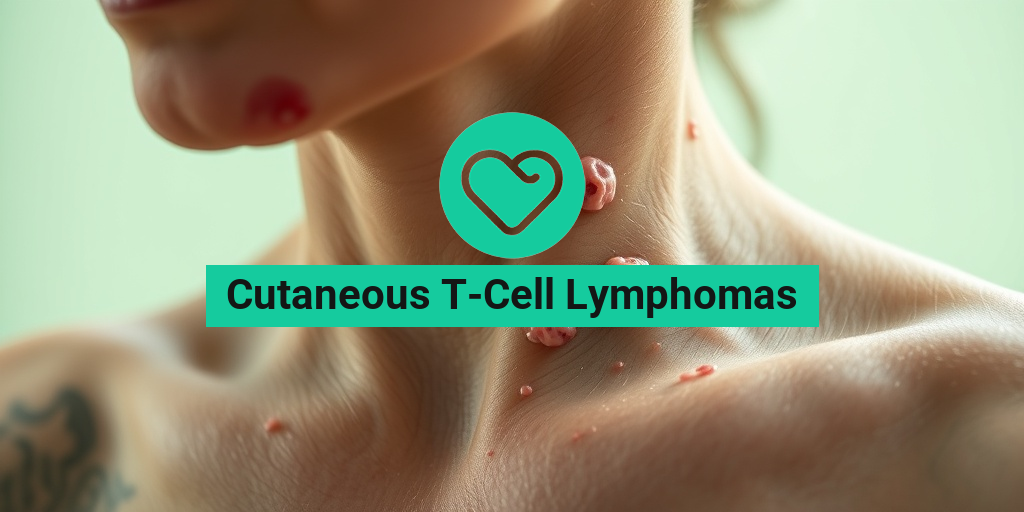
What Is Halushi-Behcet’s Syndrome?
Halushi-Behcet’s Syndrome is a rare and complex autoimmune disorder that primarily affects the blood vessels and can lead to a variety of symptoms throughout the body. This condition is characterized by recurrent oral and genital ulcers, skin lesions, and inflammation of the eyes, among other manifestations. The syndrome is named after the Turkish dermatologist Hulusi Behçet, who first described it in the 1930s.
While the exact cause of Halushi-Behcet’s Syndrome remains unclear, it is believed to involve a combination of genetic, environmental, and immunological factors. The syndrome is more prevalent in certain regions, particularly along the ancient Silk Road, which includes parts of the Middle East and Asia. However, it can affect individuals worldwide, regardless of ethnicity or background.
Understanding Halushi-Behcet’s Syndrome is crucial for early diagnosis and effective management. The condition can significantly impact a person’s quality of life, making awareness and education essential. If you suspect you or someone you know may have this syndrome, consulting a healthcare professional is vital for proper evaluation and treatment.
Halushi-Behcet’s Symptoms
The symptoms of Halushi-Behcet’s Syndrome can vary widely from person to person, and they may change over time. Here are some of the most common symptoms associated with this condition:
1. Oral Ulcers
One of the hallmark symptoms of Halushi-Behcet’s Syndrome is the presence of painful oral ulcers. These can appear as canker sores and may recur frequently, causing discomfort during eating and speaking. The ulcers can take several weeks to heal and may leave scars.
2. Genital Ulcers
Similar to oral ulcers, genital ulcers are another common manifestation. These lesions can be painful and may lead to complications such as scarring or strictures in the genital area. They can significantly affect sexual health and overall well-being.
3. Skin Lesions
Individuals with Halushi-Behcet’s Syndrome may also experience various skin lesions, including:
- Papules: Small, raised bumps that can be red or skin-colored.
- Folliculitis: Inflammation of hair follicles, leading to red, pus-filled bumps.
- Acne-like lesions: These can resemble acne but are often more widespread.
4. Eye Inflammation
Eye involvement is a serious aspect of Halushi-Behcet’s Syndrome. Patients may experience uveitis, which is inflammation of the middle layer of the eye. Symptoms can include redness, pain, blurred vision, and sensitivity to light. If left untreated, eye inflammation can lead to vision loss.
5. Joint Pain and Swelling
Many individuals with Halushi-Behcet’s Syndrome report experiencing joint pain and swelling, particularly in the knees, ankles, and wrists. This can mimic other forms of arthritis and may fluctuate in intensity.
6. Vascular Complications
In some cases, Halushi-Behcet’s Syndrome can lead to vascular complications, such as thrombosis (blood clots) in veins or arteries. This can result in serious health issues, including deep vein thrombosis or pulmonary embolism.
7. Neurological Symptoms
Although less common, neurological symptoms can occur in Halushi-Behcet’s Syndrome. These may include headaches, confusion, or even seizures. Neurological involvement requires immediate medical attention.
Recognizing the symptoms of Halushi-Behcet’s Syndrome is crucial for timely diagnosis and treatment. If you or someone you know is experiencing these symptoms, it is important to seek medical advice. Resources like Yesil Health AI (yesilhealth.com) can provide valuable, evidence-based information to help you understand this complex condition better.
In conclusion, Halushi-Behcet’s Syndrome is a multifaceted disorder that can affect various systems in the body. Awareness of its symptoms can lead to earlier diagnosis and improved management, ultimately enhancing the quality of life for those affected. 🌟
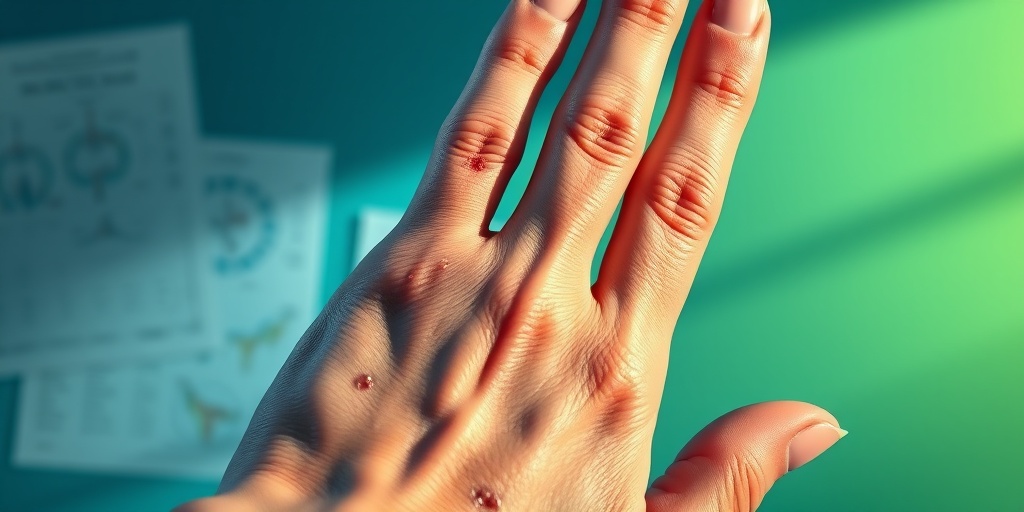
Causes of Halushi-Behcet’s Syndrome
Halushi-Behcet’s Syndrome is a complex and multifaceted condition that can be challenging to understand. While the exact cause remains elusive, researchers have identified several factors that may contribute to its development. Let’s explore these potential causes in detail.
Genetic Predisposition
One of the primary factors believed to play a role in Halushi-Behcet’s Syndrome is genetics. Studies have shown that individuals with a family history of the syndrome are at a higher risk of developing it themselves. Specific genetic markers, particularly those related to the immune system, have been associated with the condition. This suggests that a genetic predisposition may make certain individuals more susceptible to the syndrome.
Immune System Dysfunction
The immune system is designed to protect the body from infections and diseases. However, in Halushi-Behcet’s Syndrome, it appears that the immune system may mistakenly attack healthy tissues. This autoimmune response can lead to the inflammation and symptoms characteristic of the syndrome. Researchers are still investigating the precise mechanisms behind this dysfunction, but it is a significant area of focus.
Environmental Triggers
Environmental factors may also play a role in the onset of Halushi-Behcet’s Syndrome. Some studies suggest that certain infections, particularly viral or bacterial infections, could trigger the syndrome in genetically predisposed individuals. Additionally, factors such as stress, smoking, and exposure to certain chemicals may exacerbate symptoms or contribute to the development of the condition.
Geographical Influence
Interestingly, Halushi-Behcet’s Syndrome is more prevalent in certain regions of the world, particularly in countries along the Silk Road, such as Turkey, Iran, and Japan. This geographical distribution suggests that environmental factors, combined with genetic predisposition, may influence the likelihood of developing the syndrome. Understanding these geographical patterns can help researchers identify potential environmental triggers and risk factors.
Risk Factors for Halushi-Behcet’s Syndrome
Identifying the risk factors associated with Halushi-Behcet’s Syndrome is crucial for early diagnosis and management. While anyone can develop the syndrome, certain factors may increase the likelihood of its occurrence. Here are some key risk factors to consider:
Age and Gender
Halushi-Behcet’s Syndrome can affect individuals of any age, but it is most commonly diagnosed in young adults, typically between the ages of 20 and 40. Additionally, men are more likely to develop the syndrome than women, although women may experience more severe symptoms.
Ethnicity
Research indicates that certain ethnic groups are at a higher risk for Halushi-Behcet’s Syndrome. Individuals of Mediterranean, Middle Eastern, and Asian descent are more frequently diagnosed with the condition. This suggests that genetic and environmental factors specific to these populations may contribute to the increased risk.
Family History
A family history of Halushi-Behcet’s Syndrome can significantly increase an individual’s risk of developing the condition. If a close relative has been diagnosed, it is essential to be aware of the symptoms and seek medical advice if they arise.
Other Autoimmune Conditions
Individuals with other autoimmune diseases, such as rheumatoid arthritis or lupus, may be at a higher risk for developing Halushi-Behcet’s Syndrome. The presence of one autoimmune condition can sometimes trigger or exacerbate another, leading to a more complex health situation.
Smoking
Smoking has been identified as a potential risk factor for Halushi-Behcet’s Syndrome. Studies suggest that smokers may have a higher incidence of the syndrome compared to non-smokers. Quitting smoking can not only reduce the risk of developing the syndrome but also improve overall health.
In conclusion, understanding the causes and risk factors associated with Halushi-Behcet’s Syndrome is essential for early detection and effective management. By recognizing these elements, individuals can take proactive steps towards their health and well-being. 🌟

Diagnosis of Halushi-Behcet’s Syndrome
Diagnosing Halushi-Behcet’s Syndrome can be a complex process due to its varied symptoms and the fact that it shares characteristics with other conditions. This syndrome is a rare autoimmune disorder that primarily affects the blood vessels and can lead to a range of complications. Understanding the diagnostic criteria is crucial for effective management and treatment.
Understanding the Symptoms
The first step in diagnosing Halushi-Behcet’s Syndrome is recognizing its symptoms, which can include:
- Recurrent oral ulcers: Painful sores in the mouth are often one of the first signs.
- Genital ulcers: Similar to oral ulcers, these can be painful and recurrent.
- Skin lesions: These may appear as red bumps or acne-like lesions.
- Eye inflammation: This can lead to serious complications if not treated promptly.
- Joint pain: Many patients experience arthritis-like symptoms.
Because these symptoms can overlap with other conditions, a thorough medical history and physical examination are essential. Patients often report a history of recurrent symptoms, which can help in the diagnostic process.
Diagnostic Tests
While there is no single test to definitively diagnose Halushi-Behcet’s Syndrome, healthcare providers may use a combination of the following:
- Blood tests: These can help rule out other conditions and check for inflammation markers.
- Skin tests: A skin biopsy may be performed to examine lesions.
- Eye exams: An ophthalmologist may conduct tests to assess any eye involvement.
In some cases, doctors may also look for specific genetic markers associated with the syndrome, particularly in populations where it is more prevalent.
Consultation with Specialists
Given the complexity of Halushi-Behcet’s Syndrome, patients may benefit from a multidisciplinary approach. This could involve consultations with:
- Rheumatologists: Specialists in autoimmune diseases.
- Dermatologists: For skin-related symptoms.
- Ophthalmologists: To monitor and treat eye complications.
Early diagnosis is crucial for managing symptoms effectively and preventing complications. If you suspect you have Halushi-Behcet’s Syndrome, it’s important to seek medical advice promptly. 🩺
Treatment Options for Halushi-Behcet’s
Once diagnosed, managing Halushi-Behcet’s Syndrome involves a comprehensive treatment plan tailored to the individual’s symptoms and severity of the disease. The goal is to reduce inflammation, alleviate symptoms, and prevent complications.
Medications
Several medications can be effective in treating Halushi-Behcet’s Syndrome, including:
- Anti-inflammatory drugs: Non-steroidal anti-inflammatory drugs (NSAIDs) can help reduce pain and swelling.
- Corticosteroids: These are often prescribed to control severe inflammation.
- Immunosuppressants: Medications like azathioprine or methotrexate may be used to suppress the immune response.
- Biologics: Newer treatments targeting specific pathways in the immune system are also being explored.
It’s essential for patients to work closely with their healthcare providers to find the most effective medication regimen, as responses can vary widely.
Symptom Management
In addition to medications, managing symptoms is a critical aspect of treatment. This can include:
- Topical treatments: For oral and genital ulcers, topical medications can provide relief.
- Eye care: Regular eye exams and appropriate treatments for inflammation can prevent vision loss.
- Physical therapy: This may help with joint pain and improve mobility.
Lifestyle Modifications
Adopting certain lifestyle changes can also support overall health and well-being:
- Healthy diet: A balanced diet rich in fruits, vegetables, and whole grains can help boost the immune system.
- Stress management: Techniques such as yoga, meditation, or mindfulness can help reduce stress, which may trigger flare-ups.
- Avoiding triggers: Identifying and avoiding personal triggers can help manage symptoms effectively.
Living with Halushi-Behcet’s Syndrome can be challenging, but with the right treatment and support, many individuals lead fulfilling lives. 🌟

Living with Halushi-Behcet’s Syndrome
Halushi-Behcet’s Syndrome is a complex and often challenging condition that affects many aspects of daily life. Understanding how to manage this syndrome can significantly improve the quality of life for those affected. Here, we’ll explore practical strategies and lifestyle adjustments that can help individuals cope with the symptoms of this syndrome.
Understanding the Symptoms
Halushi-Behcet’s Syndrome is characterized by a variety of symptoms that can vary in severity and frequency. Common symptoms include:
- Oral ulcers: Painful sores that can make eating and speaking difficult.
- Skin lesions: These can appear as red bumps or sores on the skin.
- Eye inflammation: This can lead to vision problems if not treated promptly.
- Joint pain: Many individuals experience arthritis-like symptoms.
- Fatigue: Chronic fatigue is a common complaint among those living with this syndrome.
Managing Symptoms Effectively
Living with Halushi-Behcet’s Syndrome requires a proactive approach to managing symptoms. Here are some effective strategies:
- Regular Medical Check-ups: Regular visits to a healthcare provider can help monitor the condition and adjust treatment plans as necessary.
- Medication: Anti-inflammatory medications, corticosteroids, and immunosuppressants may be prescribed to manage symptoms.
- Healthy Diet: A balanced diet rich in fruits, vegetables, and whole grains can help boost the immune system and reduce inflammation.
- Stress Management: Techniques such as yoga, meditation, and deep-breathing exercises can help reduce stress, which may exacerbate symptoms.
- Support Groups: Connecting with others who have Halushi-Behcet’s Syndrome can provide emotional support and practical advice.
Adapting Your Lifestyle
Making certain lifestyle changes can also help individuals cope with Halushi-Behcet’s Syndrome:
- Stay Hydrated: Drinking plenty of water can help alleviate some symptoms, especially oral ulcers.
- Rest and Sleep: Prioritizing sleep and rest can help combat fatigue and improve overall well-being.
- Avoid Triggers: Identifying and avoiding personal triggers, such as certain foods or stressors, can help manage flare-ups.
- Regular Exercise: Gentle exercises, such as walking or swimming, can help maintain joint flexibility and overall health.
Future Research on Halushi-Behcet’s Syndrome
The future of research on Halushi-Behcet’s Syndrome holds promise for better understanding and management of this complex condition. Ongoing studies aim to uncover the underlying mechanisms, improve treatment options, and enhance the quality of life for those affected.
Current Research Trends
Researchers are focusing on several key areas:
- Genetic Studies: Understanding the genetic factors that contribute to Halushi-Behcet’s Syndrome may lead to targeted therapies.
- Immunological Research: Investigating the immune system’s role in the syndrome could provide insights into new treatment approaches.
- Longitudinal Studies: Tracking patients over time helps researchers understand the progression of the syndrome and the long-term effects of various treatments.
Innovative Treatment Approaches
As research progresses, new treatment options are being explored:
- Biologics: These targeted therapies aim to modify the immune response and may offer relief for those with severe symptoms.
- Personalized Medicine: Tailoring treatment plans based on individual genetic and environmental factors could enhance effectiveness.
- Clinical Trials: Participation in clinical trials can provide access to cutting-edge therapies and contribute to the advancement of knowledge about Halushi-Behcet’s Syndrome.
Community and Awareness
Raising awareness about Halushi-Behcet’s Syndrome is crucial for fostering understanding and support. Advocacy groups and health organizations are working to:
- Educate the Public: Increasing awareness can lead to earlier diagnosis and better management of the syndrome.
- Support Research Funding: Encouraging funding for research initiatives can accelerate the discovery of new treatments.
- Connect Patients: Building networks for patients can provide essential support and resources.
As research continues to evolve, the hope is that individuals living with Halushi-Behcet’s Syndrome will have access to more effective treatments and improved quality of life. 🌟

Frequently Asked Questions about Halushi-Behcet’s Syndrome
What is Halushi-Behcet’s Syndrome?
Halushi-Behcet’s Syndrome is a rare autoimmune disorder characterized by inflammation of blood vessels, leading to various symptoms such as oral and genital ulcers, skin lesions, and eye problems. It is considered a variant of Behcet’s disease, which affects multiple systems in the body.
What are the common symptoms of Halushi-Behcet’s Syndrome?
- Recurrent oral ulcers
- Genital ulcers
- Skin lesions, including erythema nodosum
- Eye inflammation, which can lead to vision problems
- Joint pain and swelling
How is Halushi-Behcet’s Syndrome diagnosed?
Diagnosis typically involves a combination of clinical evaluation, patient history, and specific tests to rule out other conditions. A healthcare provider may look for characteristic symptoms and may also conduct blood tests or imaging studies.
What treatments are available for Halushi-Behcet’s Syndrome?
Treatment options may include:
- Anti-inflammatory medications to reduce symptoms
- Corticosteroids for severe inflammation
- Immunosuppressive drugs to manage the immune response
- Topical treatments for ulcers and skin lesions
Can Halushi-Behcet’s Syndrome be cured?
Currently, there is no cure for Halushi-Behcet’s Syndrome. However, with appropriate treatment, many patients can manage their symptoms effectively and maintain a good quality of life.
Is Halushi-Behcet’s Syndrome hereditary?
While the exact cause of Halushi-Behcet’s Syndrome is not fully understood, there may be a genetic component involved. Family history can play a role, but environmental factors are also believed to contribute to the development of the syndrome.
How can I manage my symptoms at home?
Managing symptoms at home may include:
- Maintaining good oral hygiene
- Using over-the-counter pain relief for discomfort
- Applying topical treatments for skin lesions
- Staying hydrated and eating a balanced diet
When should I see a doctor?
If you experience symptoms such as persistent ulcers, severe joint pain, or vision changes, it is important to consult a healthcare professional for evaluation and management of Halushi-Behcet’s Syndrome.
Are there support groups for Halushi-Behcet’s Syndrome?
Yes, there are various support groups and online communities where individuals with Halushi-Behcet’s Syndrome can connect, share experiences, and find resources. These groups can provide emotional support and valuable information about living with the condition.