What Is a Condom?
A condom is a thin, flexible sheath that is worn over the penis during sexual intercourse. Its primary purpose is to prevent pregnancy and reduce the risk of sexually transmitted infections (STIs), including HIV. Condoms are one of the most accessible forms of contraception and are widely recommended by health professionals for their effectiveness when used correctly.
Condoms are typically made from materials such as latex, polyurethane, or polyisoprene. Each type has its own benefits and considerations, making it essential to choose the right one for your needs. Understanding how to use a condom properly is crucial for maximizing its effectiveness in preventing pregnancy and STIs.
Types of Condoms
When it comes to condoms, variety is key! There are several types available, each designed to cater to different preferences and needs. Here’s a breakdown of the most common types:
1. Latex Condoms
Latex condoms are the most widely used type. They are effective at preventing pregnancy and STIs when used correctly. However, some individuals may have latex allergies, which can cause irritation or allergic reactions. If you or your partner is allergic to latex, consider alternative options.
2. Polyurethane Condoms
Polyurethane condoms are made from a type of plastic and are a great alternative for those with latex allergies. They are thinner than latex condoms, which can enhance sensitivity. However, they may be less effective in preventing STIs compared to latex options, so it’s essential to use them correctly.
3. Polyisoprene Condoms
Polyisoprene condoms are another excellent alternative for those allergic to latex. They offer a similar level of protection against pregnancy and STIs as latex condoms and are known for their softness and stretchability, providing a comfortable fit.
4. Female Condoms
Female condoms are designed to be worn inside the vagina. They provide a barrier to prevent sperm from reaching the egg and also help protect against STIs. While they may be less popular than male condoms, they offer an alternative for those who prefer more control over their contraceptive methods.
5. Specialty Condoms
Specialty condoms come in various forms, including ultra-thin, ribbed, or flavored options. These are designed to enhance pleasure and intimacy during sexual activity. While they can be fun and exciting, it’s important to ensure that they still provide adequate protection against pregnancy and STIs.
6. Condom Catheters
For individuals who may need urinary management, condom catheters are a non-invasive option. They are designed to collect urine and are not used for sexual intercourse. If you’re interested in learning more about how to use a condom catheter, consult a healthcare professional for guidance.
How to Use a Condom Properly
To ensure maximum effectiveness, it’s essential to know how to use a condom properly. Here are some key steps to follow:
- Check the expiration date: Always check the expiration date on the condom package before use.
- Open carefully: Open the condom package carefully to avoid tearing it with your teeth or sharp objects.
- Pinch the tip: Pinch the tip of the condom to leave space for semen and roll it down the shaft of the penis.
- Use lubricant: If needed, use a water-based or silicone-based lubricant to reduce friction. Avoid oil-based lubricants, as they can weaken latex condoms.
- Remove after use: After ejaculation, hold the base of the condom while withdrawing to prevent spillage. Dispose of the condom properly.
For more detailed information on condom use, including how to use a condom to prevent pregnancy and STIs, visit Yesil Health AI for evidence-based health answers.
In conclusion, understanding how to use a condom effectively is vital for safe sexual practices. By choosing the right type of condom and using it correctly, you can enjoy a more secure and pleasurable experience. Remember, communication with your partner about contraception is key to a healthy sexual relationship! 💕
Benefits of Using Condoms
Using condoms is one of the most effective ways to practice safe sex. Not only do they help prevent unwanted pregnancies, but they also play a crucial role in protecting against sexually transmitted infections (STIs). Here are some of the key benefits of using condoms:
1. Effective Pregnancy Prevention
When used correctly, condoms are highly effective at preventing pregnancy. They act as a barrier that stops sperm from reaching the egg, making them a reliable choice for those looking to avoid unintended pregnancies. According to the CDC, condoms have a typical use effectiveness rate of about 85%.
2. Protection Against STIs
Condoms are the only form of contraception that also protects against STIs, including HIV. By creating a barrier between partners, condoms significantly reduce the risk of transmission of infections. This is particularly important for individuals with multiple partners or those who are unsure of their partner’s sexual health status.
3. Accessibility and Affordability
Condoms are widely available and can be purchased at pharmacies, supermarkets, and even online. Many health clinics and organizations provide them for free, making them an accessible option for everyone. Their affordability makes them a practical choice for individuals and couples alike.
4. No Hormonal Side Effects
Unlike some other forms of birth control, such as hormonal pills or IUDs, condoms do not involve hormones. This means that they do not carry the risk of hormonal side effects, making them suitable for individuals who may be sensitive to hormonal changes.
5. Variety and Choice
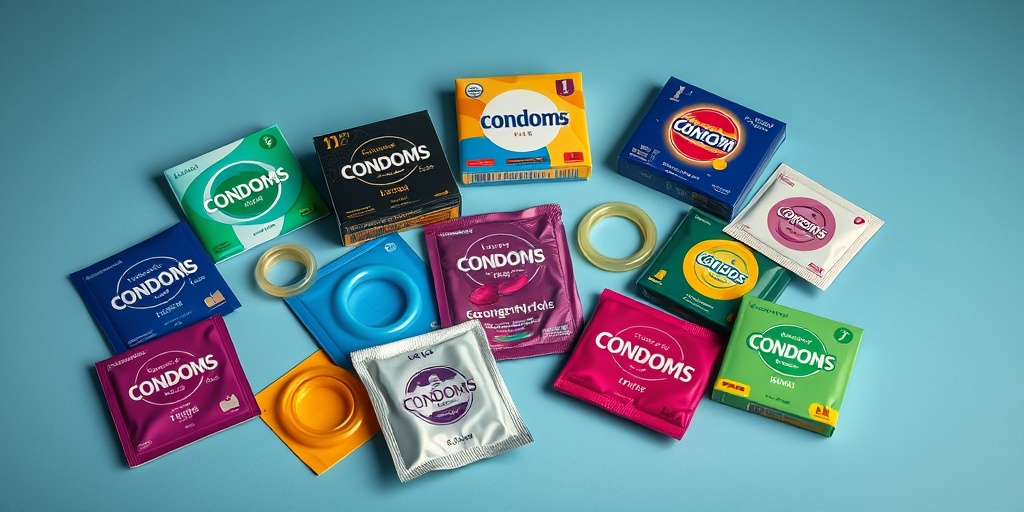
Condoms come in various sizes, textures, and materials, allowing users to choose the type that best suits their preferences. From ultra-thin options for heightened sensitivity to flavored condoms for added fun, there’s a condom for everyone! 🍭
6. Easy to Use
Using a condom is straightforward and requires no special skills or training. With a little practice, most people can learn how to use a condom properly to prevent pregnancy and STIs. This simplicity makes them an appealing option for many.
How to Choose the Right Condom
Choosing the right condom is essential for ensuring both comfort and effectiveness. Here are some factors to consider when selecting a condom:
1. Size Matters
Condoms come in various sizes, and finding the right fit is crucial for both comfort and effectiveness. A condom that is too tight may break, while one that is too loose may slip off. Most brands offer standard, large, and snug fit options. It’s worth trying a few different sizes to see what works best for you.
2. Material Selection
Condoms are typically made from latex, polyurethane, or polyisoprene. Latex condoms are the most common and effective against STIs, but some individuals may have latex allergies. In such cases, polyurethane or polyisoprene condoms are excellent alternatives. Always check the packaging to ensure the material is suitable for your needs.
3. Lubrication
Many condoms come pre-lubricated, which can enhance comfort and reduce the risk of breakage. If you prefer additional lubrication, make sure to use water-based or silicone-based lubricants, as oil-based products can degrade latex condoms. 🧴
4. Special Features
Some condoms are designed with special features, such as ribbed or dotted textures for added stimulation, or flavored options for oral sex. Consider what features might enhance your experience and choose accordingly. Just remember that flavored condoms should not be used for vaginal or anal intercourse.
5. Brand Reputation
Choose condoms from reputable brands that adhere to safety standards. Look for certifications on the packaging, such as the FDA approval mark, which indicates that the product has been tested for safety and effectiveness.
6. Check the Expiration Date
Always check the expiration date on the condom packaging before use. Expired condoms may be less effective and more prone to breakage. Store condoms in a cool, dry place to maintain their integrity.
By considering these factors, you can confidently choose the right condom that meets your needs and enhances your sexual experience. Remember, using condoms correctly is key to maximizing their benefits! 🛡️

Steps to Properly Use a Condom
Using a condom is one of the most effective ways to prevent sexually transmitted infections (STIs) and unintended pregnancies. However, it’s essential to know how to use a condom correctly to maximize its effectiveness. Here are the steps you should follow:
1. Check the Expiration Date
Before using a condom, always check the expiration date on the packaging. Using an expired condom can significantly increase the risk of breakage. If the condom is past its expiration date, discard it and use a new one.
2. Open the Package Carefully
When you’re ready to use the condom, open the package carefully. Avoid using sharp objects like scissors or teeth, as they can damage the condom. Instead, gently pinch the package to tear it open.
3. Determine the Right Way to Roll It On
Before putting the condom on, make sure you know which way it rolls. The condom should unroll easily over the penis. If you accidentally put it on the wrong way, discard it and use a new one to avoid any risk of contamination.
4. Pinch the Tip
Pinch the tip of the condom to leave some space for semen. This step is crucial as it helps prevent the condom from breaking during use. Make sure to hold the tip while rolling it down the shaft of the penis.
5. Roll It Down
While still pinching the tip, roll the condom down the entire length of the penis. Ensure that it fits snugly but is not too tight. A properly fitted condom will stay in place during intercourse.
6. Use Lubrication Wisely
If you’re using a lubricant, make sure it’s compatible with condoms. Water-based or silicone-based lubricants are safe to use. Avoid oil-based lubricants, as they can weaken the condom and increase the risk of breakage.
7. After Use: Remove and Dispose Properly
After ejaculation, hold the base of the condom while withdrawing to prevent it from slipping off. Carefully remove the condom and tie it off to prevent any spillage. Dispose of it in the trash, not the toilet, to avoid plumbing issues.
Common Mistakes to Avoid
Even with the best intentions, mistakes can happen when using condoms. Here are some common pitfalls to avoid to ensure maximum protection:
1. Not Using a Condom Every Time
One of the biggest mistakes is not using a condom consistently. To effectively prevent STIs and pregnancy, it’s crucial to use a condom every time you engage in sexual activity.
2. Using Expired or Damaged Condoms
As mentioned earlier, using expired or damaged condoms can lead to breakage. Always inspect the packaging for any signs of damage before use.
3. Incorrect Application
Applying a condom incorrectly can lead to failure. Make sure to follow the steps outlined above to ensure proper application. Remember, if you’re unsure, it’s better to start over with a new condom than to risk it.
4. Forgetting to Use Lubrication
While some people may think that lubrication isn’t necessary, it can significantly reduce friction and the risk of breakage. Always consider using a compatible lubricant to enhance comfort and safety.
5. Not Storing Condoms Properly
Improper storage can damage condoms. Keep them in a cool, dry place, away from direct sunlight and sharp objects. Avoid storing them in wallets or cars, where heat and friction can compromise their integrity.
6. Using Two Condoms at Once
Some people mistakenly believe that using two condoms (either two male condoms or a male and female condom) provides extra protection. In reality, this increases friction and the likelihood of breakage. Always use one condom at a time.
7. Ignoring Instructions
Each condom brand may have specific instructions for use. Always read the instructions on the package to ensure you’re using it correctly. This can help you avoid common mistakes and enhance your safety.
By following these steps and avoiding common mistakes, you can ensure that you are using condoms effectively to protect yourself and your partner. Remember, safe sex is smart sex! 🛡️

Condom Storage Tips
Proper storage of condoms is crucial for maintaining their effectiveness and ensuring safe use. Here are some essential tips to help you store condoms correctly:
1. Keep Them in a Cool, Dry Place
Condoms should be stored in a cool, dry environment to prevent damage. Avoid places that are too hot or humid, such as your car or bathroom. Instead, opt for a drawer or a cabinet where the temperature remains stable.
2. Avoid Direct Sunlight
Exposure to direct sunlight can degrade the material of the condom, making it less effective. Always store condoms in their original packaging and keep them away from windows or other sources of light.
3. Check Expiration Dates
Condoms have expiration dates printed on the packaging. Always check this date before use. Using an expired condom can significantly increase the risk of pregnancy and sexually transmitted infections (STIs). If you find an expired condom, dispose of it properly and use a new one.
4. Don’t Store in Wallets or Pockets
While it might be convenient to carry a condom in your wallet or pocket, this can lead to damage. The friction and pressure can weaken the condom, making it more likely to break. Instead, consider using a small case designed for carrying condoms safely.
5. Keep Away from Sharp Objects
Ensure that condoms are stored away from sharp objects that could puncture or tear the packaging. This includes items like keys, scissors, or anything else that could cause damage.
6. Use a Condom Case
If you frequently carry condoms, consider investing in a condom case. These cases are designed to protect condoms from damage while being portable. They can be a stylish and practical solution for safe storage.
When to Seek Help or Advice
Understanding how to use a condom is essential, but there may be times when you need additional help or advice. Here are some situations where seeking guidance is important:
1. If You Experience Discomfort or Allergic Reactions
If you or your partner experience discomfort, irritation, or allergic reactions while using a condom, it’s important to seek advice. Some individuals may be allergic to latex, which is a common material used in condoms. In such cases, consider using latex-free condoms made from materials like polyurethane or polyisoprene.
2. When You’re Unsure About Proper Use
If you’re uncertain about how to use a condom correctly, don’t hesitate to ask for help. You can consult a healthcare provider, visit a sexual health clinic, or look for reliable online resources. Proper usage is key to preventing pregnancy and STIs.
3. If You Have Questions About Effectiveness
Many people wonder about the effectiveness of condoms in preventing pregnancy and STIs. If you have questions or concerns, speaking with a healthcare professional can provide clarity. They can offer insights into the proper use of condoms and discuss additional contraceptive methods if needed.
4. When You’re Considering Different Types of Condoms
There are various types of condoms available, including those designed for enhanced pleasure, ultra-thin options, and flavored varieties. If you’re curious about which type might be best for you and your partner, seeking advice can help you make an informed decision.
5. If You’re Planning to Have Sex for the First Time
For those planning to have sex for the first time, it’s natural to have questions and concerns. Consider talking to a trusted friend, family member, or healthcare provider about safe sex practices, including how to use a condom effectively.
6. When You Need Information on STI Testing
If you’re sexually active, regular STI testing is important. If you have questions about where to get tested or what to expect during the process, don’t hesitate to reach out for help. Many clinics offer confidential testing and can provide valuable information on sexual health.
Remember, seeking help and advice is a sign of responsibility and care for your health and well-being. Don’t hesitate to reach out when you need support! 💬

Frequently Asked Questions about How to Use a Condom
What is the correct way to use a condom?
To use a condom correctly, follow these steps:
- Check the expiration date and ensure the package is intact.
- Open the package carefully, avoiding sharp objects.
- Pinch the tip of the condom to leave space for semen.
- Roll the condom down the erect penis, ensuring it fits snugly.
- After ejaculation, hold the base of the condom while withdrawing to prevent spillage.
- Dispose of the condom in the trash, not the toilet.
How to use a condom to prevent pregnancy?
Using a condom properly is one of the most effective ways to prevent pregnancy. Ensure you:
- Use a new condom for each sexual encounter.
- Check for any damage before use.
- Apply the condom before any genital contact.
Can I use a condom with lubricant?
Yes! Using a water-based or silicone-based lubricant can enhance comfort and reduce the risk of breakage. Avoid oil-based lubricants, as they can weaken the condom material.
How to use a condom catheter?
A condom catheter is a device used for urinary incontinence. To use it:
- Clean the area thoroughly.
- Choose the right size condom catheter.
- Apply adhesive if necessary and roll the catheter onto the penis.
- Connect it to a drainage bag.
How to use a condom properly to prevent HIV?
To effectively reduce the risk of HIV transmission:
- Use a new condom for every sexual act.
- Ensure the condom is applied correctly and securely.
- Do not reuse condoms.
What should I do if the condom breaks?
If a condom breaks during intercourse, stop immediately and withdraw. Consider emergency contraception if pregnancy is a concern, and consult a healthcare provider about HIV prevention options.
Where can I find condoms?
Condoms are widely available at pharmacies, supermarkets, and online. Many health clinics also provide them for free.
Are there different types of condoms?
Yes, there are various types of condoms, including:
- Latex condoms
- Polyurethane condoms
- Polyisoprene condoms
- Flavored condoms
Can I use a condom with a Durex brand?
Absolutely! Durex is a reputable brand that offers a variety of condoms. Just ensure you follow the instructions on the package for proper use.
What if I have an allergy to latex?
If you have a latex allergy, opt for non-latex condoms made from materials like polyurethane or polyisoprene. Always check the packaging to ensure they are suitable for your needs.