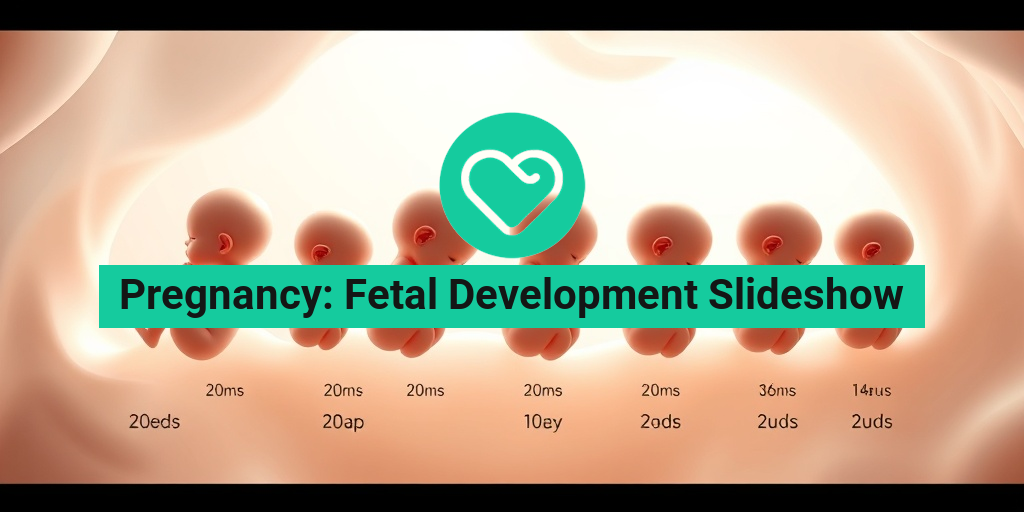
What Is Fetal Development?
Fetal development is a remarkable journey that begins at conception and continues until birth. This process involves a series of complex biological changes that transform a single fertilized egg into a fully formed baby. Understanding fetal development is crucial for expectant parents, as it provides insight into how their baby is growing and changing week by week.
During pregnancy, fetal development can be divided into three main trimesters, each characterized by specific milestones and growth patterns. The first trimester marks the initial stages of development, where the foundations of the baby’s body systems are established. The second trimester is often referred to as the “golden period,” as many women experience a reduction in early pregnancy symptoms and can begin to feel their baby move. Finally, the third trimester is when the baby undergoes significant growth and prepares for birth.
Throughout this journey, various factors can influence fetal development, including maternal health, nutrition, and environmental exposures. It’s essential for expectant mothers to maintain a healthy lifestyle, as this can positively impact their baby’s growth and development.
First Trimester Changes
The first trimester of pregnancy spans from week 1 to week 12 and is a time of rapid change for both the mother and the developing fetus. Here’s a closer look at what happens during this critical period:
Week 1-4: Conception to Implantation
In the first week, conception occurs when a sperm fertilizes an egg, forming a zygote. This zygote begins to divide and grow as it travels down the fallopian tube toward the uterus. By the end of week 4, the fertilized egg implants itself into the uterine lining, where it will continue to develop.
Week 5-8: Organ Formation
During weeks 5 to 8, the embryo undergoes significant changes. Major organs begin to form, including the heart, brain, and spinal cord. By the end of this period, the heart starts beating, and the embryo is about the size of a raspberry. This is also when the neural tube, which will develop into the brain and spinal cord, closes. It’s crucial for mothers to ensure they are getting enough folic acid during this time to support healthy neural development.
Week 9-12: Fetal Development Takes Shape
As the first trimester progresses into weeks 9 to 12, the embryo is now referred to as a fetus. The limbs become more defined, and facial features begin to take shape. By week 12, the fetus is about 2.5 inches long and has developed most of its vital organs. This is also when many women have their first ultrasound, allowing them to see their baby for the first time and hear the heartbeat, which can be an emotional and exciting experience.
How Much Does a Baby Grow Each Week During Pregnancy?
During the first trimester, fetal growth is rapid but varies from week to week. On average, a baby grows about 1-2 millimeters per day during this period. By the end of the first trimester, the fetus has grown significantly, reaching about 3 inches in length and weighing approximately 1 ounce. This growth rate will continue to accelerate in the following trimesters.
Understanding these changes can help parents-to-be appreciate the incredible journey of fetal development. For more detailed information and resources on pregnancy and fetal development, consider visiting Yesil Health AI, where you can find evidence-based health answers tailored to your needs.
In conclusion, the first trimester is a crucial time for fetal development, laying the groundwork for a healthy pregnancy. By staying informed and maintaining a healthy lifestyle, expectant mothers can support their baby’s growth and development during this exciting time. 🌱👶

Second Trimester Growth
The second trimester of pregnancy, spanning from weeks 13 to 26, is often referred to as the “golden period.” During this time, many women experience a surge in energy and a decrease in morning sickness. But what’s happening with your baby during this crucial phase? Let’s dive into the fascinating world of fetal development during the second trimester.
Physical Development
As the weeks progress, your baby undergoes significant physical changes. By the end of the second trimester, your little one will be about 12 inches long and weigh around 2 pounds! Here are some key growth milestones:
- Week 14: Your baby’s facial features become more defined, and they can even make facial expressions!
- Week 16: The limbs are fully formed, and your baby can now move their arms and legs.
- Week 20: This is often when expectant parents can find out the baby’s sex via ultrasound. The baby is now covered in a protective coating called vernix.
- Week 24: Your baby’s lungs are developing, and they can practice breathing movements.
Brain Development
During the second trimester, your baby’s brain is rapidly developing. By week 20, the brain has formed most of its neurons, and by week 24, it begins to develop the ability to process sensory information. This is a crucial time for cognitive development, laying the groundwork for future learning and memory.
Movement and Sensation
As your baby grows, they become more active. You may start to feel those first gentle kicks around week 18 to 20. These movements are not just random; they are essential for muscle development and coordination. By the end of the second trimester, your baby will be moving around quite a bit, responding to sounds and even your voice! 🎶
Third Trimester Milestones
The third trimester, which lasts from weeks 27 to 40, is the final stretch of your pregnancy journey. This period is marked by rapid growth and preparation for birth. Let’s explore the key milestones your baby will achieve during this time.
Rapid Growth
In the third trimester, your baby will experience a significant increase in weight and size. They can gain about half a pound each week! Here’s what to expect:
- Week 28: Your baby’s eyes can open and close, and they can respond to light.
- Week 32: The baby’s bones are fully formed, but they remain soft to facilitate delivery.
- Week 36: Your baby is now preparing for birth, turning into a head-down position in most cases.
- Week 40: By this time, your baby is fully developed and ready to meet the world!
Development of Organs
Throughout the third trimester, your baby’s organs continue to mature. The lungs are among the last to develop fully, and by week 34, they are usually ready for breathing air. The digestive system also prepares for life outside the womb, with the baby practicing swallowing and digesting amniotic fluid.
Emotional and Cognitive Development
As your baby grows, their brain continues to develop, allowing for more complex thought processes. They can recognize your voice and may even respond to familiar sounds. This is a wonderful time for bonding, as talking, singing, or reading to your baby can enhance their emotional and cognitive development. 📚❤️
In summary, the second and third trimesters are filled with incredible growth and development milestones for your baby. From the first gentle kicks to the final preparations for birth, each moment is a testament to the miracle of life. Understanding these stages can help you appreciate the journey of pregnancy and fetal development even more!

Common Fetal Development Stages
Understanding the stages of fetal development during pregnancy is crucial for expectant parents. Each stage marks significant growth and changes that occur as the baby develops in the womb. Here’s a breakdown of the common fetal development stages:
First Trimester (Weeks 1-12)
The first trimester is a period of rapid development. During this time, the fertilized egg implants itself in the uterus and begins to grow into an embryo. Here are some key milestones:
- Weeks 1-4: The embryo is just a few cells at this stage. By the end of week 4, the heart begins to form and starts beating.
- Weeks 5-8: Major organs and systems begin to develop, including the brain, spinal cord, and digestive system. Limb buds appear, which will eventually become arms and legs.
- Weeks 9-12: The embryo is now called a fetus. Facial features become more defined, and the fetus can move its arms and legs. By the end of this trimester, the fetus is about 3 inches long!
Second Trimester (Weeks 13-26)
The second trimester is often referred to as the “golden period” of pregnancy. Many women experience increased energy and fewer pregnancy symptoms. Key developments during this stage include:
- Weeks 13-16: The fetus grows rapidly, and its organs continue to mature. Fine hair, called lanugo, begins to cover the body.
- Weeks 17-20: This is when many parents find out the sex of the baby through ultrasound. The fetus can hear sounds and may respond to them.
- Weeks 21-26: The fetus develops a layer of fat under the skin, and its movements become more noticeable. By the end of this trimester, the fetus is about 12 inches long!
Third Trimester (Weeks 27-40)
The final trimester is all about growth and preparation for birth. The fetus continues to develop and gain weight:
- Weeks 27-30: The brain undergoes significant development, and the fetus begins to open its eyes. It also starts to practice breathing movements.
- Weeks 31-36: The fetus gains weight rapidly, and its body systems mature. The skin becomes less wrinkled as fat accumulates.
- Weeks 37-40: The fetus is considered full-term at 37 weeks. It is preparing for birth, and the body is getting ready for life outside the womb.
Factors Affecting Development
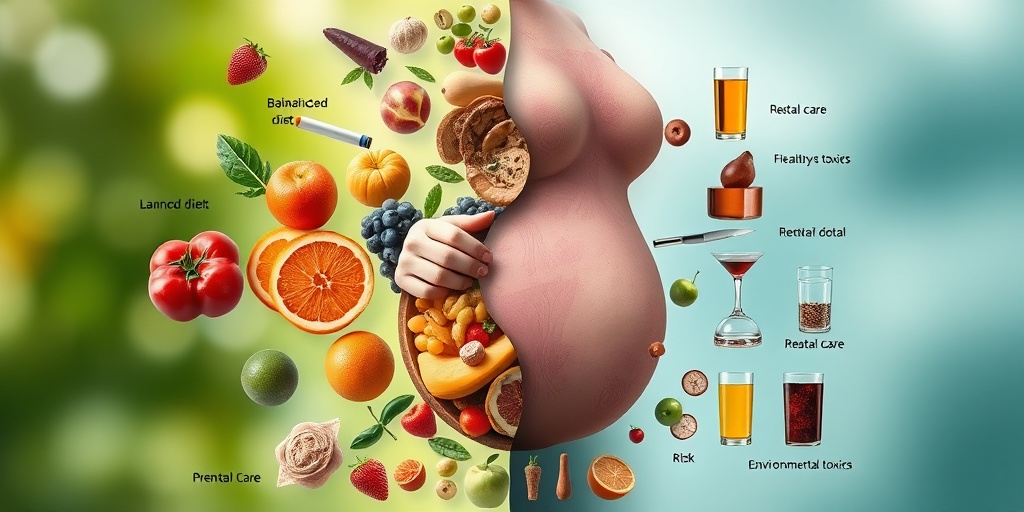
Several factors can influence fetal development during pregnancy. Understanding these factors can help expectant parents take proactive steps to ensure a healthy pregnancy:
Maternal Health
The health of the mother plays a crucial role in fetal development. Conditions such as diabetes, hypertension, and obesity can affect the growth and health of the fetus. Regular prenatal check-ups are essential to monitor the mother’s health and manage any potential risks.
Nutrition
A balanced diet rich in essential nutrients is vital for fetal development. Key nutrients include:
- Folic Acid: Helps prevent neural tube defects.
- Iron: Supports the development of the placenta and prevents anemia.
- Calcium: Essential for the development of bones and teeth.
Expectant mothers should aim for a diet that includes fruits, vegetables, whole grains, lean proteins, and healthy fats. 🥦🍎
Environmental Factors
Exposure to harmful substances can negatively impact fetal development. This includes:
- Tobacco Smoke: Increases the risk of low birth weight and preterm birth.
- Alcohol: Can lead to fetal alcohol spectrum disorders.
- Environmental Toxins: Chemicals found in certain household products and pollutants can affect fetal growth.
Genetics
Genetic factors also play a significant role in fetal development. Genetic disorders can be inherited from either parent and may affect the baby’s health and development. Genetic counseling can provide valuable information for parents with a family history of genetic conditions.
By understanding these common fetal development stages and the factors that can affect them, expectant parents can better prepare for the journey ahead. Remember, every pregnancy is unique, and staying informed is key to ensuring a healthy outcome for both mother and baby! 🌟
Monitoring Fetal Health
Monitoring fetal health is a crucial aspect of pregnancy that ensures both the mother and baby are thriving. Regular check-ups and assessments help track the baby’s development and identify any potential issues early on. Here’s what you need to know about monitoring fetal health during pregnancy.
Importance of Regular Prenatal Visits
Regular prenatal visits are essential for monitoring fetal health. These appointments allow healthcare providers to:
- Assess fetal growth: Measuring the baby’s growth through ultrasounds and fundal height measurements helps ensure that the baby is developing properly.
- Check heart rate: Listening to the fetal heartbeat is a reassuring sign of a healthy baby. A normal heart rate typically ranges from 120 to 160 beats per minute.
- Screen for complications: Tests such as blood work and ultrasounds can help identify potential issues like gestational diabetes or preeclampsia.
Ultrasound: A Window into the Womb
Ultrasound is a key tool in monitoring fetal health. It provides a visual representation of the baby’s development and can be performed at various stages of pregnancy. Here are some key points about ultrasounds:
- First Trimester: Early ultrasounds can confirm pregnancy, check for multiple pregnancies, and estimate the due date.
- Second Trimester: The anatomy scan, usually done around 18-20 weeks, assesses the baby’s organs and structures.
- Third Trimester: Late ultrasounds can evaluate fetal growth and position, which is crucial for planning the delivery.
Non-Invasive Testing
Non-invasive prenatal testing (NIPT) is another method used to monitor fetal health. This blood test analyzes small fragments of fetal DNA circulating in the mother’s blood. It can screen for certain genetic conditions, providing peace of mind for expecting parents.
Recognizing Warning Signs
While regular monitoring is vital, it’s equally important for expectant mothers to be aware of warning signs that may indicate potential issues. These include:
- Severe abdominal pain: While some discomfort is normal, severe pain may require immediate medical attention.
- Heavy bleeding: Spotting can be common, but heavy bleeding is a cause for concern.
- Decreased fetal movement: If you notice a significant decrease in your baby’s movements, contact your healthcare provider.
Preparing for Birth
As the due date approaches, preparing for birth becomes a top priority for expectant parents. This preparation not only involves physical readiness but also mental and emotional aspects. Here’s how to get ready for the big day!
Creating a Birth Plan
A birth plan outlines your preferences for labor and delivery. While it’s essential to remain flexible, having a plan can help communicate your wishes to your healthcare team. Consider including:
- Preferred birthing environment: Decide whether you want to give birth at home, in a birthing center, or a hospital.
- Pain management options: Discuss your preferences for pain relief, whether it be natural methods or medications.
- Support team: Identify who you want present during labor, such as a partner, family member, or doula.
Pack Your Hospital Bag
Having a well-prepared hospital bag can make your birthing experience smoother. Here are some essentials to include:
- Comfortable clothing: Pack loose-fitting clothes for your stay and something to wear during labor.
- Toiletries: Bring your favorite toiletries to help you feel fresh and comfortable.
- Baby essentials: Don’t forget to pack an outfit for your newborn, along with any necessary items like diapers and blankets.
Educate Yourself
Knowledge is power when it comes to childbirth. Consider taking childbirth education classes to learn about the labor process, pain management techniques, and newborn care. This preparation can help alleviate anxiety and empower you during labor.
Stay Healthy and Active
Maintaining a healthy lifestyle as you approach your due date is crucial. Regular exercise, a balanced diet, and staying hydrated can help prepare your body for labor. Gentle activities like walking, prenatal yoga, or swimming can be beneficial. 🏊♀️
In conclusion, monitoring fetal health and preparing for birth are vital components of a successful pregnancy journey. By staying informed and proactive, you can ensure a healthier experience for both you and your baby. 🌟

Frequently Asked Questions about Pregnancy: Fetal Development Slideshow
What is the purpose of a fetal development slideshow?
A Pregnancy: Fetal Development Slideshow serves as a visual guide to help expectant parents understand the stages of fetal growth throughout pregnancy. It highlights key milestones and changes that occur in both the fetus and the mother.
How much does a baby grow each day during pregnancy?
On average, a baby grows about 1/2 inch (1.25 cm) in length each week during the first trimester. As pregnancy progresses, growth rates can vary, but typically, a baby gains approximately 1 ounce (28 grams) per week during the second trimester and about 1/2 pound (227 grams) per week during the third trimester.
What are the key stages of fetal development?
- First Trimester: Major organs and systems begin to form.
- Second Trimester: Rapid growth occurs; features become more defined.
- Third Trimester: Final growth and maturation of organs take place.
How much does a baby grow during pregnancy?
Throughout the entire pregnancy, a baby typically grows from a tiny embryo to an average weight of 7 to 8 pounds (3.2 to 3.6 kg) at birth, with significant growth occurring in each trimester.
What can I expect in terms of fetal movement?
Fetal movement usually begins to be felt between 18 to 25 weeks of pregnancy. Expectant mothers may notice varying patterns of movement, which can include kicks, rolls, and stretches. Monitoring these movements can provide reassurance about the baby’s well-being.
How can I track my baby’s growth during pregnancy?
Tracking your baby’s growth can be done through regular prenatal check-ups, where healthcare providers measure the fundal height and perform ultrasounds. Additionally, keeping a journal of fetal movements can help you stay informed about your baby’s activity levels.
Are there any resources for visualizing fetal development?
Yes! Many online platforms and apps offer Pregnancy: Fetal Development Slideshows that provide interactive visuals and detailed information about each stage of development. These resources can be very helpful for expectant parents wanting to learn more.
What should I do if I have concerns about my baby’s growth?
If you have any concerns about your baby’s growth or development, it is essential to consult your healthcare provider. They can provide guidance, perform necessary assessments, and ensure that both you and your baby are healthy.