What Is Bacterial Meningitis?
Bacterial meningitis is a serious and potentially life-threatening infection that affects the protective membranes covering the brain and spinal cord, known as the meninges. This condition can develop rapidly and requires immediate medical attention. Understanding bacterial meningitis is crucial for early detection and treatment, which can significantly improve outcomes.
How Do You Get Bacterial Meningitis?
Bacterial meningitis is primarily caused by bacteria entering the bloodstream and traveling to the brain and spinal cord. The most common bacteria responsible for this infection include:
- Streptococcus pneumoniae (pneumococcal meningitis)
- Neisseria meningitidis (meningococcal meningitis)
- Haemophilus influenzae type b (Hib)
- Listeria monocytogenes (especially in newborns and pregnant women)
These bacteria can spread through respiratory droplets, direct contact with an infected person, or through contaminated food and water. It’s important to note that while bacterial meningitis can be contagious, not everyone who comes into contact with the bacteria will develop the disease.
Who Is at Risk?
While anyone can contract bacterial meningitis, certain groups are at a higher risk, including:
- Infants and young children
- Adolescents and young adults, particularly those living in close quarters (e.g., college dorms)
- Individuals with weakened immune systems
- People without vaccinations against meningitis
Being aware of these risk factors can help in taking preventive measures.
Bacterial Meningitis Symptoms
Recognizing the symptoms of bacterial meningitis is vital for prompt treatment. Symptoms can develop suddenly and may include:
- Fever – A high fever is often one of the first signs.
- Severe headache – This headache is typically more intense than a regular headache.
- Stiff neck – Difficulty in bending the neck forward is a classic symptom.
- Nausea and vomiting – These symptoms may accompany the headache.
- Light sensitivity – Photophobia, or sensitivity to light, is common.
- Confusion or altered mental status – This can range from mild confusion to severe disorientation.
- Skin rash – In some cases, especially with meningococcal meningitis, a rash may appear.
Symptoms can vary between individuals, and not everyone will experience all of them. If you or someone you know exhibits these symptoms, it is crucial to seek medical attention immediately.
When to Seek Medical Help
If you notice any combination of the symptoms mentioned above, especially in young children or individuals with compromised immune systems, do not hesitate to contact a healthcare professional. Early diagnosis and treatment are essential to prevent serious complications, including brain damage or death.
Preventive Measures
Preventing bacterial meningitis involves several strategies:
- Vaccination – Vaccines are available for some types of bacterial meningitis, including the meningococcal, pneumococcal, and Hib vaccines. Staying up to date with vaccinations is crucial, especially for those at higher risk.
- Good hygiene practices – Regular handwashing and avoiding close contact with infected individuals can help reduce the risk of transmission.
- Awareness and education – Understanding the symptoms and risk factors can lead to quicker responses in case of an outbreak.
For more detailed information and resources on bacterial meningitis, consider visiting Yesil Health AI, where you can find evidence-based health answers tailored to your needs.
In conclusion, bacterial meningitis is a serious condition that requires awareness and prompt action. By understanding its causes, symptoms, and preventive measures, you can help protect yourself and your loved ones from this potentially devastating infection. Stay informed and stay healthy! 🌟
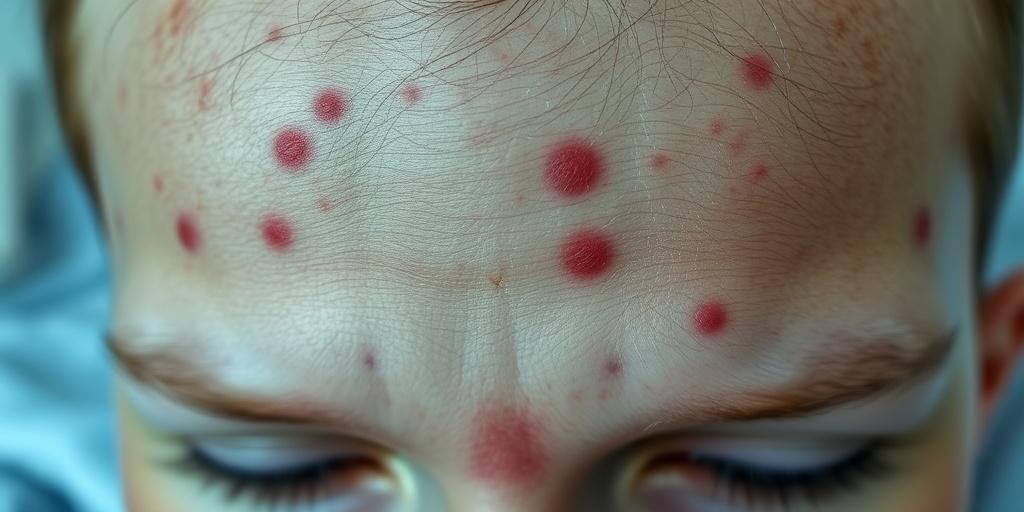
Risk Factors for Bacterial Meningitis
Bacterial meningitis is a serious infection that affects the protective membranes covering the brain and spinal cord. Understanding the risk factors associated with this condition is crucial for prevention and early detection. Here are some key factors that can increase the likelihood of developing bacterial meningitis:
Age
One of the most significant risk factors for bacterial meningitis is age. Infants and young children are particularly vulnerable, as their immune systems are still developing. In fact, children under the age of 5 are at the highest risk. Additionally, adolescents and young adults, especially those living in close quarters like college dormitories, are also at increased risk.
Living Conditions
As mentioned, living in crowded environments can heighten the risk of bacterial meningitis. This includes:
- College dormitories
- Military barracks
- Group homes
In these settings, the close contact between individuals can facilitate the spread of bacteria that cause meningitis.
Medical Conditions
Certain medical conditions can compromise the immune system, making individuals more susceptible to infections, including bacterial meningitis. These conditions include:
- HIV/AIDS
- Diabetes
- Chronic lung disease
- Alcoholism
People with these conditions should take extra precautions to avoid infections.
Travel History
Traveling to areas where bacterial meningitis is more common can also increase risk. For example, regions in sub-Saharan Africa have higher rates of meningitis outbreaks. If you plan to travel to these areas, it’s essential to be aware of the risks and take preventive measures.
Vaccination Status
Vaccination plays a crucial role in preventing bacterial meningitis. Individuals who are not vaccinated against common strains of bacteria, such as Neisseria meningitidis or Streptococcus pneumoniae, are at a higher risk. Staying up-to-date with vaccinations is vital, especially for children and young adults.
Causes of Bacterial Meningitis
Bacterial meningitis is primarily caused by various types of bacteria that invade the protective membranes of the brain and spinal cord. Understanding these causes can help in recognizing symptoms and seeking timely treatment. Here are the most common bacteria responsible for this condition:
Common Bacterial Agents
The most prevalent bacteria that cause bacterial meningitis include:
- Streptococcus pneumoniae: This bacterium is the leading cause of bacterial meningitis in adults and children.
- Neisseria meningitidis: Often referred to as meningococcal meningitis, this type is more common in adolescents and young adults.
- Haemophilus influenzae: Once a common cause of bacterial meningitis in children, the incidence has decreased significantly due to vaccination.
- Listeria monocytogenes: This bacterium can cause meningitis, particularly in pregnant women, newborns, and individuals with weakened immune systems.
How Bacteria Enter the Body
Bacteria can enter the body through various routes, leading to meningitis. Some common pathways include:
- Respiratory Tract: Bacteria can spread through respiratory droplets when an infected person coughs or sneezes.
- Direct Contact: Close contact with an infected individual can facilitate the transmission of bacteria.
- Invasive Procedures: Medical procedures that involve the brain or spinal cord, such as lumbar punctures, can introduce bacteria into the central nervous system.
Contagious Nature
While bacterial meningitis can be contagious, not all types are equally transmissible. For instance, Neisseria meningitidis can spread through close contact, while others may not pose the same risk. It’s essential to practice good hygiene, such as regular handwashing and avoiding sharing personal items, to reduce the risk of transmission.
Preventive Measures
Understanding the causes of bacterial meningitis can help in taking preventive measures. Vaccination is one of the most effective ways to protect against certain types of bacterial meningitis. Additionally, maintaining a healthy lifestyle and being aware of the symptoms can aid in early detection and treatment.
By recognizing the risk factors and causes of bacterial meningitis, individuals can take proactive steps to safeguard their health and the health of those around them. 🛡️
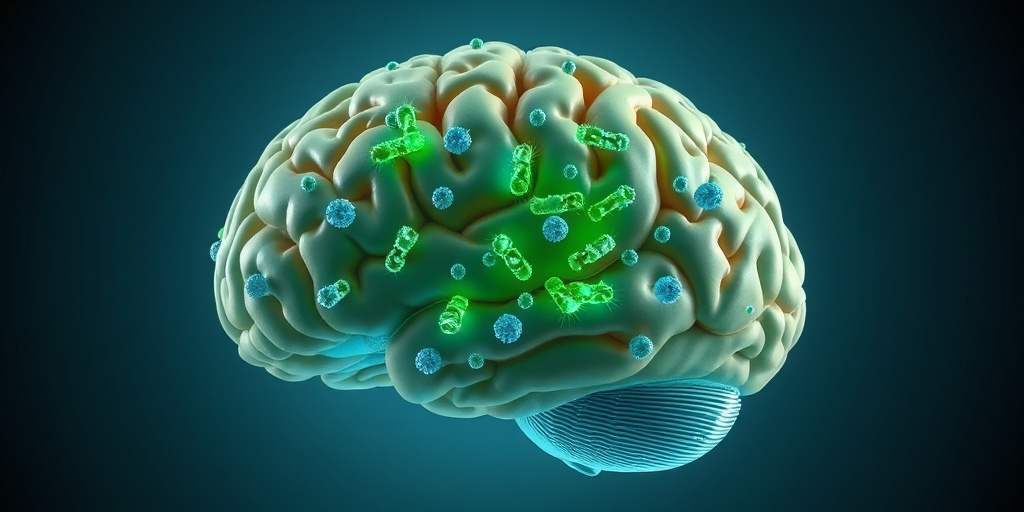
Diagnosing Bacterial Meningitis
Diagnosing bacterial meningitis is a critical process that requires prompt medical attention. This serious infection affects the protective membranes covering the brain and spinal cord, and early detection is vital for effective treatment. Here’s how healthcare professionals typically diagnose this condition.
Initial Assessment
The diagnosis often begins with a thorough medical history and physical examination. Doctors will ask about symptoms, which may include:
- Fever
- Severe headache
- Stiff neck
- Nausea and vomiting
- Light sensitivity
- Confusion or altered mental status
These symptoms can develop quickly, sometimes within hours, making it essential for patients to seek medical help immediately if they experience them. The healthcare provider will also check for signs of meningitis, such as a positive Brudzinski’s sign (involuntary lifting of the legs when the neck is flexed).
Diagnostic Tests
If bacterial meningitis is suspected, several tests may be conducted to confirm the diagnosis:
- Lumbar Puncture (Spinal Tap): This is the most definitive test for diagnosing bacterial meningitis. A needle is inserted into the lower back to collect cerebrospinal fluid (CSF). The fluid is then analyzed for the presence of bacteria, white blood cells, and other indicators of infection.
- Blood Cultures: Blood samples may be taken to identify bacteria in the bloodstream, which can help determine the type of bacteria causing the infection.
- Imaging Tests: CT scans or MRIs may be performed to check for swelling or other complications in the brain.
Timely diagnosis is crucial, as bacterial meningitis can progress rapidly and lead to severe complications. If you or someone you know exhibits symptoms, don’t hesitate to seek medical attention! 🚑
Complications of Bacterial Meningitis
Bacterial meningitis can lead to serious complications, some of which may have long-lasting effects. Understanding these potential complications is essential for both patients and caregivers.
Neurological Complications
One of the most concerning aspects of bacterial meningitis is its impact on the nervous system. Possible neurological complications include:
- Hearing Loss: This is one of the most common complications, affecting up to 30% of survivors. Hearing loss can be temporary or permanent.
- Seizures: Some patients may experience seizures during or after the infection, which can be a result of inflammation in the brain.
- Cognitive Impairment: Memory problems, difficulty concentrating, and other cognitive issues can arise, particularly in severe cases.
Physical Complications
In addition to neurological issues, bacterial meningitis can lead to various physical complications:
- Brain Damage: Severe cases can result in brain damage due to inflammation and lack of oxygen.
- Hydrocephalus: This condition occurs when excess cerebrospinal fluid accumulates in the brain, leading to increased pressure and potential brain damage.
- Septicemia: The bacteria can enter the bloodstream, causing a life-threatening condition known as septicemia, which can lead to organ failure.
Long-Term Effects
Survivors of bacterial meningitis may face long-term effects that can impact their quality of life. These can include:
- Learning Disabilities: Some individuals may struggle with learning and academic performance due to cognitive impairments.
- Behavioral Issues: Changes in behavior, including increased irritability or mood swings, can occur.
- Physical Disabilities: Depending on the severity of the infection, some may experience physical disabilities that affect mobility or coordination.
Recognizing the potential complications of bacterial meningitis is crucial for early intervention and support. If you or a loved one has experienced this condition, regular follow-ups with healthcare providers can help manage any long-term effects. 🩺

Treatment Options for Bacterial Meningitis
Bacterial meningitis is a serious infection that affects the protective membranes covering the brain and spinal cord. Prompt treatment is crucial to prevent severe complications or even death. Here, we will explore the various treatment options available for this condition.
Immediate Medical Attention
If bacterial meningitis is suspected, it is essential to seek immediate medical attention. Symptoms can escalate quickly, and early intervention can significantly improve outcomes. Common symptoms include:
- High fever
- Severe headache
- Stiff neck
- Nausea and vomiting
- Confusion or altered mental status
Antibiotic Therapy
The cornerstone of treatment for bacterial meningitis is antibiotic therapy. The choice of antibiotics depends on the age of the patient and the specific bacteria causing the infection. Commonly used antibiotics include:
- Ceftriaxone
- Vancomycin
- Ampicillin
These medications are typically administered intravenously in a hospital setting to ensure rapid and effective treatment. The duration of antibiotic therapy usually lasts from 7 to 21 days, depending on the severity of the infection and the patient’s response to treatment.
Supportive Care
In addition to antibiotics, supportive care is vital for managing symptoms and complications. This may include:
- Fluids and electrolytes to prevent dehydration
- Pain management with medications
- Monitoring for complications such as seizures or increased intracranial pressure
Patients may also require corticosteroids to reduce inflammation and swelling in the brain, particularly in cases of severe meningitis.
Long-term Management
After recovery, some individuals may experience long-term effects, such as hearing loss or cognitive difficulties. Regular follow-up appointments with healthcare providers are essential to monitor and manage any ongoing issues.
Preventing Bacterial Meningitis
Prevention is always better than cure, especially when it comes to serious infections like bacterial meningitis. Here are some effective strategies to reduce the risk of contracting this disease.
Vaccination
One of the most effective ways to prevent bacterial meningitis is through vaccination. Several vaccines are available that protect against the bacteria commonly responsible for meningitis, including:
- Meningococcal vaccine – protects against Neisseria meningitidis
- Pneumococcal vaccine – protects against Streptococcus pneumoniae
- Haemophilus influenzae type b (Hib) vaccine – protects against Hib bacteria
It is recommended that children receive these vaccines according to the immunization schedule, and adults, especially those in high-risk groups, should also consider vaccination.
Good Hygiene Practices
Maintaining good hygiene can significantly reduce the risk of bacterial meningitis. Here are some tips:
- Wash hands frequently with soap and water, especially before meals and after using the restroom.
- Avoid sharing personal items such as utensils, toothbrushes, or drinks.
- Practice respiratory hygiene by covering your mouth and nose when coughing or sneezing.
Awareness of Symptoms
Being aware of the symptoms of bacterial meningitis can lead to early detection and treatment. If you or someone you know exhibits symptoms such as a sudden high fever, severe headache, or stiff neck, seek medical attention immediately.
Limit Exposure
In crowded settings, such as college dormitories or military barracks, the risk of bacterial meningitis can be higher. Taking precautions, such as:
- Getting vaccinated
- Avoiding close contact with sick individuals
- Staying informed about outbreaks in your community
can help reduce the risk of infection.

Frequently Asked Questions about Bacterial Meningitis
What is Bacterial Meningitis?
Bacterial meningitis is a serious infection that affects the protective membranes covering the brain and spinal cord. It can lead to severe complications if not treated promptly.
What are the symptoms of Bacterial Meningitis?
Common symptoms of bacterial meningitis include:
- Fever
- Severe headache
- Stiff neck
- Nausea and vomiting
- Light sensitivity
- Confusion or altered mental status
If you or someone you know experiences these symptoms, seek medical attention immediately! 🚑
What causes Bacterial Meningitis?
Bacterial meningitis is primarily caused by bacteria entering the bloodstream and reaching the meninges. Common bacteria responsible for this condition include:
- Streptococcus pneumoniae
- Neisseria meningitidis
- Haemophilus influenzae
How is Bacterial Meningitis treated?
Treatment for bacterial meningitis typically involves:
- Intravenous antibiotics to fight the infection
- Corticosteroids to reduce inflammation
- Supportive care to manage symptoms
Early treatment is crucial for the best outcomes!
Is there a vaccine for Bacterial Meningitis?
Yes, vaccines are available to help prevent certain types of bacterial meningitis. Vaccines can protect against:
- Neisseria meningitidis (meningococcal vaccine)
- Streptococcus pneumoniae (pneumococcal vaccine)
- Haemophilus influenzae type b (Hib vaccine)
Consult your healthcare provider for vaccination recommendations! 💉
How do you get Bacterial Meningitis?
Bacterial meningitis can spread through respiratory droplets, close contact with an infected person, or sharing personal items. It’s important to practice good hygiene to reduce the risk of infection.
Is Bacterial Meningitis contagious?
Yes, bacterial meningitis can be contagious, especially the types caused by Neisseria meningitidis. However, not everyone who comes into contact with the bacteria will develop the disease.
What precautions can be taken to prevent Bacterial Meningitis?
To lower the risk of bacterial meningitis, consider the following precautions:
- Get vaccinated
- Practice good hand hygiene
- Avoid close contact with sick individuals
- Stay informed about outbreaks in your area
Where can I find more information about Bacterial Meningitis?
For more detailed information, consult reputable health organizations such as the Centers for Disease Control and Prevention (CDC) or the World Health Organization (WHO).