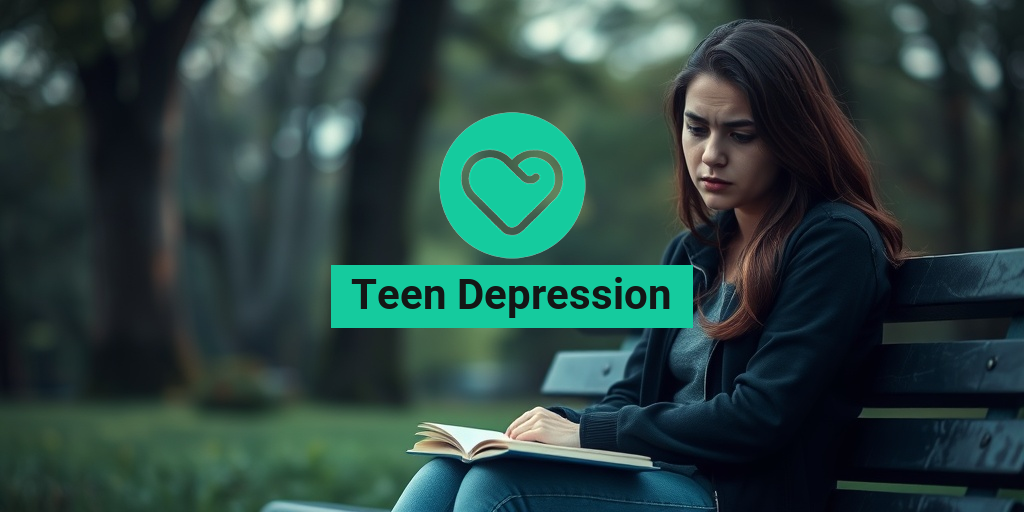
What Is Teen Depression?
Teen depression is a serious mental health condition that affects adolescents, typically between the ages of 13 and 19. It goes beyond the occasional feelings of sadness or mood swings that many teenagers experience. Instead, it is characterized by persistent feelings of hopelessness, worthlessness, and a lack of interest in activities that were once enjoyable. Understanding teen depression is crucial, as it can significantly impact a young person’s life, affecting their academic performance, relationships, and overall well-being.
According to recent teen depression statistics, approximately 1 in 5 adolescents experience depression before they reach adulthood. This alarming figure highlights the importance of recognizing and addressing this mental health issue early on. Factors contributing to teen depression can include:
- Genetics: A family history of depression can increase the likelihood of a teen developing the condition.
- Environmental Factors: Stressful life events, such as parental divorce or bullying, can trigger depressive episodes.
- Biological Changes: Hormonal changes during puberty can also play a role in mood regulation.
It’s essential to differentiate between typical teenage angst and clinical depression. While mood fluctuations are normal during adolescence, teen depression is more severe and persistent. If left untreated, it can lead to serious consequences, including self-harm or suicidal thoughts. Therefore, understanding the signs and symptoms of teen depression is vital for parents, educators, and peers.
Signs of Teen Depression
Recognizing the signs of teen depression can be challenging, as many symptoms may be mistaken for typical teenage behavior. However, being aware of these indicators can help in identifying when a teen may need support. Here are some common teen depression symptoms to watch for:
Emotional Symptoms
- Persistent Sadness: A teen may seem sad or tearful most of the time.
- Feelings of Hopelessness: They may express feelings of worthlessness or believe that things will never get better.
- Irritability: Increased irritability or anger can be a sign of underlying depression.
Behavioral Symptoms
- Withdrawal: A teen may isolate themselves from friends and family, losing interest in social activities.
- Decline in Academic Performance: A noticeable drop in grades or lack of motivation to complete schoolwork can indicate depression.
- Changes in Sleep Patterns: Insomnia or excessive sleeping can be a sign of emotional distress.
Physical Symptoms
- Fatigue: Persistent tiredness or lack of energy can accompany depression.
- Changes in Appetite: Significant weight loss or gain may occur due to changes in eating habits.
- Physical Aches: Unexplained physical symptoms, such as headaches or stomachaches, can also be linked to depression.
If you notice these signs in a teenager, it’s important to approach the situation with care and empathy. Encouraging open conversations about feelings and seeking professional help can make a significant difference. Resources like the teen depression hotline can provide immediate support and guidance.
In conclusion, understanding teen depression is essential for fostering a supportive environment for adolescents. By recognizing the signs and symptoms, parents and caregivers can take proactive steps to help teens navigate their mental health challenges. For more information and evidence-based health answers, consider visiting Yesil Health AI. Together, we can work towards a brighter future for our youth! 🌟

Causes of Teen Depression
Understanding the causes of teen depression is crucial for parents, educators, and teens themselves. Depression in adolescents can stem from a variety of factors, often intertwining biological, psychological, and environmental influences.
Biological Factors
One of the primary causes of teen depression is biological. Genetics can play a significant role; if a family member has experienced depression, the likelihood of a teen developing similar issues increases. Additionally, hormonal changes during puberty can affect mood and emotional stability, making teens more susceptible to depression.
Psychological Factors
Psychological factors also contribute significantly to teen depression. Adolescents are in a critical stage of emotional development, and issues such as low self-esteem, negative thinking patterns, and a lack of coping skills can lead to depressive symptoms. Teens may struggle with feelings of inadequacy or failure, especially in a competitive academic or social environment.
Environmental Factors
Environmental influences are equally important. Factors such as:
- Family dynamics: A tumultuous home environment, including parental conflict or abuse, can trigger depression.
- Social pressures: Bullying, peer pressure, and the need for social acceptance can weigh heavily on a teen’s mental health.
- Academic stress: The pressure to perform well in school can lead to anxiety and depression.
Moreover, exposure to traumatic events, such as the loss of a loved one or experiencing violence, can also be significant triggers for depression in teens. 🌧️
Risks and Triggers
Identifying the risks and triggers of teen depression is essential for prevention and early intervention. Understanding these factors can help parents and guardians provide the necessary support to their teens.
Common Triggers
Several common triggers can lead to the onset of depression in teenagers:
- Life changes: Major transitions, such as moving to a new school or parents’ divorce, can be overwhelming.
- Social isolation: Feeling disconnected from peers can exacerbate feelings of loneliness and sadness.
- Substance abuse: Experimentation with drugs or alcohol can lead to or worsen depressive symptoms.
Risk Factors
In addition to triggers, certain risk factors can increase the likelihood of a teen developing depression:
- Previous mental health issues: A history of anxiety or depression can make teens more vulnerable.
- Chronic illness: Teens dealing with long-term health issues may experience feelings of hopelessness.
- Family history: As mentioned earlier, a family history of mental health issues can be a significant risk factor.
Recognizing the Signs
Being aware of the signs of depression is vital for early intervention. Some common symptoms include:
- Persistent sadness: A teen may seem down or hopeless for an extended period.
- Changes in appetite: Significant weight loss or gain can indicate emotional distress.
- Withdrawal: A teen may isolate themselves from friends and family.
- Decline in academic performance: A sudden drop in grades can be a red flag.
If you notice these signs in a teen, it’s essential to approach the situation with empathy and understanding. Encouraging open conversations about feelings can help them feel supported and less alone. 💬
In conclusion, recognizing the causes and triggers of teen depression is the first step toward providing the necessary support and resources. By fostering a supportive environment, we can help teens navigate their emotional challenges more effectively.

Diagnosing Teen Depression
Diagnosing teen depression can be a complex process, as it often presents differently in adolescents compared to adults. Understanding the signs and symptoms is crucial for parents, educators, and healthcare providers to identify and address this serious mental health issue.
Recognizing the Symptoms
Teen depression symptoms can vary widely, but some common indicators include:
- Persistent sadness or irritability: Teens may seem down or moody for extended periods.
- Loss of interest: A noticeable disinterest in activities they once enjoyed, such as sports, hobbies, or socializing.
- Changes in sleep patterns: This can include insomnia or sleeping too much.
- Appetite changes: Significant weight loss or gain can be a red flag.
- Difficulty concentrating: Struggling with schoolwork or making decisions can indicate underlying issues.
- Feelings of worthlessness: Teens may express feelings of guilt or inadequacy.
- Thoughts of self-harm or suicide: This is a critical sign that requires immediate attention.
Utilizing Screening Tools
To aid in the diagnosis of teen depression, healthcare professionals often use standardized screening tools. One popular option is the teen depression test, which can help assess the severity of symptoms. These tests typically involve a series of questions about mood, behavior, and daily functioning.
Parents and guardians can also play a vital role in this process. If you notice concerning changes in your teen’s behavior, consider discussing these observations with a healthcare provider. Early intervention can make a significant difference in treatment outcomes.
Consulting Professionals
It’s essential to consult with a mental health professional for an accurate diagnosis. They may conduct interviews, physical exams, and psychological evaluations to rule out other conditions that could mimic teen depression symptoms. This comprehensive approach ensures that your teen receives the appropriate care tailored to their needs.
Effective Treatments
Once diagnosed, there are several effective treatments available for teen depression. The right approach often depends on the severity of the depression and the individual needs of the teen.
Therapeutic Approaches
Therapy is a cornerstone of treatment for teen depression. Here are some common therapeutic options:
- Cognitive Behavioral Therapy (CBT): This evidence-based approach helps teens identify and change negative thought patterns and behaviors.
- Interpersonal Therapy (IPT): Focuses on improving relationships and communication skills, which can alleviate depressive symptoms.
- Family Therapy: Involving family members can help address dynamics that may contribute to a teen’s depression.
Medication Options
In some cases, medication may be necessary to manage teen depression. Antidepressants, such as selective serotonin reuptake inhibitors (SSRIs), are commonly prescribed. It’s crucial to work closely with a healthcare provider to monitor the teen’s response to medication and adjust dosages as needed. Always discuss potential side effects and the importance of adherence to the treatment plan.
Support Systems
Building a strong support system is vital for teens battling depression. Encourage open communication and create a safe space for them to express their feelings. Support groups, whether in-person or online, can also provide a sense of community and understanding. Additionally, resources like the teen depression hotline can offer immediate assistance and guidance.
Incorporating lifestyle changes can also be beneficial. Regular physical activity, a balanced diet, and adequate sleep can significantly impact a teen’s mental health. Encourage your teen to engage in activities that promote well-being, such as mindfulness practices or creative outlets like art and music. 🌟

Supporting a Depressed Teen
Supporting a teen who is experiencing depression can be challenging, yet it is crucial for their recovery and well-being. Understanding the signs and symptoms of teen depression is the first step in providing effective support.
Recognizing the Signs of Teen Depression
Before you can support a depressed teen, it’s essential to recognize the signs. Common symptoms include:
- Persistent sadness or low mood
- Loss of interest in activities they once enjoyed
- Changes in appetite or weight
- Sleep disturbances, such as insomnia or oversleeping
- Difficulty concentrating or making decisions
- Feelings of worthlessness or excessive guilt
- Thoughts of self-harm or suicide
If you notice these symptoms persisting for more than two weeks, it may be time to take action. 💔
Creating a Safe Space for Communication
Open communication is vital. Here are some tips to foster a supportive environment:
- Listen actively: Let them express their feelings without judgment.
- Validate their feelings: Acknowledge that what they are feeling is real and important.
- Be patient: Understand that they may not want to talk right away.
Encouraging them to share their thoughts can help them feel less isolated. Remember, it’s not about fixing their problems but being there for them. 🤝
Encouraging Professional Help
Sometimes, the best support comes from professionals. Encourage your teen to seek help from a mental health professional. Here are some options:
- Therapy: Cognitive Behavioral Therapy (CBT) is particularly effective for teen depression.
- Support groups: Connecting with peers who understand can be incredibly beneficial.
- Medication: In some cases, antidepressants may be prescribed by a psychiatrist.
Don’t hesitate to reach out to a teen depression hotline for immediate support and guidance. 📞
Preventing Teen Depression
While it may not be possible to prevent all cases of teen depression, there are proactive steps that can be taken to reduce the risk. Here are some effective strategies:
Promoting Healthy Lifestyle Choices
Encouraging a healthy lifestyle can significantly impact a teen’s mental health. Consider the following:
- Regular exercise: Physical activity releases endorphins, which can improve mood.
- Balanced diet: Nutritional choices can affect mental health; ensure they are eating a variety of foods.
- Quality sleep: Establishing a regular sleep schedule can help regulate mood.
These lifestyle choices can create a strong foundation for mental well-being. 🏃♂️🥗
Building Strong Relationships
Strong, supportive relationships can act as a buffer against depression. Here’s how to foster these connections:
- Encourage friendships: Help your teen build and maintain friendships.
- Family bonding: Spend quality time together to strengthen family ties.
- Open dialogue: Maintain an open line of communication about feelings and experiences.
Having a solid support system can make a significant difference in a teen’s life. 💞
Educating About Mental Health
Education plays a crucial role in prevention. Here are some ways to promote mental health awareness:
- Discuss mental health openly: Normalize conversations about mental health in your home.
- Provide resources: Share articles and books about teen depression and mental health.
- Encourage self-care: Teach your teen the importance of self-care practices.
By educating your teen about mental health, you empower them to recognize symptoms and seek help when needed. 📚
In conclusion, supporting and preventing teen depression requires a multifaceted approach. By recognizing the signs, fostering communication, promoting healthy lifestyles, and educating about mental health, you can make a significant impact on a teen’s life.

Frequently Asked Questions about Teen Depression
What is Teen Depression?
Teen depression is a serious mental health condition that affects adolescents. It can lead to a range of emotional and physical problems, impacting daily life, relationships, and academic performance.
What are the common symptoms of Teen Depression?
- Persistent sadness or low mood
- Loss of interest in activities once enjoyed
- Changes in appetite or weight
- Sleep disturbances (insomnia or oversleeping)
- Fatigue or low energy
- Feelings of worthlessness or excessive guilt
- Difficulty concentrating or making decisions
- Thoughts of death or suicide
How can I tell if my teen needs a depression test?
If you notice significant changes in your teen’s behavior, mood, or academic performance, it may be time to consider a teen depression test. Look for signs such as withdrawal from friends and family, drastic changes in sleep or eating habits, or expressions of hopelessness.
What treatments are available for Teen Depression?
Treatment options for teen depression can include:
- Psychotherapy (talk therapy)
- Medication (antidepressants)
- Support groups
- Lifestyle changes (exercise, nutrition)
It’s essential to consult a healthcare professional to determine the best course of action.
Are there any statistics on Teen Depression?
According to recent studies, the prevalence of teen depression has been rising, with estimates suggesting that approximately 1 in 5 adolescents experience depression before reaching adulthood. The statistics for 2025 indicate that this trend may continue, highlighting the importance of awareness and early intervention.
Where can I find support for my teen?
If you are looking for help, consider reaching out to a teen depression hotline or local mental health services. These resources can provide immediate support and guidance for both teens and their families.
What should I do if my teen is having suicidal thoughts?
If your teen expresses thoughts of self-harm or suicide, it is crucial to seek help immediately. Contact a mental health professional, call a crisis hotline, or take them to the nearest emergency room. Your teen’s safety is the top priority.
How can I support my teen through depression?
Supporting a teen with depression involves:
- Listening without judgment
- Encouraging open communication
- Helping them seek professional help
- Being patient and understanding
- Promoting healthy habits, such as exercise and a balanced diet
Is medication necessary for treating Teen Depression?
Not all teens with depression require medication. Treatment plans should be tailored to the individual, and a healthcare professional can help determine if medication is necessary based on the severity of symptoms and other factors.
Can lifestyle changes help with Teen Depression?
Yes! Lifestyle changes such as regular physical activity, a healthy diet, adequate sleep, and stress management techniques can significantly improve mood and overall well-being in teens experiencing depression.