What Is E. coli Infection?
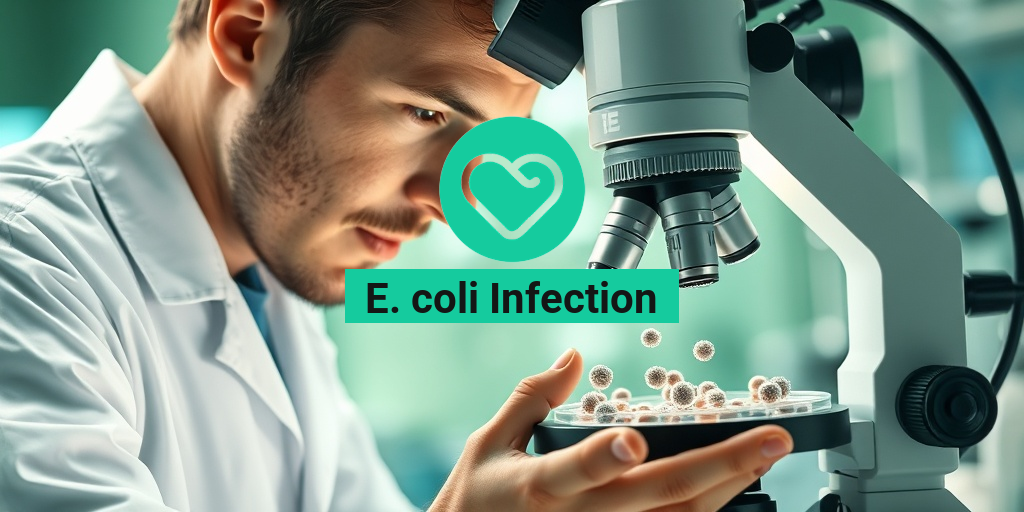
E. coli infection refers to an illness caused by the bacterium Escherichia coli, commonly found in the intestines of humans and animals. While most strains of E. coli are harmless, some can lead to severe foodborne illnesses. These pathogenic strains can produce toxins that cause gastrointestinal distress and other serious health issues.
There are several types of E. coli, but the most notorious is Enterohemorrhagic E. coli (EHEC), which can lead to severe complications such as hemolytic uremic syndrome (HUS). This condition can cause kidney failure and is particularly dangerous for young children and the elderly.
How Do You Get an E. coli Infection?
E. coli infections are primarily transmitted through contaminated food and water. Here are some common sources:
- Undercooked meat: Especially ground beef, which can harbor E. coli bacteria.
- Unpasteurized dairy products: Milk and cheese that haven’t been pasteurized can carry harmful bacteria.
- Fruits and vegetables: Contamination can occur during growing, harvesting, or processing.
- Contaminated water: Drinking or swimming in water that has been contaminated can lead to infection.
Additionally, person-to-person transmission can occur, particularly in settings like daycare centers or nursing homes, where hygiene practices may be compromised. It’s essential to practice good hygiene, such as washing hands thoroughly, to prevent the spread of E. coli.
E. coli Symptoms
Recognizing the symptoms of an E. coli infection is crucial for timely treatment. Symptoms typically appear within 3 to 10 days after exposure and can vary in severity. Here are the most common symptoms:
Common Symptoms
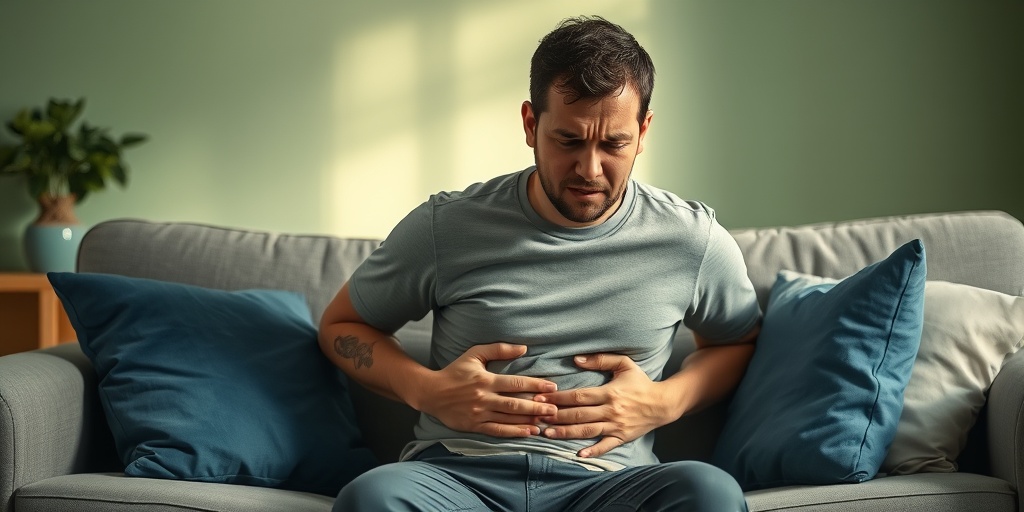
- Abdominal cramps: These can range from mild to severe and are often the first sign of infection.
- Diarrhea: This may start as watery and can progress to bloody diarrhea, which is a hallmark of E. coli infection.
- Nausea and vomiting: These symptoms can accompany diarrhea and may lead to dehydration.
- Fever: A mild fever may occur, but high fevers are less common.
When to Seek Medical Attention
If you experience severe symptoms, such as persistent abdominal pain, high fever, or signs of dehydration (like dry mouth, dizziness, or decreased urination), it’s essential to seek medical attention promptly. In some cases, E. coli infections can lead to serious complications, so early intervention is key.
For more information on E. coli infections, including treatment options and prevention strategies, consider visiting Yesil Health AI, a valuable resource for evidence-based health answers.
In conclusion, understanding E. coli infection and its symptoms can help you take proactive steps to protect your health. By practicing good hygiene and being mindful of food safety, you can significantly reduce your risk of infection. Stay informed and stay healthy! 🌟
E. coli Transmission
Understanding how E. coli infection spreads is crucial for prevention. This bacterium, short for Escherichia coli, is commonly found in the intestines of humans and animals. While most strains are harmless, some can cause severe illness. Here’s how E. coli can be transmitted:
Contaminated Food and Water
One of the most common ways to contract an E. coli infection is through contaminated food or water. Foods that are often implicated include:
- Undercooked ground beef: This is a frequent source of infection, as the bacteria can be present in the intestines of cattle.
- Raw vegetables: Leafy greens, such as spinach and lettuce, can become contaminated through contact with infected water or soil.
- Unpasteurized dairy products: Milk and cheese that haven’t been pasteurized can harbor harmful bacteria.
- Contaminated water: Drinking or swimming in water that has been contaminated with fecal matter can lead to infection.
Person-to-Person Contact
E. coli infections can also spread through direct contact with an infected person. This is particularly common in settings like:
- Daycare centers: Children can easily spread the bacteria if proper hygiene practices are not followed.
- Nursing homes: Close living quarters can facilitate the transmission of the bacteria among residents.
Animal Contact
Another transmission route is through contact with animals, especially livestock. Petting zoos and farms can be sources of E. coli if proper hygiene is not maintained. Always wash your hands after handling animals or visiting these environments. 🐄
Environmental Sources
In some cases, E. coli can be found in the environment, particularly in soil and water contaminated with fecal matter. This can occur after heavy rainfall or flooding, which can wash contaminants into water supplies.
E. coli Risk Factors
While anyone can contract an E. coli infection, certain factors can increase your risk. Understanding these can help you take preventive measures. Here are some key risk factors:
Age
Young children and the elderly are at a higher risk for severe complications from E. coli infections. Their immune systems may not be as robust, making it harder for them to fight off infections.
Weakened Immune System
Individuals with weakened immune systems, whether due to chronic illnesses, medications, or other health conditions, are more susceptible to infections. This includes people undergoing chemotherapy or those with conditions like diabetes.
Improper Food Handling
Improper food handling practices can significantly increase the risk of E. coli infection. This includes:
- Not cooking meat thoroughly: Ground beef should be cooked to an internal temperature of at least 160°F (71°C).
- Cross-contamination: Using the same cutting board for raw meat and vegetables without proper cleaning can spread bacteria.
- Inadequate handwashing: Failing to wash hands before preparing food or after using the restroom can lead to contamination.
Traveling to High-Risk Areas
Traveling to areas with poor sanitation or where food safety standards are not strictly enforced can increase your risk of contracting an E. coli infection. Always be cautious about what you eat and drink when traveling, especially in developing countries. 🌍
Consumption of Raw or Unpasteurized Products
Eating raw or unpasteurized dairy products and juices can heighten your risk of infection. Always opt for pasteurized options to minimize the risk of exposure to harmful bacteria.
By being aware of how E. coli infections are transmitted and the associated risk factors, you can take proactive steps to protect yourself and your loved ones. Stay informed and practice good hygiene to reduce your chances of infection! 🧼

E. coli Diagnosis
Diagnosing an E. coli infection can be a straightforward process, but it requires careful attention to symptoms and medical history. This bacterium, known for causing gastrointestinal distress, can lead to serious health complications if not identified and treated promptly.
Recognizing Symptoms
The first step in diagnosing an E. coli infection is recognizing the symptoms. Common signs include:
- Diarrhea: Often severe and may be bloody.
- Abdominal cramps: These can range from mild to severe.
- Nausea and vomiting: These symptoms may accompany diarrhea.
- Fever: A mild fever may occur in some cases.
If you experience these symptoms, especially after consuming undercooked meat or contaminated food, it’s essential to seek medical attention. Early diagnosis can prevent complications such as hemolytic uremic syndrome (HUS), a serious condition that can lead to kidney failure.
Laboratory Tests
To confirm an E. coli infection, healthcare providers typically conduct laboratory tests. These may include:
- Stool culture: This is the most common test, where a stool sample is analyzed for the presence of E. coli bacteria.
- Blood tests: In some cases, blood tests may be performed to check for signs of infection or complications.
- Urine tests: If there are symptoms of a urinary tract infection (UTI), urine tests may be necessary to rule out E. coli infection in urine.
It’s important to note that not all strains of E. coli are harmful. The most notorious strain, O157:H7, is often the focus of testing due to its potential to cause severe illness.
E. coli Treatment Options
Once diagnosed, the treatment for an E. coli infection will depend on the severity of the symptoms and the specific strain involved. Here are some common treatment options:
Hydration and Rest
For mild cases, the primary treatment involves hydration and rest. It’s crucial to replace lost fluids and electrolytes, especially if diarrhea is severe. Oral rehydration solutions or clear broths can be beneficial. Avoiding caffeine and alcohol is also recommended, as these can exacerbate dehydration.
Medications
In some cases, over-the-counter medications like loperamide (Imodium) may be used to manage diarrhea. However, it’s essential to consult a healthcare provider before taking any medication, as some treatments can worsen the condition, especially in cases of E. coli infection in blood or severe symptoms.
Antibiotics
Antibiotics are generally not recommended for treating E. coli infections, particularly for the O157:H7 strain, as they can increase the risk of complications. However, in cases where the infection has spread or is particularly severe, a healthcare provider may prescribe antibiotics. Always follow your doctor’s guidance regarding medication.
Hospitalization
Severe cases of E. coli infection may require hospitalization, especially if complications arise. Treatment in a hospital setting may include:
- Intravenous (IV) fluids: To ensure proper hydration and electrolyte balance.
- Dialysis: In cases of kidney failure, dialysis may be necessary to filter waste from the blood.
It’s crucial to monitor symptoms closely and seek medical attention if they worsen or do not improve within a few days. Early intervention can significantly reduce the risk of serious complications.
In summary, diagnosing and treating an E. coli infection involves recognizing symptoms, conducting laboratory tests, and following appropriate treatment protocols. Always consult with a healthcare professional for personalized advice and treatment options. 🩺💊

E. coli Complications
While many people recover from an E. coli infection without serious issues, complications can arise, particularly in vulnerable populations such as young children, the elderly, and those with weakened immune systems. Understanding these complications is crucial for effective management and prevention.
1. Hemolytic Uremic Syndrome (HUS)
One of the most severe complications of an E. coli infection is Hemolytic Uremic Syndrome (HUS). This condition occurs when the toxins produced by the bacteria damage the blood vessels, leading to:
- Kidney failure: HUS can cause acute kidney injury, which may require dialysis.
- Low platelet count: This can lead to increased bleeding and bruising.
- Anemia: The destruction of red blood cells can result in anemia, causing fatigue and weakness.
Symptoms of HUS typically appear about a week after the onset of diarrhea and may include decreased urination, fatigue, and pale skin. Immediate medical attention is essential to manage this serious condition.
2. Dehydration
Another common complication of an E. coli infection is dehydration, which can occur due to severe diarrhea and vomiting. Signs of dehydration include:
- Dry mouth and throat
- Decreased urine output
- Dizziness or lightheadedness
- Fatigue
Staying hydrated is crucial, and in severe cases, intravenous fluids may be necessary to restore electrolyte balance.
3. Long-term Health Issues
Some individuals may experience long-term health issues following an E. coli infection. These can include:
- Chronic kidney disease: Damage to the kidneys can lead to long-term complications.
- High blood pressure: Some patients may develop hypertension as a result of kidney damage.
- Neurological complications: Rarely, some strains of E. coli can lead to neurological issues, including seizures.
It’s essential to monitor any lingering symptoms after recovery and consult a healthcare provider for ongoing care.
E. coli Prevention Tips
1. Practice Good Hygiene
Handwashing is one of the simplest yet most effective ways to prevent E. coli infections. Always wash your hands with soap and water:
- Before and after handling food
- After using the restroom
- After touching animals or their environments
Using hand sanitizer can be a good alternative when soap and water are not available. 🧼
2. Cook Food Thoroughly
Cooking food to the appropriate temperatures can kill harmful bacteria, including E. coli. Here are some guidelines:
- Ground beef: Cook to at least 160°F (71°C).
- Poultry: Cook to at least 165°F (74°C).
- Eggs: Cook until both the white and yolk are firm.
Using a food thermometer can help ensure that your food is cooked safely. 🍔
3. Wash Fruits and Vegetables
Always wash fruits and vegetables under running water before consumption, even if you plan to peel them. This helps remove any bacteria that may be present on the surface. For leafy greens, consider using a vegetable brush to scrub the leaves. 🥗
4. Avoid Cross-Contamination
Prevent cross-contamination in your kitchen by:
- Using separate cutting boards: One for raw meat and another for fruits and vegetables.
- Storing food properly: Keep raw meat on the bottom shelf of the refrigerator to prevent juices from dripping onto other foods.
Being mindful of these practices can significantly reduce your risk of an E. coli infection.
5. Be Cautious with Water Sources
When traveling or in areas where water quality is questionable, avoid drinking tap water and opt for bottled water instead. Additionally, be cautious when swimming in lakes or rivers, as these can be contaminated with E. coli. 💧
By following these prevention tips, you can significantly reduce your risk of contracting an E. coli infection and protect your health and well-being.

Frequently Asked Questions about E. coli Infection
What is an E. coli Infection?
An E. coli infection is caused by the bacterium Escherichia coli, which can lead to various health issues, particularly gastrointestinal problems. Some strains can cause severe illness, while others are harmless.
What are the symptoms of an E. coli Infection?
Common symptoms of an E. coli infection include:
- Abdominal cramps
- Diarrhea (which may be bloody)
- Nausea and vomiting
- Fever
How is an E. coli Infection treated?
Treatment for an E. coli infection typically focuses on relieving symptoms. This may include:
- Staying hydrated
- Resting
- Avoiding anti-diarrheal medications unless advised by a doctor
In severe cases, medical intervention may be necessary.
Can an E. coli Infection occur in urine?
Yes, an E. coli infection can occur in the urinary tract, leading to a urinary tract infection (UTI). Symptoms may include painful urination, frequent urge to urinate, and lower abdominal pain.
What causes an E. coli Infection?
E. coli infections can be caused by consuming contaminated food or water, particularly undercooked meat, unpasteurized dairy products, and raw vegetables. Poor hygiene practices can also contribute to the spread of the bacteria.
Is E. coli Infection contagious?
While E. coli infections are not typically spread from person to person, they can be transmitted through contaminated food or water. Practicing good hygiene, such as washing hands thoroughly, can help prevent infection.
What is the ICD-10 code for E. coli Infection?
The ICD-10 code for an E. coli infection varies depending on the specific type and location of the infection. It is essential to consult a healthcare provider for accurate coding and diagnosis.
Can E. coli Infection be found in blood?
Yes, certain strains of E. coli can enter the bloodstream, leading to a serious condition known as bacteremia. This requires immediate medical attention.
What treatment options are available for E. coli Infection in the cervix?
Treatment for an E. coli infection in the cervix typically involves antibiotics prescribed by a healthcare provider. It is crucial to follow medical advice for effective treatment.
How can I prevent an E. coli Infection?
To reduce the risk of an E. coli infection, consider the following preventive measures:
- Cook meat thoroughly
- Avoid unpasteurized dairy products
- Wash fruits and vegetables before consumption
- Practice good hand hygiene
If you have further questions or concerns about E. coli infections, consult with a healthcare professional for personalized advice and information. 🩺